Snug Earrings Pricing: A Budget & Value Assessment
Discover the true cost of snug earrings. We assess budget vs. value, comparing implant-grade titanium to solid gold to prevent cartilage rejection.

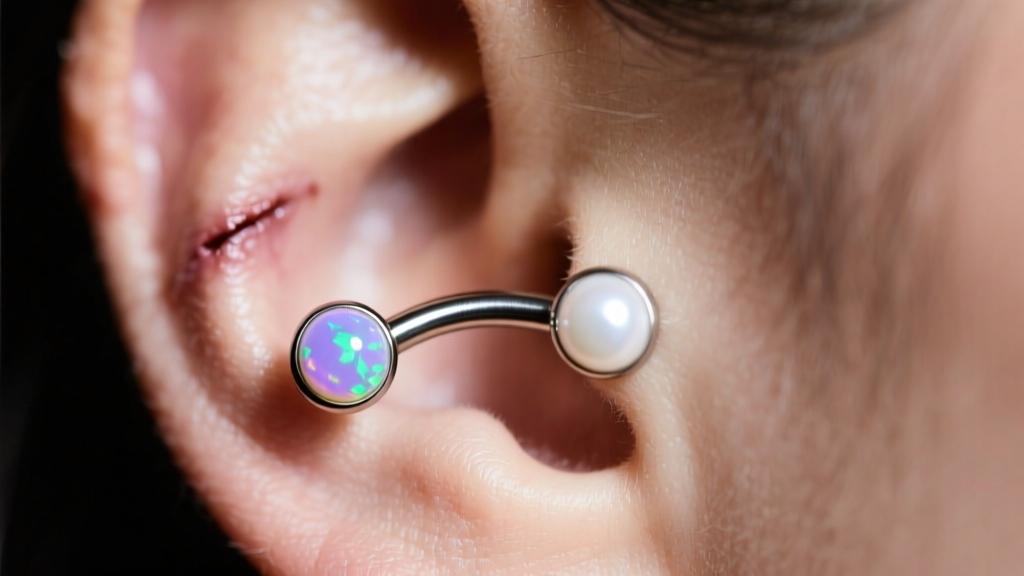
The True Cost of Snug Piercing Jewelry: Budget vs. Value
When evaluating body jewelry, the initial price tag is rarely the true indicator of cost. This is especially true for snug earrings. The snug piercing, which follows the inner cartilage ridge of the ear known as the anti-helix, is notorious in the professional piercing community for being one of the most temperamental and rejection-prone placements on the human body. Because the cartilage in this area is exceptionally thick and subjected to constant pressure from sleeping, headphones, and hair, the jewelry you choose acts as the primary anchor for the piercing's survival.
From a budget and value assessment perspective, purchasing cheap, mass-produced snug earrings is a false economy. The financial calculation must include not just the retail price of the jewelry, but the potential costs of treating hypertrophic scarring, managing contact dermatitis, or paying a professional piercer for revision procedures when the body inevitably rejects low-quality metals. In 2026, informed collectors and piercing enthusiasts understand that true value lies in biocompatibility, precision engineering, and anatomical specificity.
Why "Cheap" Snug Earrings Are a False Economy
Walk into any mall kiosk or fast-fashion retailer, and you will find "surgical steel" hoops marketed for cartilage use. However, the term "surgical steel" (often 316L stainless steel) is a marketing misnomer when applied to body jewelry. According to the Association of Professional Piercers (APP), 316L steel contains significant amounts of nickel. While nickel is safely bound within the alloy under normal conditions, the high-friction, high-pressure environment of a healing or settled snug piercing can cause microscopic corrosion, releasing nickel ions into the fistula.
This triggers contact dermatitis, leading to chronic swelling. In a tight space like the anti-helix, swelling creates immense pressure against the jewelry. The body's immune response to this persistent irritation and pressure is migration—slowly pushing the jewelry outward until the piercing rejects entirely. The "value" of a $15 pair of steel snug earrings evaporates the moment you have to spend $80 on a consultation to treat a migrated fistula, not to mention the loss of the piercing itself.
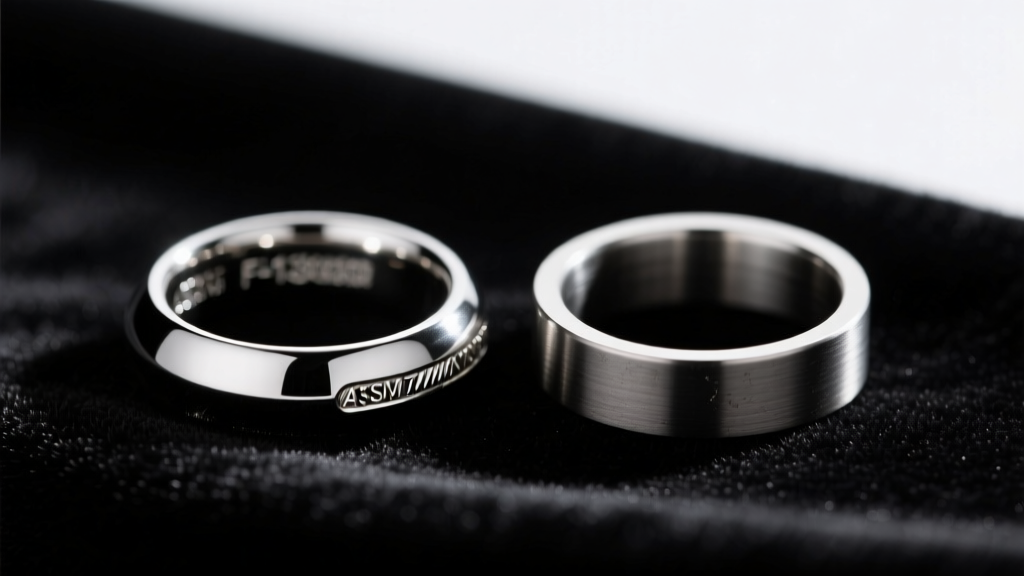
Snug Earrings Price Breakdown by Material
To properly assess your budget, you must understand the metallurgical grades available on the market. Below is a comparative analysis of the most common materials used for snug earrings, evaluating their upfront cost against their long-term biological value.
| Material Grade | Average Price Range | Biocompatibility & Risks | Value Verdict |
|---|---|---|---|
| 316L Surgical Steel | $10 - $25 | Contains nickel; high risk of dermatitis and migration in high-pressure cartilage. | Poor Value. Avoid entirely for snug placements. |
| ASTM F-136 Implant-Grade Titanium | $35 - $75 | 100% nickel-free, lightweight, highly biocompatible. The gold standard for healing. | Exceptional Value. The best baseline investment. |
| Commercially Pure Niobium | $40 - $85 | Hypoallergenic, can be anodized to various colors. Slightly heavier than titanium. | Good Value. Excellent for those wanting color without plating. |
| 14k / 18k Solid Gold (Nickel-Free) | $150 - $450+ | Inert, heirloom-quality, highly polished. Must be alloyed with palladium or silver, never nickel. | Premium Value. Best for fully healed, settled snugs. |
As highlighted by Healthline's comprehensive guide on cartilage piercings, investing in ASTM F-136 titanium or high-karat gold drastically reduces the inflammatory response, allowing the dense anti-helix cartilage to form a stable, healthy fistula without the interference of heavy metals or porous surfaces.
Sizing and Fit: Where Value Meets Anatomy
Material is only half the value equation; the other half is dimensional precision. The snug piercing requires highly specific inner diameters. Because the anti-helix curves sharply, a standard hoop will create a "cheese-cutter effect," where the tension of the metal slowly slices through the cartilage over time.
The Critical Inner Diameters
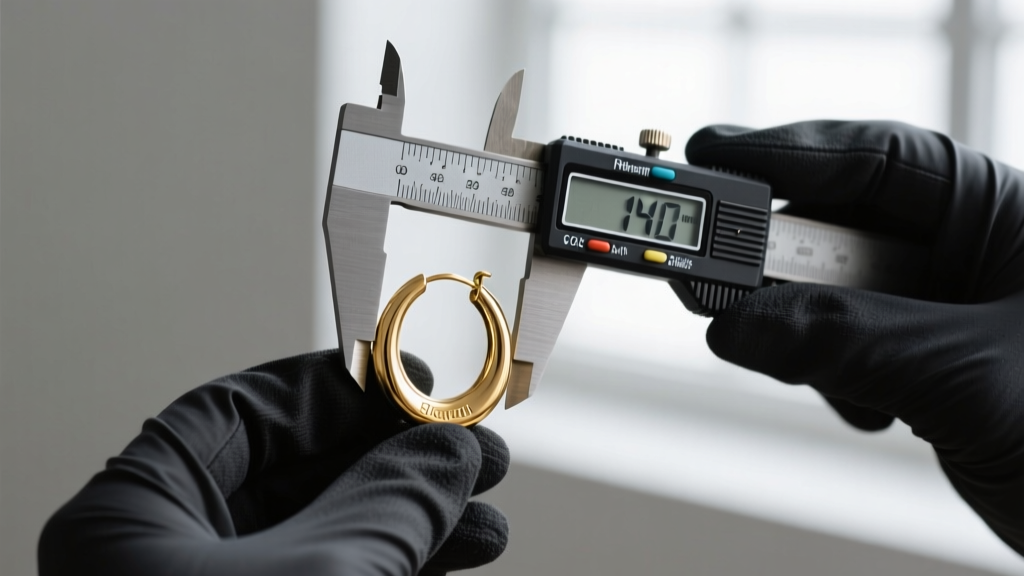
Most snug piercings require an inner diameter of 5/16" (8mm) or 3/8" (10mm) for hoops, or a 1/4" to 5/16" curved barbell. Mass-market earrings are rarely manufactured in these precise micro-increments. A hoop that is even 1mm too small will exert constant outward pressure, guaranteeing migration. High-value brands use CNC-machined components that guarantee exact tolerances, ensuring the jewelry follows the natural curvature of your specific ear anatomy without applying lateral tension.
Gauge Considerations
The standard gauge for a snug piercing is 16G (1.2mm), though some piercers prefer 14G (1.6mm) to provide a thicker anchor that resists the cheese-cutter effect. Budget jewelry often bends or warps at 16G due to poor alloy tempering, whereas premium titanium and gold maintain their structural integrity under the stress of daily wear.
Threadless vs. Internally Threaded: A Mechanical Assessment
When budgeting for snug earrings, the connection mechanism is a critical, often overlooked factor. External threading—where the screw is on the post that passes through the piercing—is a hallmark of cheap jewelry. Dragging sharp, external threads through a delicate cartilage fistula causes micro-tears, inviting bacteria and scar tissue.
High-value snug jewelry utilizes either internal threading (where the screw is on the decorative end) or threadless (push-pin) technology. Threadless jewelry, pioneered by brands like Neometal, uses tension to hold the decorative end inside the hollow post. This provides a perfectly smooth surface that glides through the fistula without causing trauma. While threadless ends and posts require a higher initial budget (typically $40-$90 for a basic titanium setup), the modular nature means you only need to buy the post once. You can subsequently purchase different decorative ends for $25-$60, offering immense long-term value and versatility.
Top Value Brands for Snug Jewelry in 2026
If you are allocating a budget for high-quality snug earrings, direct your funds toward established, APP-compliant manufacturers.
- BVLA (Body Vision Los Angeles): The pinnacle of premium value. Their 14k and 18k gold clickers and curved barbells are CNC-machined to flawless tolerances. While a single BVLA gold clicker may cost upwards of $350, its lifetime durability and flawless finish make it an heirloom piece that will never degrade.
- Anatometal: Renowned for their internally threaded implant-grade titanium and gold options. Their precision threading is widely considered the best in the industry, ensuring that decorative ends never unscrew accidentally during sleep.
- Neometal: The undisputed king of threadless titanium jewelry. For a budget-conscious buyer who refuses to compromise on safety, a Neometal titanium post paired with a synthetic or semi-precious gem end offers the best biocompatibility-to-price ratio on the market, usually totaling under $60.
Final Verdict: How to Allocate Your Snug Jewelry Budget
Assessing the budget and value of snug earrings requires a shift in perspective from "accessory shopping" to "medical-grade investment." If your total budget is under $50, your best and only safe option is a threadless or internally threaded ASTM F-136 implant-grade titanium piece from a reputable brand like Neometal or Industrial Strength. Do not compromise on material to afford a flashier design; the dense, unforgiving cartilage of the anti-helix will punish any metallurgical shortcuts with rejection.
If your budget exceeds $150, you enter the realm of solid 14k or 18k gold, where you can explore intricate clickers and custom-anodized titanium from luxury makers like BVLA or Maria Tash. Ultimately, the highest value in snug jewelry is found in pieces that respect the extreme anatomical demands of the placement, ensuring your piercing remains a permanent, beautiful fixture rather than a costly, temporary mistake.


