How to Style and Source Authentic Indian Head Nickel Earrings
Learn how to source, authenticate, and style Indian Head Nickel earrings. Expert tips on metal grades, gauge sizes, and patina care for coin jewelry.

The Anatomy and Metallurgy of the Buffalo Nickel
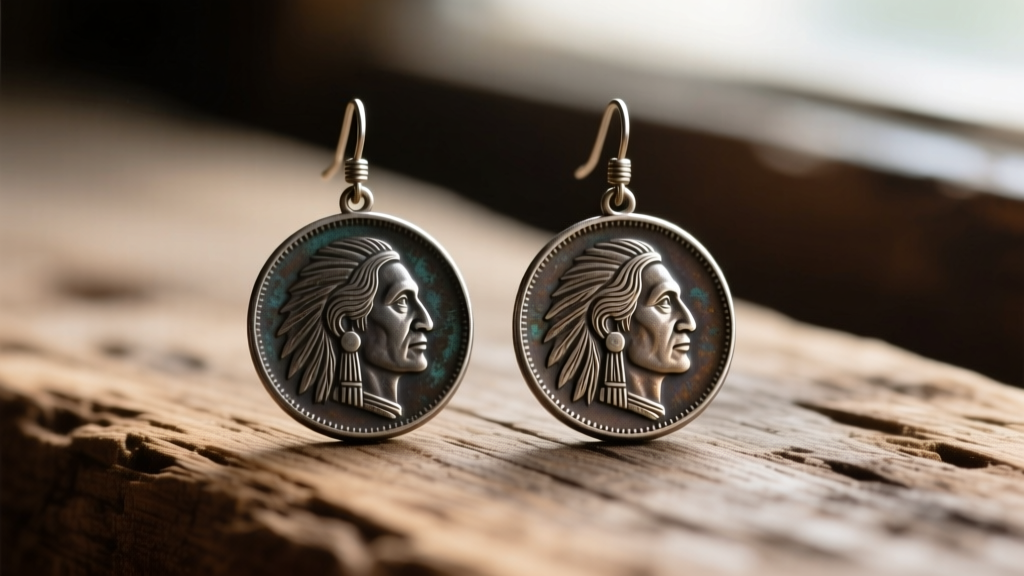
Before you purchase or modify coin jewelry, understanding the base material is critical. The Indian Head nickel, universally known as the Buffalo nickel, was minted in the United States from 1913 to 1938. Designed by James Earle Fraser, these coins are iconic staples of Americana and Southwestern jewelry design. However, from a metallurgical standpoint, they present unique challenges for earring fabrication.
A genuine Buffalo nickel is struck from a cupronickel alloy consisting of exactly 75% copper and 25% nickel. Each coin weighs precisely 5.00 grams and measures 21.2 millimeters in diameter. While 5 grams is a comfortable weight for a standard pierced lobe (which can typically support up to 7–10 grams without stretching), the 25% nickel content is a major red flag for individuals with contact dermatitis or metal sensitivities. If you have a known nickel allergy, you must either seal the coin, opt for a sterling silver cast replica, or ensure the earring hardware creates a physical barrier between the coin and your skin.
Step 1: Sourcing and Authenticating the Coins
When sourcing Indian Head nickel earrings, you will generally encounter three categories: genuine unmodified coins, carved 'Hobo' nickels, and modern cast replicas. According to the Professional Coin Grading Service (PCGS), Buffalo nickels are notorious for rapid date wear due to the high relief of the date on the coin's surface. Consequently, 'dateless' Buffalo nickels are incredibly common and inexpensive, making them the ethical and economical choice for jewelry modification, as you are not destroying a valuable, dated collector's item.
Authentication Checklist for Genuine Strikes
- The 'F' Mint Mark: Look closely at the truncation of the Native American bust on the obverse. You should see a tiny 'F' for the designer, James Earle Fraser. Modern cast replicas often blur or omit this detail.
- Edge Inspection: Unlike dimes or quarters, genuine Buffalo nickels have a plain, smooth edge. If you see reeding (ridges) or a seam line, you are looking at a modern cast fake or a different coin entirely.
- Magnetic Testing: Cupronickel is non-magnetic. If a magnet sticks to the earring, it is a cheap steel-core counterfeit plated in copper.
If you are interested in carved coin jewelry, look for modern artisan 'Hobo nickels.' Original 1930s hobo carvings are expensive collector pieces (often $200+), but contemporary artists carve dateless Buffalo nickels into intricate skulls, eagles, or portraits, typically pricing these bespoke earrings between $60 and $150.
Step 2: Selecting the Right Earring Hardware and Gauge
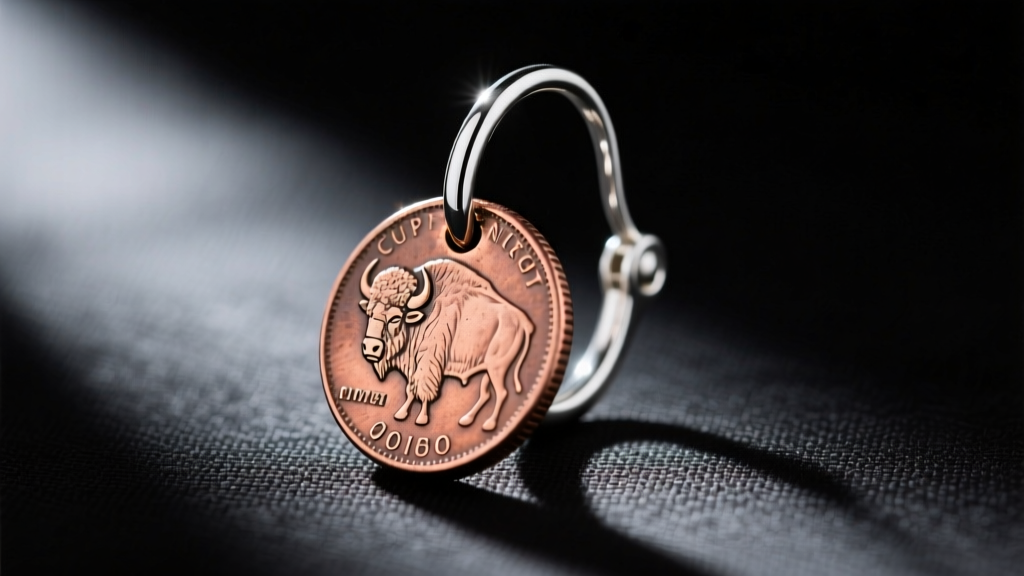
The pendulum swing of a 5-gram coin earring puts significant lateral stress on the connecting hardware. Using flimsy, mass-produced findings will result in lost earrings and bent wires. When evaluating Indian head nickel earrings, inspect the jump rings and ear wires with a jeweler's loupe.
| Hardware Component | Recommended Specification | Why It Matters for 5g Coins |
|---|---|---|
| Jump Ring | 16-gauge or 18-gauge, Soldered | Open jump rings will pull apart under the dynamic weight of a swinging coin. Soldered rings are mandatory. |
| Ear Wire (French) | 20-gauge or 18-gauge, Half-Hard | Dead-soft wire will bend out of shape when taking the earrings off. Half-hard temper retains the fishhook curve. |
| Leverback Findings | 18-gauge Sterling Silver | Provides a secure, closed-loop connection that prevents the heavy coin from slipping off the ear during movement. |
For those with nickel sensitivities, sourcing findings from specialized suppliers like Fire Mountain Gems allows you to find niobium or titanium ear wires. You can connect a titanium ear wire to the coin using a sterling silver or niobium jump ring, minimizing direct skin contact with the cupronickel alloy.
Step 3: Styling for Face Shapes and Occasions
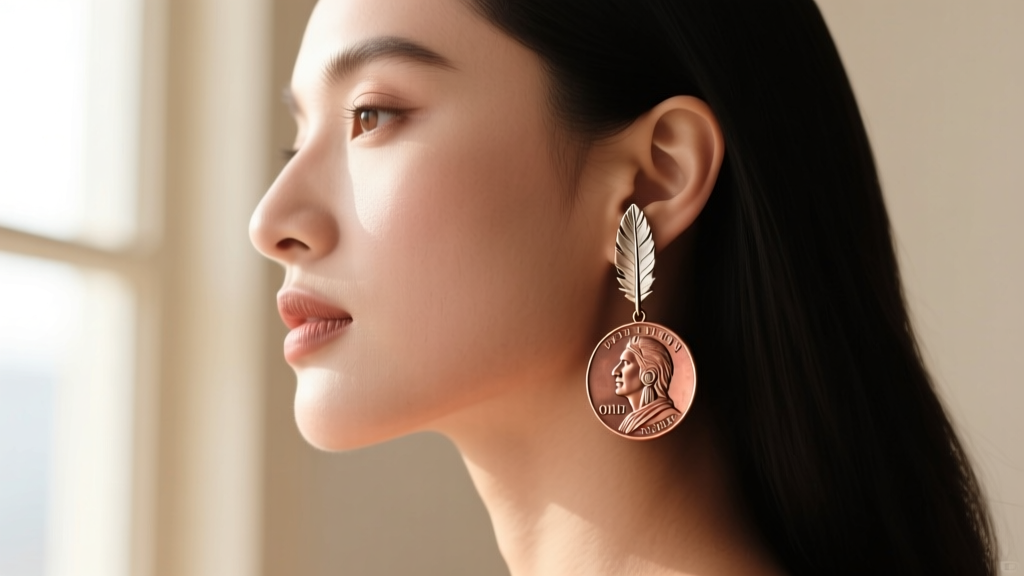
Because Buffalo nickels possess a dense, matte visual weight, they require deliberate styling to balance your facial features. The 21.2mm diameter of the coin acts as a bold focal point, meaning the earring's overall drop length will dictate its aesthetic impact.
Face Shape Pairings
- Round Faces: Opt for Indian Head nickel earrings suspended from long, 1.5-inch to 2-inch chain drops. The vertical elongation draws the eye downward, countering the width of a round face. Avoid short, chunky cluster settings that add horizontal volume.
- Square Faces: Look for coins set inside curved, oxidized sterling silver hoops or teardrop-shaped bezels. The curved metalwork softens the sharp angles of a square jawline while allowing the coin to dangle freely in the center.
- Oval Faces: You can pull off almost any configuration, including direct post-soldered studs. However, a classic 1-inch French wire drop remains the most versatile choice for showcasing the intricate Native American profile.
Step 4: Cleaning and Preserving the Patina
A common mistake new coin jewelry owners make is attempting to clean their earrings with commercial silver polishes or ultrasonic cleaners. Commercial dips contain harsh thiourea chemicals that will strip the natural toning from the copper alloy, leaving the coin with an unnatural, bright pink hue that collectors and artisans despise. Furthermore, ultrasonic vibrations can fracture the soldered jump rings holding your heavy coins.
The Renaissance Wax Method
To protect the patina and create a hypoallergenic barrier against the nickel content, use a micro-crystalline wax like Renaissance Wax. Follow this step-by-step maintenance routine:
- Wipe the coin gently with a dry, lint-free microfiber cloth to remove skin oils and environmental dust.
- Apply a microscopic amount of Renaissance Wax to a soft cotton swab.
- Rub the wax evenly over both the obverse and reverse of the coin, as well as the connecting jump ring.
- Allow the wax to dry for 10 minutes until it hazes, then buff it lightly with a clean horsehair shoe brush or soft cloth.
This process seals the metal, halts active oxidation, and provides a temporary barrier that significantly reduces the risk of nickel-induced contact dermatitis. Reapply the wax every 4 to 6 weeks depending on how frequently you wear the earrings and the natural acidity of your skin.
Sources and Further Reading
For deeper insights into coin authentication and jewelry fabrication standards, consult the American Numismatic Association (ANA) for historical minting data, and always verify the metallurgical composition of your jewelry findings to ensure long-term ear health and structural integrity.


