Sparkly Dangle Earrings: A Complete Material & Gem Guide
Discover the best metals and gemstones for sparkly dangle earrings. Compare durability, weight, and brilliance to find your perfect pair.

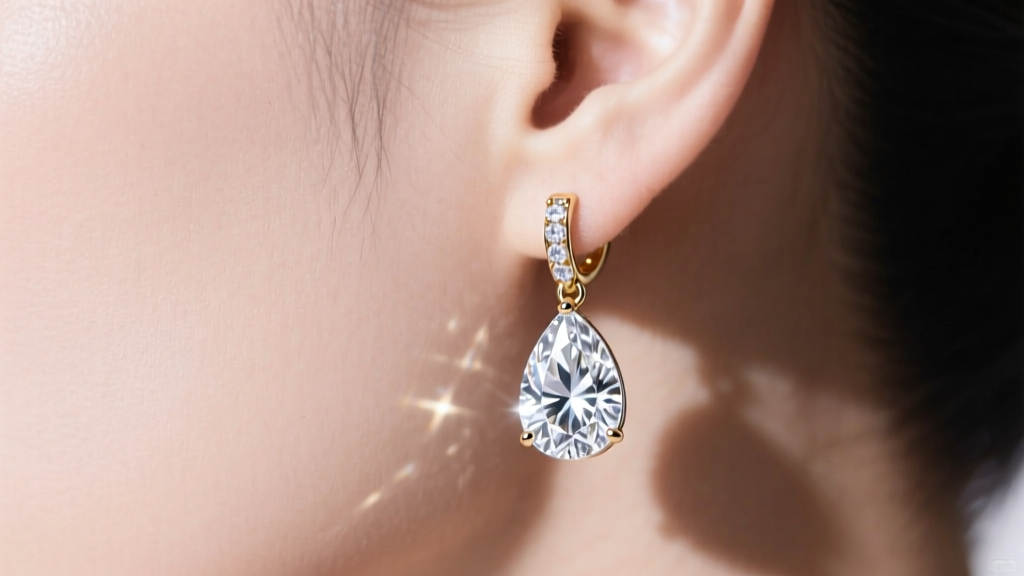
The Physics of Dangle: Why Material Weight Matters
When shopping for sparkly dangle earrings, the interplay of light and motion is the primary draw. However, the kinetic nature of dangle earrings introduces a unique physical challenge: gravity. Unlike studs or huggies that sit flush against the earlobe, dangles act as pendulums. Every step you take creates momentum, which transfers directly to your ear piercing. Over time, excessive weight can lead to earlobe ptosis (stretching and sagging of the earlobe tissue).
As a general rule in jewelry ergonomics, an earring weighing under 7 grams is considered comfortable for all-day wear. Earrings between 7 and 12 grams are suitable for occasional or evening wear, while anything exceeding 15 grams requires structural support, such as an ear jacket or a specialized French wire that hooks securely over the cartilage ridge to distribute the load. Therefore, the choice of metal and gemstone is not merely an aesthetic decision; it is a matter of anatomical comfort and long-term ear health.
Precious Metals Ranked for Dangle Earrings
The metal you choose dictates the baseline weight, durability, and maintenance requirements of your earrings. Because sparkly dangle earrings often feature intricate link chains and delicate settings, the tensile strength of the metal is critical to prevent snapping.
Platinum vs. White Gold (14k vs 18k)
Platinum is the most durable precious metal used in fine jewelry, boasting a Vickers hardness of roughly 125 and exceptional tensile strength. However, its density (21.45 g/cm³) makes it significantly heavier than gold. For long, cascading dangle designs, platinum can quickly exceed the 10-gram comfort threshold. Conversely, 14k white gold (density ~12.9 g/cm³) offers an excellent strength-to-weight ratio. The higher alloy content (usually copper, zinc, and nickel or palladium) makes 14k gold stiffer and more resistant to bending than 18k gold, making it the superior choice for the delicate jump rings and ear wires required in dangle constructions.
Sterling Silver & Rhodium Plating
Sterling silver (925) is incredibly lightweight (10.49 g/cm³), making it ideal for oversized, dramatic sparkly dangle earrings that would be unwearable in gold or platinum. The primary drawback is its softness and susceptibility to oxidation. To combat tarnish and mimic the look of white gold, silver dangles are often plated with rhodium. When purchasing silver dangles, ensure the rhodium plating is at least 0.75 microns thick to prevent rapid wear on the high-friction areas like the ear wire loop.
| Metal | Density (g/cm³) | Hardness (Vickers) | Best Use Case for Dangles | Relative Price Tier |
|---|---|---|---|---|
| Platinum (950) | 21.45 | 125 | Short, high-value drops; heavy gemstone settings | $$$$ |
| 18k White Gold | 15.60 | 135 | Medium-length dangles; premium everyday wear | $$$ |
| 14k White Gold | 12.90 | 150 | Long chains, intricate links, high-stress ear wires | $$ |
| Sterling Silver | 10.49 | 75 | Oversized statement dangles, lightweight chandeliers | $ |
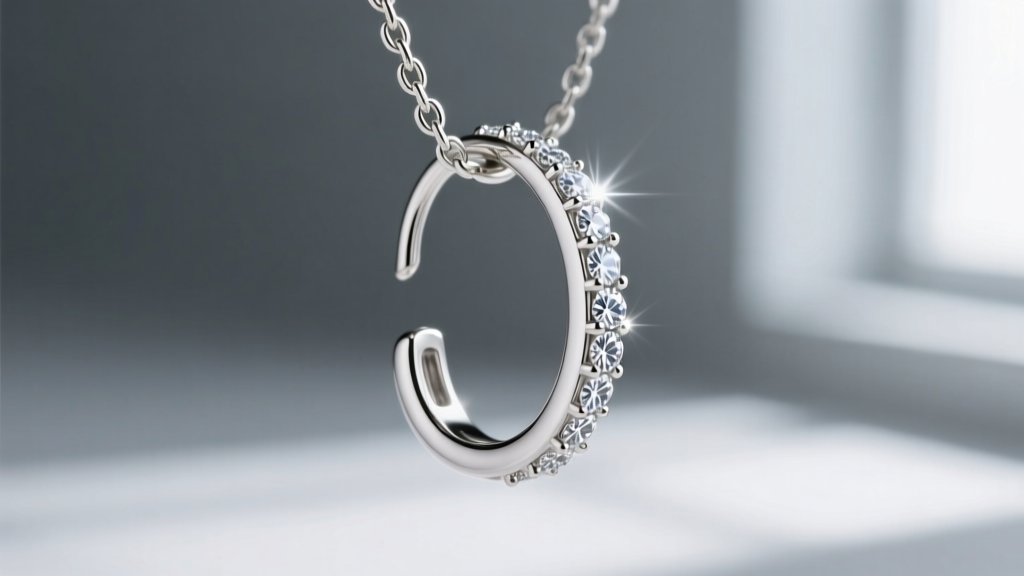
Gemstone Properties: Maximizing the Sparkle Factor
The term "sparkle" in gemology is a combination of brilliance (white light return) and fire (the dispersion of light into spectral colors). When a dangle earring swings, the angle of light hitting the stone changes rapidly. To maximize this effect, you must select gemstones with a high Refractive Index (RI) and ensure they are cut to precise proportions.
Refractive Index (RI) and Dispersion
According to the GIA Gem Encyclopedia, a diamond has an RI of 2.42, which is the benchmark for brilliance. However, modern lab-grown alternatives have shifted the landscape. Moissanite boasts an RI of 2.65 and more than double the dispersion (fire) of a diamond, making it exceptionally sparkly in motion. Cubic Zirconia (CZ) sits at an RI of 2.15; while it offers excellent initial brilliance, it lacks the fiery dispersion of moissanite and is prone to scratching and clouding over time due to its lower Mohs hardness (8.0 vs. Diamond's 10).
Top Gemstones for Dangles in 2026
- Lab-Grown Diamonds: The dominant choice for 2026. They allow for larger carat weights (2ct to 5ct total weight) necessary for dramatic dangles without the prohibitive cost of mined stones, keeping the earrings within the comfortable weight limit.
- Moissanite: The ultimate "sparkle" stone. Its high dispersion means it throws rainbow flashes even in low-light environments, perfect for evening dangles.
- White Sapphire: A natural, durable alternative (Mohs 9), but with a lower RI (1.77). To achieve the same visual footprint and sparkle as a diamond, white sapphires must be cut with a larger table and deeper pavilion, which adds unwanted weight to a dangle earring.
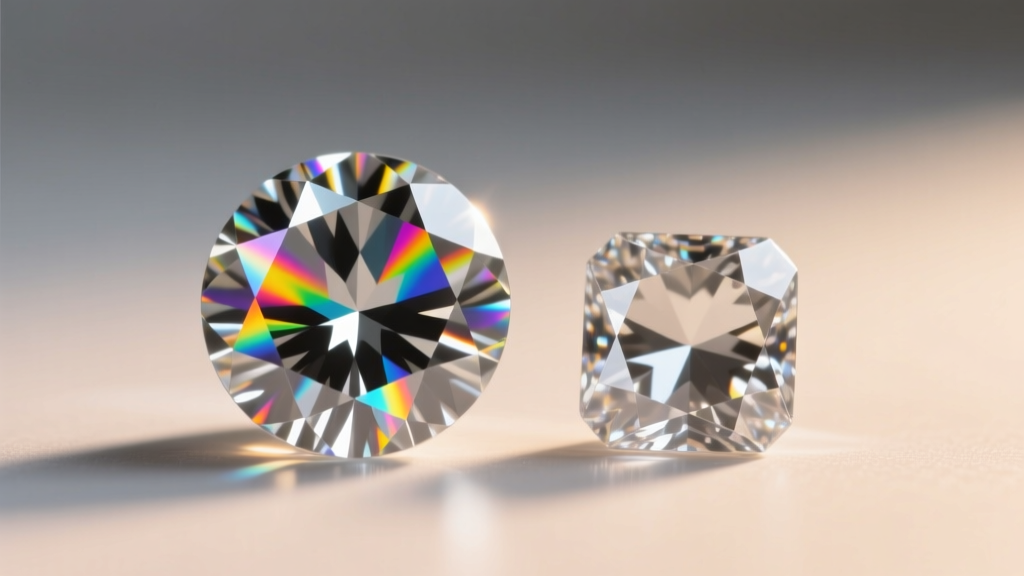
Structural Integrity: Prongs, Links, and Ear Wires
A beautiful gemstone is useless if the earring's structural components fail. Dangle earrings endure significantly more mechanical stress than studs. The connections between the ear wire, the links, and the gemstone settings are the most common points of failure.
Wire Gauge and Ear Findings
The ear wire must support the weight of the dangle without bending out of shape. A standard 22-gauge (0.64mm) wire is too weak for any dangle exceeding 4 grams. You should insist on 20-gauge (0.81mm) or 19-gauge (0.91mm) wire for the ear hook. Furthermore, the type of finding matters. While French wires (fishhooks) are elegant, they offer zero security for heavy, valuable dangles. A leverback closure, which features a hinged clasp that snaps securely into a catch, is mandatory for any sparkly dangle earring containing high-value gemstones.
Setting Types for Impact Resistance
Because dangles swing freely, they are highly susceptible to impacting hard surfaces like car doors, phones, and mirrors. Traditional four-prong settings leave the girdle (the widest edge) of the stone exposed. For pear, marquise, or trillion cuts often used in dangles, V-prongs at the pointed tips are essential to prevent chipping. Alternatively, a bezel setting completely encircles the gemstone in metal, offering maximum protection, though it slightly reduces the light entry and overall sparkle compared to prong settings.
Expert Verdict: Building Your Perfect Pair
Designing or purchasing the perfect pair of sparkly dangle earrings requires balancing three variables: weight, brilliance, and security. For everyday wear, opt for 14k white gold leverback dangles featuring 1 to 2 carats total weight of lab-grown diamonds or moissanite, utilizing 20-gauge ear wires. This combination ensures the earrings remain lightweight enough to prevent earlobe stretching, bright enough to catch the light with every movement, and structurally sound enough to withstand daily life. Always verify metal hallmarks and gemstone certifications, adhering to the guidelines set forth by the FTC Jewelry Guides, to ensure you are getting the exact materials you are paying for.


