Square Stud Earrings for Guys: The Beginner's Style & Sizing Guide
Discover how to choose, size, and style square stud earrings for guys. Learn about gauge sizes, hypoallergenic metals, and face-shape matching.

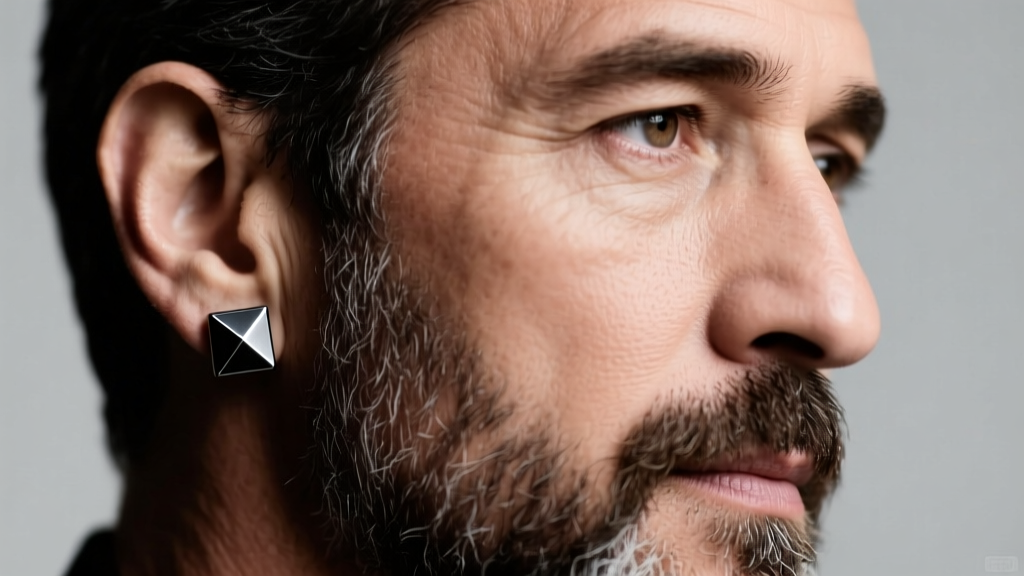
The Appeal of Geometric Minimalism
When it comes to men's jewelry, the transition from basic hoops or round diamonds to more structured, geometric shapes marks a significant upgrade in personal style. Square stud earrings for guys offer a sharp, masculine alternative to traditional round brilliants. The clean lines and right angles of a square stud project confidence and modern minimalism, making them incredibly versatile for both professional environments and casual weekend wear. However, buying your first pair of square studs involves more than just picking a design off a shelf. Understanding the underlying mechanics of body jewelry—from post gauges and metallurgical grades to backing mechanisms—is crucial to ensuring comfort, longevity, and skin health. This beginner-friendly explainer will walk you through the exact specifications you need to know before making your purchase in 2026 and beyond.
Decoding the Specs: Gauge, Post Length, and Dimensions
The most common mistake beginners make is ignoring the physical dimensions of the earring post and the visual weight of the stud itself. Men's ear piercings vary wildly in size depending on whether they were done with a standard piercing gun (which we strongly advise against) or a professional hollow piercing needle. Furthermore, the visual impact of a square stud changes dramatically based on its millimeter width.
| Specification | Standard Measurement | Best Use Case for Men |
|---|---|---|
| 20 Gauge (20G) | 0.81mm thickness | Standard lobe piercings; delicate, subtle square studs (3mm-4mm). |
| 18 Gauge (18G) | 1.02mm thickness | Most common professional needle piercing size; ideal for 4mm-6mm studs. |
| 16 Gauge (16G) | 1.29mm thickness | Cartilage (helix/tragus) or thicker lobes; supports heavier 6mm-8mm squares. |
| 14 Gauge (14G) | 1.63mm thickness | Stretched lobes or bold statement pieces; requires custom square jewelry. |
For the actual square face of the earring, proportion is everything. A 4mm square stud is highly discreet, perfect for conservative offices or guys who want a subtle hint of metal. A 6mm square stud is the gold standard for men—it provides enough surface area to showcase the geometric shape without overwhelming the earlobe. Anything 8mm or larger crosses into statement territory and is best suited for streetwear aesthetics or secondary cartilage piercings.
Material Grades: Avoiding the 'Green Ear' and Allergic Reactions
The metal touching your skin is arguably the most critical factor in your purchase. The jewelry market is flooded with misleading terms like 'surgical steel' or 'hypoallergenic plating,' which often lead to contact dermatitis. According to the Mayo Clinic, nickel allergy is one of the most common causes of allergic contact dermatitis, and many cheap men's earrings contain hidden nickel alloys.
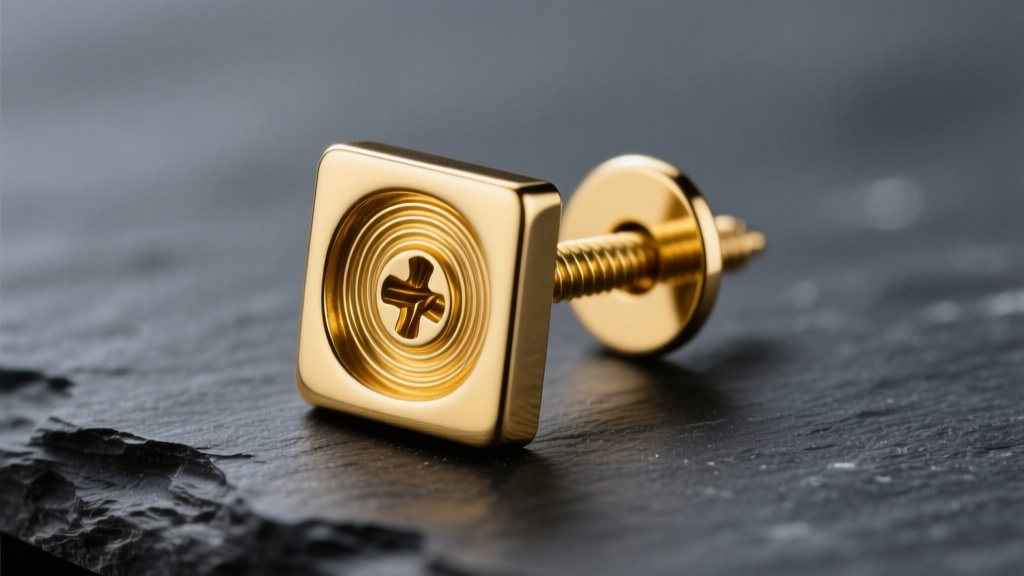
The Gold Standard: Implant-Grade Titanium
If you have sensitive skin or are getting a fresh piercing, you must look for ASTM F136 implant-grade titanium. This specific alloy is completely nickel-free and is the exact material used in medical joint replacements. The Association of Professional Piercers (APP) universally recommends ASTM F136 titanium for initial piercings and sensitive lobes. It will not tarnish, turn your skin green, or react to sweat and cologne.
Solid Gold vs. Gold Plated
For a premium look, solid 14k or 18k gold is exceptional. The Gemological Institute of America (GIA) notes that 14k gold (58.5% pure gold) offers a superior balance of rich color and structural durability compared to softer 24k gold. However, you must strictly avoid 'gold-plated' or 'gold-vermeil' square studs for daily wear. The friction of putting on shirts, helmets, or hats will eventually wear through the microscopic gold layer, exposing the brass or copper base metal underneath, which rapidly oxidizes and causes severe skin irritation.
The 'Surgical Steel' Myth
Many brands market 316L stainless steel as 'surgical' and therefore safe. While 316L is highly durable and affordable (often priced between $15 and $30), it does contain trace amounts of nickel. If you have a known metal sensitivity, 316L steel will likely cause itching and redness. Stick to titanium or solid gold to guarantee a reaction-free experience.
Face Shape & Placement: Proportions Matter
Square stud earrings for guys interact directly with facial geometry. Because squares introduce harsh angles, they can either balance or exaggerate your natural bone structure.
- Square or Angular Jawlines: If you already have a highly structured, square jaw, wearing large, sharp square studs can make your features look overly rigid. Opt for smaller 4mm square studs, or choose square studs with slightly beveled, rounded edges to soften the overall aesthetic.
- Round or Oval Faces: Sharp 6mm to 8mm square studs are incredibly flattering. The geometric angles of the earring provide a striking visual contrast to softer facial curves, adding a masculine edge and structural definition to your profile.
- Placement: For standard lobe piercings, the stud should sit dead-center on the lower lobe. If you are utilizing a cartilage piercing (like the helix or tragus), a smaller 3mm-4mm square stud is necessary to accommodate the tighter anatomical folds of the upper ear.
Backing Mechanisms: Why Friction Backs Fail
The backing of your earring dictates both its security and its hygiene. Most cheap jewelry comes with standard 'butterfly' friction backs. These rely on a small metal groove on the post to hold the backing in place. They are notoriously difficult to clean, harbor dead skin and bacteria, and frequently fall off when snagged on a towel or hoodie.
For men's jewelry, upgrading the backing mechanism is a non-negotiable step for long-term wear. Look for these two superior alternatives:
- Internally Threaded Screw Backs: The threading is on the backing itself, not the post. This means the smooth post slides through your piercing without scraping the tissue, and the backing screws on securely. It requires a bit of dexterity to fasten but will never fall off accidentally.
- Threadless (Push-Pin) Backings: The modern standard in high-end body jewelry. The post has a slight bend to it, and you push it into the hollow backing. The tension creates a remarkably secure lock that is incredibly easy to insert and remove, making it the top choice for guys who frequently swap out their square studs.
Daily Maintenance and Troubleshooting
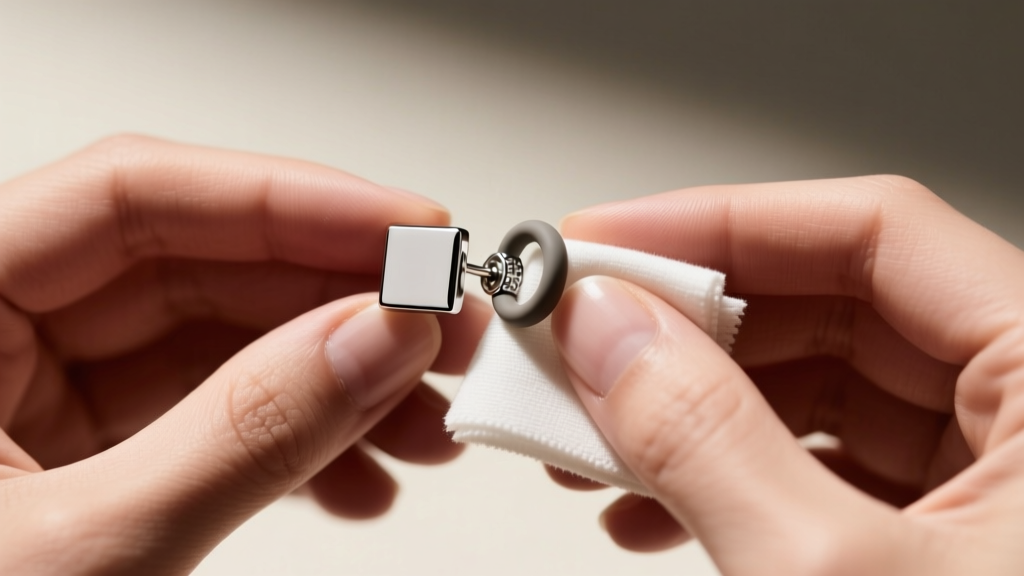
Maintaining the sharp, reflective edges of a square stud requires minimal but consistent effort. Because square shapes have distinct corners, they tend to catch on hair and fabrics more than round studs. Always put your earrings in after you have styled your hair and put on your shirt to avoid snagging the backing.
To clean your square studs, remove them once a week. Use a few drops of mild, fragrance-free dish soap and warm water. Gently scrub the corners of the square face and the post with a soft-bristled baby toothbrush. This removes the microscopic buildup of sebum, dead skin, and hair products that dull the metal's finish. Dry them completely with a microfiber cloth before reinserting. If you experience any tenderness or a 'cheese-like' odor from the piercing hole, switch immediately to a sterile saline wound wash and downsize to a lightweight 4mm titanium square stud until the tissue recovers. By prioritizing precise gauge sizing, biocompatible metals like ASTM F136 titanium, and secure threadless backings, your square stud earrings will remain a permanent, trouble-free staple in your daily rotation.


