How to Store Stud Earrings to Preserve Your Curated Ear Stack
Learn how to store stud earrings to protect micro-pave gems, prevent post bending, and preserve your curated ear stack with expert material guides.

The Evolution of Stud Storage in the Era of Curated Ear Stacks
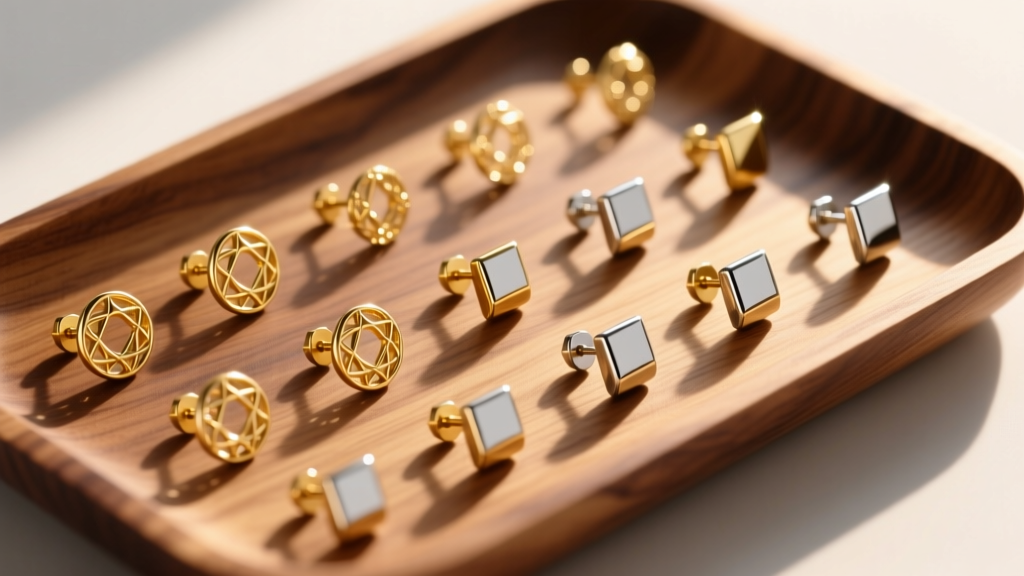
Understanding how to store stud earrings properly is no longer just about keeping your nightstand tidy; it is an essential practice for preserving the integrity and aesthetic of your curated ear stack. The modern jewelry landscape has shifted dramatically from single-lobe piercings to intricate "ear constellations" featuring five to seven carefully placed studs per ear. This means the average jewelry enthusiast now owns anywhere from 15 to 30 individual high-end studs, ranging from 14k solid gold threadless ends to ASTM F136 implant-grade titanium basics.
Standard jewelry boxes with large, open compartments are fundamentally flawed for this trend. When multiple studs are tossed into a single drawer, the diamond micro-pave of one earring will inevitably scratch the high-polish dome of another. Furthermore, the delicate posts of trending minimalist studs are highly susceptible to bending and warping. To maintain the pristine condition of your collection and protect your financial investment, you must adopt a material-specific, gauge-aware storage strategy.
Material-Specific Storage Protocols
Different metals and gemstone settings react uniquely to environmental factors like humidity, oxygen, and friction. According to the Gemological Institute of America (GIA), proper storage is the first line of defense against gemstone abrasion and metal tarnishing. Below is a breakdown of how to handle the most popular materials in contemporary ear curation.
| Material Grade | Primary Vulnerability | Ideal Storage Environment |
|---|---|---|
| ASTM F136 Titanium | Scratching from harder gems; anodized color fading | Individual polyethylene pouches, away from direct UV light |
| 14k / 18k Solid Gold | Prong catching on fabrics; threadless pin tension loss | High-density foam slots or silicone travel pillows |
| Sterling Silver (925) | Rapid oxidation and sulfur-induced tarnishing | Airtight zip bags with 3M anti-tarnish strips |
| Vitreous Enamel | Chipping and cracking from impact or temperature shock | Padded, individual hard-shell compartments |
For enamel pieces, which have seen a massive resurgence in 2026 ear stacks, temperature fluctuations can cause the glass-like coating to separate from the gold base. Never store enamel studs in a bathroom where hot showers create rapid humidity and temperature spikes.
Gauge Sizes and Backing Mechanics: Preventing Post Bending
The structural integrity of your earring post dictates its storage needs. Standard commercial earrings typically use 20-gauge (0.81mm) or 18-gauge (1.02mm) posts. However, premium body jewelry brands like BVLA or Maria Tash frequently utilize 16-gauge (1.29mm) or even 14-gauge (1.63mm) posts for both lobes and cartilage to ensure stability and reduce the "cheese-cutter" effect.
Threadless vs. Internally Threaded Storage
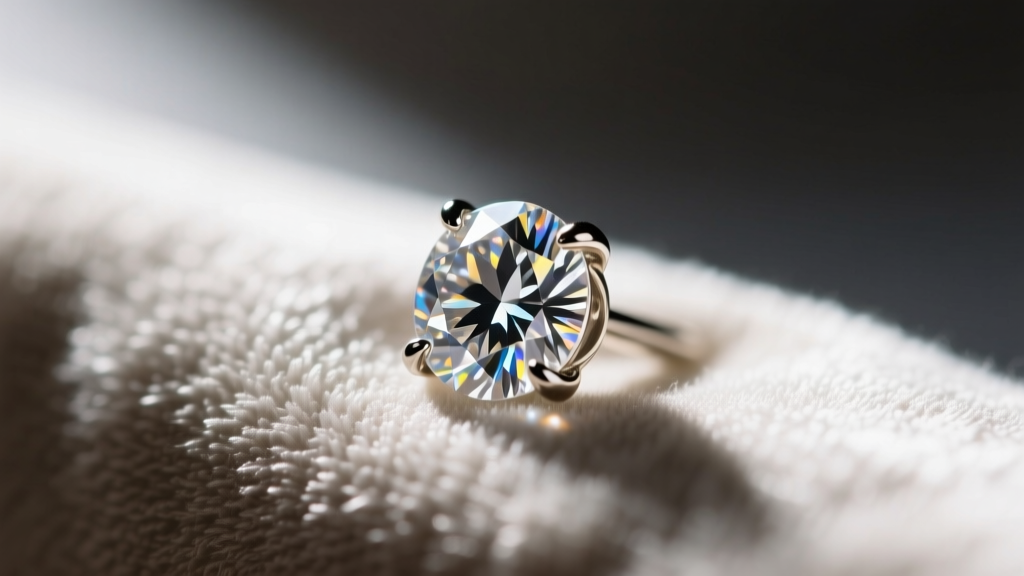
Threadless (push-pin) jewelry relies on a slight bend in the pin to create tension against the inside of the post. If you store threadless studs unassembled, the 14k or 18k gold decorative ends—which can cost between $150 and $400 each—are at a massive risk of being lost in the bottom of a drawer. Always store threadless jewelry fully assembled. If you must store them apart, use a specialized silicone earring pillow that features tiny slits to grip both the post and the decorative end securely.
Internally threaded studs, where the screw is on the decorative end rather than the post, are safer for the piercing but vulnerable during storage. Forcing an internally threaded post into a tight, fabric-lined jewelry box slot can strip the microscopic threads. Always store these in open-top foam slots where the post can slide in without lateral friction.
Anti-Tarnish and Anti-Scratch Solutions
The chemical environment inside your storage container is just as critical as the physical padding. Many collectors make the fatal mistake of using cheap plastic organizers made from PVC (polyvinyl chloride). As PVC degrades, it releases sulfur-containing gases that will rapidly tarnish sterling silver and dull the polish on white gold.
"Always opt for polyethylene or polypropylene plastics for jewelry storage. These materials are chemically inert and will not off-gas harmful compounds that accelerate metal oxidation."
To create an optimal microclimate for your silver and white gold studs, line your storage drawers with Pacific Silvercloth or place a 3M Silver Protector strip inside each compartment. These strips absorb airborne sulfides and can protect metals for up to 12 months. For added moisture control, include a small, rechargeable silica gel canister in your main storage drawer to keep ambient humidity below 40%, a threshold recommended by the James Allen Jewelry Care Guide for preserving gemstone brilliance.
The Travel Stack: Secure Transit for High-End Studs
Traveling with a curated ear stack presents unique logistical challenges. Tossing your daily studs into a ziplock bag guarantees tangled posts and lost backings. The industry standard for travel is a compact, hard-shell leather case equipped with a high-density silicone earring pillow.
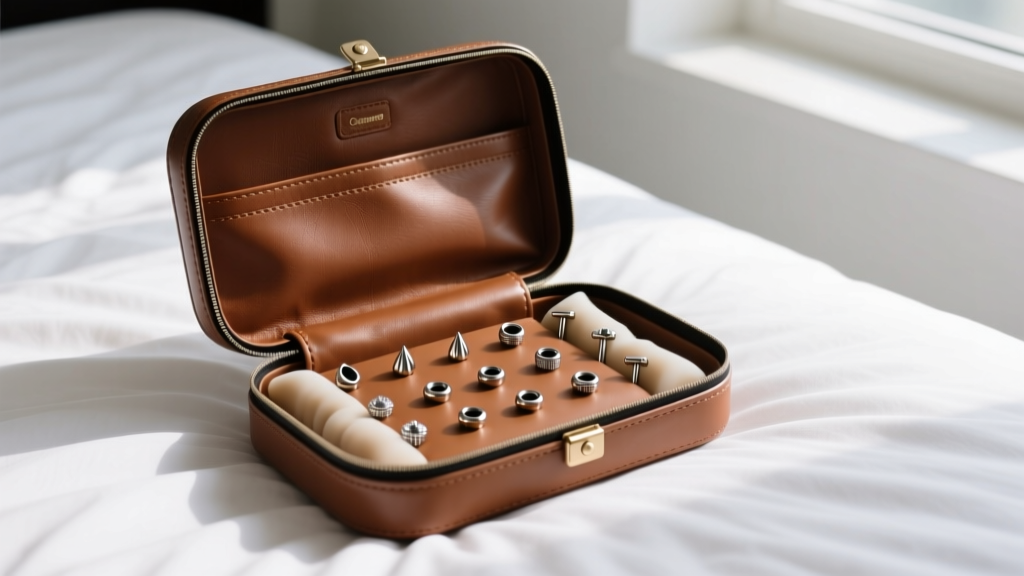
Silicone pillows are vastly superior to traditional foam or fabric rolls because the non-porous material grips the earring posts tightly via friction, preventing them from slipping out during transit. When packing for a flight, always remove your threadless ends from their posts and push them directly into the silicone pillow. The tension of the silicone will hold the tiny gold ends far more securely than a fabric pouch, ensuring you don't lose a $300 sapphire cluster somewhere over the Atlantic.
Common Storage Mistakes That Ruin Trending Studs
Even seasoned collectors fall victim to bad habits that degrade their jewelry over time. Avoid these critical failure modes:
- The "Pincushion" Method: Stabbing earrings through a piece of cardboard or fabric. This introduces paper dust and fibers directly into the post mechanism, which can harbor bacteria and ruin the finish of the metal.
- Storing with Butterfly Backs Attached: Traditional friction butterfly backs trap dead skin cells, sebum, and moisture against the post. If stored this way for months, the buildup will harden, making the backing nearly impossible to remove without pliers, which can easily crush a delicate 20g post.
- Magnetic Closures: Some modern jewelry boxes use hidden magnets in the lids. If your studs contain nickel (common in lower-grade white gold alloys), prolonged exposure to magnetic fields can cause minor structural stress or attract microscopic metallic dust from the environment.
- Ultrasonic Overkill: While not a storage method per se, placing freshly ultrasonically cleaned studs directly into a closed container without fully drying them traps water against the prongs, leading to hidden corrosion over time.
By treating your stud collection with the same level of care as a horologist treats luxury timepieces, you ensure that every piece in your ear stack remains as brilliant and structurally sound as the day it was pierced. Proper storage is the ultimate, unseen foundation of flawless personal style.