Stud Earrings 4mm: The Ultimate Material Comparison
Compare top metals for stud earrings 4mm. Discover the best materials for sensitive ears, including titanium, gold, and steel, with pricing and gauge tips.

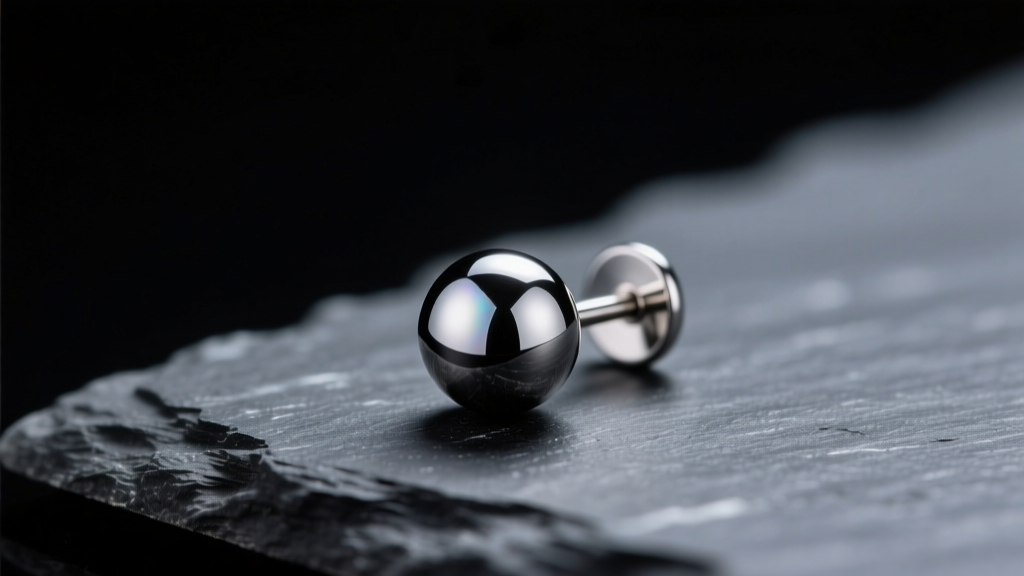
When it comes to everyday ear jewelry, the 4mm stud is the undisputed champion of versatility. Roughly equivalent to a 0.25-carat diamond solitaire, a 4mm silhouette is large enough to catch the light but compact enough to sit flush in a helix, tragus, or secondary lobe piercing without snagging on hair or clothing. However, the visual appeal of a stud is only half the equation. The metallurgical composition of the post and setting dictates whether your piercing will heal seamlessly or become a chronic source of irritation.
In this comprehensive guide, we dissect the material properties of the most common metals used for stud earrings 4mm, evaluating them on biocompatibility, structural integrity, and long-term wearability. Whether you are navigating a fresh cartilage piercing or managing severe contact dermatitis, understanding these material grades is essential for making an informed purchase.
The Biocompatibility Hierarchy: Metal Grades Explained
Not all metals are created equal, especially when introduced to the micro-abrasions of a healed or healing fistula (the piercing channel). The Association of Professional Piercers (APP) maintains strict guidelines regarding which metals are safe for long-term internal wear. According to the APP biocompatibility standards, only specific elemental metals and alloys should be trusted against the skin.
Implant-Grade Titanium (ASTM F136)
Titanium is the gold standard for sensitive ears and fresh piercings. However, you must look specifically for ASTM F136 compliant Ti6Al4V (Titanium-6Aluminum-4Vanadium). This specific alloy is used in medical implants like pacemakers and joint replacements. It is entirely nickel-free, highly resistant to corrosion from bodily fluids, and exceptionally lightweight. A 4mm titanium stud will weigh a fraction of a gram, reducing the downward drag on delicate cartilage tissue. Expect to pay between $25 and $60 for a high-quality, internally threaded or threadless titanium 4mm stud from reputable body jewelry brands.
Niobium: The Elemental Alternative
Niobium is a highly malleable, elemental metal that is not alloyed with other elements, meaning there is zero risk of hidden nickel or copper impurities. While slightly heavier than titanium, niobium is completely inert and can be anodized to produce vibrant colors without the use of toxic dyes or platings. The primary drawback of niobium is its softness; a 4mm niobium ball stud may scratch more easily than titanium or steel if subjected to heavy friction.
Solid Gold (14k vs. 18k) and the Alloy Trap
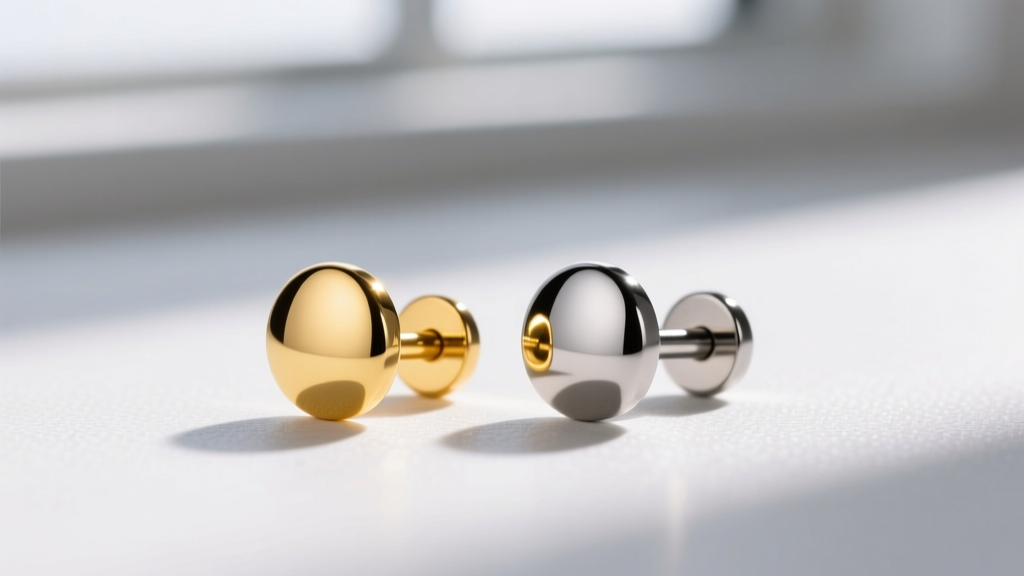
Pure 24k gold is too soft for jewelry, so it must be alloyed. This is where many consumers run into trouble. According to the Gemological Institute of America (GIA), 14k gold contains 58.5% pure gold, while 18k contains 75%. The remaining percentage consists of metals like copper, zinc, silver, and sometimes nickel. White gold is particularly problematic for sensitive ears, as it is frequently alloyed with nickel to achieve its silvery hue. For 4mm studs, always opt for 14k or 18k yellow or rose gold, or ensure the white gold is explicitly alloyed with palladium (a platinum group metal) instead of nickel. High-quality solid gold 4mm studs typically range from $80 to $250.
Platinum: The Dense Heavyweight
Platinum (specifically Pt950, which is 95% pure platinum and 5% ruthenium or iridium) is the ultimate hypoallergenic luxury metal. It is incredibly dense (21.45 g/cm³ compared to titanium's 4.43 g/cm³), meaning a 4mm platinum stud will feel noticeably heavier on the ear. It will not tarnish, fade, or cause allergic reactions. However, its high material cost pushes the price of a simple 4mm platinum ball stud well past the $350 mark, making it a niche choice for fine jewelry collectors.
Material Showdown: Weight, Hardness, and Cost
To visualize how these metals compare in a real-world scenario, review the data table below. The Vickers Hardness (HV) scale indicates how well the metal resists scratching and deformation during daily wear.
| Metal Grade | Density (g/cm³) | Vickers Hardness (HV) | Nickel-Free? | Avg. Price (4mm Stud) |
|---|---|---|---|---|
| Surgical Steel (316L) | 8.00 | 150 - 200 | No (Trace amounts) | $10 - $25 |
| Titanium (ASTM F136) | 4.43 | 330 - 360 | Yes | $25 - $60 |
| Niobium (99.9%) | 8.57 | 60 - 100 | Yes | $20 - $45 |
| 14k Yellow Gold | 13.00 | 130 - 170 | Usually Yes | $80 - $150 |
| 18k Yellow Gold | 15.50 | 110 - 130 | Usually Yes | $120 - $250 |
| Platinum (Pt950) | 21.45 | 110 - 135 | Yes | $350 - $600+ |
Notice that while Surgical Steel (316L) is the cheapest and relatively hard, it contains trace amounts of nickel bound within the alloy. While safe for fully healed, non-sensitive lobes, it is not recommended for fresh piercings or individuals with known contact dermatitis.
Post Gauge and Threading: The Hidden Material Factors
The material of the decorative 4mm top is only half the battle; the post that passes through your anatomy is equally critical. The gauge (thickness) of the post must match your piercing to prevent the 'cheese-cutter effect,' where a thin post migrates through the tissue.
- 20-Gauge (0.81mm) & 18-Gauge (1.0mm): Standard for traditional earlobe piercings. Most commercial fashion jewelry uses 20G or even 22G, which can be too flimsy for secure cartilage wear.
- 16-Gauge (1.2mm) & 14-Gauge (1.6mm): The standard for professional cartilage piercings (helix, tragus, conch). If you are buying a 4mm stud for a cartilage piercing, ensure the post is at least 16G to provide structural stability.
The Superiority of Threadless (Push-Pin) Mechanics
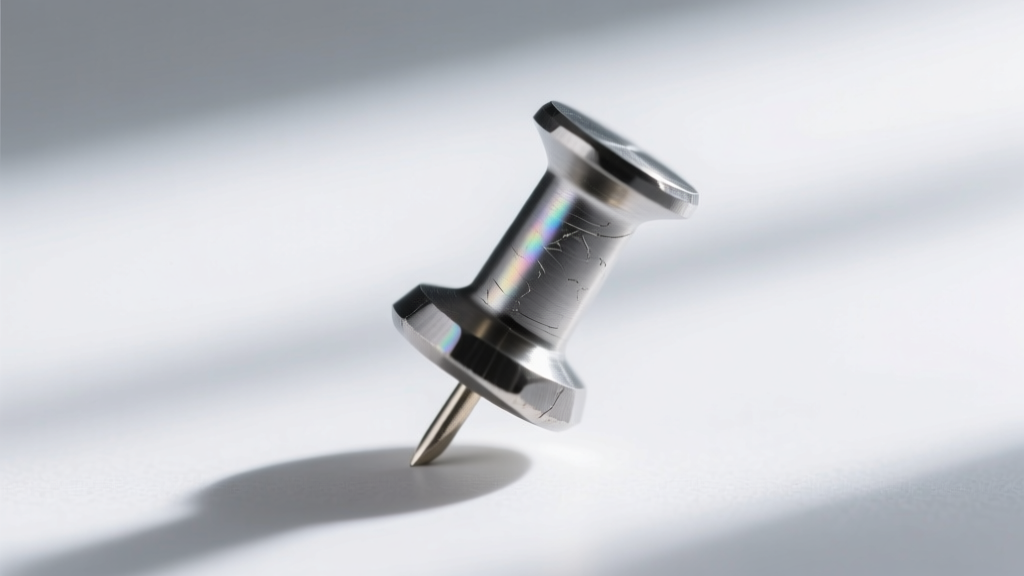
When shopping for high-end 4mm studs, avoid externally threaded jewelry (where the screw threads are on the post itself). Forcing thick threads through a fistula causes micro-tears. Instead, look for internally threaded posts or, ideally, threadless (push-pin) systems. Threadless titanium posts feature a smooth, continuous shaft with a slightly bent pin that inserts into a hollow receiving tube. The tension of the bent metal holds the 4mm top securely in place without the need for screwing, making insertion painless and eliminating the risk of losing your jewelry if it catches on a sweater.
Real-World Troubleshooting: Reactions and Tarnish
Even with high-quality metals, environmental factors can alter how your 4mm studs perform over time. Here is how to troubleshoot common material-related issues:
The 'Green Skin' Phenomenon
If the skin behind your earlobe turns green or black, you are likely wearing rose gold or lower-karat yellow gold. Rose gold achieves its pink hue through a high copper content. When copper reacts with the acids in your sweat or the lotions you apply, it creates copper chloride, which stains the skin. This is not an allergy, but a chemical reaction. Fix: Switch to 18k gold (which has less copper than 14k) or platinum, and remove your studs before swimming in chlorinated pools.
Allergic Contact Dermatitis
If your piercing becomes itchy, red, and begins to weep clear fluid, you are experiencing an allergic reaction, almost certainly to nickel. Nickel allergies can develop over time, even if you previously tolerated surgical steel. Fix: Immediately remove the jewelry and switch to unalloyed Niobium or ASTM F136 Titanium. Cleanse the area with sterile saline solution twice daily until the inflammation subsides.
Galvanic Corrosion
If you mix metals in the same ear—for example, a titanium 4mm stud in your lobe and a sterling silver hoop in your cartilage—saliva, sweat, or shower water can act as an electrolyte, creating a microscopic galvanic battery. This accelerates the tarnishing of the silver and can cause localized irritation. Fix: Keep your jewelry metals uniform across a single ear, or ensure you thoroughly dry your ears after showering to break the electrolyte bridge.
Final Verdict: Which Metal Should You Choose?
Selecting the right material for your stud earrings 4mm depends entirely on your anatomical needs and budget. If you are purchasing jewelry for a fresh cartilage piercing or suffer from chronic metal sensitivities, ASTM F136 Titanium is the undisputed winner, offering medical-grade safety at an accessible price point. For those looking to invest in luxury fine jewelry for fully healed lobes, 14k or 18k Yellow Gold provides timeless warmth and excellent resale value, provided you verify the alloy composition with the jeweler. Avoid surgical steel for anything other than temporary, casual wear in fully healed, non-sensitive piercings, and always prioritize threadless or internally threaded posts to protect your fistula from mechanical trauma.


