A Beginner's Guide to Buying Gold Earrings With Diamonds
Learn how to choose your first pair of gold earrings with diamonds. Expert tips on gold karats, diamond 4Cs for studs, settings, and real pricing.

Why Gold Earrings With Diamonds Are the Ultimate Starter Piece
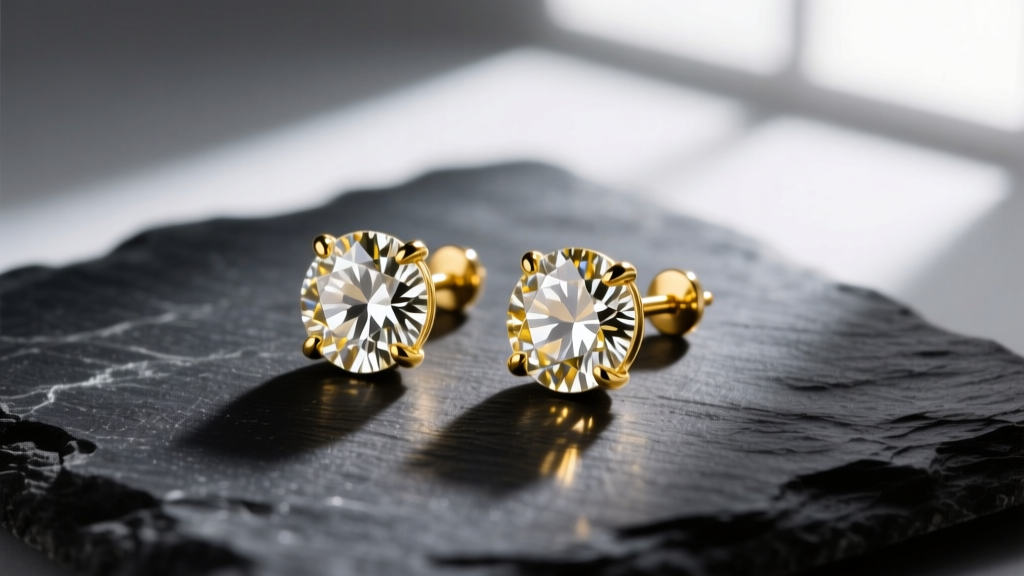
Stepping into the world of fine jewelry can feel overwhelming, especially when navigating the intersection of precious metals and gemstones. For many, purchasing their first pair of gold earrings with diamonds is a major milestone. Whether you are buying them as a gift for a teenager's 16th birthday, treating yourself to mark a career promotion, or simply upgrading from costume jewelry to everyday fine pieces, diamond and gold earrings offer unmatched versatility. They transition seamlessly from a corporate boardroom to a weekend brunch, providing a subtle sparkle that elevates any outfit.
However, the jewelry market is saturated with options ranging from $100 mall-kiosk specials to $10,000 luxury boutique investments. As a beginner, how do you ensure you are getting genuine quality without overpaying for specs you cannot see? This guide breaks down the exact metallurgy, gemology, and pricing structures you need to know to make a confident, informed purchase in 2026.
Decoding the Gold: 14K vs. 18K for Everyday Wear
Pure 24-karat gold is far too soft for everyday jewelry; it will bend, scratch, and eventually lose its grip on your diamonds. Therefore, gold is alloyed with other metals like copper, zinc, and silver to increase durability. When shopping for gold earrings with diamonds, you will primarily encounter two standards: 14K and 18K. According to the Gemological Institute of America (GIA), the karatage dictates both the color and the structural integrity of the piece.
| Feature | 14K Gold (58.5% Pure Gold) | 18K Gold (75% Pure Gold) |
|---|---|---|
| Durability | Highly durable; resists scratching and bending. | Softer; more prone to surface scratches over time. |
| Color | Slightly paler yellow; excellent for white gold. | Rich, warm, deep yellow hue. |
| Allergy Risk | Higher risk if alloyed with nickel (check for nickel-free). | Lower risk; generally hypoallergenic. |
| Best For | Active lifestyles, secure prong settings, budget-conscious buyers. | Heirloom pieces, rich color preference, sensitive earlobes. |
Expert Tip: If you are opting for white gold, remember that both 14K and 18K white gold are alloyed with white metals and plated with rhodium to achieve a bright, silvery finish. Over time, this plating wears off, revealing a slightly yellowish undertone. You will need to budget for a professional rhodium re-plating every 12 to 18 months to maintain that crisp white look.
Diamond Specs for Small Earrings: Where to Save and Where to Splurge
The diamond industry relies on the 4Cs (Cut, Color, Clarity, Carat), but the rules change dramatically when dealing with the smaller stones typically used in starter earrings. When buying a 1-carat engagement ring, every fraction of a clarity grade matters. For a pair of 0.25-carat total weight (ctw) diamond studs, strict adherence to high grades is a waste of money.
The 'Naked Eye' Sweet Spot
Because earrings sit on the side of your face and are viewed from a distance, you can safely downgrade your Color and Clarity grades without any visible compromise. The GIA's 4Cs guidelines note that inclusions in SI (Slightly Included) diamonds are often invisible without 10x magnification. For earrings under 0.50ctw, SI1 or SI2 clarity is the ultimate sweet spot. Similarly, while D-F (Colorless) diamonds command a massive premium, G or H color diamonds face up completely white to the naked eye, especially when set in yellow gold, which masks slight warmth.
Cut is Non-Negotiable
Do not compromise on the Cut grade. A poorly cut diamond will look dull and lifeless, even if it is flawless. Always look for 'Excellent' or 'Very Good' cut grades. The cut is what dictates the diamond's brilliance and fire—the exact qualities you want catching the light when you turn your head.
Lab-Grown vs. Natural in the Modern Market
As of 2026, lab-grown diamonds have completely disrupted the starter earring market. Chemically, physically, and optically identical to mined diamonds, lab-grown stones allow beginners to purchase a 1.00ctw pair for the price of a 0.30ctw natural pair. If your goal is maximum visual impact on a beginner's budget, lab-grown gold earrings with diamonds are the undisputed champion.
Choosing the Right Setting and Backing for Security
The way the diamond is held in the gold, and the way the earring is held to your ear, are critical factors that beginners often overlook until they lose a stone or an earring.
Setting Styles
- 4-Prong Basket: The classic choice. It allows maximum light to enter the diamond from the sides, enhancing brilliance. However, prongs can occasionally snag on hair or sweaters.
- 3-Prong Martini: Sits flatter against the earlobe, reducing the 'droop' effect that happens with heavier diamonds. It offers a modern, minimalist profile.
- Bezel Setting: A thin rim of gold completely encircles the diamond. While it sacrifices a tiny bit of light return, it is the most secure and snag-free option available. Highly recommended for active individuals or those who sleep in their earrings.
Earring Backings: Don't Trust the Butterfly
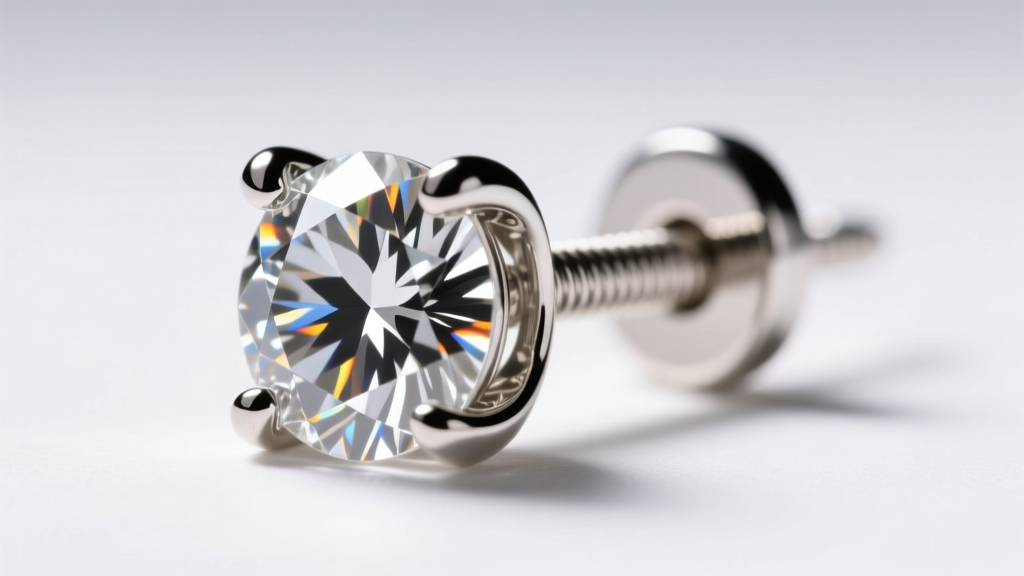
Standard 'push' or 'butterfly' friction backs are the most common, but they are also the easiest to lose. The tension in the metal wears out over time, and a stray pull on a towel can send your diamond down the drain.
- Screw Backs: The post is threaded, and the backing screws onto it. It takes an extra five seconds to put them on, but they are virtually impossible to lose accidentally.
- Locking Backs (e.g., La Poussante): These feature a mechanical locking system that clicks securely into a groove on the post. They are the gold standard for high-value diamond studs.
Real-World Pricing Guide: What Should You Actually Pay?
Pricing varies wildly based on whether you choose natural or lab-grown diamonds, and the retail markup of the brand. Below is a realistic pricing framework for 14K Gold Earrings With Diamonds in the current market, assuming G-H color and SI1 clarity.
| Total Carat Weight (ctw) | Approx. Diameter per Ear | Natural Diamond Price Range | Lab-Grown Diamond Price Range |
|---|---|---|---|
| 0.25 ctw | 3.0mm - 3.2mm | $350 - $600 | $150 - $250 |
| 0.50 ctw | 4.0mm - 4.2mm | $700 - $1,400 | $250 - $450 |
| 1.00 ctw | 5.2mm - 5.5mm | $2,000 - $4,500 | $500 - $900 |
Warning: If you are buying natural diamond earrings over 0.50ctw (total weight), always insist on a grading report from a reputable, independent laboratory like the GIA or IGI. In-house 'certificates' provided by the retailer are often inflated and inaccurate.
Final Checklist Before You Checkout
Before you finalize your purchase, run through this quick expert checklist to ensure you are getting a high-quality piece of fine jewelry:
- Verify the Gold Stamp: Ensure the product description explicitly states 14K or 18K, and look for mentions of a '585' or '750' hallmark stamp on the post.
- Check the Post Thickness: Standard earlobe piercings are usually 20-gauge (0.81mm) or 18-gauge (1.0mm). Ensure the earring posts match your piercing gauge to avoid irritation.
- Confirm the Return Policy: Fine jewelry should come with at least a 30-day return window. Diamonds look different in natural sunlight than they do under showroom LEDs; you need the option to return them if they lack the sparkle you expected.
- Ask About Aftercare: Does the retailer offer free prong tightening or rhodium re-plating? Establishing a relationship with a jeweler who offers these services will extend the life of your earrings by decades.
Buying your first pair of gold earrings with diamonds is an exciting step into lifelong jewelry appreciation. By prioritizing excellent cut quality, choosing the right karat for your lifestyle, and securing them with proper backings, you will enjoy a brilliant, durable accessory that never goes out of style.


