How to Style Chandalier Earrings: Step-by-Step Guide
Learn how to style chandelier earrings for your face shape. Step-by-step guide on lobe support, gauge sizes, and balancing heavy drops.

The Allure and Anatomy of Statement Drops
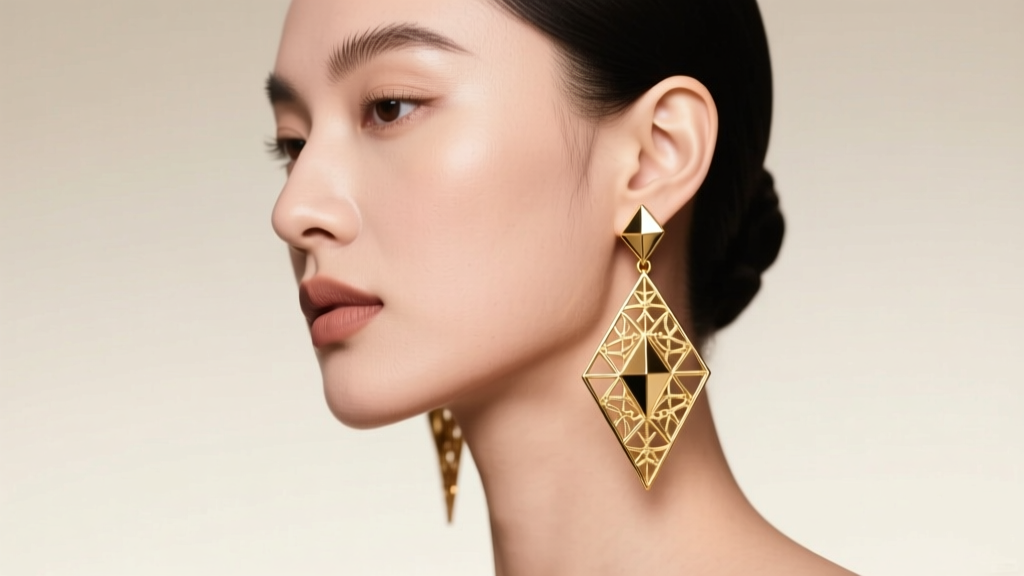
If you have found yourself searching for "chandalier earrings" (a common typo for the breathtaking chandelier style), you are not alone. These cascading, multi-tiered statement pieces are experiencing a massive resurgence in 2026, dominating both haute couture runways and everyday street style. However, the physical reality of wearing a 20-gram piece of articulated metal on a delicate earlobe requires strategic planning. Unlike standard studs that sit flush against the skin, chandelier earrings act as pendulums. Every turn of your head generates kinetic energy that pulls on the piercing fistula.
To wear these architectural marvels comfortably and safely, you must understand the intersection of material science, facial geometry, and lobe support. This step-by-step guide will teach you how to select, support, and style heavy drop earrings without sacrificing comfort or compromising your piercing health.
Step 1: Assessing Earlobe Strength & Gauge Needs
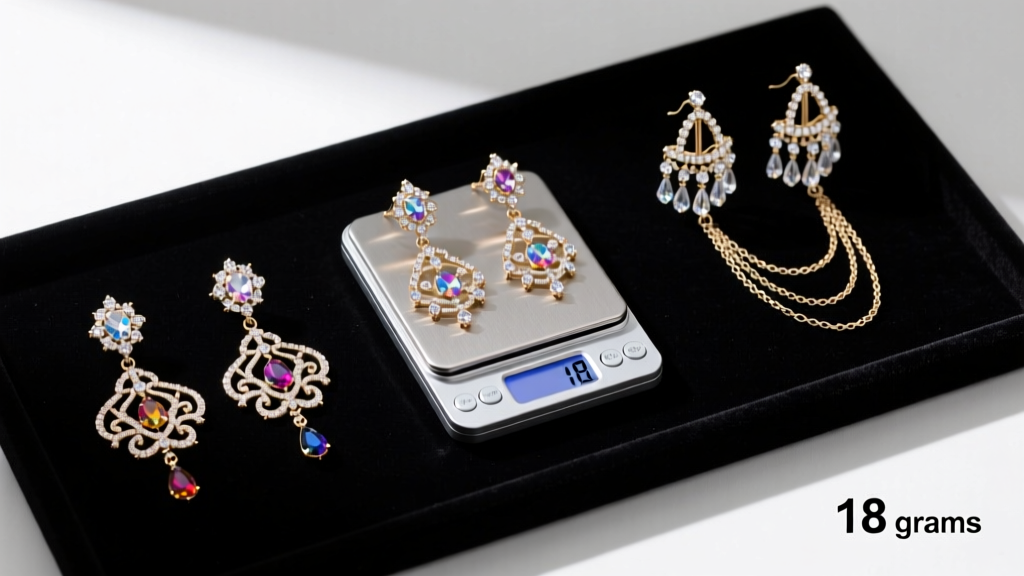
The most common mistake buyers make is ignoring the wire gauge of the earring post. Standard lobe piercings are typically done at 20G (0.81mm) or 18G (1.02mm). When a heavy chandelier earring—often weighing between 15 and 35 grams—is suspended from a thin 20G wire, it creates immense localized pressure. According to the Association of Professional Piercers (APP), this continuous downward force can lead to the "cheese-cutter effect," where the thin wire slowly migrates downward through the tissue, causing irreversible lobe thinning or tearing.
The Solution: For any chandelier earring exceeding 12 grams, seek out designs with thicker ear wires. A 16G (1.29mm) or 14G (1.63mm) french wire distributes the weight over a wider surface area of the fistula. If your favorite pair only comes with thin wires, visit a local jeweler to have the findings soldered or swapped for heavier, hypoallergenic niobium or Grade 23 titanium hooks.
Step 2: Material Selection for Weight Reduction
Not all chandelier earrings are created equal. The manufacturing technique and base material dictate the final weight. In 2026, advanced metallurgy and alternative materials have made it possible to achieve massive visual volume without the punishing weight.
- Cast Brass & Bronze: Traditional and highly detailed, but incredibly dense. A solid cast brass chandelier can easily exceed 30g per earring. Avoid these for all-day wear.
- Electroformed & Stamped Metals: These techniques create hollow or ultra-thin sheets of metal. Brands utilizing electroformed copper or brass can achieve the exact same visual footprint at roughly 30% of the weight.
- Resin & Acetate: Pioneered by luxury houses like Oscar de la Renta, resin floral and geometric drops offer massive scale while often weighing under 8g per earring.
- Grade 23 Titanium (Ti-6Al-4V): For metal purists, aerospace-grade titanium is 45% lighter than stainless steel and highly biocompatible, making it the gold standard for heavy body jewelry.
Step 3: Matching Silhouettes to Face Shapes
Chandelier earrings are powerful tools for balancing facial proportions. Because they draw the eye vertically and horizontally, choosing the wrong silhouette can exaggerate features you may want to soften. Use the framework below to identify your ideal match.
| Face Shape | Ideal Chandelier Silhouette | Styles to Avoid | Best Material Choice |
|---|---|---|---|
| Round | Angular, geometric, or elongated teardrops that add vertical length and structure. | Wide, circular hoops or short, clustered floral drops. | Lightweight stamped brass or titanium. |
| Square | Curved, oval, or soft cascading teardrops to soften a strong jawline. | Sharp, boxy geometric shapes or harsh linear drops. | Resin or acetate for soft visual weight. |
| Heart | Bottom-heavy designs or inverted triangles that add width to the lower face. | Top-heavy clusters that emphasize a wider forehead. | Hollow-form 14k gold or silver. |
| Oval | Almost any style; opt for mid-length chandeliers that maintain natural balance. | Extreme, shoulder-dusting lengths that over-elongate. | Any material based on outfit pairing. |
Step 4: The Mechanics of Lobe Support
Even with the correct gauge and lightweight materials, gravity is relentless. To maintain the elegant, forward-facing drape of a chandelier earring, you must reinforce the back of the lobe. The Gemological Institute of America (GIA) notes that heavy jewelry can permanently stretch the piercing hole over time if left unsupported.
The O-Ring & Patch Method:
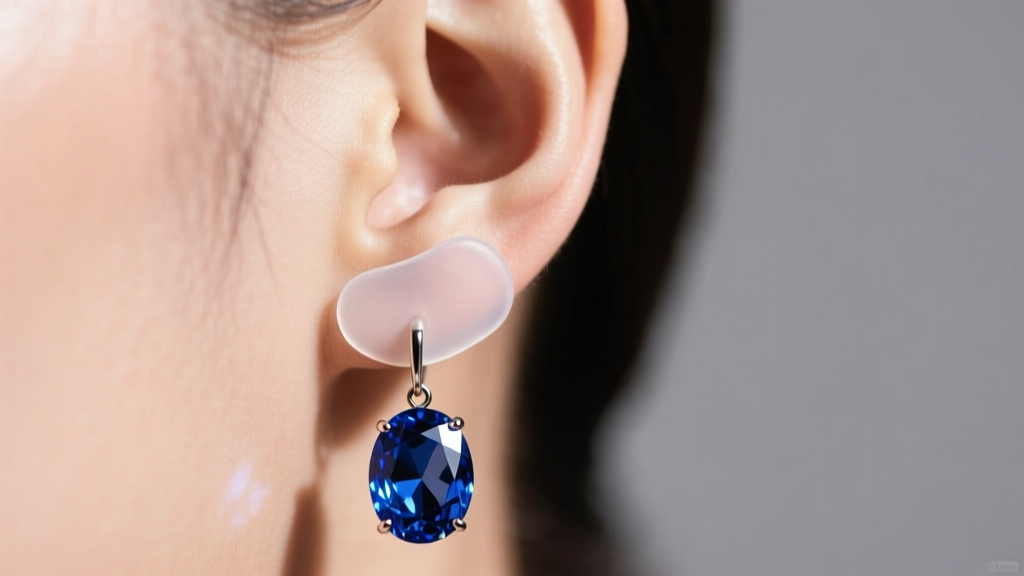
- Adhesive Silicone Patches: Products like BlingDots are medical-grade polyurethane or silicone stickers with a pre-punched hole. Apply the patch to the back of your earlobe before inserting the earring. This spreads the 25g load across a 15mm surface area, virtually eliminating lobe fatigue.
- Friction Backs vs. Screw Backs: Standard butterfly friction backs often fail under the pendulum weight of a chandelier, causing the earring to droop forward. Upgrade to LaPousette locking backs or silicone jumbo backs to keep the post perfectly horizontal.
- The Earlobe Lift: For vintage or exceptionally heavy estate chandeliers, consider a temporary "earlobe lift" using specialized cosmetic tape to anchor the top of the earring post discreetly to the side of the head.
Step 5: Balancing Your Overall Aesthetic
Styling chandelier earrings requires a minimalist approach to the rest of your jewelry and wardrobe. Because these pieces command attention, they should be the undisputed focal point of your look.
- Necklines: Pair cascading earrings with strapless, off-the-shoulder, or deep V-neck tops. High collars, turtlenecks, or ruffled blouses will visually clash with the intricate filigree and cause the metal to tangle in the fabric.
- Necklaces: The golden rule of 2026 styling is strict zone defense. If you are wearing shoulder-grazing chandeliers, skip the necklace entirely. If you must wear a pendant, choose a delicate 18-inch chain that sits well below the collarbone, far away from the earring's swing radius.
- Hair Styling: To showcase the articulation of the drops, wear your hair in a sleek low chignon, a French twist, or a sharp, tucked-behind-the-ear lob. Loose, voluminous curls will catch the earring's jump rings and clasps, leading to frustrating tangles and potential hair breakage.
Step 6: Proper Storage & Tangle Prevention
The intricate wirework and multiple jump rings of chandelier earrings make them notorious for tangling in the jewelry box. Never toss them into a communal drawer. Store each pair individually in a soft microfiber pouch or hang them from a dedicated jewelry tree with widely spaced pegs. Before storing, always fasten the ear wires to prevent the sharp tips from snagging on the delicate chains or gemstone settings of neighboring pieces. By treating these structural masterpieces with the mechanical respect they demand, you ensure they remain a comfortable, breathtaking staple in your rotation for years to come.


