How to Style, Clean, and Maintain Gold Pasta Earrings
Master the quirky luxury trend. Learn how to style, clean, and maintain 14k gold pasta earrings, from farfalle studs to hollow rigatoni drops.

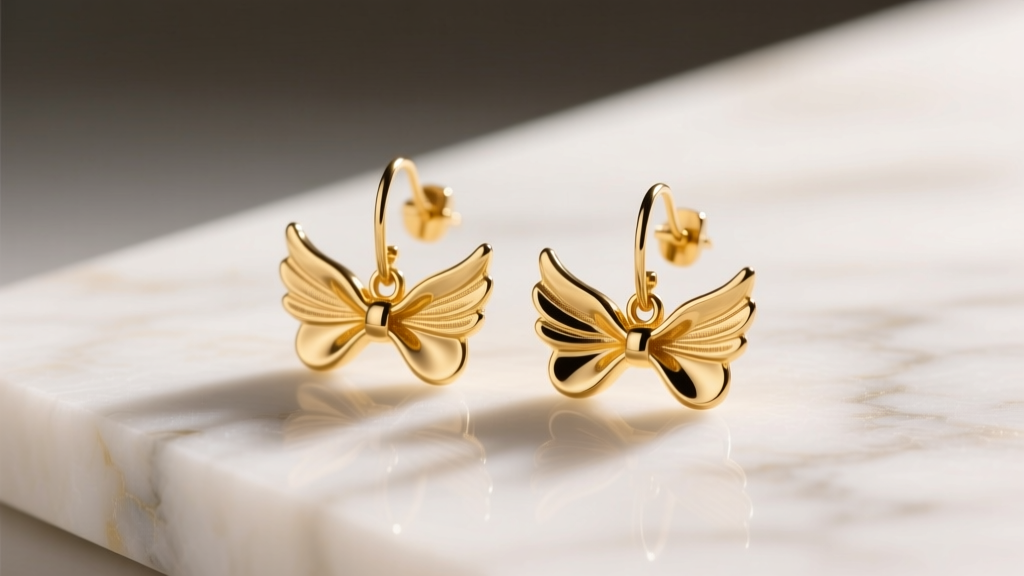
The Rise of Quirky Luxury: Why Pasta Earrings?
When high-fashion houses first began experimenting with hyper-specific, everyday objects in fine metals, it paved the way for one of the most delightful jewelry trends of the decade. By 2026, pasta earrings have firmly transitioned from a quirky runway moment to a staple in contemporary fine jewelry. Indie brands and luxury artisans are now crafting intricate farfalle (bowtie), rigatoni, and conchiglie (shell) shapes in 14k and 18k gold. However, wearing food-motif jewelry requires a nuanced understanding of metal casting, weight distribution, and specialized cleaning techniques to keep these miniature metallic sculptures looking pristine.
Unlike smooth, traditional geometric studs, pasta-shaped jewelry features deep grooves, sharp creases, and hollow tubes that trap sebum, lotions, and environmental dust. This comprehensive guide will walk you through the exact steps to maintain, style, and wear gold pasta earrings without damaging their delicate structural integrity.
Identifying Quality: Solid Cast vs. Hollow Electroformed
Before you purchase or clean your pasta earrings, you must identify how they were manufactured. The structural integrity of a gold rigatoni tube or a ruffled farfalle bowtie depends entirely on the casting method. According to the Gemological Institute of America (GIA), gold alloys behave differently depending on their karat weight and formation process, which directly impacts how you should care for them.
1. Lost-Wax Casting (Solid)
Most high-end farfalle studs and small shell huggies are created using lost-wax casting. Molten 14k gold (which contains 58.5% pure gold mixed with copper and silver for durability) is poured into a mold. These pieces are heavy, incredibly durable, and can withstand ultrasonic cleaning. The higher copper content in 14k gold makes it rigid enough to hold the sharp, pinched center crease of a farfalle shape without bending over time.
2. Electroforming (Hollow)
Oversized rigatoni drops and large fusilli (spiral) dangles are almost always electroformed. This process builds a thin shell of gold over a wax or resin core, which is later melted or dissolved away, leaving a hollow metal tube. While this allows for massive, dramatic pasta earrings that won't stretch your earlobes, hollow gold is highly susceptible to denting and crushing.
| Construction | Weight | Durability & Failure Modes | Average Price Range | Best Pasta Shapes |
|---|---|---|---|---|
| Solid Lost-Wax Cast | Heavy | High; can bend if stepped on, post may droop | $250 - $800+ | Farfalle studs, Conchiglie huggies |
| Hollow Electroformed | Very Light | Low; dents easily, cracks under ultrasonic vibration | $120 - $400 | Rigatoni drops, Fusilli dangles |
| 3D Printed / Sintered | Medium | Medium; porous surface can trap dirt permanently | $150 - $350 | Intricate Macaroni hoops |
Step-by-Step Cleaning Guide for Grooved Gold
The primary challenge with pasta earrings is that the very textures that make them visually appealing—the ridges of a rigatoni tube or the ruffled edges of a shell—are magnets for cosmetic buildup. Avoid harsh chemical dips, which can strip the polished finish from the deep crevices. Instead, follow this manual cleaning protocol recommended by experts in fine metal care, such as the Tiffany & Co. Jewelry Care Guide.
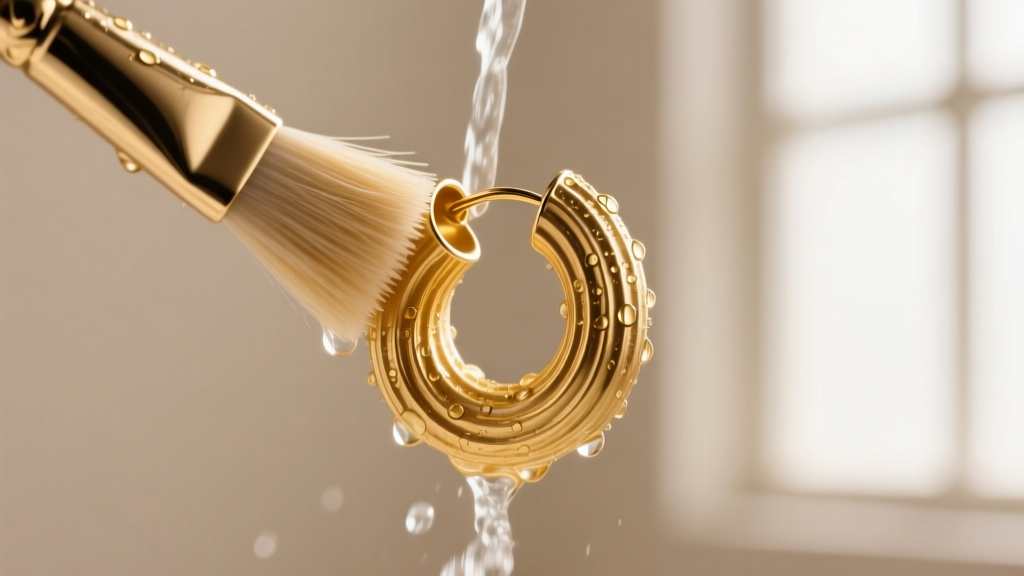
Step 1: The Gentle Soak
Fill a small glass bowl with warm (not hot) water and add three drops of mild, phosphate-free dish soap (like Dawn). Submerge your solid gold pasta earrings and let them soak for exactly 15 minutes. This softens the sebum and lotion trapped in the metal folds. Warning: Do not soak hollow electroformed earrings for more than 5 minutes, as water can sometimes seep into microscopic pinholes left during the manufacturing process and cause internal oxidation or discoloration.
Step 2: Targeted Brushing
Remove the earrings from the solution. Using an extra-soft baby toothbrush, gently scrub the grooves. For rigatoni tubes, brush parallel to the ridges to avoid bending the thin gold walls. For farfalle shapes, use the tip of a single bristle to carefully dig out debris from the tightly pinched center knot. Never use medium or hard-bristled brushes, as they will leave micro-scratches on the high-polish surfaces of 18k gold.
Step 3: Rinsing and Drying
Rinse the earrings under a gentle stream of lukewarm water. Crucial step: Always place a mesh strainer over the drain before rinsing small jewelry! Pat dry with a lint-free microfiber cloth. Avoid cotton swabs or tissue paper, as the fibers will shred and become hopelessly tangled in the ruffled edges of shell and bowtie shapes.
Styling Framework: Pairing Shapes with Face Profiles
Pasta earrings are inherently whimsical, but their structural geometry can be used to flatter specific face shapes just like traditional jewelry. Because these shapes carry visual weight and distinct lines, balancing them with your natural features is key to pulling off the trend elegantly.
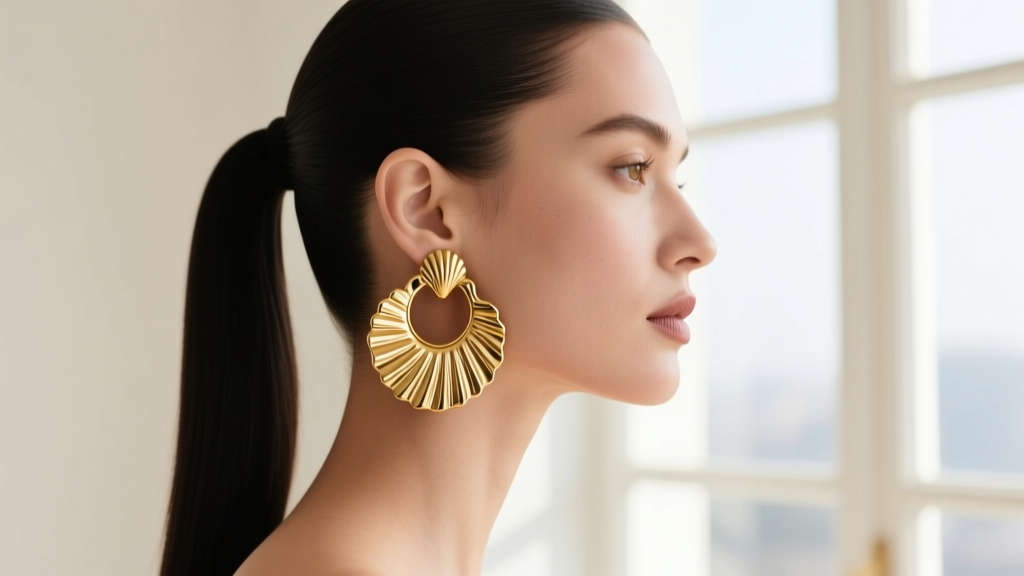
- Round Faces: Opt for elongated, vertical shapes. Hollow gold rigatoni tube drops or long fusilli spirals draw the eye downward, creating the illusion of a longer, more oval face shape. Avoid wide, horizontal farfalle studs, which will emphasize facial width.
- Square Faces: Choose shapes with soft, organic curves to offset a strong jawline. Conchiglie (shell) huggies or curved macaroni hoops echo the natural contours of the face and add a softening element to angular features.
- Heart-Shaped Faces: Teardrop-shaped pasta, such as elongated campanelle (bell flowers, often grouped with pasta shapes) or bottom-heavy shell dangles, help balance a narrower chin by adding visual weight to the lower half of the face.
- Oval Faces: You have the versatility to wear any pasta shape. Oversized, chunky 14k gold farfalle studs make an excellent, bold statement that highlights the natural symmetry of an oval face.
Post Gauges and Backing Security
A frequently overlooked aspect of wearing heavy gold pasta earrings is the hardware. A solid 14k gold farfalle stud can easily weigh between 4 to 6 grams per earring. Standard earring posts are typically 20-gauge (0.81mm thick). When a heavy, wide pasta shape is mounted on a thin 20-gauge post, the earring will inevitably droop forward, pointing toward the floor rather than sitting flush against the earlobe.
To solve this, look for artisan jewelers who utilize 18-gauge (1.02mm) or even 16-gauge (1.29mm) posts for their heavier pasta designs. The thicker metal provides the necessary rigidity to keep the bowtie or shell facing forward. Furthermore, swap out standard friction backs (butterfly clutches) for La Pousette (push-lock) backs or heavy-duty silicone O-rings. These provide a wider surface area of support against the back of the earlobe, distributing the weight of the gold pasta evenly and preventing the dreaded 'drooping earring' syndrome.


