What Are Dauplaise Earrings? A Beginner’s Guide to Styling
Discover everything about dauplaise earrings. Learn how to style these cascading drop earrings, choose metals, and match them to your face shape.

Introduction to Dauplaise Earrings
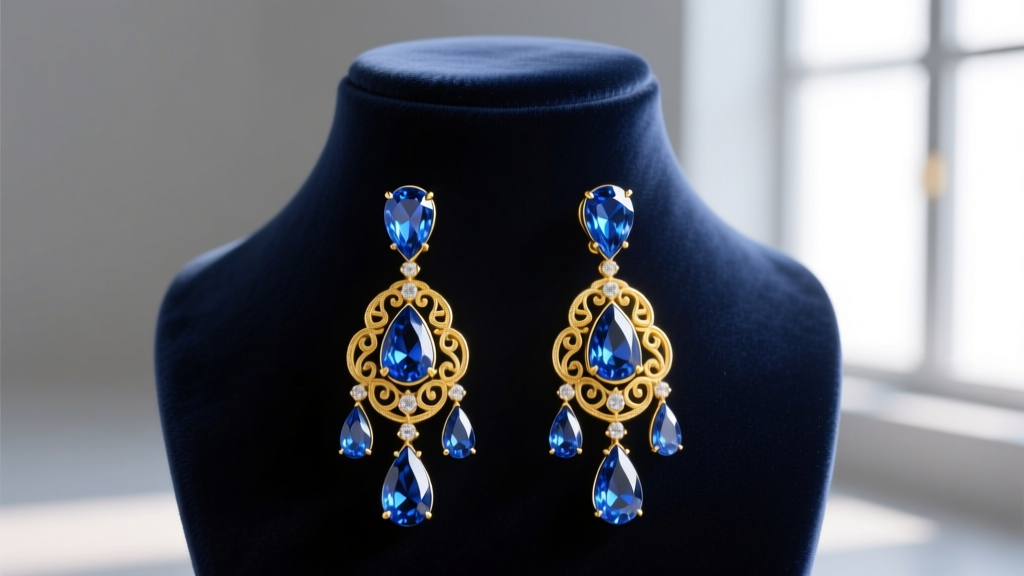
When exploring the vast world of fine jewelry, you will inevitably encounter specialized terminology that separates standard drops from true kinetic masterpieces. Among the most captivating of these are dauplaise earrings. Originating as a term to describe articulated, multi-segmented drop earrings that mimic the fluid, cascading movement of water or silk drapery, the dauplaise style is a favorite among collectors and beginners looking to elevate their evening wear. Unlike rigid dangle earrings, dauplaise designs feature two or more hinged segments that move independently, catching the light with every turn of the head.
For beginners, understanding the mechanics, materials, and styling nuances of dauplaise earrings is essential before making an investment. This guide breaks down the anatomy, metallurgy, and face-shape matching required to wear these kinetic gems with confidence.
The Anatomy of a Dauplaise Drop
The defining characteristic of dauplaise earrings is their articulation. A standard drop earring is typically cast or soldered as a single rigid piece. In contrast, a true dauplaise design relies on microscopic mechanical connections to achieve its signature fluid drape.
Key Structural Components
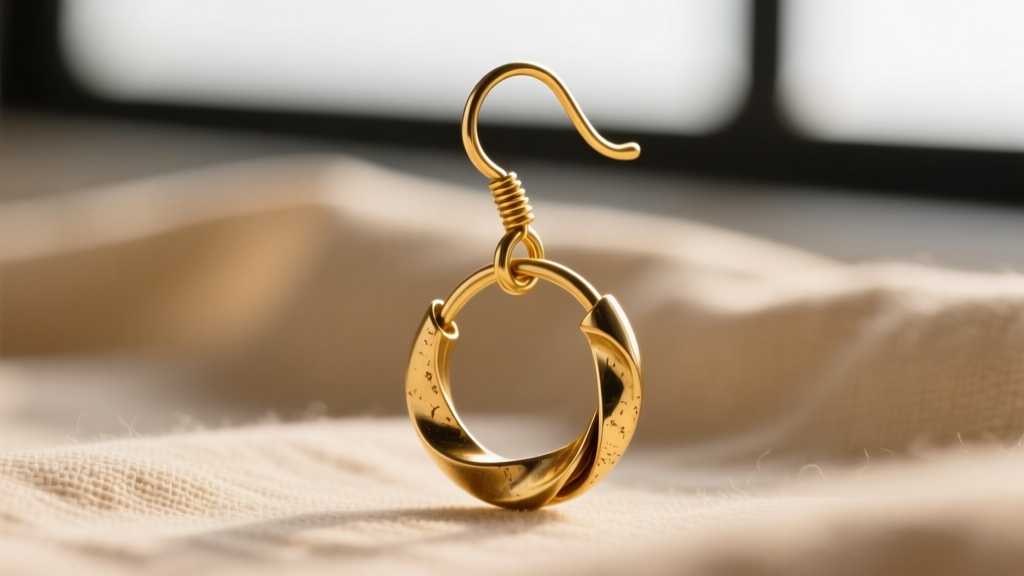
- The Ear Wire: Because of the added weight of multiple segments, dauplaise earrings typically utilize 18-gauge (1.0mm) or 20-gauge (0.8mm) French wire hooks. Thinner 22-gauge wires are generally avoided as they can bend under the kinetic stress of the moving parts.
- Articulation Jump Rings: The segments are connected by jump rings, usually measuring 3.0mm to 4.0mm in outer diameter with a 22-gauge wire thickness. These rings must be perfectly flush-soldered or tightly closed to prevent the earring from dismantling during wear.
- The Motif Segments: Whether geometric Art Deco links or floral cascades, each segment is weighted to ensure the earring hangs plumb rather than flipping backward against the earlobe.
"The secret to a flawless dauplaise earring lies in the tolerance of the jump rings. If the connection is too tight, the earring loses its fluid drape; if it is too loose, the friction will eventually wear through the metal, leading to structural failure." — Master Bench Jeweler
Materials and Metallurgy: Choosing the Right Base
The kinetic nature of dauplaise earrings places unique stress on the metals used in their construction. According to The Silver Institute, while sterling silver is a popular and affordable choice for jewelry, its softer tensile strength makes it less ideal for the tiny, high-friction jump rings found in articulated pieces unless they are heavily rhodium-plated or alloyed for rigidity.
| Metal Type | Tensile Strength | Best For | Average Price Range |
|---|---|---|---|
| Sterling Silver (925) | Low to Medium | Occasional wear, lightweight designs | $150 - $400 |
| 14k Yellow/White Gold | High | Daily wear, durable jump rings | $800 - $2,500 |
| 18k Yellow Gold | Medium-High | Luxury evening wear, rich color | $2,000 - $5,000+ |
| Platinum (950) | Very High | Heirloom pieces, high-density gems | $5,000 - $15,000+ |
For beginners purchasing their first pair, 14k gold offers the best balance of durability for the articulation points and overall value. Platinum is exceptionally durable but adds significant weight, which can cause earlobe fatigue if the dauplaise design is overly long.
How to Style Dauplaise Earrings for Your Face Shape
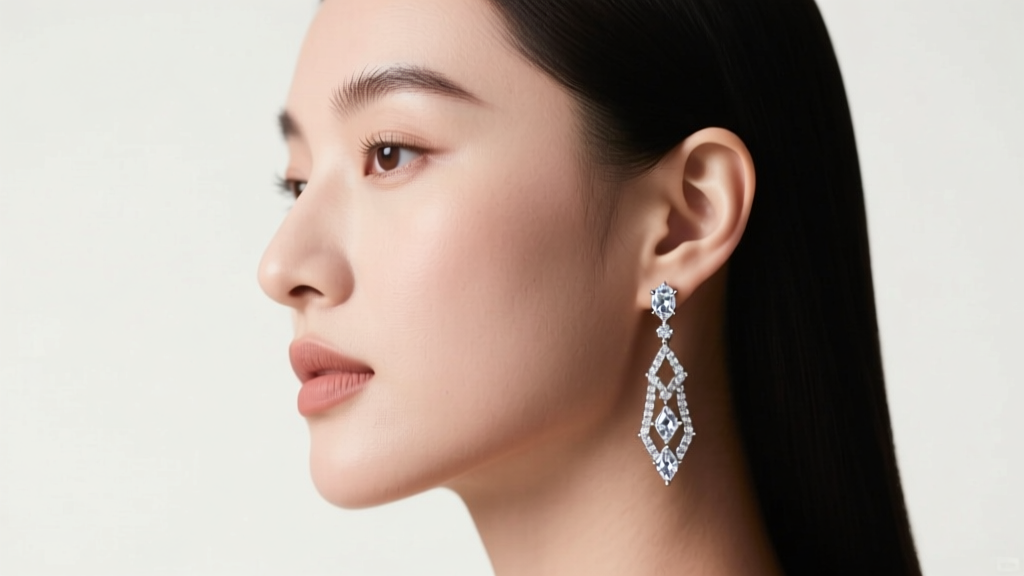
Because dauplaise earrings are inherently elongated and draw the eye vertically, they are powerful tools for balancing facial proportions. The cascading movement creates a visual line that can lengthen or soften your natural features.
Oval and Heart Faces
If you have an oval or heart-shaped face, you are in luck. These face shapes can carry almost any length of dauplaise earring. However, to maintain balance, opt for designs where the widest part of the cascading motif sits just below the jawline. Avoid overly voluminous, wide dauplaise chandeliers, as they can overwhelm a delicate chin.
Round and Square Faces
For round or square face shapes, the goal is elongation and softening of angular jawlines. Choose dauplaise earrings that feature long, linear drops with teardrop or marquise-shaped terminal gemstones. The vertical movement will visually stretch the face. Avoid short, wide, or heavily geometric dauplaise designs that end exactly at the cheekbone, as these will emphasize the width of your face.
Care, Maintenance, and Common Failure Modes
Owning articulated jewelry requires a shift in how you clean and store your pieces. The GIA Gem Encyclopedia frequently warns against using ultrasonic cleaners on fragile settings, and this rule is doubled for dauplaise earrings.
The Danger of Ultrasonic Cleaners
Ultrasonic cleaners use high-frequency sound waves to create microscopic cavitation bubbles in a cleaning solution. While excellent for solid cast rings, these vibrations can be disastrous for dauplaise earrings. The intense shaking can cause the tiny jump rings to work loose, bend internal pins, or shatter tension-set gemstones and heavily included stones like emeralds or opals.
Proper Cleaning Protocol
- The Soak: Mix a few drops of mild, phosphate-free dish soap into a bowl of lukewarm water.
- The Agitation: Submerge the earrings for 5 to 10 minutes to loosen oils and cosmetics.
- The Brush: Use a soft-bristled baby toothbrush to gently sweep behind the gemstone settings. Do not scrub the jump rings aggressively.
- The Dry: Pat dry with a lint-free microfiber cloth. Ensure no moisture is trapped inside the articulation joints, as this can lead to localized oxidation in silver or lower-karat gold alloys.
Common Failure Modes to Watch For
Perform a monthly "snag test." Gently run a piece of silk or fine cotton over the earring. If the fabric catches, a prong has likely lifted due to the kinetic movement of the earring catching on hair or clothing. Additionally, inspect the jump rings for work hardening—if the metal looks visibly thinned at the connection point, take the earrings to a jeweler for a preventative ring replacement before you lose a valuable segment.
Final Thoughts for the Beginner Collector
Dauplaise earrings represent a beautiful intersection of mechanical engineering and gemological artistry. By understanding the importance of gauge thickness, choosing high-tensile metals like 14k gold for the structural links, and matching the cascading length to your specific face shape, you can confidently invest in a pair of kinetic drops that will move beautifully with you for decades. Always prioritize the integrity of the articulation points over sheer carat weight, and your dauplaise earrings will remain a staple of your fine jewelry wardrobe for years to come.


