Tibetan Earrings: 2026 Budget & Value Assessment Guide
Discover the true value of Tibetan earrings in 2026. Learn to identify authentic alloys, grade turquoise, and avoid overpaying for mass-produced fakes.

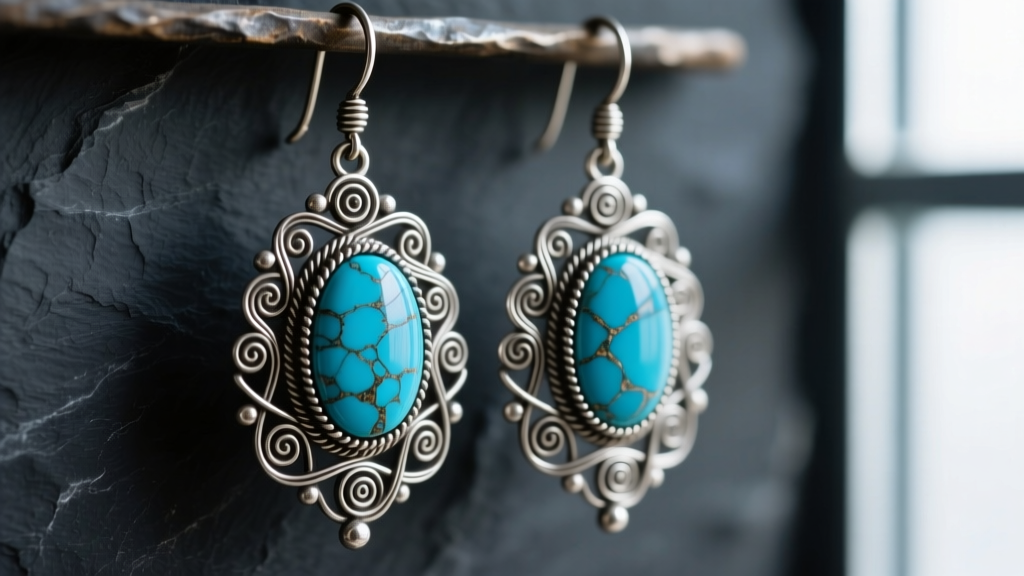
The allure of Tibetan earrings lies in their rich cultural heritage, intricate metalwork, and striking use of vibrant gemstones like turquoise, coral, and lapis lazuli. However, as the global demand for bohemian and spiritual jewelry has surged, the market has become heavily saturated with mass-produced imitations. For collectors and everyday wearers alike, distinguishing between a genuine artisan piece and a factory-stamped alloy replica is critical. In this 2026 budget and value assessment, we break down the exact metallurgy, gemstone grading, and pricing tiers you need to know before purchasing Tibetan earrings.
The Metallurgy: What 'Tibetan Silver' Actually Means
The most common point of confusion in budget assessment is the term 'Tibetan Silver.' Historically, this did not refer to sterling silver (92.5% pure silver). Instead, it was a trade term for a base metal alloy primarily composed of copper, zinc, nickel, and tin, designed to mimic the darkened, oxidized look of aged silver. Today, the term is largely unregulated, and many cheap imports labeled as Tibetan silver contain high levels of nickel (a common allergen) or even trace amounts of lead.
According to guidelines monitored by the Consumer Product Safety Commission (CPSC), jewelry containing lead above 100 parts per million is hazardous, yet many unverified online marketplaces still ship non-compliant base-metal alloys globally. When assessing value, true antique or high-end modern Tibetan earrings will explicitly state if the base is sterling silver (925) or high-karat gold. If a seller lists 'Tibetan Silver' without a metallurgical breakdown, assume it is a copper-zinc alloy. A genuine sterling silver pair with traditional Tibetan motifs will typically start at $80 to $150, whereas base-metal alloy pairs should cost no more than $15 to $30.
Gemstone Authenticity: Grading Turquoise, Coral, and Lapis
The value of Tibetan earrings is heavily tied to the gemstones used. Traditional Himalayan jewelry relies on the spiritual and aesthetic properties of specific stones, but modern manufacturing frequently substitutes these with dyed or stabilized alternatives.
Turquoise: Genuine vs. Dyed Howlite
Genuine Tibetan turquoise is prized for its deep blue-green hues and distinct black or brown matrix (the host rock webbing). However, the Gemological Institute of America (GIA) notes that turquoise is one of the most commonly treated and imitated gems on the market. Budget earrings often use dyed howlite or magnesite. To assess value, examine the matrix: if the black veins look like they are sitting on top of the stone rather than penetrating it, or if the color pools in the cracks, it is dyed. Genuine, untreated turquoise cabochons will increase the earring's value by $40 to $100+ per pair, while polymer-stabilized turquoise (a legitimate treatment to prevent crumbling) sits in the mid-tier.
Red Coral and Lapis Lazuli
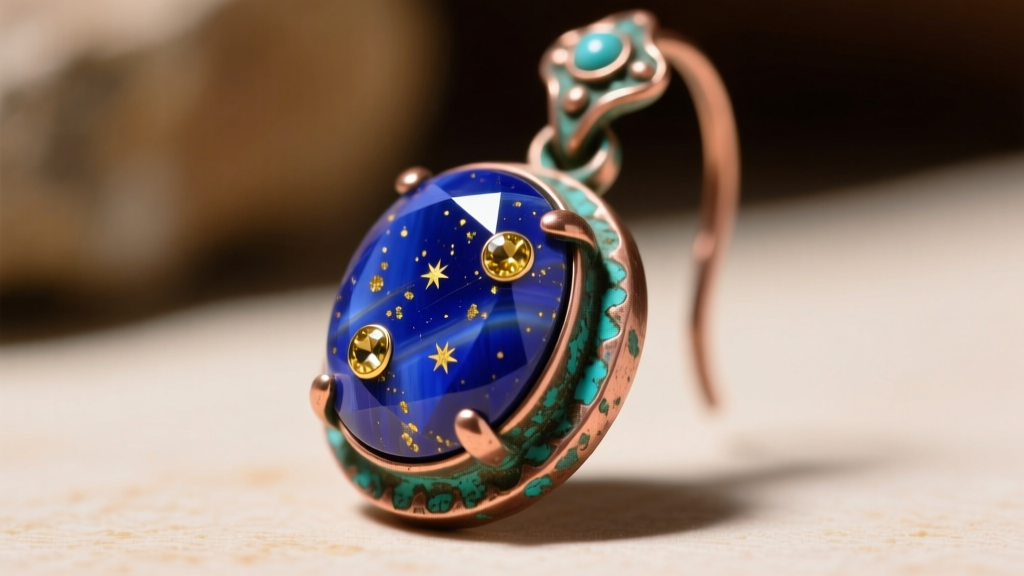
Authentic precious red coral is heavily restricted and exceptionally expensive. Most 'Tibetan coral' seen in budget tiers is actually bamboo coral that has been dyed red, or entirely fabricated from glass and resin. Similarly, genuine lapis lazuli should feature natural gold flecks of pyrite and white calcite streaks. If the stone is a uniform, flat, deep blue with no inclusions, it is likely dyed sodalite or synthetic. When budgeting, accept that true precious coral and high-grade Afghan lapis will push the price of a pair of earrings well past the $200 mark.
2026 Pricing Matrix: What You Should Actually Pay
To help you navigate the market, we have categorized Tibetan earrings into three distinct value tiers based on current 2026 market data. Use this framework to ensure you are not overpaying for mass-produced goods.
| Value Tier | Base Metal | Gemstone Quality | Expected Price Range (USD) |
|---|---|---|---|
| Mass-Market / Fast Fashion | Zinc alloy, brass, high nickel content | Dyed howlite, glass coral, dyed sodalite | $8 - $25 |
| Artisan / Modern Sterling | 925 Sterling Silver, oxidized finish | Stabilized turquoise, bamboo coral, genuine lapis | $60 - $180 |
| Antique / Museum Grade | High-karat gold, antique silver, yak bone | Untreated turquoise, precious red coral, antique Dzi beads | $350 - $2,500+ |
Ergonomics, Gauge Sizing, and Ear Lobe Health
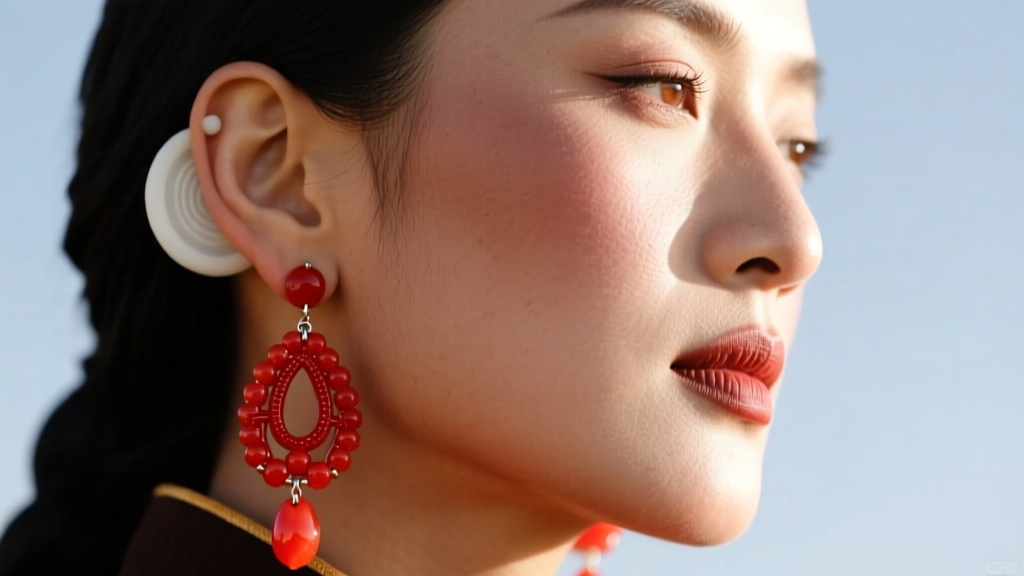
A crucial but often overlooked aspect of valuing Tibetan earrings is their physical weight and structural ergonomics. Traditional dangle and drop styles featuring large cabochons and heavy metalwork can easily exceed 15 to 20 grams per earring. Standard ear piercings are typically done at 20-gauge (0.81mm) or 18-gauge (1.02mm). Wearing heavy, thick-wire Tibetan earrings can lead to earlobe stretching, tearing, and permanent tissue damage over time.
When evaluating a pair, check the wire thickness of the French hook or post. High-quality artisan pieces designed for heavy stones will often use an 18-gauge or 16-gauge (1.29mm) wire for structural integrity, but this requires a slightly thicker piercing. If you are investing in heavy, valuable Tibetan drops, factor in the cost of ergonomic accessories. Using clear silicone earring support patches or O-rings behind the lobe distributes the weight and prevents the earring from pulling downward, preserving both your earlobe health and the structural integrity of the earring's hook.
Motif Valuation: Do Spiritual Symbols Affect Price?
Tibetan jewelry is deeply intertwined with Vajrayana Buddhism and local shamanic traditions. Common motifs include the Endless Knot (representing interconnectedness), the Om syllable, and the use of Dzi beads (etched agate beads believed to offer spiritual protection). From a pure budget perspective, the presence of these motifs does not inherently increase the monetary value unless the piece is a verified antique. A modern cast-alloy Endless Knot earring costs the same to manufacture as a modern floral cast. However, in the antique and vintage market, pieces featuring authentic, naturally etched antique Dzi beads or hand-carved yak bone components carry a massive premium due to their historical and cultural scarcity.
Final Verdict: Assessing Your Investment
Tibetan earrings offer incredible aesthetic and cultural value, but only if you are paying for the correct materials. If your budget is under $30, treat your purchase as costume jewelry and be hyper-vigilant about potential nickel or lead allergies. If you are spending between $80 and $200, demand 925 sterling silver and at least stabilized, genuine gemstones. For investments exceeding $500, always require a certificate of authenticity or a metallurgical and gemological appraisal to verify the age of the metal and the natural origin of the stones. By understanding the reality behind 'Tibetan Silver' and the grading of Himalayan gemstones, you can build a collection that is both financially sound and culturally respectful.