Tinker Bell Earrings: Material Guide for Sensitive Ears
Discover the best metals for Tinker Bell earrings. We compare materials, test for nickel, and show how to wear Disney novelty jewelry safely.

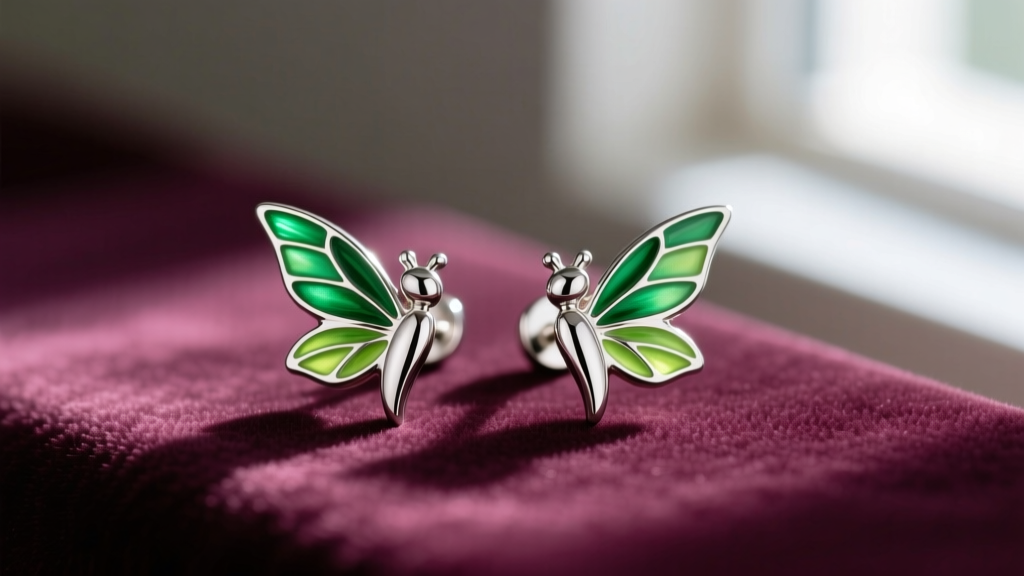
Finding the perfect pair of Tinker Bell earrings often feels like a choice between compromising your ear health or sacrificing your love for pixie dust. As we navigate the jewelry landscape in 2026, the demand for character-inspired, novelty, and licensed Disney jewelry has never been higher. Yet, the metallurgical reality behind mass-produced fairy earrings remains a hidden hazard for millions with contact dermatitis and metal sensitivities. Whether you are hunting for subtle stud earrings featuring a tiny silhouette or elaborate, enamel-painted dangle earrings that catch the light, understanding the material properties of your jewelry is non-negotiable.
This comprehensive material guide dives deep into the alloys, enamels, and post gauges used in Tinker Bell earrings. We will break down the exact failure modes of cheap base metals, provide a comparative analysis of hypoallergenic alternatives, and offer actionable frameworks for upgrading your favorite novelty pieces into safe, wearable art.
The Hidden Dangers in Novelty Disney Jewelry
Most licensed character earrings found in theme parks, Halloween pop-up shops, and fast-fashion retailers are not manufactured with long-term skin contact in mind. The primary culprit for the dreaded "green ear" and itchy, weeping earlobes is Zamak (a zinc alloy containing aluminum, magnesium, and copper) or cheap brass that has been flash-plated with a microscopically thin layer of silver or gold.
When this plating wears off—often within weeks of daily wear—the underlying base metal is exposed to the slightly acidic environment of your skin. Furthermore, many of these mass-produced Tinker Bell earrings utilize nickel as a hardening agent in the base alloy or as a strike layer beneath the gold plating. According to the American Contact Dermatitis Society (ACDS), nickel remains the most common contact allergen worldwide. To be considered safe for prolonged skin contact, jewelry must comply with the EU Nickel Directive, which limits nickel migration to less than 0.5 µg/cm²/week. Unfortunately, novelty character earrings rarely undergo this rigorous testing.
The Gauge Size Problem
Beyond the alloy itself, the physical dimensions of the earring post play a massive role in comfort. Standard lobe piercings are typically done at 20-gauge (0.81mm) or 18-gauge (1.02mm). However, heavy, cast-metal Tinker Bell dangle earrings often feature thick, clumsy 16-gauge (1.29mm) or even 14-gauge (1.63mm) brass posts to support the weight of the character charm. Forcing a thick, unpolished brass post into a delicate 20G fistula causes micro-tears, introducing allergens directly into the bloodstream and triggering immediate inflammatory responses.
Material Breakdown: What Are Fairy Earrings Actually Made Of?
To make informed purchasing decisions, you must look past the "hypoallergenic" marketing buzzword and demand specific material grades. Below is a comparative analysis of the metals most frequently used in Tinker Bell earrings, ranging from high-risk novelty alloys to implant-grade solutions.
| Material Grade | Nickel Risk | Durability & Weight | Typical Use in Tinker Bell Jewelry | Price Range (2026) |
|---|---|---|---|---|
| Zamak / Zinc Alloy | High (Often contains nickel strike) | Heavy, brittle, prone to snapping | Mass-market studs, cheap dangles | $5 - $15 |
| 925 Sterling Silver | Low (But copper content can cause oxidation) | Soft, scratches easily, moderate weight | Official Disney Parks silver lines | $35 - $80 |
| 316L Surgical Steel | Medium (Contains 8-10% nickel, but trapped in crystal structure) | Highly durable, polished finish | Mid-tier custom Etsy makers | $20 - $45 |
| ASTM F136 Titanium | Zero (100% Nickel-free) | Ultra-lightweight, incredibly strong | High-end custom 3D-printed / cast | $60 - $120+ |
For those with severe sensitivities, ASTM F136 Implant-Grade Titanium is the undisputed gold standard. As outlined by ASTM International, this specific alloy contains zero nickel and is biocompatible enough to be left inside the human body permanently. In 2026, several independent jewelers on platforms like Etsy have begun using lost-wax casting and 3D metal printing to create intricate, lightweight Tinker Bell silhouettes out of solid titanium, completely eliminating the heavy, ear-stretching drawbacks of traditional Zamak casts.
Enamel and Paint Safety: Beyond the Metal Post
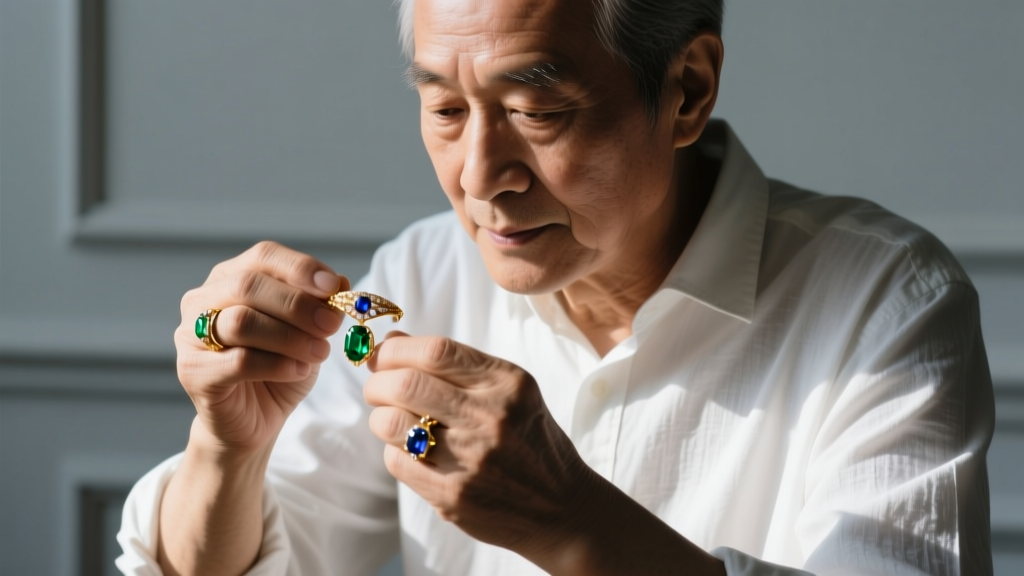
When discussing Tinker Bell earrings, the metal post is only half the battle. The iconic green of her dress and the translucent shimmer of her wings are typically achieved through either vitreous enamel, cold enamel (epoxy resin), or cheap acrylic paints.
The Heavy Metal Threat in Pigments
Historically, bright yellow, green, and red pigments used in cheap jewelry manufacturing contained alarming levels of lead and cadmium. While the U.S. Consumer Product Safety Commission (CPSC) heavily regulates lead in children's jewelry (capping it at 100 ppm), adult novelty jewelry often slips through regulatory cracks. If you are buying vintage or unbranded Tinker Bell earrings from overseas marketplaces, the painted details may harbor toxic heavy metals that can leach through micro-abrasions on the back of your earlobe.
Cold Enamel vs. Vitreous Enamel
- Cold Enamel (Epoxy Resin): Most common in modern character jewelry. It is essentially a hardened plastic resin tinted with pigments. It is lightweight and generally safe once fully cured, but it will yellow and degrade when exposed to UV light and perfume over time.
- Vitreous Enamel: Crushed glass fused to metal at extreme temperatures (1380°F+). It is incredibly durable, hypoallergenic, and colorfast. High-end, custom-made Tinker Bell earrings crafted by master jewelers will use vitreous enamel, resulting in a glass-like finish that will never degrade or irritate the skin.
How to Upgrade and Hack Your Novelty Earrings
If you already own a pair of beloved but irritating Tinker Bell earrings, or if you can only find the perfect design in a cheap zinc alloy, you do not have to throw them away. Here are expert-level troubleshooting methods to make base-metal jewelry wearable for sensitive ears.
1. The Post-Swap Technique
Any competent local jeweler can snip off a thick, allergenic brass post and laser-weld or solder a sterile, 20-gauge titanium or 14k nickel-free gold post in its place. This usually costs between $15 and $30 per earring and completely transforms a hazardous piece of novelty jewelry into a safe, daily-wear staple. Ensure the jeweler uses a laser welder, as traditional torch soldering can melt the epoxy resins and cold enamels used on the Tinker Bell charm.
2. Barrier Coatings: Fact vs. Fiction
The internet is full of advice suggesting you paint your earring posts with clear nail polish. Do not do this. Standard nail polishes contain formaldehyde resin and tosylamide, which are themselves potent contact allergens. Furthermore, the friction of inserting the post into your ear will scrape the polish off within hours, leaving microscopic flakes of plastic inside your piercing fistula. Instead, use a specialized medical-grade barrier cream like Skintifique Protective Cream, or purchase slip-on silicone earring post covers (often sold as "earring shields") that physically block the metal from touching the skin.
3. Weight Distribution for Dangle Styles
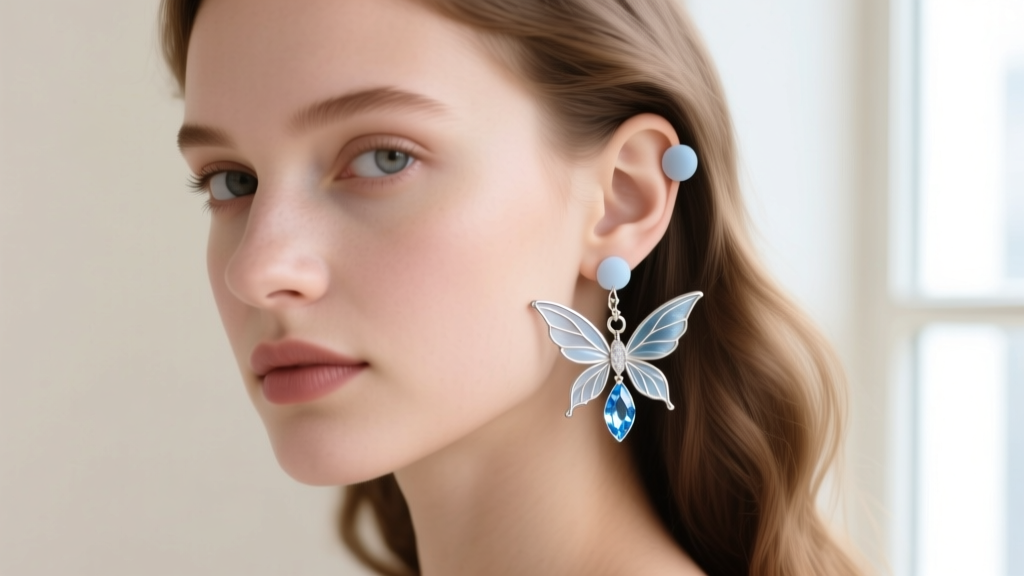
Tinker Bell dangle earrings, especially those featuring the character holding a wand or surrounded by a halo of crystals, can easily exceed 8 grams per ear. Over time, this concentrated weight on a standard butterfly back will cause the earring to droop forward, stretching the piercing hole and causing pressure necrosis. Always swap standard metal butterfly backs for wide-flange silicone support discs. These discs distribute the weight across a 10mm surface area on the back of the earlobe, keeping the fairy charm facing perfectly forward without tearing the tissue.
Sourcing Safe Pixie Dust: Where to Buy in 2026
The secondary market and independent artisan communities are your best resources for safe, high-quality Tinker Bell earrings. When shopping on platforms like Etsy or at local craft fairs, filter your search by material rather than just character. Search specifically for "Tinker Bell earrings titanium" or "Tinker Bell studs 14k solid gold."
Always message the seller to ask two critical questions before purchasing:
- "Is the earring post the exact same material as the charm, or is it glued/soldered from a different alloy?" (Many sellers cast a titanium charm but glue on a cheap steel post to save money).
- "What type of enamel or pigment is used for the green and yellow details?"
By prioritizing metallurgical integrity over fast-fashion convenience, you can build a jewelry collection that celebrates your favorite fairy without compromising the health of your piercings. True magic lies in the details, and when it comes to your ears, the right metal is the most important detail of all.


