Tiny Pearl Stud Earrings: A Material & Metal Comparison Guide
Discover the best metals and pearl types for tiny pearl stud earrings. Compare durability, luster, and hypoallergenic properties for sensitive ears.

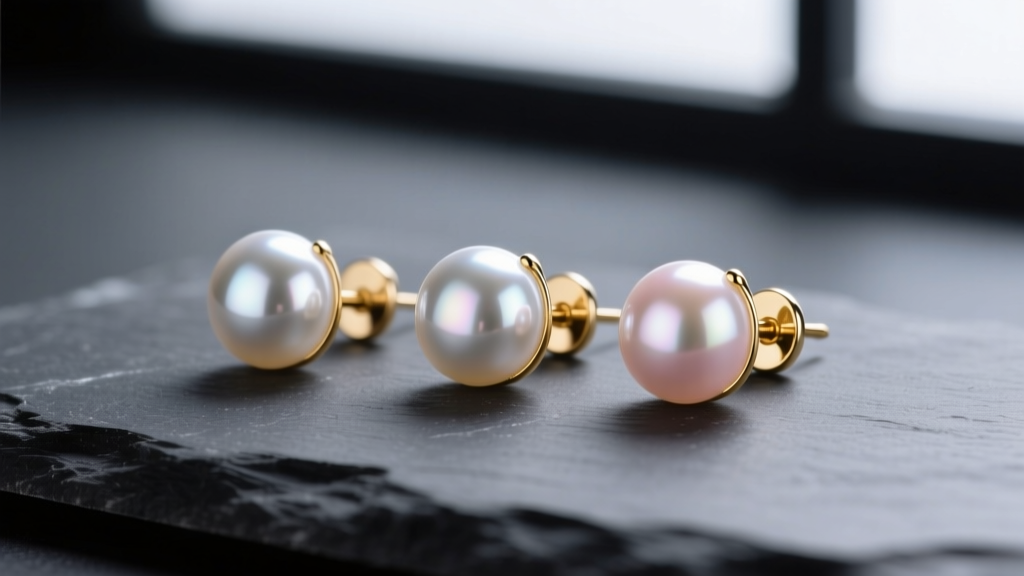
When curating a minimalist or everyday jewelry collection, tiny pearl stud earrings are an undisputed staple. Ranging from 2.0mm to 4.5mm in diameter, these micro-gems offer a subtle, elegant glow that flatters every face shape and skin tone. However, because of their diminutive size, the structural integrity, material quality, and metallurgical properties of the setting are just as critical as the pearl itself. A poorly constructed micro-stud will lose its pearl, irritate the earlobe, or bend under minimal pressure.
In this comprehensive guide, we deconstruct the anatomy of tiny pearl stud earrings, comparing the organic gem materials, the metal alloys used for the posts, and the chemical adhesives that bind them together. Whether you are shopping for sensitive ears or seeking an heirloom-quality piece, understanding these material properties is essential for making an informed investment.
Defining "Tiny": Gauge, Weight, and Proportions
The term "tiny" in the pearl industry strictly refers to diameters between 2.0mm and 4.5mm. At this scale, the ratio of the pearl to the metal post becomes a significant engineering challenge. Standard earring posts are typically 18-gauge (1.02mm thick) or 20-gauge (0.81mm thick).
When setting a 3.0mm pearl, an 18-gauge post consumes nearly a third of the pearl's diameter, leaving minimal surface area for the adhesive cup and creating a visually clunky profile. Therefore, high-quality tiny pearl stud earrings usually utilize 20-gauge or even 21-gauge (0.72mm) posts. While a 21-gauge post preserves the delicate aesthetic, it introduces a structural vulnerability: softer metals like 24k or even 18k yellow gold can easily bend at this thickness if snagged on a towel or hairbrush. This necessitates the use of harder alloys or specific metal treatments, which we will explore in the metallurgy section.
Pearl Material Properties: Akoya, Freshwater, and Shell
Not all pearls are created equal, especially at the micro-scale where surface blemishes and luster inconsistencies are magnified. Here is how the three most common pearl materials compare when cut down to tiny dimensions.
| Pearl Type | Nacre Structure | Luster Quality | Mohs Hardness | Avg. Price (3mm Pair) |
|---|---|---|---|---|
| Akoya (Saltwater) | Bead-nucleated (0.3-0.8mm nacre) | Sharp, mirror-like | 2.5 - 3.0 | $80 - $250 |
| Freshwater | Solid nacre (tissue-nucleated) | Soft, satiny glow | 2.5 - 3.0 | $25 - $75 |
| Shell Pearl (Imitation) | Glass bead coated in pearlescence | Uniform, artificial | 5.0 (Glass core) | $15 - $40 |
Akoya pearls are the gold standard for tiny studs. Because they are grown around a perfectly round mother-of-pearl bead nucleus, they achieve near-perfect sphericity even at 2.0mm. Their sharp, mirror-like luster makes them highly reflective, which is crucial for tiny earrings that need to catch the light from a distance.
Freshwater pearls are composed of solid nacre, making them incredibly durable against chipping. However, achieving perfect roundness below 4.0mm is difficult, and their luster tends to be softer and more satiny. They are an excellent budget-friendly alternative but lack the "ping" of light reflection found in Akoya.
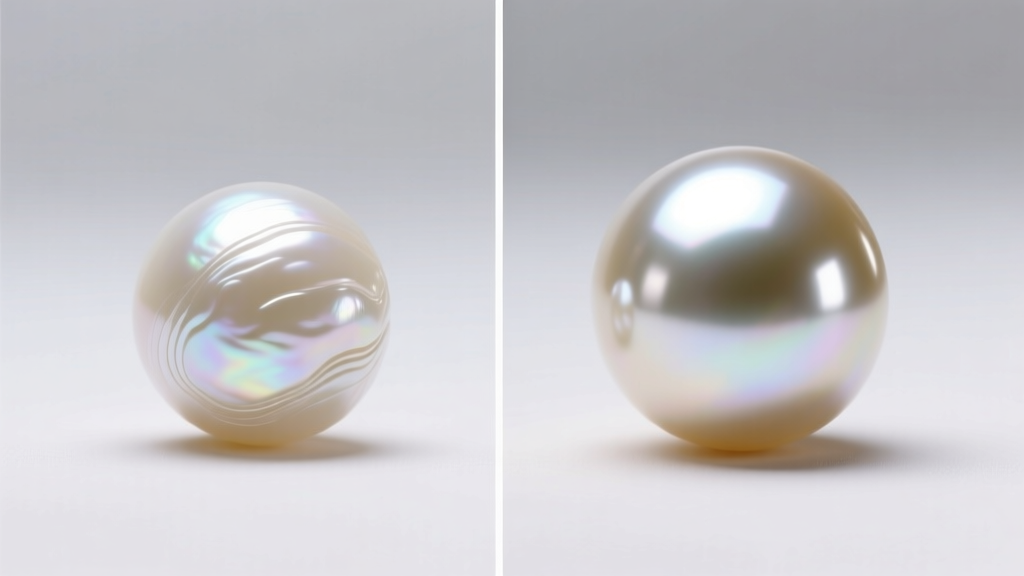
Shell pearls are manufactured by coating glass beads with a mixture of ground fish scales or synthetic pearlescent chemicals. While they are perfectly round and highly resistant to sweat and cosmetics, they lack the depth of organic nacre and hold no intrinsic gemological value.
The Metallurgy of the Post: Hypoallergenic & Structural Grades
The metal post piercing your skin must balance tensile strength with biocompatibility. Because tiny earrings sit flush against the earlobe, the post and the backing create a micro-environment that can trap sweat, sebum, and bacteria, accelerating metal degradation and allergic reactions.
Implant-Grade Titanium (ASTM F136)
For sensitive ears or newly pierced lobes, Implant-Grade Titanium (specifically ASTM F136) is the undisputed champion. It contains zero nickel, is completely impervious to corrosion from bodily fluids, and possesses a tensile strength that allows a 20-gauge post to resist bending far better than gold. According to the Mayo Clinic, nickel is the leading cause of contact dermatitis in jewelry; titanium entirely eliminates this risk.
14k and 18k Gold Alloys
Pure 24k gold is too soft for earring posts. Therefore, jewelers alloy it with copper, silver, and zinc. 14k gold (58.5% pure gold) offers superior rigidity, making it ideal for the thin 20-gauge posts required for tiny pearl studs. 18k gold (75% pure gold) offers a richer color but is slightly more prone to bending. Warning: If you are buying white gold, ensure it is alloyed with palladium rather than nickel, or verify that it has a thick rhodium plating to act as a barrier against nickel leaching.
Platinum
Platinum (usually 95% pure, alloyed with ruthenium) is incredibly dense, hypoallergenic, and will never tarnish. However, its high density and cost make it rare for tiny pearl studs, as the metal value often eclipses the value of the 3mm pearl itself.
Setting Mechanics: Adhesives vs. Micro-Prongs
How does a 3mm pearl stay attached to a microscopic metal cup? The setting method dictates the lifespan of your earrings.
- Cup and Post (Adhesive): 95% of tiny pearl studs use a flat metal cup soldered to the post. The pearl is glued into this cup. High-end jewelers use two-part jeweler's epoxy (like G-S hypo cement or specialized bis-GMA resins) which cures to a flexible, shock-absorbent state. Cheap manufacturers use cyanoacrylate (super glue), which becomes brittle over time and shatters upon impact, causing the pearl to pop off.
- Micro-Prong Settings: Extremely rare for pearls under 4.5mm, prong settings use tiny metal claws to grip the pearl. While this avoids the use of degrading adhesives, the metal claws can scratch the delicate nacre (Mohs 2.5) if the earring is dropped or squeezed.
- Peg Settings: A small metal peg is soldered inside the cup, and a corresponding hole is drilled halfway into the pearl. The epoxy binds the peg to the pearl's interior, offering vastly superior shear strength compared to flat-surface gluing. Always look for peg-set tiny pearl stud earrings for maximum longevity.
Securing the Asset: Backing Mechanisms for Micro-Studs
Tiny earrings are notoriously easy to lose. A standard friction backing (butterfly clutch) relies on the tension of bent metal. Over time, this metal fatigues, the grip loosens, and a $200 Akoya pearl stud can slip off unnoticed in a winter scarf.
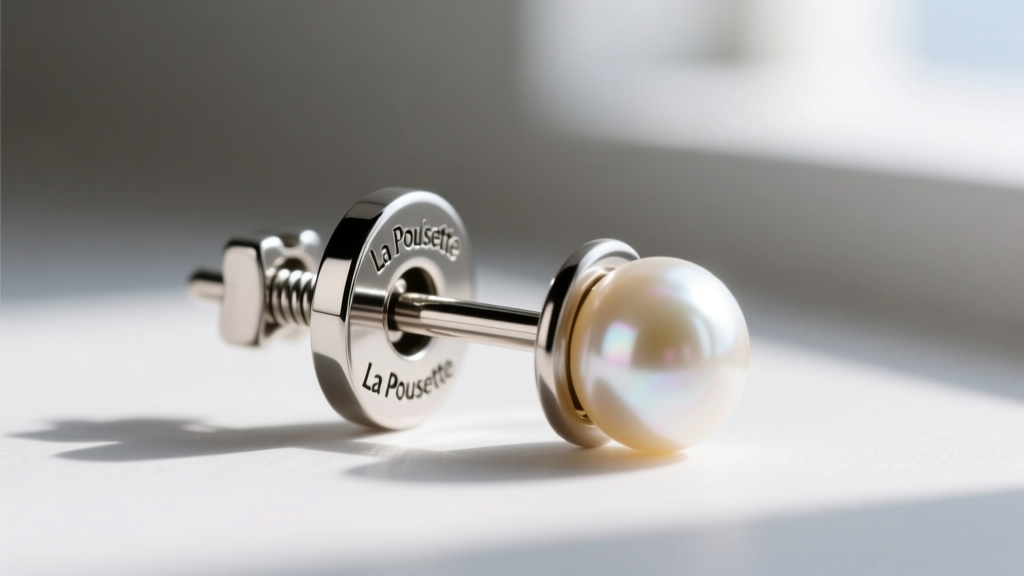
To prevent catastrophic loss, upgrade your backings based on your metal choice:
- La Pousette Backings: Originally designed for high-value diamond studs, these feature a spring-loaded mechanical clutch that locks onto a grooved post. They are the gold standard for security but require a specifically notched post.
- Screw Backings: The backing threads onto a spiraled post. While highly secure, threading a microscopic 20-gauge screw can be frustrating for those with limited dexterity, and cross-threading can ruin the post.
- Silicone O-Rings: A modern, inexpensive alternative. A tiny medical-grade silicone disc slides over the friction post, creating a high-friction seal that is virtually impossible to dislodge accidentally.
Chemical Vulnerabilities and Maintenance
Because pearls are organic gemstones secreted by mollusks, they are highly susceptible to chemical erosion. The Gemological Institute of America (GIA) explicitly warns against using ultrasonic cleaners, steam cleaners, or harsh ammonia-based jewelry dips on pearls. These processes will strip the nacre, leaving a dull, chalky bead.
Furthermore, the adhesives used in cup settings are vulnerable to prolonged heat and chemical solvents. Wearing your tiny pearl studs in a hot sauna, or spraying aerosol hairspray and perfume directly onto them, will accelerate the degradation of the epoxy bond.
The Expert Cleaning Protocol: After wearing your earrings, wipe the pearls gently with a damp, lint-free microfiber cloth to remove sebum and acidic sweat. Once a month, use a soft baby toothbrush dipped in a mild, phosphate-free soap solution to gently scrub the metal post and backing, taking care to avoid soaking the pearl-to-cup junction where the adhesive lives. Dry immediately with a soft cloth before storing them in a breathable fabric pouch—never in an airtight plastic bag, as pearls require trace ambient moisture to prevent the nacre from cracking and crazing over time.
By prioritizing peg-set Akoya pearls, 20-gauge ASTM F136 titanium or 14k gold posts, and mechanical La Pousette backings, you transform a fragile accessory into a resilient, lifelong staple of your daily wardrobe.


