TJG Earrings Buying Guide: Quality & Materials (2026)
Discover our expert 2026 buying guide for TJG earrings. Learn how to evaluate vermeil thickness, 925 silver hallmarks, and stone settings before you buy.

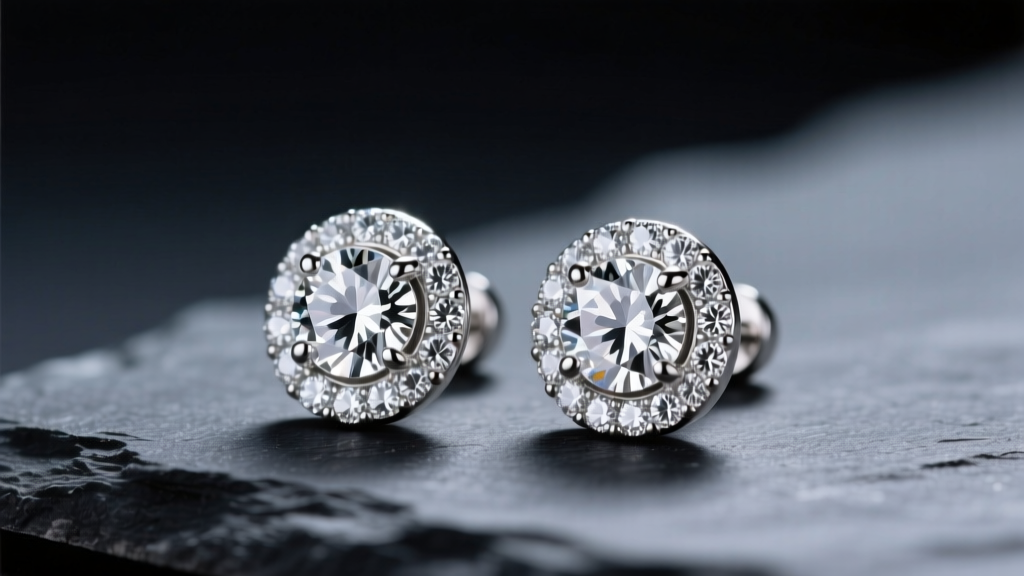
When navigating the bridge between accessible fashion jewelry and fine jewelry, TJG earrings have established a notable presence in the market. Known for their intricate designs and accessible price points, these pieces often serve as staple additions to everyday jewelry collections. However, as with any mid-tier jewelry brand, understanding the underlying metallurgy, gemological properties, and hardware specifications is crucial for making an informed purchase. This comprehensive 2026 buying guide breaks down exactly what to look for when evaluating TJG earrings, ensuring you get the best value, durability, and comfort for your specific piercing needs.
Understanding the TJG Metallurgy and Plating Standards
The foundation of any quality earring lies in its base metal and subsequent plating. TJG primarily utilizes 925 sterling silver as the core material for their premium lines. Sterling silver is an alloy consisting of 92.5% pure silver and 7.5% secondary metals, typically copper. While pure silver is too soft to hold intricate prong settings or support the weight of drop earrings, the addition of copper provides the necessary tensile strength. However, copper is highly reactive to sulfur and moisture, which is why surface treatment is non-negotiable.
For their silver-toned pieces, TJG employs rhodium flashing. Rhodium, a platinum-group metal, provides a brilliant, tarnish-resistant white finish. When evaluating these pieces, you want to look for a uniform, mirror-like finish without any dull patches or yellowing near the earring post, which would indicate premature wear of the rhodium layer.
For gold-toned options, it is vital to distinguish between standard gold plating and gold vermeil. According to the Federal Trade Commission Jewelry Guides, a piece can only be legally marketed as 'vermeil' if it features a sterling silver base coated with at least 2.5 microns of 10-karat (or higher) gold. TJG's authentic vermeil collections meet this threshold, offering vastly superior longevity compared to flash-plated brass alternatives that typically measure less than 0.5 microns and degrade within weeks of daily wear.
Evaluating Stone Quality: CZ vs. Lab-Grown Diamonds
TJG earrings frequently feature high-grade Cubic Zirconia (CZ) and, in their upper-tier collections, lab-grown diamonds. As a buyer, understanding the optical and physical differences between these stones will help you manage your expectations regarding brilliance and longevity.
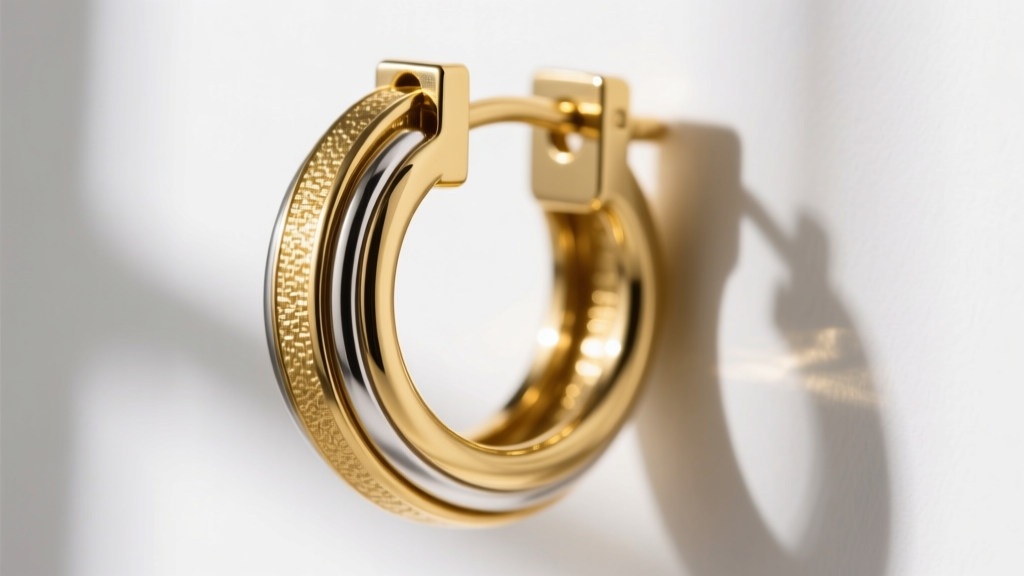
CZ is a synthetic crystalline material that is optically flawless and colorless. According to the Gemological Institute of America (GIA), CZ possesses a refractive index of 2.15 to 2.18, which is slightly lower than a natural diamond (2.42) but high enough to produce exceptional brilliance. More notably, CZ has a higher dispersion rate (0.058 to 0.066 compared to a diamond's 0.044), meaning it exhibits more 'fire' or colorful light flashes. When inspecting TJG CZ earrings, look for stones that are completely eye-clean with no visible internal clouds or surface abrasions, which can occur if the stones were poorly polished during the lapidary process.
Setting Durability and Prong Symmetry
The way a stone is secured is just as important as the stone itself. TJG utilizes several setting techniques:
- Micro-Pavé Settings: Common in halo studs and huggies. Ensure the tiny metal beads holding the stones are uniform in size and do not snag on silk or knit fabrics.
- Four-Prong and Six-Prong Settings: Used for solitaire studs. The prongs should be perfectly symmetrical, with the tips folded smoothly over the crown of the stone without overlapping the table (top facet).
- Bezel Settings: A rim of metal surrounds the stone. This is the most secure option for active lifestyles, as it eliminates the risk of prong-snagging entirely.
Post Gauge, Hardware, and Comfort Fit
An often-overlooked aspect of buying earrings online is the post gauge (thickness) and the backing mechanism. Standard earlobe piercings are typically done at 20-gauge (0.81mm) or 18-gauge (1.02mm). TJG standard studs generally feature 20-gauge posts, which slide effortlessly through healed lobes and minimize the 'heavy' feeling on the ear. However, for larger statement drops or heavy chandelier earrings, TJG upgrades to 18-gauge or even 16-gauge (1.29mm) posts to prevent the metal from bending under the weight of the pendant.
The backing mechanism is equally critical for security and comfort:
- Butterfly Friction Backs: The industry standard. They rely on tension to stay on the post. Look for backs with deep, dual-notches to allow for swelling and breathing room behind the earlobe.
- La Pousette (Locking) Backs: Found on TJG's premium diamond and high-value CZ lines. These feature a mechanical locking mechanism that clicks securely into a groove on the post, making them virtually impossible to lose during sleep or physical activity.
- Screw Backs: Ideal for cartilage piercings or those who frequently lose friction backs, though they require more dexterity to fasten.
TJG Earrings Collections: Value and Specification Chart
To help you navigate the different tiers of TJG earrings, refer to the comparison matrix below. This data reflects typical specifications and market pricing for their core collections in 2026.
| Collection Tier | Base Metal | Plating Specification | Primary Stone | Avg. Price Range | Best Use Case |
|---|---|---|---|---|---|
| Everyday Essentials | 925 Sterling Silver | 0.2µ Rhodium Flash | AAA-Grade CZ | $25 - $60 | Daily wear, office, gym |
| Signature Vermeil | 925 Sterling Silver | 2.5µ 14k Gold Vermeil | AAA-Grade CZ / Pearl | $65 - $140 | Evening wear, events |
| Premium Lab-Grown | 925 Sterling Silver / 10k | Rhodium or Solid Gold | Lab-Grown Diamonds | $150 - $450+ | Milestones, heirlooms |
| Cartilage & Cuffs | 316L Surgical Steel | PVD Gold / Rose Gold | Opal / CZ | $30 - $85 | Helix, tragus, conch |
Authentication and Quality Control Checklist
When your TJG earrings arrive, perform a quick physical inspection to ensure they meet manufacturing standards. Use a jeweler's loupe or your smartphone's macro lens to check the following:
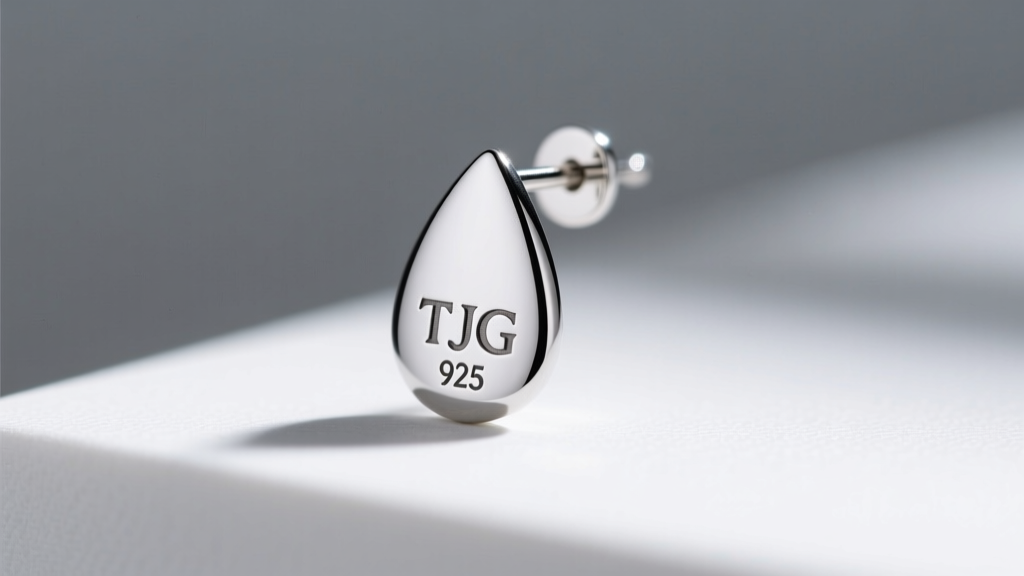
- Hallmark Verification: Look for the '925' stamp and the TJG maker's mark on the earring post or the flat back of the clutch. This guarantees the base metal is genuine sterling silver.
- Stone Seating: Gently tap the earring against your fingernail. You should not hear any rattling. A rattling sound indicates that the stone is loose in its setting and requires immediate professional tightening.
- Plating Integrity: Inspect the crevices where the earring post meets the main body. This high-friction area is where poor plating usually fails first. The color should be consistent with the rest of the piece.
- Hinge Tension (For Hoops/Huggies): Open and close the huggie hinge. It should produce a crisp, audible 'click' and show no lateral wobble when closed.
Long-Term Care and Maintenance Protocols
Preserving the condition of your TJG earrings requires a departure from harsh, traditional cleaning methods. Never use ultrasonic cleaners on CZ or opal-set earrings; the high-frequency vibrations can cause internal fractures in synthetic stones and loosen the adhesives used in micro-pavé settings. Furthermore, avoid silver dip solutions on vermeil pieces, as the harsh chemicals will strip the 2.5-micron gold layer instantly.
Instead, adopt a gentle maintenance routine: soak the earrings in a lukewarm bath of distilled water and a few drops of pH-neutral dish soap for five minutes. Use a soft-bristled baby toothbrush to gently dislodge sebum and lotion buildup from behind the stones. Rinse with distilled water (tap water contains chlorine and minerals that can cause spotting) and dry thoroughly with a lint-free microfiber cloth. Store your vermeil and rhodium-plated pieces in individual anti-tarnish ziplock bags to limit exposure to atmospheric sulfur, ensuring your TJG earrings remain brilliant for years to come.


