Best Christmas Earrings With Lights: 2026 Buying Guide
Discover the best Christmas earrings with lights for 2026. Our buying guide covers battery life, hypoallergenic posts, and safe LED wire designs.

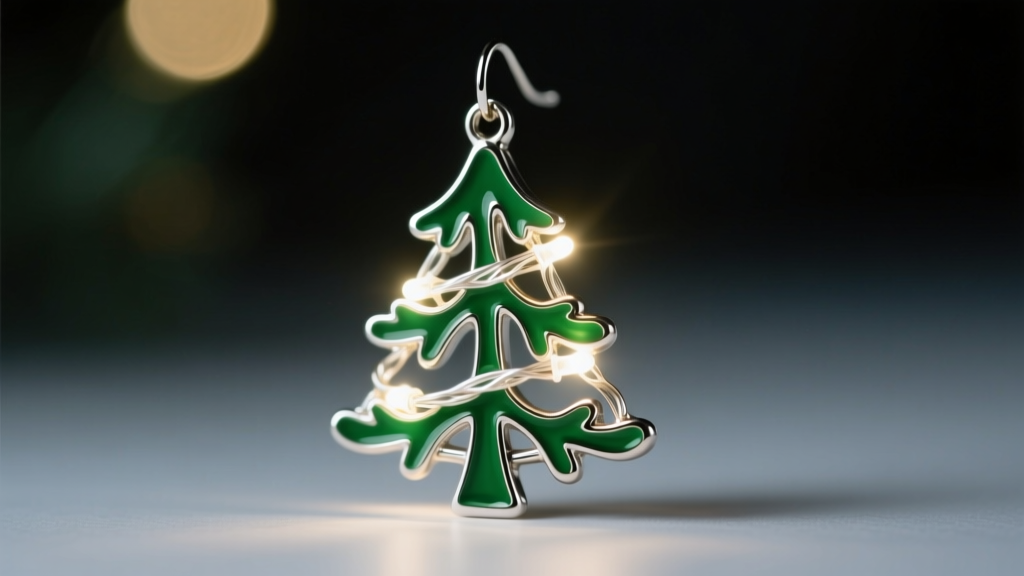
The Magic of Illuminated Holiday Jewelry
The holiday season demands a touch of magic, and in 2026, christmas earrings with lights have evolved from clunky, heavy novelty items into sophisticated, micro-engineered wearable art. Modern illuminated earrings utilize ultra-fine copper wiring and surface-mount device (SMD) LEDs to create a dazzling effect without sacrificing comfort. However, because these pieces integrate electronics with body jewelry, buying them requires a much stricter evaluation of safety, weight distribution, and material grades than standard studs or hoops.
Whether you are shopping for a pair of light-up snowflakes for an office party or a glowing reindeer dangle for a family gathering, understanding the technical specifications of these accessories is crucial. This comprehensive buying guide will walk you through the exact metrics you need to check before adding illuminated holiday jewelry to your cart.
Critical Safety and Comfort Specifications
When mixing electricity and piercings, you must evaluate three primary physical factors: weight, wire gauge, and post integrity.
Weight Distribution and Lobe Strain
A standard pierced earlobe can comfortably support 10 to 15 grams of weight for extended periods. The challenge with light-up earrings is the battery pack. Cheap novelty earrings often dangle the battery pack at the bottom of the earring, creating a pendulum effect that stretches the piercing and causes the 'cheese-cutter' effect. Look for designs where the battery pack acts as the earring back, resting securely against the rear of the earlobe, or designs that utilize ultra-lightweight lithium-polymer (Li-Po) micro-cells hidden within the main decorative body.
Wire Gauge and Insulation
The wiring used to connect the micro-LEDs should be between 28AWG and 30AWG (American Wire Gauge). Thicker wires (like 24AWG) are too stiff and will pull awkwardly on the earring frame. More importantly, check the wire insulation. Avoid enamel-coated wires, which can become brittle and crack in cold winter air, leading to short circuits. Instead, seek out earrings that use polyurethane-coated copper wire, which remains flexible and durable across varying temperatures.
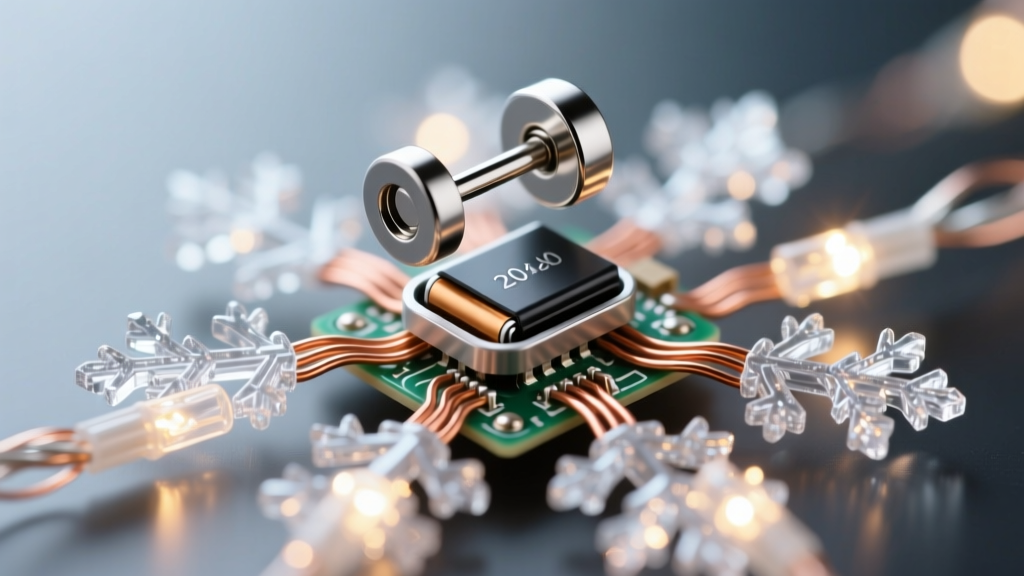
Battery Types and Runtime Comparison
The power source dictates both the weight of the earring and how long you can wear them at a holiday gala. In 2026, manufacturers primarily use three types of power cells for illuminated jewelry. Use the table below to determine which battery type fits your event schedule.
| Battery Type | Voltage | Average Runtime | Pros & Cons |
|---|---|---|---|
| LR41 (AG3) Button Cell | 1.5V | 3 - 5 Hours | Pros: Extremely lightweight, cheap to replace. Cons: Short lifespan, dimmer LEDs, requires a bulky screw-top housing. |
| CR2032 Coin Cell | 3.0V | 15 - 20 Hours | Pros: Bright, consistent illumination, long runtime. Cons: Heavier, requires a larger battery pack that can drag down the earlobe. |
| USB-C Li-Po Micro-Cell | 3.7V | 8 - 12 Hours | Pros: Rechargeable, lightweight, no battery swapping. Cons: More expensive upfront, requires careful charging to avoid overheating. |
Pro Tip: If you purchase LR41 or CR2032 battery-operated earrings, always remove the battery when storing them for the season. Battery acid leakage can corrode the delicate copper soldering joints, ruining the piece permanently.
Material Matters: Avoiding Holiday Nickel Rashes
The most overlooked aspect of buying christmas earrings with lights is the metal that actually penetrates the skin. The decorative frame might be painted brass or resin, but the earring post must be biocompatible. The warm, moist environment of a healing or sensitive piercing combined with the slight heat generated by LED resistors can accelerate allergic contact dermatitis.
According to the American Academy of Dermatology, nickel is the most common culprit for jewelry-induced skin reactions. Many budget-friendly holiday earrings use 'Tibetan Silver' or generic 'alloy' posts, which are heavily laden with nickel and zinc.
What to Look For on the Label:
- 316L Surgical Steel: The baseline standard for safe jewelry. It contains trace amounts of nickel, but it is bound tightly enough that it rarely causes reactions unless you have a severe allergy.
- ASTM F136 Titanium: The gold standard for sensitive ears. If you are prone to rashes, only buy light-up earrings featuring implant-grade titanium posts. The Mayo Clinic highly recommends titanium for individuals with confirmed contact allergies.
- 14k Gold-Filled or Solid Gold: Excellent conductivity and hypoallergenic properties, though rare in novelty light-up jewelry due to the high manufacturing cost.
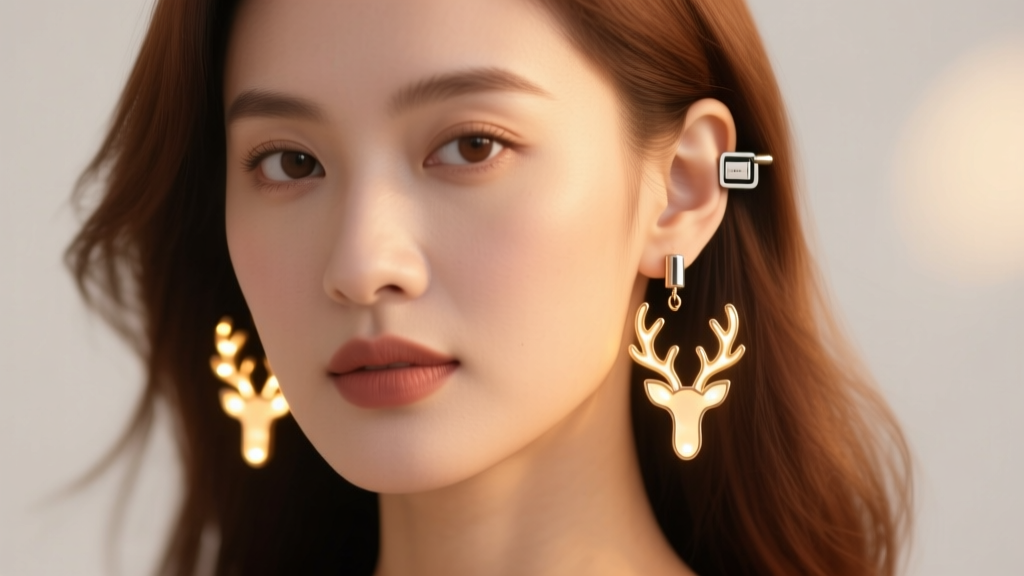
Top Styles for 2026: Trees, Snowflakes, and Reindeer
This year's market has moved away from flat, 2D stamped metal shapes. The leading trend in illuminated holiday earrings involves three-dimensional structural framing.
The Weeping Willow Tree
These dangle earrings feature a gold-plated wireframe shaped like a pine tree, with 28AWG copper wire wrapped vertically to mimic branches. Micro-SMD LEDs are embedded at the tips, creating a 'weeping' light effect that mimics falling snow. Because of the vertical drop, ensure these are no longer than 2 inches to prevent them from catching on winter scarves.
Geometric Fiber-Optic Snowflakes
Instead of wrapping wire around a frame, these studs use a central micro-LED that feeds light into six precision-cut acrylic arms. The result is a glowing, neon-like snowflake that sits flush against the earlobe. These are exceptionally lightweight (usually under 4 grams) because they don't require heavy wire wrapping, making them the most comfortable option for all-day wear.
Minimalist Reindeer Silhouettes
For a subtler approach, look for rose-gold reindeer outlines where the LED is hidden behind the metal frame, casting a warm 'halo' glow against the skin rather than shining directly outward. This backlighting technique reduces glare and looks much more elegant in professional holiday settings.
How to Care for Light-Up Earrings
Electronics and winter weather are a volatile mix. Snow, sleet, and even heavy indoor humidity from crowded parties can compromise the circuitry of your earrings.
- Moisture Resistance: Check for an IPX4 rating. While you shouldn't submerge them, IPX4 ensures they can withstand accidental snowflakes or light splashes from a drink.
- Cleaning: Never use liquid jewelry cleaners or ultrasonic baths on light-up earrings. The chemicals will strip the polyurethane coating off the copper wire, causing immediate short circuits. Instead, use a dry, lint-free microfiber cloth to wipe down the metal frames and a soft makeup brush to dust the LEDs.
- Storage: Store them in a silica-gel lined box to prevent moisture buildup inside the battery housing during the off-season.
Troubleshooting Common LED Failures
If your christmas earrings with lights arrive dead or start flickering mid-party, don't throw them away immediately. 1. The Isolation Tab: Most new battery packs have a tiny, transparent plastic tab inserted between the battery and the contact pin to prevent drainage during shipping. Pull this out with tweezers. 2. Flickering Lights: This usually indicates a micro-fracture in the solder joint where the copper wire meets the battery pack. If you have a steady hand, applying a tiny drop of conductive silver epoxy to the base joint can permanently fix the connection. 3. Dimming: If the lights turn yellow or dim rapidly, the voltage is dropping. For LR41 batteries, this happens sharply after hour 3. Swap them immediately to restore full brightness.


