How to Clean, Store, and Style Diamond Pearl Earrings Safely
Learn how to safely clean, properly store, and elegantly style diamond pearl earrings. Expert steps for maintaining luster and metal integrity.

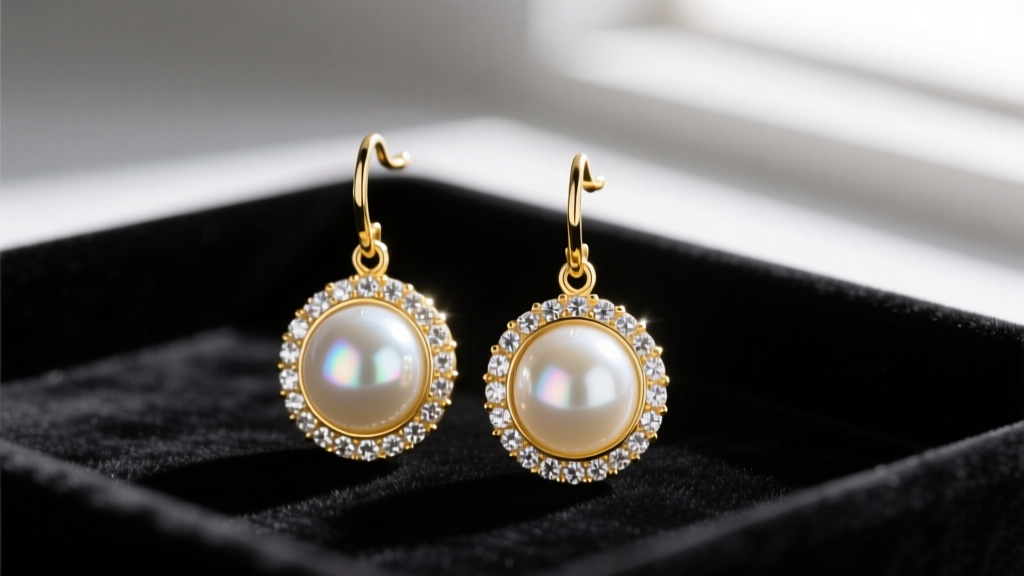
The juxtaposition of organic, iridescent pearls and brilliant, crystalline diamonds creates one of the most timeless aesthetics in fine jewelry. However, pairing these two vastly different materials in a single piece of jewelry presents unique challenges for maintenance, storage, and styling. Because diamonds rank as a 10 on the Mohs hardness scale and pearls sit at a fragile 2.5 to 4.5, improper care can lead to catastrophic damage to the pearl's nacre. This comprehensive, step-by-step guide will walk you through the exact protocols for cleaning, storing, and styling your diamond pearl earrings to ensure they remain pristine for generations.
The Anatomy of Diamond Pearl Earrings: Understanding Material Vulnerabilities
Before reaching for a cleaning cloth, it is crucial to understand the structural vulnerabilities inherent in diamond pearl earrings. Most designs feature a diamond-encrusted metal setting (typically 14k or 18k gold, or platinum) that cups or crowns a cultured pearl.
- The Mohs Discrepancy: A diamond is hard enough to scratch glass, steel, and certainly a pearl. If your earrings are stored loosely in a jewelry box, the diamond accents will inevitably micro-scratch the pearl's surface, destroying its orient and luster.
- Adhesive Sensitivity: Many pearl stud and drop earrings rely on a jeweler's epoxy to secure the pearl to a metal post or cap. Harsh chemicals, ultrasonic vibrations, and hot water will degrade this adhesive, causing the pearl to detach and potentially shatter on the floor.
- Nacre Porosity: Pearls are organic gemstones composed of calcium carbonate. They are highly porous and will absorb oils, perfumes, and acidic cleaners, which can cause the nacre to yellow or 'craze' (develop fine surface cracks).
Step-by-Step Guide to Cleaning Diamond and Pearl Jewelry
Forget commercial jewelry dips and ultrasonic cleaners. According to the Gemological Institute of America (GIA), ultrasonic cleaners can literally vibrate the nacre right off a pearl's bead nucleus. Here is the safest, professional-approved method for cleaning diamond pearl earrings at home.
What You Will Need
- Distilled water (tap water contains chlorine and minerals that can spot pearls)
- Mild, phosphate-free, unscented dish soap (e.g., original Dawn or Castile soap)
- A brand-new, extra-soft baby toothbrush
- Two lint-free microfiber cloths
- A wooden toothpick (for stubborn debris in prongs)
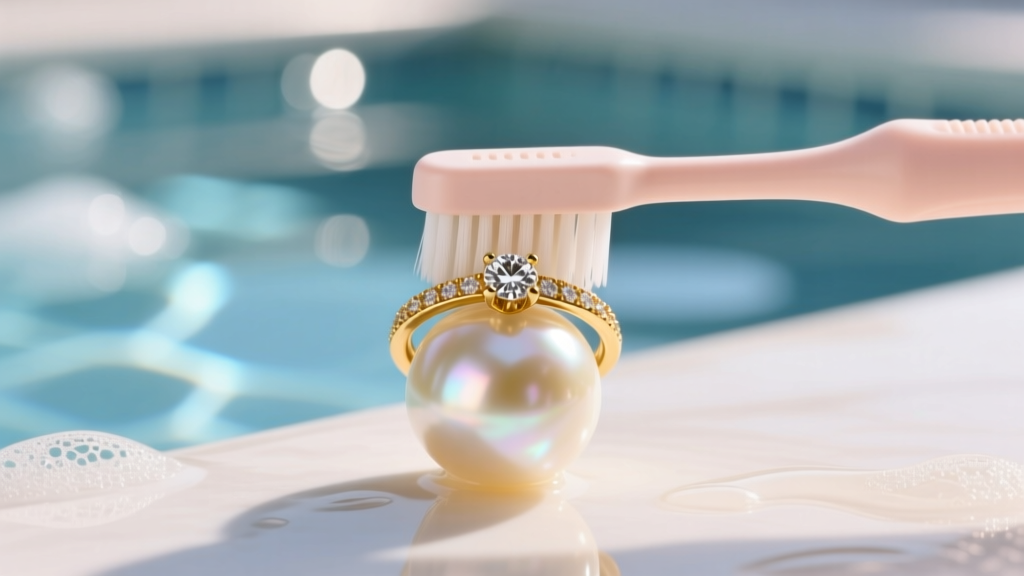
The 5-Step Cleaning Process
- Mix the Solution: In a small glass bowl, mix one cup of lukewarm distilled water with two drops of the mild dish soap. Ensure the water is never hot, as heat expands the metal post and can break the pearl's adhesive bond.
- Isolate the Diamonds: Dip the baby toothbrush into the solution and gently tap it against the side of the bowl to remove excess moisture. You want the brush damp, not dripping. Gently brush only the diamond and metal settings. Avoid touching the bristles to the pearl.
- Clean the Pearl: Dampen a microfiber cloth with plain distilled water (no soap). Gently wipe the surface of the pearl to remove skin oils and makeup. Never submerge the pearl in the soapy water.
- Clear the Prongs: If you see buildup behind the diamond melee or in the prongs, use the wooden toothpick to gently dislodge it. Never use metal needles or safety pins, as they can scratch the gold or platinum setting.
- Dry Thoroughly: Use the second, completely dry microfiber cloth to buff the diamonds and gently pat the pearl dry. Allow the earrings to air dry on a towel for at least two hours before storing to ensure no moisture remains trapped in the setting.
Proper Storage Techniques to Prevent Micro-Scratches
How you store your diamond pearl earrings is just as critical as how you clean them. The goal is to control the micro-climate around the pearls while physically separating them from the diamonds.
| Storage Factor | Ideal Condition | What to Avoid |
|---|---|---|
| Physical Barrier | Individual untreated silk or cotton pouches | Shared compartments or hard plastic boxes |
| Humidity | Moderate (40-50% relative humidity) | Airtight plastic bags or bank safety deposit boxes |
| Temperature | Stable room temperature (65-75°F) | Direct sunlight or near heating vents |
| Orientation | Laid flat or hung vertically by the hook | Tossed loosely in a drawer |
Pro Tip: Never store pearls in an airtight plastic bag or a bank safety deposit box for long periods. Pearls need to 'breathe' and require trace amounts of ambient moisture. Depriving them of humidity will cause the nacre to dry out, crack, and peel—a process known as crazing.
Styling Diamond Pearl Earrings for Modern Aesthetics
Moving beyond the traditional 'bridal' or 'matronly' associations, diamond pearl earrings can be styled to fit contemporary, avant-garde, and everyday aesthetics. The key lies in understanding metal contrast, face shapes, and neckline geometry.
Metal Color and Pearl Overtone Pairings
The metal holding your diamonds drastically affects the visual temperature of the pearls. White gold and platinum settings enhance the icy brilliance of the diamonds and pair beautifully with 'cool' overtones (rose or silver) on white Akoya pearls. Conversely, 18k yellow gold creates a warm, high-contrast frame that makes the iridescent green and cream overtones of South Sea or Tahitian pearls pop. If you are wearing diamond pearl earrings with a yellow gold setting, avoid pairing them with cool-toned silver necklaces; stick to mixed-metal or gold accents to maintain visual cohesion.
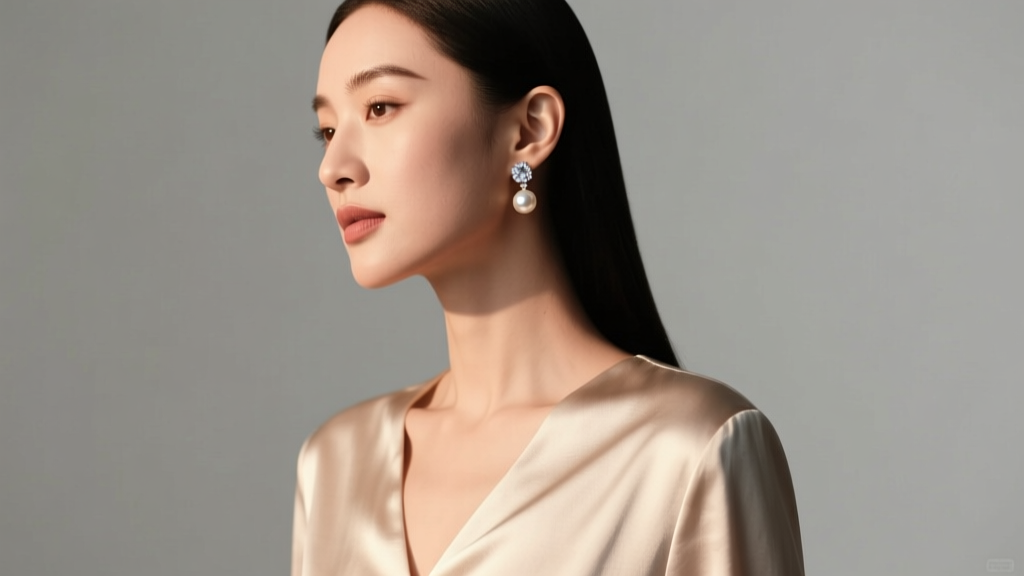
Face Shape and Silhouette Coordination
- Round Faces: Opt for diamond pearl drop or dangle earrings. The vertical line created by the diamond chain leading down to the pearl elongates the face and draws the eye downward. Avoid large, round pearl studs, which can exaggerate facial width.
- Oval Faces: You have the versatility to wear any style. Diamond-encrusted pearl huggies or geometric ear cuffs featuring pearl accents offer a modern, edgy look that complements balanced proportions.
- Square Faces: Choose diamond pearl earrings with curved, organic shapes. A diamond halo surrounding a slightly baroque (asymmetrical) pearl softens strong jawlines better than rigid, linear geometric drops.
Troubleshooting Common Pearl and Diamond Issues
Even with meticulous care, diamond pearl earrings can develop issues over time. Here is how to identify and address the most common problems.
1. The Pearl is Spinning on the Post
The Cause: The adhesive bonding the pearl to the metal cup has degraded, or the post hole inside the pearl has widened.
The Fix: Stop wearing them immediately. A spinning pearl will eventually grind the hole larger, ruining the gem. Take them to a bench jeweler to have the post lightly textured and re-glued with a specialized, flexible jeweler's epoxy.
2. Melee Diamonds Look Dark or 'Dead'
The Cause: Lotions, hairspray, and skin oils have built up under the pavé settings, blocking light return.
The Fix: Use the wooden toothpick and damp baby toothbrush method detailed above. If the diamonds still lack brilliance, the setting may require a professional steam clean (the jeweler will shield the pearl from the steam to prevent heat damage).
3. The Pearl Appears Yellowed or Dull
The Cause: Prolonged exposure to cosmetics, sweat, or airtight storage.
The Fix: Mild yellowing can sometimes be reversed by gently wiping with a cloth dampened with a tiny amount of mineral oil, then buffing dry. However, if the nacre is permanently stained or etched by acids, the pearl cannot be polished (as polishing removes nacre) and must be replaced by a jeweler.
When to Seek Professional Jeweler Maintenance
While home maintenance is excellent for surface cleaning, structural integrity requires professional eyes. According to the Jewelers of America, fine jewelry worn regularly should be inspected annually. You should book an appointment with a bench jeweler if you notice any of the following:
- Catching on Fabric: If the diamond prongs catch on your clothing, a prong has lifted and risks losing a stone.
- Rattling Sounds: A faint rattle when you shake the earring near your ear indicates a loose diamond in the pavé setting or a detached internal post.
- Post Bending: If the earring post (especially in 24k or high-karat gold) bends easily, it needs to be replaced with a harder alloy or a thicker gauge wire to support the weight of the pearl.
By respecting the delicate organic nature of the pearl and the rigid brilliance of the diamond, you can ensure your diamond pearl earrings remain a flawless, luminous staple in your jewelry wardrobe for decades to come.


