Tooth Earrings Buying Guide: Sourcing, Metals & Care
Discover how to choose authentic tooth earrings. Learn about ethical sourcing, fossil sealing, metal grades, and hardware safety in our expert guide.

The Two Worlds of Tooth Earrings
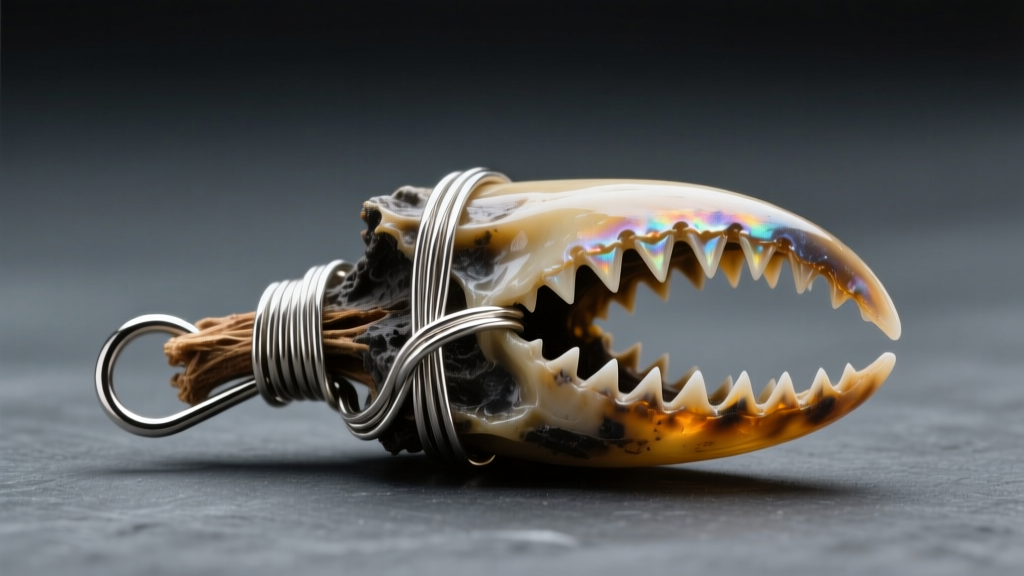
Selecting organic or motif-based tooth earrings requires navigating international wildlife regulations, understanding enamel stabilization, and calculating lobe weight tolerances. In 2026, the market is strictly divided into two categories: genuine organic/fossilized specimens and precision-cast metal motifs. Whether you are drawn to the raw, primal aesthetic of a naturally shed wolf canine or the gothic edge of a 14k gold human molar replica, the criteria for evaluating quality, safety, and ethics differ drastically between the two. This guide provides the exact technical specifications and sourcing frameworks you need to make an informed purchase.
Ethical Sourcing & Legalities for Organic Teeth
When buying genuine animal teeth, ethical sourcing is the primary concern. The illegal trade of endangered species has led to strict international enforcement. Always verify the origin of organic specimens against the CITES species database to ensure the animal is not protected or endangered.
Naturally Shed vs. Bycatch Specimens
For modern shark teeth (such as Tiger or Bull sharks), ethical jewelers source exclusively from marine bycatch or natural shedding on the ocean floor. Avoid vendors who cannot provide a clear chain of custody. For terrestrial animals like wolves, bears, or big cats, naturally shed teeth are exceptionally rare and command premium prices (often $300+ per tooth). Most affordable organic teeth on the market are sourced from regulated hunting or the exotic meat trade. If a vendor claims a pristine wolf canine is "naturally shed" but sells it for $40, it is likely a counterfeit cast from resin or bone.
The Critical Role of Sealing and Stabilization
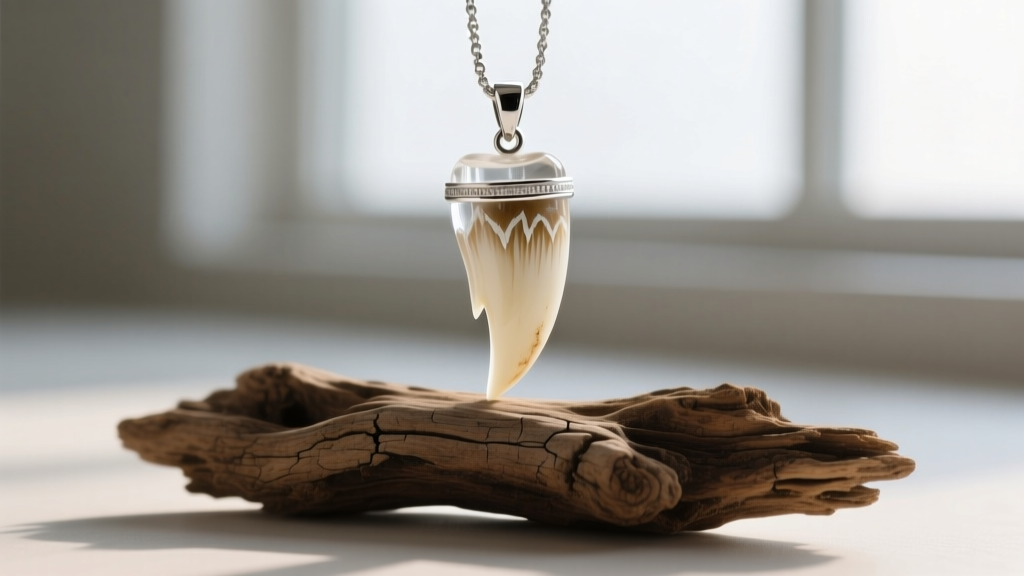
Organic teeth are highly porous. Without professional stabilization, they will absorb moisture from the air and skin oils, leading to micro-cracking, yellowing, and severe odors. High-end organic tooth earrings are vacuum-sealed using Paraloid B-72 (an archival-grade acrylic resin) or deeply penetrated with cyanoacrylate (CA glue). Never buy unsealed organic teeth for daily wear; the structural failure rate within six months is nearly 100%.
Fossilized Teeth: Megalodon and Prehistoric Options
Fossilized teeth, particularly from the Otodus megalodon or Spinosaurus, offer a legally unencumbered and visually striking alternative to modern specimens. However, their physical properties present unique jewelry-making challenges.
The Drilling vs. Wire-Wrapping Debate
Many mass-market fossil earrings feature drill holes at the root or enamel crown. Drilling a 50-million-year-old fossilized surface requires diamond-tipped core bits and continuous water cooling. Inexpensive manufacturers often use standard steel bits, causing "blowout"—a catastrophic micro-fracture that compromises the enamel and drastically reduces the specimen's value. As a buyer, always prioritize wire-wrapped fossil earrings. Skilled artisans use 20-gauge or 22-gauge dead-soft Argentium silver or niobium wire to create a secure, tension-based bail without altering the fossil's integrity.
Weight Tolerances and Lobe Health
Fossils are essentially dense stone. A modest 1.5-inch Megalodon tooth can weigh between 12 and 18 grams, while a 3-inch specimen can easily exceed 40 grams. Standard earlobe piercings (typically 20g or 18g) are only rated to comfortably support 4 to 7 grams. Wearing heavy fossil dangles on standard lobes will result in tissue stretching, migration, and eventual tearing. If you desire large fossilized tooth earrings, you must either opt for ear cuffs, clip-ons, or professionally stretched lobes (14g to 10g) equipped with heavy-duty leverback hardware.
Metal Tooth Motifs: Gothic & Edgy Alternatives
For those who want the aesthetic without the ethical baggage or extreme weight, metal tooth motifs are the superior choice. These range from stylized animal fangs to hyper-realistic human dental replicas.
Material Grades and Casting Quality
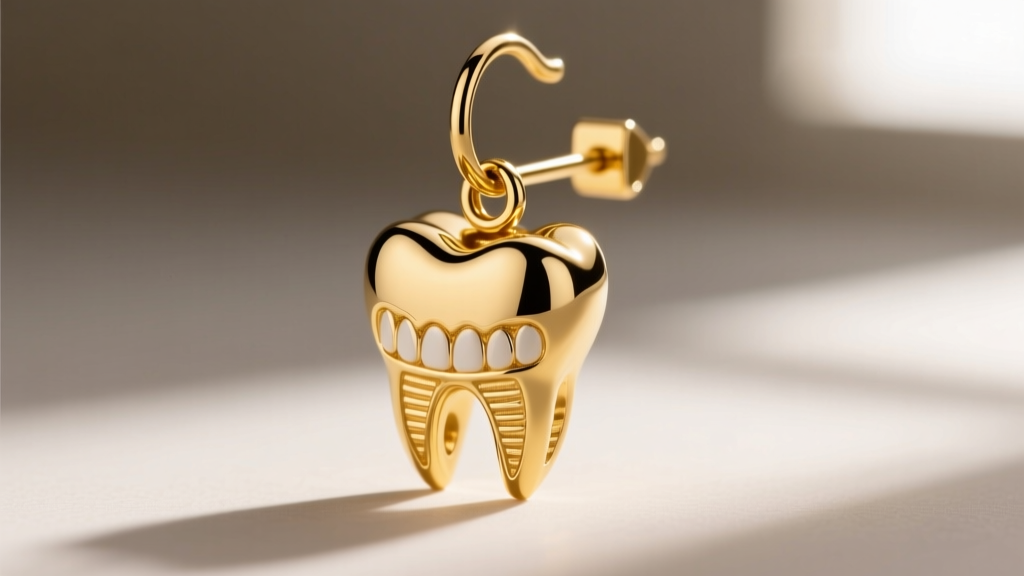
The market is flooded with cheap, hollow electroformed jewelry masquerading as solid precious metal. When buying metal tooth earrings, look for solid cast pieces. According to the FTC Jewelry Guides, items stamped "925" must be solid sterling silver. Beware of "Tibetan Silver" or "Antique Silver" tooth pendants; these are typically zinc-alloy "pot metal" containing high levels of nickel and lead, which cause severe contact dermatitis. For sensitive ears, insist on ASTM F136 implant-grade titanium or solid 14k/18k gold castings produced via CAD/CAM precision printing, which ensures sharp, anatomically accurate cusps and roots without the porosity found in traditional sand casting.
Hardware Compatibility & Weight Limits
Matching the earring hardware to the weight of the tooth (organic, fossil, or metal) is critical for long-term ear health. Use the following framework to evaluate listings before purchasing:
| Piercing Gauge | Max Safe Weight | Recommended Hardware | Ideal Tooth Type |
|---|---|---|---|
| 20g - 18g (Standard) | 4 - 7 grams | Lightweight French Hooks | Small metal motifs, baby shark teeth |
| 16g - 14g (Heavy) | 8 - 15 grams | Leverbacks, Thick Wire | Medium fossils, silver fang casts |
| 12g - 8g (Stretched) | 16 - 35+ grams | Ball Rings, Ear Cuffs | Large Megalodon, heavy gold casts |
Note: Always verify the gauge of the earring wire. Many heavy metal tooth motifs are inexplicably fitted with flimsy 22-gauge hooks that will bend and snap under the pendant's own weight.
Pricing Tiers & Market Red Flags
Understanding the true market value of tooth earrings prevents you from overpaying for fakes or underpaying for unethically sourced goods.
- Modern Shark Teeth (Fossilized/Recent): $20 - $60. (Red Flag: Bright white teeth sold as "fossilized" are usually modern teeth bleached with hydrogen peroxide).
- Megalodon (Small, 1.5" - 2"): $80 - $250. (Red Flag: "Restored" or composite teeth where missing enamel is filled with painted resin).
- Metal Motif (Sterling Silver): $45 - $120. (Red Flag: Lack of a 925 stamp or magnetic attraction to the metal).
- Metal Motif (Solid 14k Gold): $300 - $800+. (Red Flag: Gold vermeil sold as solid gold; vermeil will wear off the high-friction ridges of a tooth cast within months).
Care and Maintenance Protocols
Organic and fossilized tooth earrings must never be cleaned in ultrasonic jewelry baths or exposed to harsh chemical dips. The high-frequency vibrations will shatter micro-fractures in fossils, and chemicals will strip the Paraloid B-72 sealant from organic teeth. Instead, wipe them gently with a damp microfiber cloth and store them in a climate-controlled environment away from direct UV light, which degrades both natural enamel and stabilization resins over time. Metal motifs, conversely, can be polished with standard jeweler's rouge, taking care to avoid abrasive pastes on intentionally oxidized crevices meant to highlight the anatomical roots.


