Material Breakdown: What Are Tory Earrings Really Made Of?
Discover the exact materials, plating grades, and enamel properties used in tory earrings, plus how they compare to fine jewelry alternatives.

The Anatomy of Designer Fashion Jewelry
When consumers and collectors search for tory earrings, they are almost universally looking for the iconic, logo-driven, and geometric designs popularized by the Tory Burch brand. These pieces occupy a highly specific space in the market: designer fashion jewelry. Priced typically between $100 and $250, they offer high-end aesthetic appeal and brand prestige. However, from a metallurgical and gemological standpoint, the materials used in these earrings differ vastly from fine jewelry. Understanding the exact composition of tory earrings is crucial for managing expectations regarding longevity, skin sensitivity, and resale value. In this comprehensive material breakdown, we dissect the base metals, plating thicknesses, and synthetic inlays that define this category of designer earwear.
The Base Metal Foundation: Brass vs. Zinc Alloys
The structural core of most designer fashion earrings is not solid gold or silver, but rather a base metal alloy. The vast majority of tory earrings utilize cast brass (an alloy of copper and zinc) or zinc alloy (often referred to as Zamak). Brass is heavily favored in high-end fashion jewelry because it possesses excellent fluidity when molten, allowing for the intricate casting of detailed motifs, such as the signature double-T logos and geometric filigree patterns. Furthermore, brass provides a satisfying, weighty drape that mimics the heft of solid precious metals.
However, the copper content in brass is the primary culprit behind the dreaded 'green ear' phenomenon. When copper reacts with the lactic acid and salts in human sweat, it undergoes oxidation, creating copper chloride—a green residue that transfers to the skin. To mitigate this, reputable designers ensure that the actual earring posts (the part that pierces the skin) are made from 20-gauge or 22-gauge surgical stainless steel or titanium, even if the decorative head is cast brass. Always check the post material before purchasing if you have a known copper or nickel sensitivity.
The Plating Reality: Flash vs. Micron Thickness
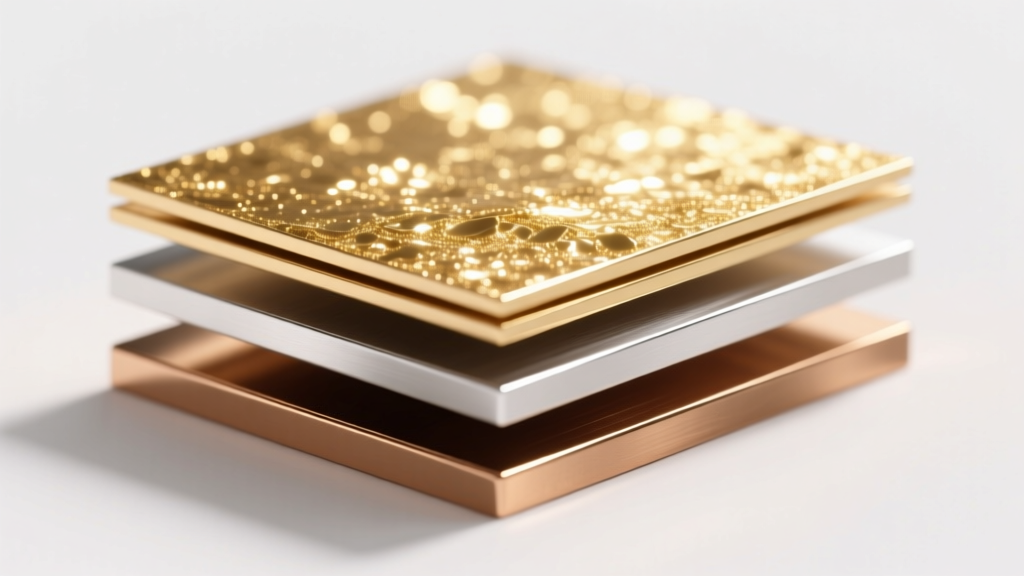
The brilliant gold or silver finish on tory earrings is achieved through electroplating. According to the Federal Trade Commission (FTC) Jewelry Guides, the terminology used to describe this plating is strictly regulated based on thickness. Most designer fashion earrings utilize flash plating or gold electroplate.
Understanding Plating Grades
- Flash Plating: Less than 0.175 microns of gold. This is essentially a microscopic wash that provides immediate color but wears away rapidly with friction.
- Gold Electroplate: A minimum of 0.175 microns (approx. 7 millionths of an inch). This is the standard for most mid-tier designer fashion jewelry.
- Heavy Gold Electroplate: A minimum of 2.5 microns. This is rarely used in standard fashion jewelry due to cost, but is common in 'demi-fine' brands.
Because tory earrings typically feature gold electroplate over a brass base, a barrier layer (often nickel or palladium) is applied first to prevent the copper from migrating to the surface and tarnishing the gold. If this barrier layer is compromised by scratching, the underlying brass will oxidize, leading to localized flaking and discoloration.
The Enamel Illusion: Cold Epoxy vs. Vitreous Glass
A defining characteristic of many popular tory earrings is the use of vibrant, opaque color inlays. While they look like traditional enamel, these are almost exclusively cold enamel (epoxy resin), not vitreous enamel. Vitreous enamel is made from powdered glass fused to metal in a kiln at temperatures exceeding 1,400°F (760°C). It is incredibly durable but expensive and difficult to apply to complex, multi-layered brass castings.
Cold enamel, conversely, is a two-part epoxy resin that cures at room temperature. It allows for a wider spectrum of precise, Pantone-matched colors and is much more cost-effective for mass production. While modern epoxy resins are highly resistant to chipping compared to glass enamel, they are vulnerable to UV degradation. Over 3 to 5 years of daily wear, white and pale blue cold enamel inlays may develop a slight yellowish tint due to prolonged ultraviolet exposure and contact with cosmetic chemicals like perfumes and hairsprays.
Material Comparison Matrix: Fashion vs. Fine
To contextualize the material properties of tory earrings, we must compare them against other tiers of the jewelry market. The Gemological Institute of America (GIA) notes that understanding metal purity and plating is essential for consumers navigating the modern jewelry landscape.
| Property | Designer Fashion (Tory) | Demi-Fine Jewelry | Fine Jewelry |
|---|---|---|---|
| Base Metal | Cast Brass / Zinc Alloy | Sterling Silver (925) | Solid 14k/18k Gold |
| Surface Finish | 0.175µm Gold Electroplate | 2.5µm Heavy Vermeil | Solid Alloy (No Plating) |
| Color Inlays | Cold Enamel (Epoxy Resin) | Guilloché / Vitreous | Vitreous / Plique-à-jour |
| Earring Post | Surgical Steel / Titanium | Sterling Silver | Solid Gold / Platinum |
| Expected Lifespan | 2–5 Years (Daily Wear) | 5–15 Years | Generational / Heirloom |
| Price Range | $100 – $250 | $80 – $300 | $500+ |
Common Failure Modes and Galvanic Reactions
When analyzing the longevity of gold-plated brass earrings, we must address specific failure modes. The most common issue is galvanic corrosion. This occurs when two dissimilar metals (e.g., the steel post and the brass decorative head) are in contact in the presence of an electrolyte (human sweat). This creates a tiny galvanic battery, accelerating the corrosion of the less noble metal. Over time, this can cause the decorative head to loosen or the plating to pit near the junction point.
Another frequent failure mode is mechanical abrasion. The friction from hair brushing against the earrings, or the act of putting them on and taking them off, slowly wears through the 0.175-micron gold layer. Once the brass is exposed, it requires professional re-plating to restore the original finish—a service that often costs more than the retail price of the earrings themselves.
2026 Material Innovations in Designer Fashion Jewelry
As we move through 2026, the landscape of designer fashion jewelry is evolving in response to consumer demands for sustainability and hypoallergenic properties. We are beginning to see a transition away from traditional cyanide-based electroplating baths toward PVD (Physical Vapor Deposition) coatings, even in mid-tier designer brands. PVD creates a molecular bond with the brass substrate, resulting in a gold-toned finish that is up to 10 times more resistant to abrasion and sweat corrosion than standard electroplating. Furthermore, advancements in bio-based epoxies are providing cold enamel alternatives that resist UV yellowing far better than traditional petroleum-based resins.
Care and Maintenance Protocol
To maximize the lifespan of your designer fashion earrings, strict adherence to a specific care protocol is required. Never use ultrasonic cleaners or harsh chemical dips (like silver polish or ammonia-based solutions). The cavitation bubbles in an ultrasonic cleaner will shatter the bond between the cold enamel and the brass base, causing the resin to pop out entirely.
Safe Cleaning Steps
- Wipe Down: After every wear, gently wipe the earrings with a dry, lint-free microfiber cloth to remove skin oils and sweat.
- Mild Wash: If deeper cleaning is needed, use a drop of pH-neutral dish soap diluted in distilled water. Gently swab with a soft cotton swab.
- Dry Immediately: Do not let water sit on the plated surfaces. Pat dry immediately with a microfiber towel.
- Storage: Store in a sealed anti-tarnish bag with a silica gel packet to control ambient humidity, which accelerates brass oxidation.
By understanding the metallurgical realities of tory earrings, you can appreciate them for what they truly are: beautifully crafted, brand-driven fashion accessories that require mindful care, rather than indestructible fine jewelry heirlooms.


