Troubleshooting Black Beaded Earrings: Fading and Snaps
Discover expert troubleshooting for black beaded earrings. Learn how to stop dye fading, prevent string breakage, and fix heavy dangles.

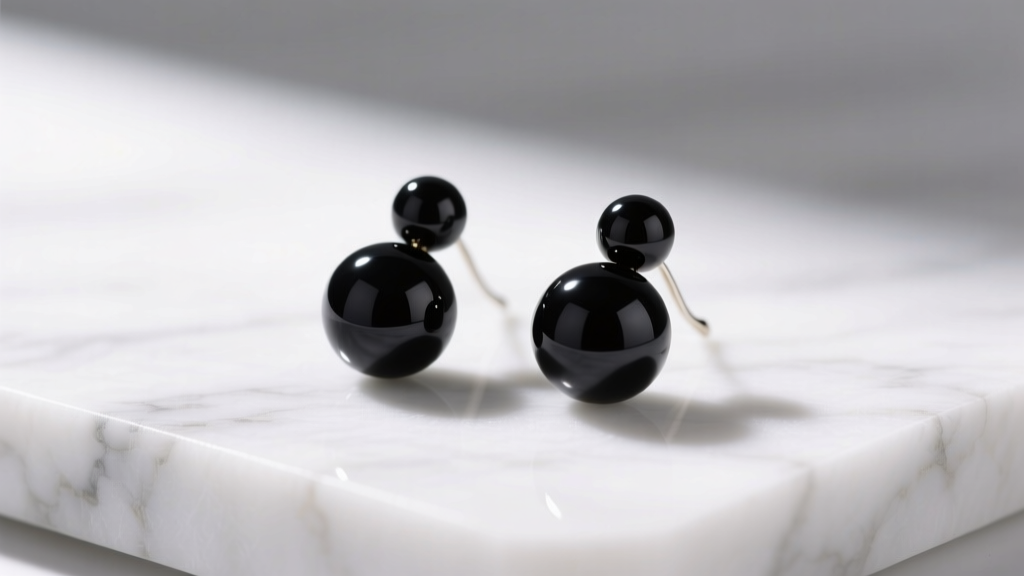
The Hidden Vulnerabilities of Black Beaded Earrings
Black beaded earrings are a timeless wardrobe staple, offering a sleek, versatile aesthetic that transitions effortlessly from daytime office wear to evening elegance. However, beneath their polished exterior lies a unique set of structural and material vulnerabilities. Unlike solid metal hoops or cast studs, beaded earrings rely on a complex assembly of stringing materials, crimps, jump rings, and individual stones or glass components. When one element fails, the entire piece is compromised.
As a jewelry specialist, I frequently encounter three primary complaints regarding black beaded designs: mysterious dye transfer onto the skin, catastrophic stringing failures, and lobe fatigue caused by improper weight distribution. In 2026, with the rise of mixed-material artisan jewelry, understanding the specific material grades and structural mechanics of your earrings is essential for longevity. This guide provides actionable troubleshooting frameworks to diagnose, repair, and maintain your favorite beaded pieces.
Troubleshooting Dye Transfer and Fading
The most common issue with budget-friendly black beaded earrings is dye bleeding. This occurs when porous stones are artificially dyed to mimic more expensive, naturally black gemstones. When exposed to the ethanol in perfumes, the acidity of sweat, or even high humidity, the dye breaks down, leaving a dark smudge on the jawline and neck.
Identifying Your Bead Material
Before attempting to clean or seal your earrings, you must identify the base material. According to the Gemological Institute of America (GIA), natural black gemstones like onyx and spinel possess a vitreous luster and do not require dye. Conversely, howlite and agate are highly porous and frequently treated. To test your beads, dip a cotton swab in rubbing alcohol and rub it vigorously against an inconspicuous bead. If the swab turns gray or black, your earrings are dyed and require immediate sealing.
| Material | Mohs Hardness | Fade/Bleed Risk | Average Price Range | Recommended Cleaning |
|---|---|---|---|---|
| Dyed Howlite | 3.5 | High (Bleeds easily) | $5 - $15 | Dry microfiber only |
| Black Onyx (Natural) | 7.0 | None | $20 - $45 | Mild soap and water |
| Black Spinel | 8.0 | None | $25 - $60 | Ultrasonic safe |
| Black Glass | 5.5 | None (Colorfast) | $8 - $20 | Glass cleaner |
The Sealing Solution
If you own dyed howlite or agate earrings that you love, you can lock the dye in place. Apply a thin, even coat of a specialized jewelry sealant like ProtectaClear or a high-quality clear polyurethane spray. Avoid using standard clear nail polish, as it often yellows over time and can chip off in sharp, jagged flakes that scratch the skin. Allow the sealant to cure for a full 24 hours before wearing.
Solving Stringing and Wire Breakage Issues
There is nothing more frustrating than picking up an earring only to find the beads sliding off a frayed thread. Breakage in black beaded earrings usually stems from a mismatch between the bead's weight and the tensile strength of the stringing material, or from sharp edges inside the bead holes abrading the wire over time.
Upgrading to the Right Stringing Material
Silk thread, while traditional for pearls, is entirely unsuitable for heavy stone or glass beads. The microscopic crystalline edges inside drilled onyx or glass beads act like tiny saws against organic fibers. For heavy black beaded dangles, you must upgrade to a multi-strand stainless steel beading wire. The Fire Mountain Gems Beading Encyclopedia recommends using a 49-strand wire for optimal drape and durability.
- Lightweight Glass Beads: Use 0.015-inch diameter wire.
- Standard Stone Beads (Onyx/Agate): Use 0.018-inch diameter wire.
- Heavy Faceted Spinel or Large Drops: Use 0.024-inch diameter wire.
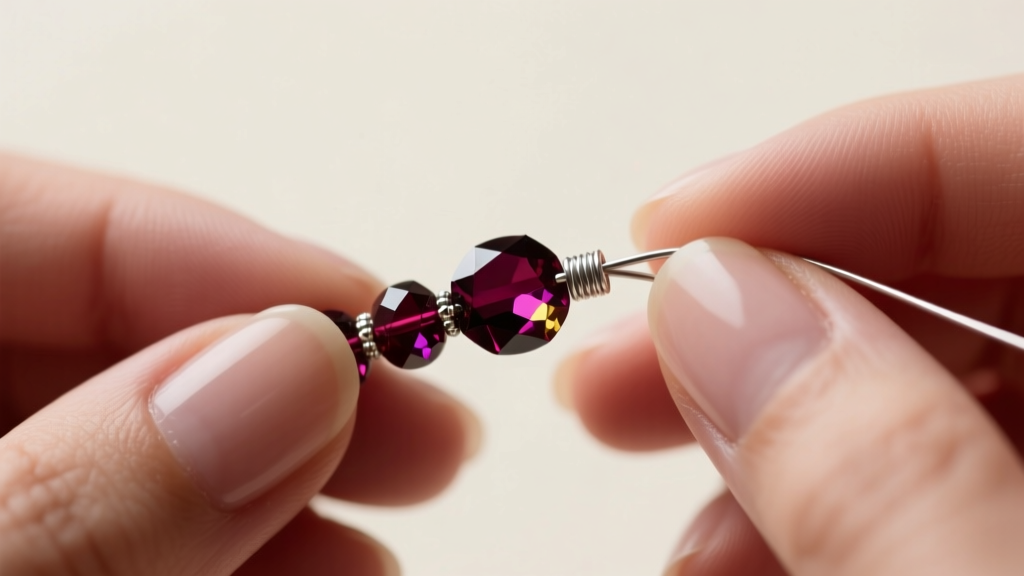
Expert Repair Tip: When restringing, never rely solely on knotting wire. Always use 2x2mm sterling silver tube crimps and flatten them with a micro-crimping tool to create a secure, folded lock. Cover the crimp with a 3mm metal crimp cover to maintain a seamless, professional finish.
Fixing Lobe Drag and Clasp Failures
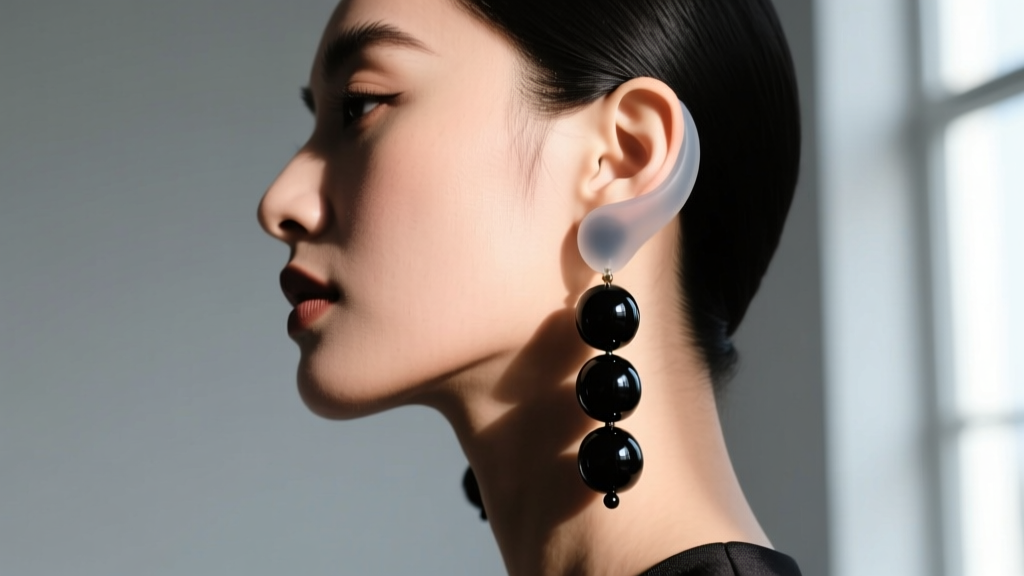
Black beaded dangle earrings often carry significant weight, leading to 'lobe drag'—where the earlobe is pulled downward, stretching the piercing and causing discomfort. Furthermore, the constant swinging motion puts immense lateral stress on the jump ring connecting the beadwork to the ear wire, eventually causing the metal to fatigue and snap open.
Structural Support Modifications
To troubleshoot lobe drag without sacrificing the design, you must distribute the weight. Swap standard butterfly push-backs for wide, flat silicone friction backs or metal disc supports. These create a larger surface area against the back of the ear, stabilizing the earring post and preventing the heavy beads from tilting forward.
For the connection points, replace standard round jump rings with oval jump rings or soldered rings. Oval jump rings are cut at the side rather than the top, meaning the natural downward pull of the heavy beads will not force the gap open. If the earring uses a French wire hook, add a tiny, clear silicone o-ring stopper behind the lobe to prevent the heavy piece from slipping out during movement.
Addressing Hidden Allergy Triggers
Many wearers assume they are allergic to the black beads themselves, when in fact, the culprit is the hidden metalwork. In mass-produced beaded earrings, the small 'spacer beads' between the black stones are often made from nickel-containing base metals or brass. When these spacers rest against the sensitive skin of the earlobe or cartilage, they trigger contact dermatitis.
The Fix: Carefully snip the wire and remove the base metal spacers. Replace them with 14k gold-filled, niobium, or surgical-grade titanium spacer beads. Niobium is particularly excellent for sensitive ears as it is hypoallergenic and can be anodized to a deep, permanent black that perfectly matches your primary beads without the risk of fading or allergic reaction.
Safe Cleaning Protocols to Preserve the Finish
Maintaining the deep, rich color of black beaded earrings requires a tailored cleaning approach. Ultrasonic cleaners, while fantastic for bare diamonds and solid gold, can shatter glass beads with internal stress fractures and will instantly strip the dye from treated howlite.
- Dust Removal: Use a soft, clean makeup brush to sweep away skin cells and dust trapped between the beads.
- Surface Wipe: Dampen a microfiber cloth with distilled water (avoid tap water, which can leave mineral deposits on dark stones) and gently wipe each bead.
- Drying: Lay the earrings flat on a dry towel. Never hang wet beaded earrings, as the water will seep into the crimps and cause the internal steel wire to rust, eventually staining the beads from the inside out.
Summary Checklist for Bead Maintenance
By understanding the material science and structural mechanics of your jewelry, you can extend the life of your black beaded earrings by years. Perform a quick diagnostic check every six months: test for dye bleed with alcohol, inspect the crimps for slippage, and ensure your jump rings remain tightly closed. With these targeted troubleshooting techniques, your favorite beaded designs will remain as striking and secure as the day you bought them.


