Troubleshooting Hoop Earrings James Avery: Clasp & Tarnish Fixes
Learn how to fix stuck clasps, clean oxidized silver, and support heavy charm hoops with our expert troubleshooting guide for James Avery earrings.

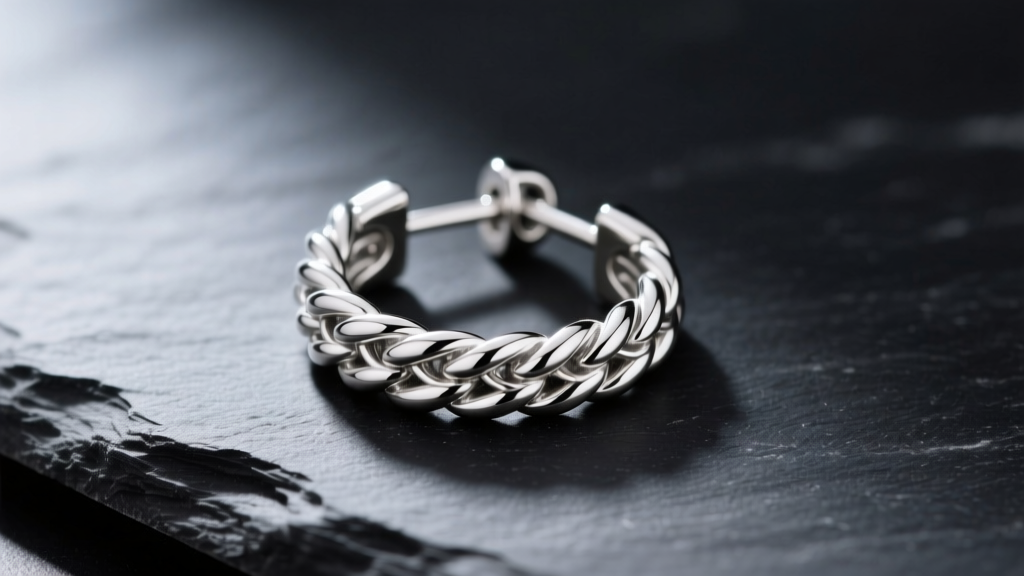
James Avery hoop earrings are iconic staples in Southern jewelry collections, celebrated for their substantial weight, intricate twisted motifs, and signature charm compatibility. However, the very characteristics that make these hoops desirable—their heavy-gauge sterling silver construction, complex hinge mechanisms, and deep oxidized crevices—also make them prone to specific wear-and-tear issues. Whether you are dealing with a stubborn saddleback clasp, loss of contrast in your twisted silver hoops, or earlobe fatigue from heavy dangles, this comprehensive troubleshooting guide provides exact, jeweler-approved solutions for maintaining your James Avery hoops in 2026.
The Unique Anatomy of James Avery Hoops
Before attempting any repairs, it is critical to understand the manufacturing standards James Avery employs. Unlike flimsy, mass-produced 22-gauge or 24-gauge fashion hoops, authentic James Avery hoops are typically cast or die-struck in 18-gauge or 16-gauge .925 sterling silver (and occasionally 14k gold). This thickness provides structural integrity but requires precise hinge engineering. Furthermore, many of their textured designs (like the Twist or Beaded hoops) utilize a factory-applied liver of sulfur oxidation to create contrast in the recessed areas. Understanding these material realities is the first step in avoiding catastrophic DIY mistakes.
Troubleshooting Stuck or Loose Hinged Clasps
The most frequent complaint regarding medium and large James Avery hoops involves the hinged saddleback or latch-back clasp. Over time, these mechanisms either refuse to snap shut or pop open unexpectedly. This is rarely a sign of broken metal; it is almost always a tension or debris issue.
Fixing a Clasp That Won't Snap Shut
If your hoop requires excessive force to close, the hinge barrel is likely impacted with microscopic debris (dead skin cells, lotion, and dust).
- The Fix: Do not use oil or WD-40, which will attract more grit. Instead, take a 0.5mm dental pick or a sterile sewing needle and gently ream out the hollow hinge barrel on the female side of the clasp.
- The Click Test: A healthy James Avery saddleback clasp should produce a crisp, audible 'click' when the male post seats into the barrel. If it feels mushy after cleaning, proceed to tension adjustment.

Fixing a Clasp That Pops Open (Loose Tension)
If the male post slides in too easily, the tension wire has relaxed. You can safely recalibrate this at home without marring the silver.
- Secure the earring in a soft cloth to prevent scratching.
- Using nylon-jaw jewelry pliers (never bare steel pliers, which will gouge the .925 silver), gently grip the male post.
- Apply a microscopic amount of outward pressure—bending the post away from the hoop by no more than 1 to 2 degrees.
- Test the closure. Repeat only if necessary. Over-bending will cause the post to bind and refuse to enter the barrel.
Solving Sterling Silver Tarnish in Intricate Twists
Tarnish (silver sulfide) is inevitable, but the way you remove it from James Avery hoops dictates whether you preserve or destroy the piece's value. The Gemological Institute of America (GIA) warns against using abrasive pastes on textured silver, but the danger with James Avery specifically is chemical stripping.
Critical Warning: Never use liquid silver dips (like Tarn-X) or ultrasonic cleaners on oxidized James Avery hoops. These chemicals will instantly strip the intentional black patina from the crevices, leaving the earring looking flat, chalky, and over-polished.
The Safe Cleaning Protocol for Textured Hoops
To remove tarnish from the high-polish raised edges while protecting the dark oxidized recesses, follow this targeted approach:
- Step 1 (Degreasing): Soak the hoops for 3 minutes in warm water mixed with a few drops of mild, phosphate-free dish soap (like Dawn). Use a baby toothbrush with ultra-soft bristles to gently agitate the crevices. Rinse and pat dry with a microfiber cloth.
- Step 2 (Selective Polishing): Take a Sunshine Polishing Cloth (impregnated with micro-abrasives) and wrap it tightly around your index finger. Carefully run your finger only along the raised, high-polish ridges of the twist or beaded design. Avoid pressing into the grooves.
- Step 3 (Storage): Store in an anti-tarnish ziplock bag with a 3M anti-tarnish strip to absorb ambient sulfur.
Fixing Earlobe Stretching from Heavy Charm Hoops
James Avery is famous for their charm-compatible hoops and large-diameter statement pieces. However, a 50mm sterling silver hoop paired with two or three silver dangles can easily exceed 12 to 15 grams per ear. Because the center of gravity sits far below the piercing hole, this creates a lever effect that pulls the earlobe forward, leading to stretched piercings and physical discomfort.
| Hoop Style / Configuration | Approx. Weight | Primary Issue | Recommended Support Solution |
|---|---|---|---|
| Standard 30mm Hinged Hoop | 3 - 5 grams | None (Well balanced) | Standard friction backs (if post style) |
| 50mm Thick Twist Hoop | 8 - 10 grams | Forward drooping | Silicone O-ring earlobe supports |
| 40mm Hoop + 2 Charms | 12 - 16 grams | Severe lobe stretching / pain | Blomeier rigid earring backs or French wire converters |
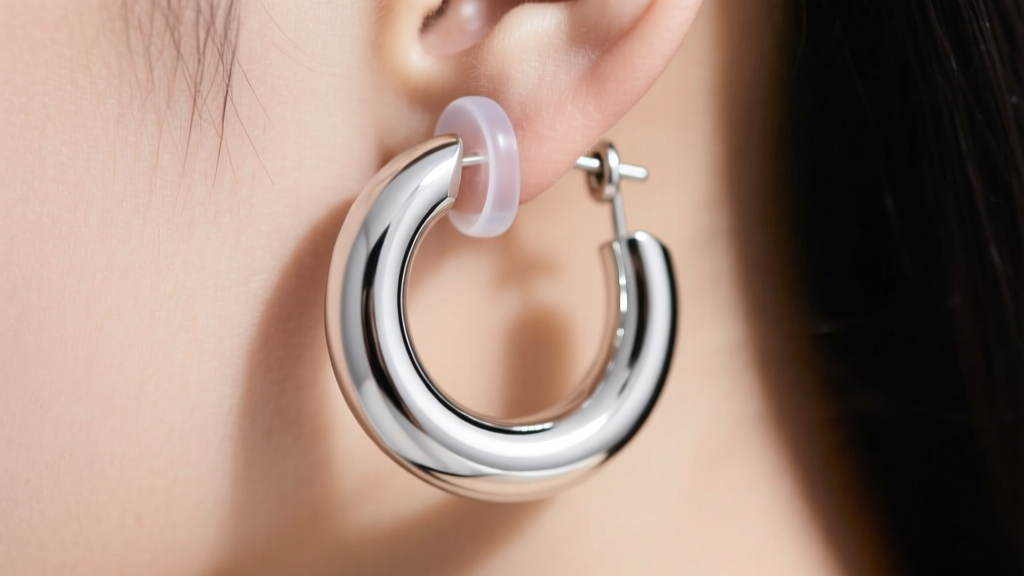
Implementing Load-Bearing Supports
If you refuse to sacrifice your favorite heavy charm hoops, you must alter the physics of how the weight is distributed. According to the James Avery repair and care guidelines, maintaining the structural integrity of your piercing is paramount.
- Silicone Support Pads: These are small, flower-shaped silicone discs that slide onto the back of the earring wire. They increase the surface area bearing the weight from a 2mm puncture hole to a 10mm area on the back of the lobe.
- French Wire Adapters: For hoops that utilize a thick 16-gauge hinge post that irritates stretched lobes, consider having a jeweler solder a standard 20-gauge French wire (fishhook) to the top of the hoop. This allows you to use standard, comfortable earring backs and reduces the gauge thickness passing through the fistula.
When to Seek Professional James Avery Repair
While clasp tension and cleaning can be managed at home, structural failures require professional intervention. If the male post of your hinge snaps off, or if the hoop itself kinks and loses its perfect circular geometry, do not attempt to solder it with a butane torch.
Sterling silver is highly thermally conductive. Applying traditional torch soldering to a small hinge area will rapidly transfer heat to the entire hoop, potentially melting delicate milgrain details or destroying the temper of the spring mechanism inside the clasp. Professional jewelers utilize laser welders, which focus a microscopic beam of light to fuse the silver in a fraction of a second without heating the surrounding metal. Furthermore, attempting DIY soldering will immediately void any remaining manufacturer warranty. For structural breaks, submit a ticket directly through the James Avery official repair portal to ensure the piece is restored using factory-matched .925 solder and re-oxidized to its original specifications.


