Dark Green Earrings Troubleshooting: Fix Stains & Gem Damage
Fix common issues with dark green earrings. Learn to prevent skin staining, clean malachite and emeralds safely, and repair heavy posts.

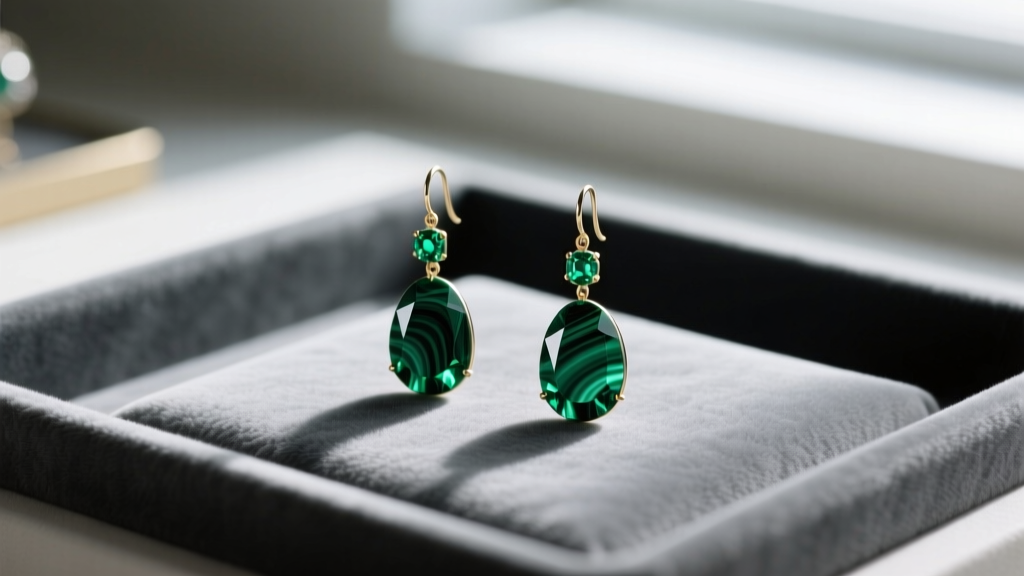
Dark green earrings are a cornerstone of sophisticated jewelry wardrobes, offering a rich, earthy elegance that ranges from deep forest emeralds to banded malachite and vivid green enamel. However, the very minerals and metallurgical techniques that create these stunning hues also introduce unique vulnerabilities. As a jewelry specialist in 2026, I frequently see clients struggling with degraded gemstones, skin discoloration, and hardware failure specific to dark green pieces.
This troubleshooting guide bypasses generic jewelry advice to address the exact chemical, structural, and gemological failure modes of dark green earrings. Whether you are dealing with a reactive malachite cabochon, a drying emerald, or the dreaded 'green ear' phenomenon, here is your actionable repair and maintenance framework.
The 'Green Ear' Phenomenon: Troubleshooting Skin Discoloration
The most common complaint with fashion and semi-fine dark green earrings is skin discoloration. This is rarely an allergic reaction or infection; it is a predictable chemical reaction. Many dark green stones (like malachite and turquoise) are heavy, requiring sturdy settings. To keep costs down, manufacturers often use copper-rich brass or low-karat gold alloys for the earring posts and bezels.
When copper alloys come into contact with the lactic acid, sebum, and salts in your sweat, they oxidize and form copper chloride. This compound is easily absorbed into the outer layer of the epidermis, leaving a stubborn dark green or black stain.
Actionable Fixes for Copper Staining
- The Barrier Method: Apply a micro-layer of Renaissance Wax or a specialized jewelry shield polymer to the earring post and the back of the bezel. Avoid standard clear nail polish, as it degrades quickly against skin oils and can trap moisture, accelerating localized corrosion.
- The Metallurgical Upgrade: If you have sensitive skin or heavy perspiration, have a jeweler swap the posts. Upgrade to ASTM F-136 implant-grade titanium or Niobium. These reactive metals form a stable, inert oxide layer that completely halts the copper-chloride reaction.
- Stain Removal: To remove existing green stains from your earlobes, do not scrub with alcohol. Use a cotton pad soaked in micellar water or a gentle oil-based cleanser to dissolve the copper salts without damaging the skin barrier.
Gemstone Degradation: Malachite, Emerald, and Dyed Agate
Dark green gemstones are not created equal. Their crystalline structures dictate entirely different troubleshooting protocols. Using a one-size-fits-all ultrasonic cleaner will destroy half the stones in this color family.
| Gemstone | Mohs Hardness | Primary Vulnerability | Safe Cleaning Protocol |
|---|---|---|---|
| Malachite | 3.5 - 4.0 | Acids, heat, ultrasonic waves | Dry microfiber cloth only |
| Emerald | 7.5 - 8.0 | Fracture-filling oil depletion | Lukewarm distilled water, soft brush |
| Green Onyx (Dyed) | 6.5 - 7.0 | UV fading, alcohol bleeding | Damp cloth, avoid direct sunlight |
| Jade (Jadeite) | 6.5 - 7.0 | Harsh chemicals, surface wax loss | Mild pH-neutral soap, no ammonia |
Malachite Toxicity and Polish Loss
Malachite is a copper carbonate hydroxide mineral (Mindat.org). It is highly reactive to acids. Even the mild acidity of human sweat can dull the mirror-polish of a malachite cabochon over time, leaving it chalky and opaque. Never wash malachite earrings in the sink. Furthermore, raw or chipped malachite releases copper-laden dust that is toxic if inhaled or introduced into an open piercing tract. If your malachite earring chips near the post, retire the piece immediately and have the stone re-cabbed or sealed with a jeweler's grade clear epoxy.
Emerald Clouding and Fracture Filling
Over 90% of emeralds on the market are treated with cedar oil or synthetic resins (like Opticon) to mask natural surface-reaching fractures. According to the Gemological Institute of America (GIA), exposure to heat, ultrasonic vibrations, or harsh degreasing soaps will leach this oil out. When the oil evaporates, the fractures turn white and cloudy, making your dark green emerald look fractured and pale. If your emerald earrings have lost their deep green saturation, a professional jeweler can perform a 're-oiling' treatment (typically costing $50–$150) to restore the stone's optical clarity.
Hardware Failure: Managing the Weight of Dense Green Stones
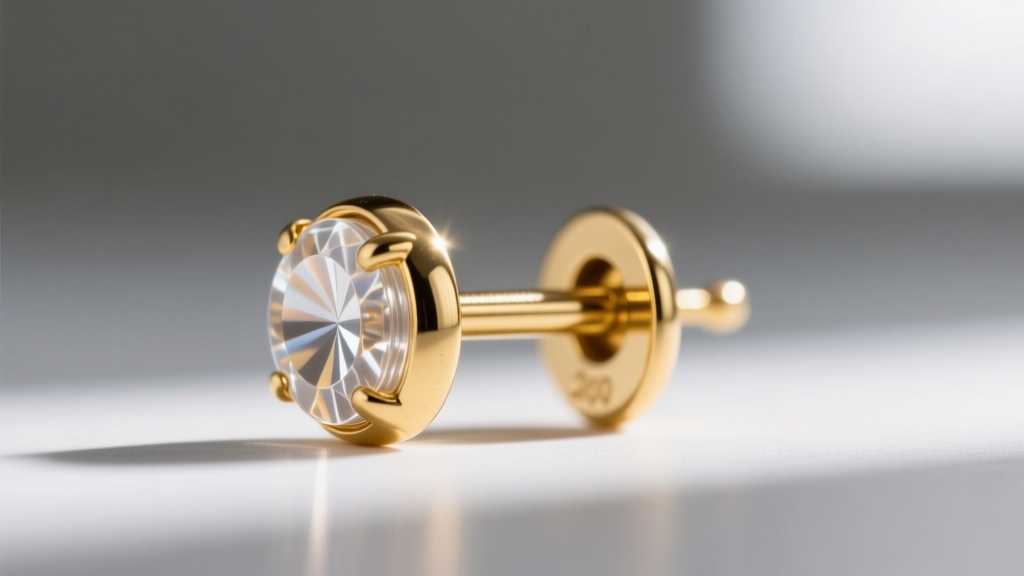
Dark green stones like malachite, jade, and thick green onyx are exceptionally dense. A standard 20-gauge (0.81mm) earring post is structurally insufficient to support a 15mm or larger cabochon. Over time, the weight of the stone causes the thin post to bend downward, altering the angle of the earring and putting uneven stress on the bezel or prongs.
Troubleshooting Drooping and Stone Loss
- Check the Gauge: Inspect the post thickness. If you are wearing heavy dark green drops, ensure the post is at least 16-gauge (1.29mm) or 14-gauge (1.63mm). If the current post is thinner, have a bench jeweler laser-weld a heavier post onto the setting.
- Upgrade the Clutch: Standard butterfly friction backs will fail under the weight of dense green stones, leading to lost earrings. Switch to La Pousette backs (which use a mechanical spring-loaded lock) or heavy-duty silicone disc backs with a metal core to distribute the weight across a wider area of the earlobe.
- Reinforce the Bezel: If the stone is rattling, the metal bezel has stretched. A jeweler can use a bezel pusher to burnish the metal back over the stone's girdle, securing it without the need for adhesives.
Enamel and Resin Chipping: Repair Protocols
Dark green vitreous enamel (often seen in guilloché or champlevé techniques) and modern jewelry resins are prone to micro-chipping when dropped on hard surfaces. Unlike a chipped gemstone, enamel damage requires specialized restoration.
Do not attempt to fill a chipped green enamel earring with superglue or UV resin. Cyanoacrylate adhesives will yellow over time, creating a visible, cloudy scar against the dark green background, and they can permanently ruin the underlying metal guilloché pattern. Instead, store chipped enamel pieces in a separate soft pouch to prevent the sharp enamel edges from scratching other jewelry, and send them to a vitreous enamel specialist. Re-enameling a small earring component typically ranges from $150 to $300, depending on the complexity of the color matching and kiln-firing required.
Step-by-Step Cleaning Matrix for Dark Green Earrings
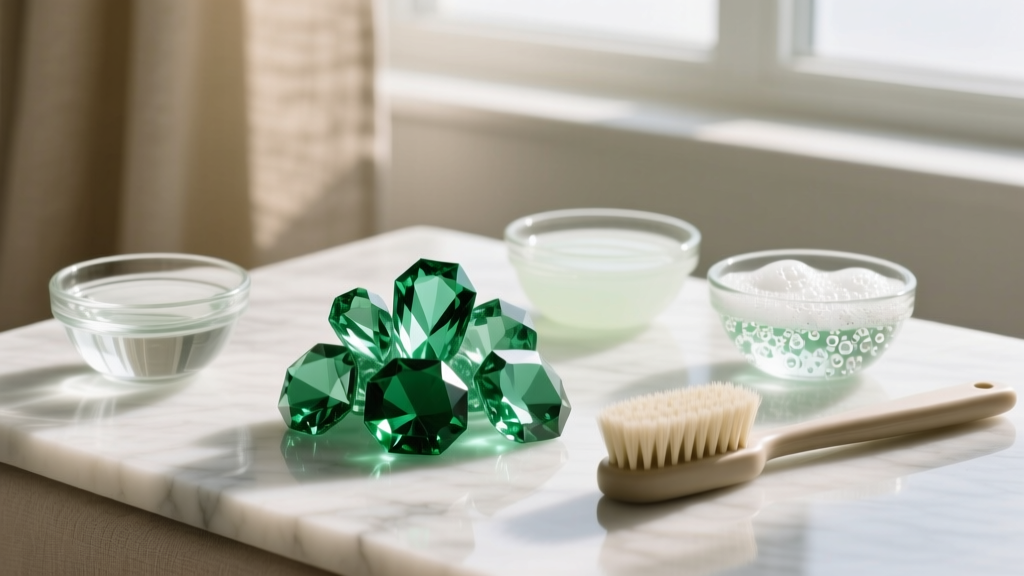
Proper maintenance prevents 90% of the issues outlined above. Follow this strict protocol based on your earring's primary material.
For Emerald and Jade (Safe for Mild Moisture)
- Mix three drops of pH-neutral, phosphate-free dish soap into a bowl of distilled water (tap water contains chlorine and hard minerals that can leave microscopic deposits in emerald fractures).
- Soak the earrings for exactly 3 minutes. No longer.
- Gently agitate with a soft-bristled baby toothbrush, focusing on the back of the setting where sebum accumulates.
- Rinse under a slow stream of lukewarm distilled water and pat dry with a lint-free microfiber cloth. Allow to air dry completely before storing.
For Malachite, Dyed Agate, and Enamel (Strictly Dry)
- Use a clean, dry makeup blending brush to sweep away dust and skin cells from the crevices of the setting.
- Buff the surface of the stone or enamel gently with a dry, untreated jewelry polishing cloth.
- Never use steam, ultrasonic cleaners, or chemical dips on these materials.
Jeweler's Insight: 'The leading cause of premature death for dark green drop earrings is improper storage. Tossing malachite and emerald earrings into a communal jewelry box guarantees micro-scratches and bezel warping. Always store them in individual, anti-tarnish flannel pouches, and ensure the earring backs are removed to prevent the posts from bending under pressure.' — Master Bench Jeweler, 2026 Guild Symposium.
By understanding the specific gemological and metallurgical properties of your dark green earrings, you can transition from reactive repairs to proactive preservation. Whether you are reinforcing a 16-gauge post to support a heavy jade cabochon or carefully re-oiling a vintage emerald, applying these targeted troubleshooting techniques will ensure your pieces remain vibrant, structurally sound, and comfortable to wear for decades.


