Troubleshooting Fakes & Fading in Green Diamond Earrings
Discover expert troubleshooting for green diamond earrings. Learn to identify treated stones, fix loose prongs, and solve metal allergy issues.

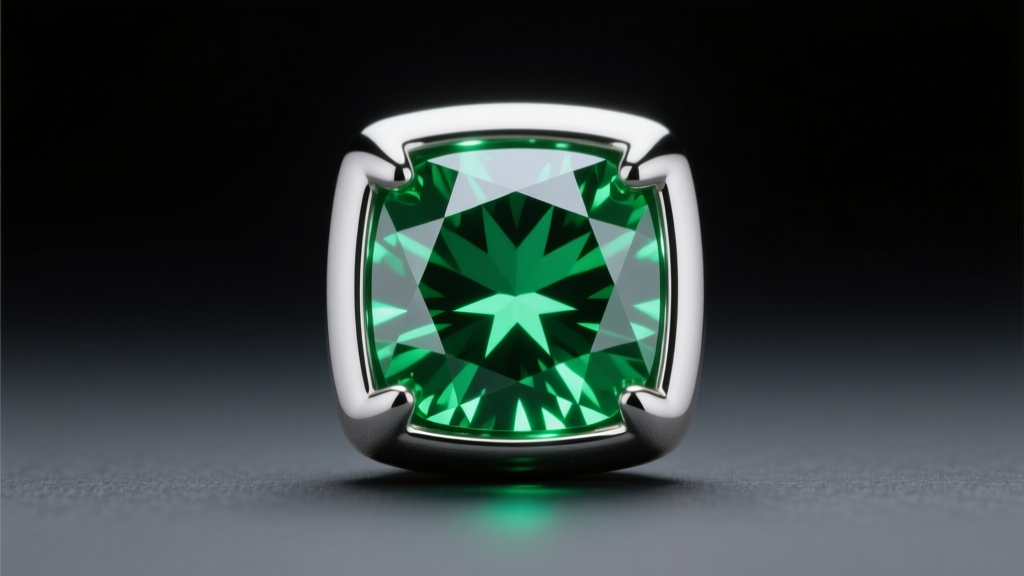
The Color Conundrum: Natural, Treated, or Simulant?
Green diamond earrings represent some of the rarest and most coveted gemstones in the jewelry market. However, their immense value and unique optical properties make them a prime target for misrepresentation, synthetic substitution, and undisclosed treatments. When troubleshooting a suspected 'fake' or 'fading' green diamond, the first step is understanding the gemological origins of the stone's color.
Natural green diamonds owe their hue to the GR1 optical center—a specific lattice defect caused by prolonged exposure to natural alpha and beta radiation in the earth's crust over millions of years. Conversely, many lab-grown or naturally colorless diamonds undergo artificial irradiation and high-temperature annealing to mimic this effect. According to the FTC Jewelry Guides, it is a federal requirement for jewelers to disclose any artificial treatments that are not permanent or that significantly affect the stone's value. If your green diamond earrings were sold as 'natural' but lack a GIA Colored Diamond Grading Report explicitly stating 'Naturally Irradiated,' you may have been sold a treated stone at a natural premium.
Identifying Simulants: Moissanite and Tsavorite
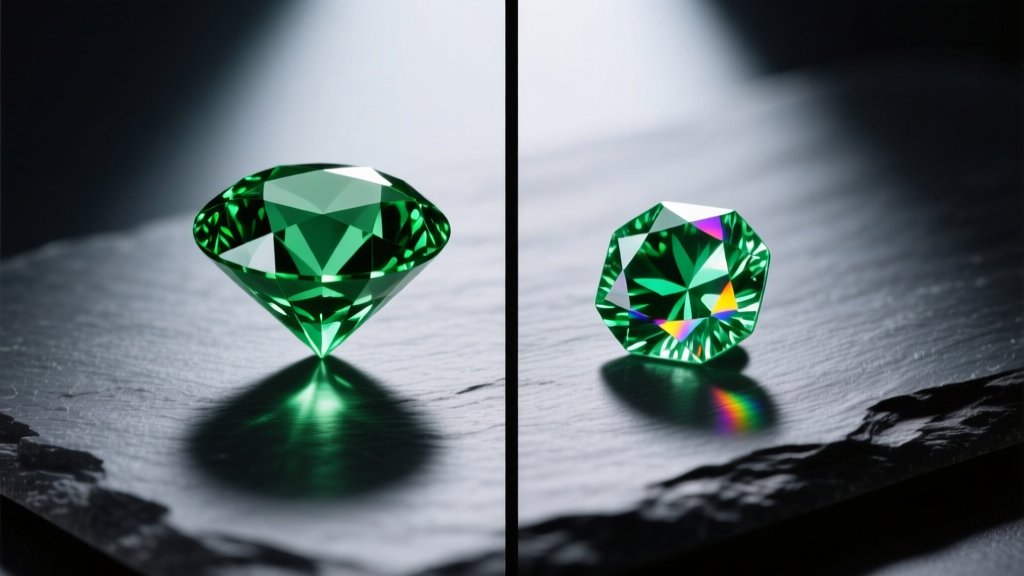
If your green diamond earrings lack the characteristic brilliance and dispersion of carbon, you might be dealing with a simulant. Green moissanite is frequently used to mimic fancy vivid green diamonds. To troubleshoot this at home, use a 10x jeweler's loupe to examine the facet junctions. Moissanite is doubly refractive; you will see a 'doubling' effect on the back facet lines when looking through the crown. Natural diamonds are singly refractive and will show crisp, single lines. Another common substitute is Tsavorite garnet. While beautiful, Tsavorite has a lower Mohs hardness (7-7.5) compared to diamond (10) and will accumulate microscopic scratches and abrasions along the girdle and facet edges within months of daily wear in earring settings.
Structural Vulnerabilities: Troubleshooting Prong Wear and Stone Loss
Colored diamonds are notoriously difficult to set. To maximize color saturation, lapidaries often cut green diamonds into radiant, cushion, or pear shapes rather than standard round brilliants. These shapes introduce structural vulnerabilities, particularly at the corners, which are highly susceptible to chipping if the earring setting is inadequate.
When troubleshooting a loose green diamond in an earring, inspect the prong gauge and metal integrity. A 1.00-carat or larger fancy colored diamond requires a minimum prong thickness of 0.85mm to 1.1mm. Many commercial jewelers use standard 0.6mm prongs to save on metal weight, which is entirely insufficient for the torque and tension earrings endure when caught on hair or clothing.
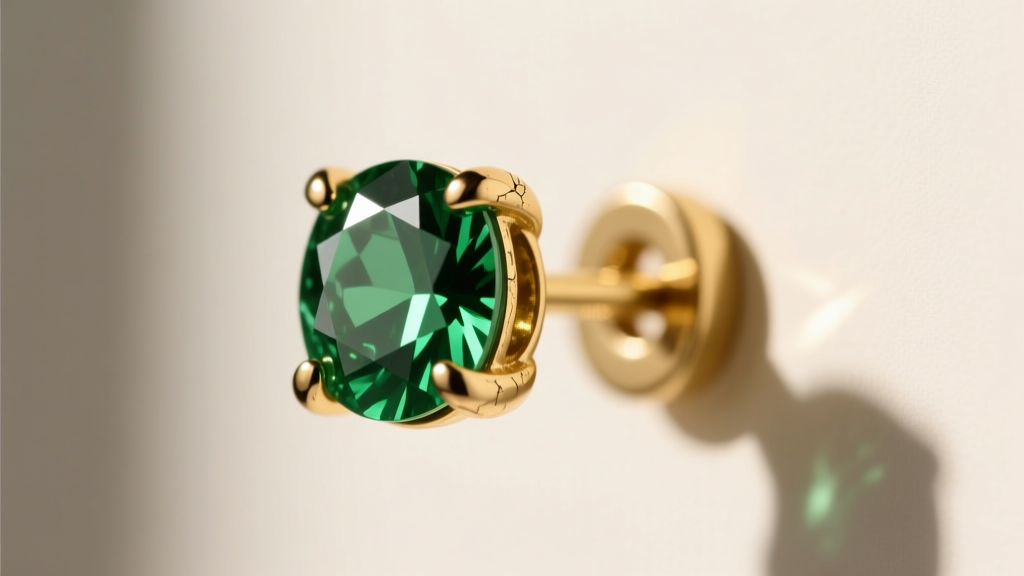
The Necessity of V-Prongs and Bezel Settings
If your green diamond earrings feature a radiant or pear cut, standard rounded prongs on the corners are a critical failure point. You must upgrade to V-prongs, which cup the entire 90-degree angle of the stone's corner, distributing impact force evenly. For ultimate protection, especially for cartilage piercings where earrings are more prone to blunt-force trauma, a full bezel setting in PT950 Platinum is the industry gold standard. Platinum's high density and malleability mean that when a platinum prong is impacted, it bends and displaces rather than snapping or shedding metal dust like 14k or 18k white gold.
The 'Green Skin' Myth: Solving Metal Allergy and Rhodium Breakdown
A common troubleshooting complaint from owners of green diamond earrings is that the jewelry is 'turning their skin green' or causing severe contact dermatitis. It is vital to understand that the green diamond itself is completely inert and biocompatible. The culprit is almost always the earring post and the alloy used in the setting.
Most white gold earrings are alloyed with copper, nickel, or zinc to achieve a silvery color, and then plated with a microscopic layer of rhodium (usually 0.75 to 1.0 microns thick). When the rhodium plating wears off—typically within 6 to 18 months on frequently worn earrings—the acidic pH of your skin reacts with the copper and nickel, resulting in green oxidation and allergic flare-ups.
| Symptom | Root Cause | Expert Troubleshooting Solution |
|---|---|---|
| Green skin discoloration behind the lobe | Copper oxidation in 14k or 18k White Gold alloys reacting to skin acidity | Replate with Rhodium or upgrade to 18k Palladium White Gold (nickel/copper-free) |
| Itching, redness, and flaking skin | Nickel allergy triggered by worn rhodium plating on the earring post | Replace the post with medical-grade Titanium (ASTM F136) or solid PT950 Platinum |
| Earring post bending or snapping | Use of soft 18k Yellow Gold or low-tensile 14k White Gold for heavy stones | Upgrade to a Platinum post or a thicker 1.2mm 14k White Gold friction post |
If you are experiencing these issues, the permanent solution is to have a master jeweler swap the white gold components for solid Platinum (PT950) or 18k Palladium White Gold, which requires no rhodium plating and is naturally hypoallergenic.
Cleaning Protocols: What Destroys a Green Diamond's Brilliance?
Because green diamonds rely heavily on light return to showcase their subtle body color, oil and sebum buildup are their worst enemies. A layer of just 5 microns of skin oil can reduce a diamond's light return by up to 40%, making a Fancy Intense Green diamond look like a dull, grayish-brown stone.
However, troubleshooting a dull green diamond requires caution. Many commercial jewelry stores will immediately toss diamond earrings into an ultrasonic cleaner. If your green diamond has been fracture-filled (a clarity enhancement sometimes used on lower-grade treated colored diamonds), the high-frequency vibrations and hot ammonia solutions in ultrasonic cleaners will literally shatter the stone or melt the silica filler, leaving the diamond cloudy and ruined.
The Safe At-Home Cleaning Framework
- Step 1: Soak the earrings in a lukewarm solution of distilled water and a few drops of pH-neutral dish soap (avoid harsh detergents with added moisturizers) for 15 minutes.
- Step 2: Gently agitate the basket of the earring using a brand-new, ultra-soft baby toothbrush. Focus specifically on the pavilion (the underside of the diamond) where oil and dead skin cells accumulate.
- Step 3: Rinse thoroughly under a gentle stream of lukewarm distilled water to prevent hard water calcium spots.
- Step 4: Dry using a lint-free microfiber cloth or a blast of compressed air to avoid leaving cotton fibers snagged on the prongs.
By adhering to these strict gemological and metallurgical troubleshooting protocols, you can ensure your green diamond earrings remain structurally secure, brilliantly saturated, and comfortably wearable for generations. Always demand full GIA certification and prioritize platinum settings to protect your investment.


