Styling a Hijab with Earrings: Best Snag-Free Materials
Discover the best metals and earring styles for wearing a hijab with earrings. Learn how to prevent fabric snags, sweat irritation, and lost jewelry.

The Micro-Climate Challenge: Friction, Moisture, and Snags
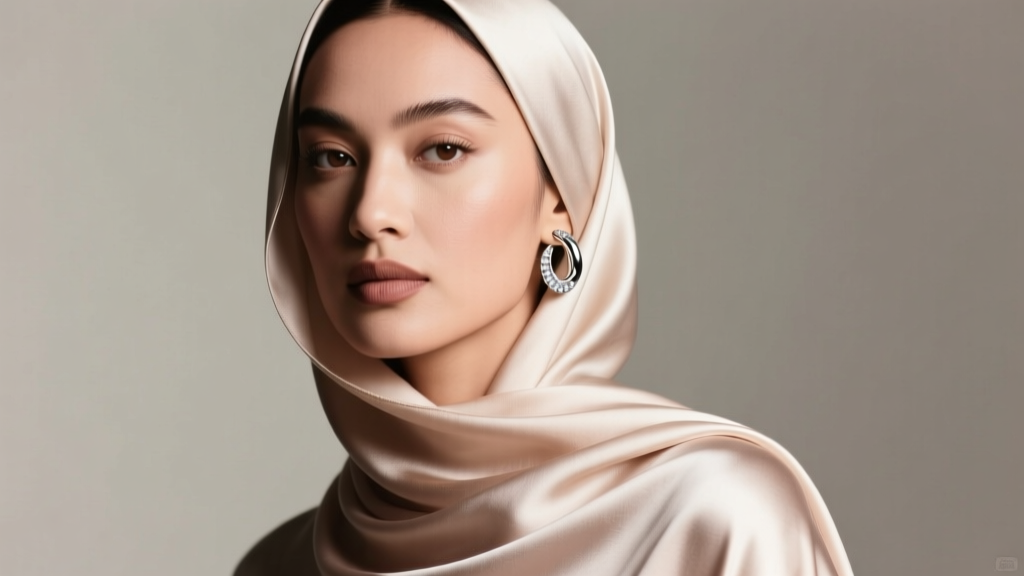
Wearing a hijab with earrings presents a unique set of physical challenges that most mainstream jewelry guides completely overlook. When you wrap a scarf—whether it is breathable chiffon, stretchy jersey, or delicate silk—around your head, you create a localized micro-climate over your ears. This environment traps heat, sebum, and ambient moisture while introducing constant, low-grade friction against your jewelry. For the modern modest fashion enthusiast in 2026, finding the right metal and structural design is not merely an aesthetic choice; it is a matter of dermatological health and fabric preservation.
The primary culprit for ruined scarves and irritated piercings is the interaction between textile fibers and earring topography. Prong-set gemstones, textured oxidized metals, and intricate filigree act as microscopic hooks. Every time you adjust your drape, these features catch and pull individual threads, leading to pilled chiffon and torn silk. Furthermore, the friction coefficient of a cotton or jersey hijab acts as a mild, continuous abrasive against the metal itself, accelerating wear and tear on plated jewelry. To successfully style a hijab with earrings, one must prioritize ultra-smooth finishes, inert metallurgy, and secure, low-profile structural designs.
Top-Tier Metals for Hijab Wearers
Not all precious metals are created equal when subjected to the daily friction of a headscarf. The ideal metal must resist abrasive wear, remain chemically inert in a high-humidity environment, and maintain a mirror polish to allow fabric to glide over it without catching.
ASTM F136 Implant-Grade Titanium
For daily wear under a hijab, ASTM F136 (Ti-6Al-4V ELI) titanium is the undisputed champion. Originally developed for medical implants, this specific alloy is entirely nickel-free and biologically inert. According to ASTM International, this grade of titanium resists corrosion from human sweat and sebum indefinitely. More importantly for hijab wearers, titanium can be polished to a glass-like mirror finish or anodized in vibrant colors without the need for surface plating. Because there is no plating to wear off from scarf friction, the earring remains perfectly smooth and hypoallergenic for its entire lifespan. Pricing for high-quality titanium flat-backs or huggies typically ranges from $30 to $85, making it an accessible, high-performance option.
Platinum and Palladium
If you prefer the look of white metal, platinum and its sister metal, palladium, are exceptional choices. Unlike white gold, platinum is naturally white and does not require rhodium plating. When a hijab rubs against platinum, the metal does not lose material; it merely displaces, developing a soft patina over time rather than wearing away to expose base metals. Platinum's high density also means it holds bezel settings securely, preventing gemstones from shifting and creating snag points. Expect to invest between $600 and $2,500 for platinum huggies or studs, but the longevity under abrasive fabrics is unmatched.
18k Solid Yellow or Rose Gold
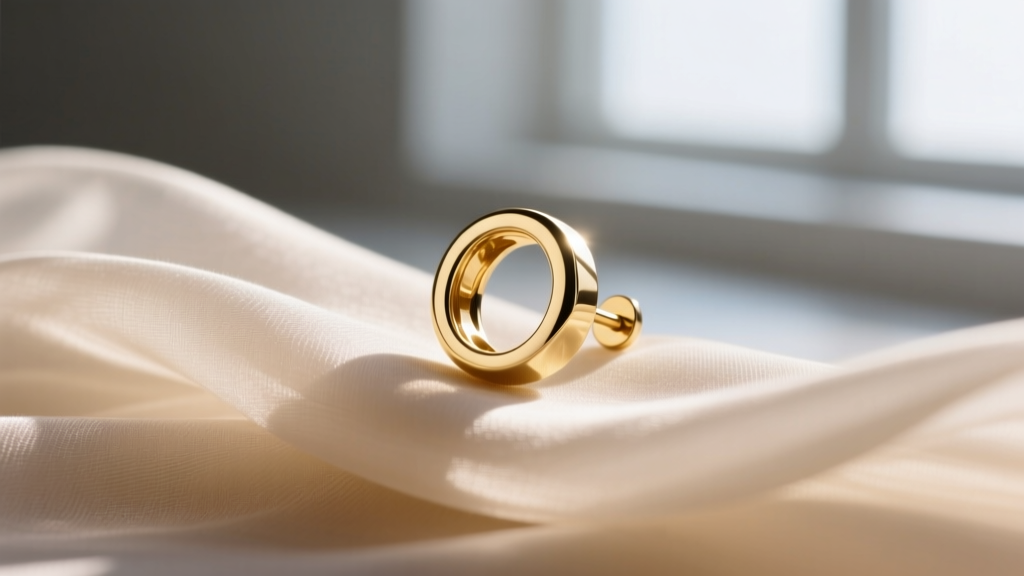
While 14k gold is harder due to its higher alloy content, 18k gold (75% pure gold) is actually superior for hijab wearers when polished correctly. The Gemological Institute of America (GIA) notes that higher gold content results in a more malleable, smoother surface that resists micro-scratching better than the harder, more brittle zinc and copper alloys found in 14k gold. A high-polish 18k yellow gold bezel stud will allow silk and satin hijabs to glide effortlessly. Avoid matte or brushed finishes, as the microscopic grooves in the metal will catch delicate textile fibers.
Material Comparison Matrix
Use this matrix to evaluate your current jewelry box and determine which pieces are safe to wear with your favorite scarves.
| Material | Friction Durability | Snag Risk on Chiffon | Sweat Reactivity | Ideal Earring Style |
|---|---|---|---|---|
| ASTM F136 Titanium | Exceptional | Zero (if polished/bezel) | Completely Inert | 16g Flat-back Labrets |
| Platinum (950) | High (Patina forms) | Very Low | Inert | Bezel-set Huggies |
| 18k Solid Gold | Moderate to High | Low (High polish only) | Low | Smooth Hoops / Studs |
| Rhodium-Plated White Gold | Poor (Plating strips) | High (Once plated wears) | High (Nickel exposure) | Avoid for daily wear |
| Oxidized Sterling Silver | Poor | Extreme (Texture catches) | Moderate (Tarnishes) | Avoid entirely |
The Hidden Dangers: Metals to Avoid Under a Scarf
When figuring out how to style a hijab with earrings, knowing what to leave in the jewelry box is just as critical as knowing what to wear. The combination of trapped heat, sweat, and textile friction turns certain popular metals into dermatological hazards.
Rhodium-Plated White Gold
White gold is naturally yellowish-gray and is plated with rhodium to achieve a bright, silvery finish. The daily friction of wrapping and adjusting a cotton or jersey hijab acts like a very fine sandpaper. Over 6 to 12 months, this motion will strip the microscopic layer of rhodium from the earring posts and backs. Once the plating is breached, the underlying nickel-copper alloy is exposed to the sweat trapped beneath your scarf. The American Academy of Dermatology frequently cites nickel exposure as the leading cause of allergic contact dermatitis, resulting in weeping, itchy, and hyper-pigmented earlobes.
Oxidized and Textured Sterling Silver
Oxidized silver features deliberate blackened grooves and matte textures to create an antique look. Under a microscope, these textures are incredibly rough. When paired with delicate fabrics like chiffon or crepe, these microscopic ridges will catch, pull, and permanently ruin the weave of your hijab. Furthermore, sterling silver contains 7.5% copper, which reacts with the acidic sweat trapped under a scarf, often leaving a greenish-black smudge on both the skin and the fabric.
Structural Design: Backings and Profiles That Survive the Hijab
Material is only half the battle; the physical architecture of the earring dictates whether it will stay securely in your ear or get pulled out by a tangled scarf.
Ditch the Butterfly Back for Flat-Back Labrets
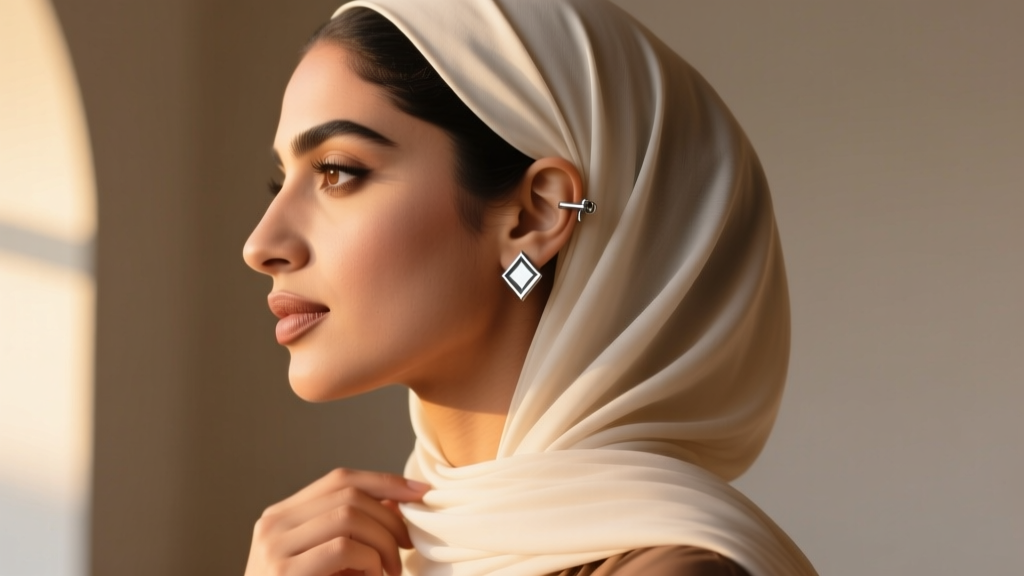
Standard butterfly (or friction) backs are a nightmare for hijab wearers. The sharp metal prongs of the backing easily snag on the loops of jersey and knit scarves, often resulting in the earring being violently pulled from the ear. Additionally, the hollow cups of butterfly backs trap dead skin cells, sebum, and sweat. Under the warm, humid environment of a hijab, this mixture forms a biofilm that causes the notorious "ear cheese" odor and can lead to localized infections.
The solution is the internally threaded flat-back labret. Opt for a 16-gauge (1.2mm) or 18-gauge (1.0mm) post in 6mm to 8mm lengths. The flat disc sits flush against the back of the earlobe, eliminating snag points entirely and allowing the hijab fabric to glide smoothly over the ear. Threadless (push-pin) ends are particularly secure, as the tension of the bent pin ensures the decorative front will never be pulled off by a snagging scarf.
Huggies with Hidden Hinges and Clasp-less Hoops
If you prefer hoops, traditional thin wire hoops with latch-backs are prone to bending and catching on fabric seams. Instead, invest in cast huggies featuring hidden hinges and secure click-shut clasps. The exterior of the huggie should be completely seamless. For cartilage piercings (like the helix or tragus) that are covered by the drape of the hijab, continuous segment rings (CSRs) or seamless clickers with a perfectly flush closure are mandatory to prevent the fabric from wedging into the hoop opening and tearing the piercing channel.
Maintenance Routine for the Hijab-Wearing Ear
Even with the best materials, the micro-climate under a hijab requires a dedicated hygiene routine. Because airflow is restricted, sebum production and sweat accumulation are amplified.
- Daily Cleansing: At the end of the day, gently wipe the front and back of your earrings with a lint-free microfiber cloth dampened with a 70% isopropyl alcohol solution. This removes the day's accumulation of sweat and skin cells without damaging the metal.
- Weekly Deep Clean: Remove your earrings entirely. Wash the posts with a mild, fragrance-free antibacterial soap. Allow your piercings to "breathe" for 15-20 minutes before reinserting the jewelry and donning a fresh scarf.
- Fabric Care: Ensure your underscarves (bonnets or tubes) are washed frequently with hypoallergenic detergents. Residue from harsh fabric softeners can transfer to your earring posts and cause localized contact dermatitis when mixed with body heat.
By prioritizing inert metals like ASTM F136 titanium and adopting flush, snag-free structural designs, you can seamlessly integrate fine jewelry into your modest wardrobe without sacrificing the integrity of your fabrics or the health of your piercings.


