How to Wear Big Drop Earrings Without Tearing Your Earlobes
Learn how to wear big drop earrings safely. Discover expert troubleshooting tips for heavy earring support, lobe repair, and the best backings to prevent tearing.

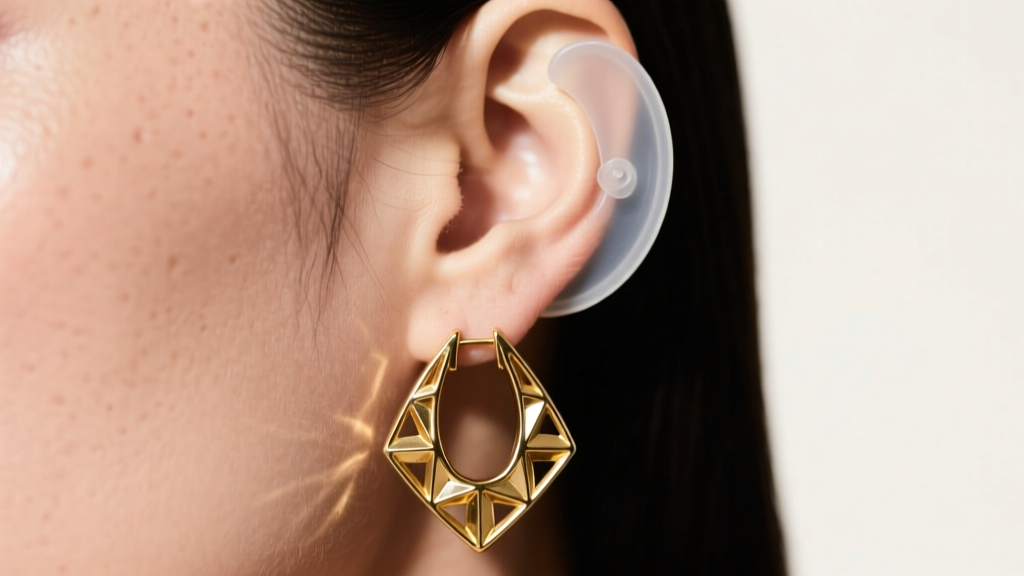
The resurgence of maximalist jewelry has brought big drop earrings back to the forefront of fashion. However, the dramatic flair of shoulder-grazing dangles and heavy sculptural drops comes with a significant anatomical cost. The human earlobe is devoid of supportive cartilage; it is composed entirely of fibrofatty tissue and a delicate collagen matrix. When subjected to the sustained downward pull of heavy metals and gemstones, this tissue is highly susceptible to micro-tearing, permanent stretching, and catastrophic splitting.
As a jewelry stylist and ear anatomy specialist, I see countless clients struggling with the physical toll of statement pieces. This guide moves beyond generic advice, offering a deep-dive troubleshooting framework for wearing big drop earrings safely, selecting the correct structural hardware, and managing lobe fatigue.
The Physics of Heavy Earrings: Why Lobes Tear
To troubleshoot earring-related lobe damage, we must first understand the biomechanics at play. Standard fashion earrings typically weigh between 3 and 7 grams. However, contemporary big drop earrings often exceed 15 to 25 grams per ear. This weight creates a continuous sheer force against the inferior aspect of the piercing fistula (the skin tunnel of the piercing).
The 14-Gram Tipping Point
Clinical observations in dermatological and plastic surgery practices indicate that the 14-gram mark is the critical threshold for standard earlobes. Once an earring surpasses 14 grams (approximately 0.5 ounces), the downward pressure exceeds the tensile strength of the lower fistula wall, especially if the wearer engages in dynamic movements like walking or turning the head quickly. Over time, this causes ischemia (restricted blood flow) to the lower rim of the piercing, leading to tissue necrosis and the dreaded 'slit' effect.
Troubleshooting the 'Forward Droop' Effect
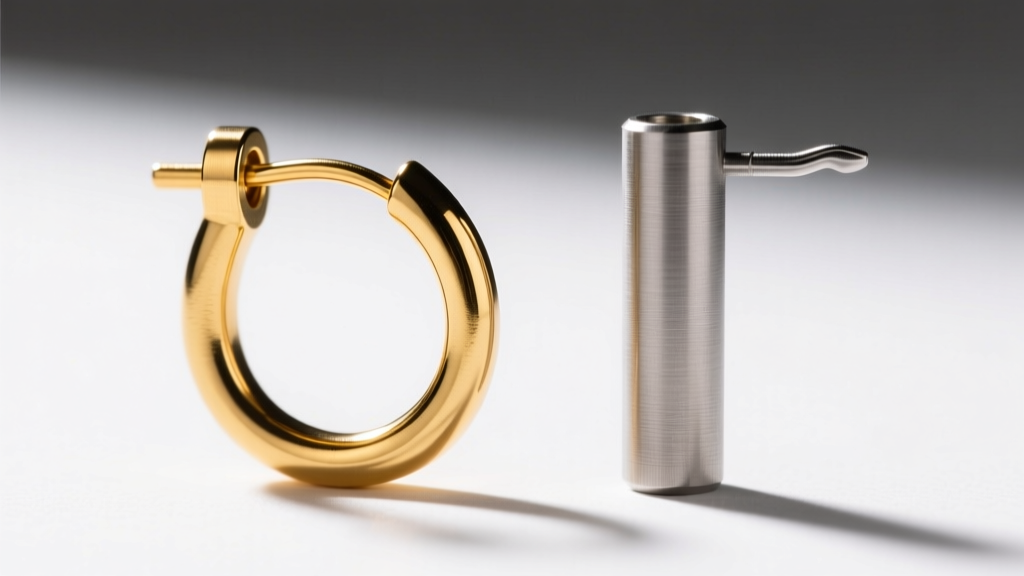
A common complaint with big drop earrings is the 'forward droop,' where the earring pulls the lobe forward and angles downward, ruining the intended silhouette. This is rarely a flaw in the earring's design; it is almost always a failure of the post gauge and the backing system.
Earring Post Gauge and Material Upgrades
Most commercial drop earrings are fitted with 20-gauge (0.81mm) or 22-gauge (0.64mm) posts to save on precious metal costs. These thin wires act like cheese cutters against the earlobe when burdened with heavy drops. To solve the forward droop and prevent slicing, you must evaluate the structural integrity of the hardware.
| Gauge Size | Diameter (mm) | Max Safe Weight | Recommended Materials |
|---|---|---|---|
| 20-Gauge | 0.81mm | Up to 8g | 14k/18k Gold, Niobium |
| 18-Gauge | 1.02mm | Up to 15g | 316L Stainless Steel, Titanium |
| 16-Gauge | 1.29mm | Up to 25g | ASTM F136 Titanium, Platinum |
| 14-Gauge | 1.63mm | 30g+ | Implant-Grade Titanium, Solid Gold |
Expert Fix: If you purchase high-end big drop earrings with flimsy 20-gauge posts, take them to a master jeweler to have the posts lasered off and replaced with 16-gauge or 14-gauge wires. The slight increase in piercing hole size is negligible, but the load distribution improves by over 300%.
Advanced Support Systems: Beyond the Butterfly Back
The standard 'butterfly' friction back is entirely inadequate for big drop earrings. It provides a surface area of merely 4mm, concentrating all the earring's upward leverage into a tiny, painful point on the back of the ear. To troubleshoot heavy earring fatigue, you must distribute the load.
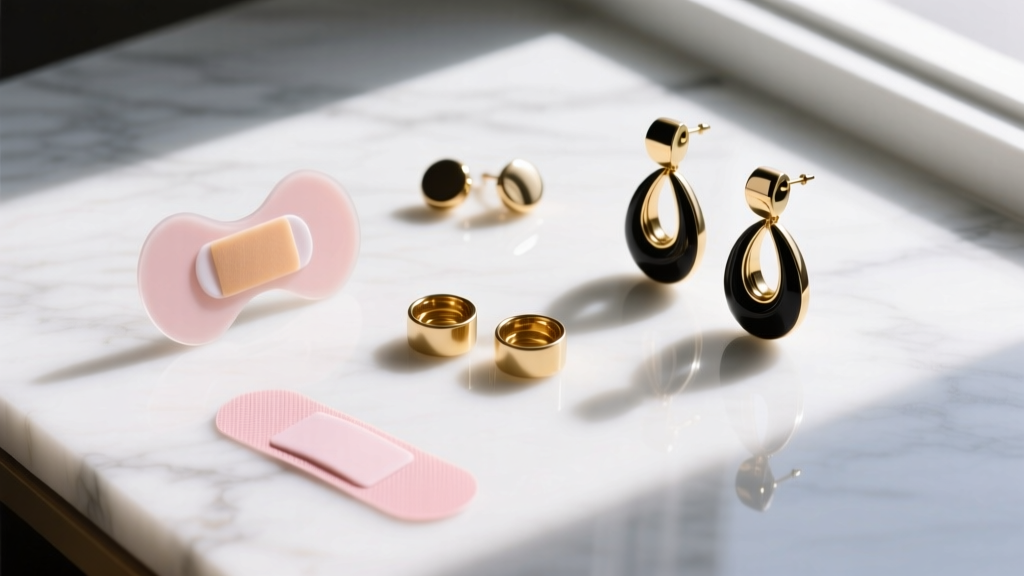
- Medical-Grade Adhesive Patches: Products like LobeWonder or BlingDots use hypoallergenic acrylic adhesives on a polyurethane film. By applying a patch over the piercing before inserting the earring, you create a synthetic reinforcement layer that absorbs the sheer force, preventing the metal from cutting the skin.
- Silicone O-Rings and Discs: Replacing metal backs with 10mm to 14mm silicone support discs increases the surface area against the earlobe. The high-friction nature of silicone also prevents the heavy drop from spinning or slipping out during movement.
- French Wire Stabilizers: For drop earrings on fishhook wires, the wire often warps under heavy weight. Using a clear silicone 'earring stabilizer' tube that slides onto the hook and rests flush against the back of the ear prevents the heavy drop from pulling the wire forward.
Troubleshooting Specific Clasp Failures
Heavy earrings place unique stress on clasping mechanisms. Here is how to troubleshoot the most common hardware failures associated with big drop earrings:
The Leverback Snap: Leverback earrings are popular for drops, but heavy pendants can pull the hinged wire open, causing the earring to fall out. Fix: Apply a microscopic drop of clear, flexible jewelry adhesive (like E6000) to the inside of the catch groove, or use a tiny clear silicone O-ring over the clasp closure to lock it in place.
The Omega Back Loosening: Omega backs rely on tension to grip the earlobe. Heavy drops cause the metal hinge to fatigue and loosen over time. Fix: Use a pair of nylon-jaw pliers to gently squeeze the Omega clip closer to the post, restoring the factory tension without marring the metal finish.
Emergency Repair: What to Do When the Lobe Stretches
If you feel a sharp stinging sensation or notice the piercing hole elongating into a vertical slit, you have experienced a micro-tear. Immediate intervention is required to prevent a full split earlobe (auricular cleft).
The 48-Hour Rest Protocol
- Immediate Removal: Take the earring out immediately. Do not attempt to 'tape it' and keep wearing it.
- Cold Compression: Apply an ice pack wrapped in a sterile gauze for 10 minutes to reduce localized edema (swelling) and constrict the blood vessels.
- Topical Treatment: Apply a thin layer of pure Vitamin E oil or a silicone-based scar gel to the inferior rim of the fistula to promote collagen synthesis.
- Complete Abstinence: Wear zero earrings for a minimum of 48 to 72 hours. The fibrofatty tissue needs time to contract and heal the micro-tears.
If the slit extends more than halfway down the lobe, conservative measures will fail. According to the American Society of Plastic Surgeons, a surgical auricular lobuloplasty is the only permanent fix for a fully split earlobe, a minor in-office procedure that excises the scar tissue and sutures the lobe back together.
Expert Sourcing: Material Grades for Heavy Earrings
When shopping for big drop earrings, the material composition is just as critical as the weight. Heavy earrings cause increased friction and micro-abrasions inside the piercing. If the metal contains nickel or copper alloys (common in cheap brass fashion jewelry), this friction will rapidly trigger severe contact dermatitis.
Always verify that heavy statement pieces are crafted from biocompatible materials. Look for ASTM F136 Ti-6Al-4V ELI (Implant-Grade Titanium) or solid 14k/18k Nickel-Free Gold. For deeper insights into metal allergies exacerbated by heavy jewelry friction, the DermNet dermatological database offers extensive clinical guidelines on managing earlobe trauma and allergic reactions.
Furthermore, a comprehensive study published in the National Center for Biotechnology Information (NCBI) highlights that split earlobes are predominantly caused by the prolonged wearing of heavy, poorly supported earrings, emphasizing that preventative hardware upgrades are vastly superior to surgical correction.
Final Stylist Recommendations
Big drop earrings are a magnificent way to frame the face and elevate an outfit, but they demand respect for human anatomy. By upgrading your post gauges, utilizing medical-grade adhesive support patches, and adhering to strict weight limits, you can enjoy maximalist jewelry without sacrificing the structural integrity of your earlobes. Treat your ears like the delicate canvas they are, and ensure your hardware is engineered to support the art.


