Troubleshooting Mens Pearl Earrings: Fit, Care & Style Fixes
Solve common issues with mens pearl earrings. Learn how to fix sizing, prevent pearl peeling, avoid allergies, and style them perfectly.

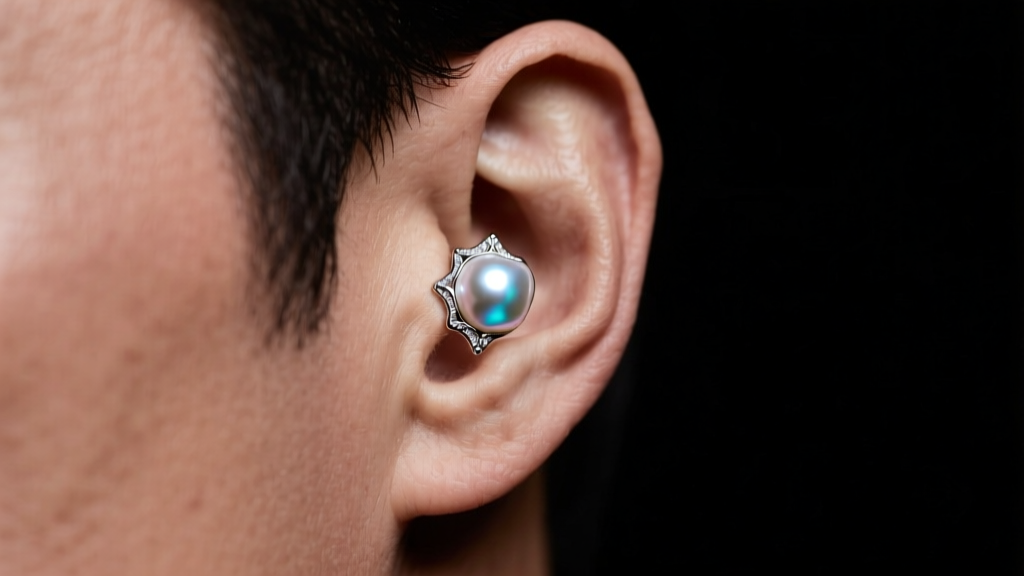
The integration of pearls into mainstream menswear has been one of the most defining jewelry shifts of the decade. What was once relegated to niche subcultures or historical royalty is now a staple in modern male fashion, championed by style icons and everyday enthusiasts alike. However, as the market for mens pearl earrings floods with fast-fashion alternatives, a host of functional and aesthetic problems have emerged. From bent earring posts and peeling nacre to severe contact dermatitis, navigating this trend requires more than just a good eye for style—it requires technical knowledge.
This comprehensive troubleshooting guide addresses the most common failures men experience with pearl earrings, offering actionable, metallurgical, and gemological solutions to ensure your jewelry is as durable as it is stylish.
The Sizing Dilemma: Why Posts Bend and Backs Pinch
One of the most frequent complaints regarding men's pearl studs is structural failure. A pearl is a relatively heavy gemstone compared to a small cubic zirconia or diamond. When mounted on inadequate hardware, the physical stress leads to bent posts, lost earrings, and painful pinching.
Gauge Thickness vs. Pearl Weight
The standard earring post found in most commercial jewelry is 20-gauge (0.81mm thick). While this is sufficient for lightweight metals and small gems, it is entirely inadequate for a dense, 8mm to 10mm freshwater or Akoya pearl. The weight of the pearl, combined with the natural friction of pulling a shirt over your head, will easily bend a 20g post, causing the pearl to droop forward awkwardly on the lobe.
- The Fix: Upgrade to an 18-gauge (1.02mm) or 16-gauge (1.29mm) post. The marginal increase in thickness exponentially increases the tensile strength of the metal, keeping the pearl perfectly upright.
- Pro Tip: If you are buying custom or semi-custom mens pearl earrings, request a flat-back or 'labret' style post. These sit flush against the back of the ear, eliminating the 'droop' effect entirely.
Accommodating Thicker Earlobes
Male earlobes are often thicker and denser than female earlobes. A standard 10mm post length leaves almost no room for the earring backing, leading to restricted blood flow, swelling, and the dreaded 'cheese-cutter' effect where the backing digs into the skin.
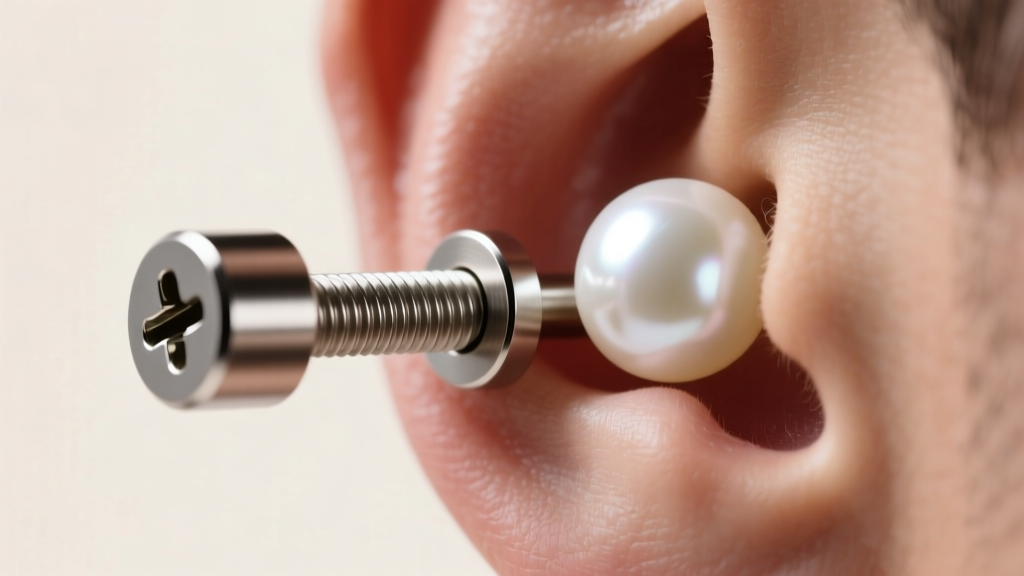
Always measure your lobe thickness or opt for posts that are at least 12mm to 14mm in length. Furthermore, swap out traditional friction 'butterfly' backs for threaded screw-backs or secure silicone O-rings, which distribute pressure more evenly and prevent accidental loss.
Solving the Peeling Pearl Epidemic
There is nothing more frustrating than investing in a piece of jewelry only to watch the surface flake away after a few months of wear. If your pearl is peeling, cracking, or revealing a glassy or plastic core underneath, you do not own a real pearl—you own a 'shell pearl' or a coated glass bead.
Because men's jewelry often endures more physical impact (from gym sessions, manual work, or simply being tossed onto a nightstand), nacre durability is paramount. According to the Gemological Institute of America (GIA), nacre thickness is a primary determinant of a pearl's longevity and luster.
Pearl Type Durability & Selection Guide
| Pearl Type | Nacre Quality | Durability for Men | Price Range (per stud) | Best Use Case |
|---|---|---|---|---|
| Shell Pearl (Coated Glass) | None (Paint/Coating) | Very Poor (Will Peel) | $5 - $25 | Single-use events only |
| Freshwater Baroque | 100% Solid Nacre | Excellent (Highly Impact Resistant) | $30 - $120 | Daily wear, rugged styling |
| Akoya (Round) | 0.2mm - 0.6mm Nacre | Moderate (Can chip if dropped) | $100 - $400 | Formal wear, sharp tailoring |
| Tahitian (Dark) | 0.8mm+ Nacre | Very Good (Thick, durable nacre) | $150 - $600+ | Statement pieces, edgy aesthetics |
For men seeking a rugged, masculine aesthetic that can take a beating, Baroque Freshwater pearls are the ultimate choice. Because they are composed of solid nacre all the way through, they will never peel, and their irregular, asymmetrical shapes naturally read as more organic and less traditional than perfectly round Akoya pearls.
Combating Contact Dermatitis and Allergic Reactions
If your earlobe becomes itchy, red, or develops a flaky rash after wearing your pearl earring, you are likely experiencing allergic contact dermatitis. This is almost always triggered by nickel, a cheap base metal commonly used in the alloys of 'gold-plated' or 'surgical steel' earring posts and backs.
The term 'surgical steel' is largely unregulated in the jewelry industry and frequently contains nickel. To permanently solve this issue, you must audit the metallurgical composition of your earrings.
The Safe Metal Hierarchy
- ASTM F136 Implant-Grade Titanium: The gold standard for sensitive ears. As noted by the Association of Professional Piercers (APP), this specific grade of titanium is entirely nickel-free, highly polished, and safe for long-term internal wear. It is lightweight and will not react with sweat.
- Niobium: Another highly biocompatible, nickel-free metal that can be anodized to achieve dark, masculine colors like gunmetal grey or deep bronze without using toxic dyes or plating.
- Solid 14k or 18k Gold: Ensure it is solid, not plated. However, be aware that some 14k white gold alloys still contain trace amounts of nickel to achieve their silver color. Stick to yellow or rose gold if your allergy is severe.
Style Troubleshooting: Escaping the 'Costume' Look
Beyond physical comfort, the most common hurdle men face is styling pearls without looking like they are wearing a prop from a period drama or a cheap costume. The secret to pulling off mens pearl earrings lies in contrast and hardware selection.
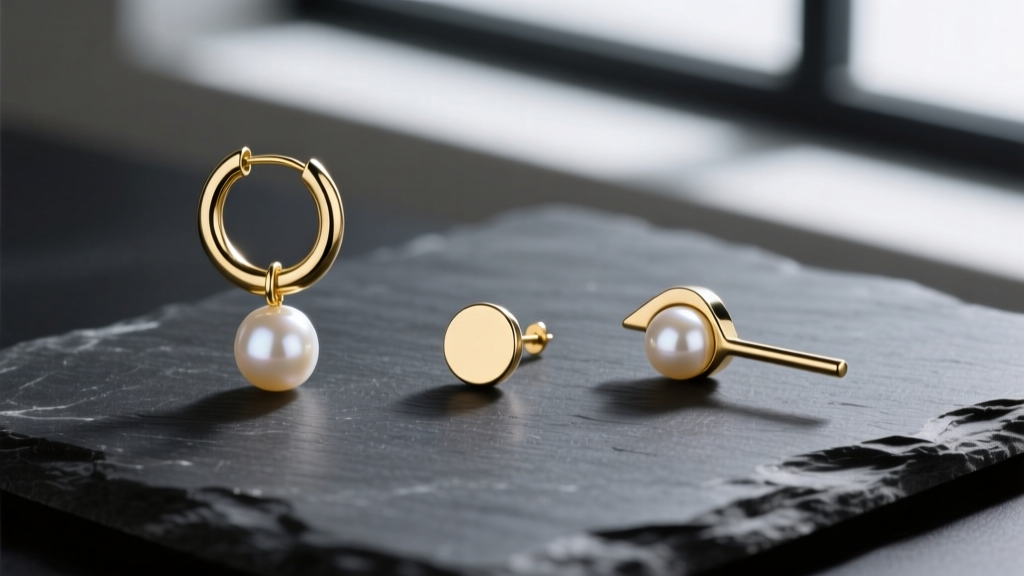
Hardware Finishes Matter
Pairing a bright white pearl with high-polish, shiny yellow gold can sometimes skew overly traditional or flashy. To ground the pearl in a modern, masculine context, manipulate the metal finish:
- Oxidized Sterling Silver: The dark, blackened crevices of oxidized silver provide a striking, gritty contrast to the smooth, luminous surface of a white or peach freshwater pearl. This is a staple in gothic and avant-garde menswear.
- Matte or Brushed Gold: A brushed 14k gold bezel softens the reflection of the metal, allowing the pearl's luster to take center stage without the jewelry looking ostentatious.
- Black Rhodium Plating: Setting a white or dark Tahitian pearl in black rhodium creates a monochromatic, stealth-wealth aesthetic that pairs flawlessly with minimalist streetwear or dark tailoring.
Proportions and Face Shape
A massive 14mm pearl stud can easily overwhelm a narrower face or a slender neck. For a balanced, proportional look, stick to the 7mm to 9mm range for single studs. If you prefer a more dramatic statement, opt for a smaller pearl (5mm-6mm) suspended from a subtle, medium-gauge hoop or a short, articulated drop chain rather than a massive, single boulder on the lobe.
Maintenance Checklist for Longevity
Pearls are organic gemstones, ranking at a mere 2.5 to 3.0 on the Mohs hardness scale. They are highly susceptible to chemical degradation. To ensure your mens pearl earrings last a lifetime, implement this quick maintenance protocol:
- The 'Last On, First Off' Rule: Pearls are porous and will absorb chemicals. Always put your pearl earrings on after applying cologne, hairspray, or skincare products, and take them off immediately upon returning home.
- Sweat Degradation: The natural acids in human sweat can slowly dissolve pearl nacre over time, dulling the luster. Wipe your pearls with a clean, damp microfiber cloth after heavy sweating or wearing them on a hot day.
- Proper Storage: Never store pearl earrings in a plastic bag or a safety deposit box for long periods; pearls require ambient moisture to prevent cracking. Store them in a soft cotton pouch, separated from harder gemstones or metal chains that can scratch their delicate surface.
By addressing the structural, material, and aesthetic pitfalls of pearl jewelry, you can confidently integrate this timeless gemstone into your daily rotation. Quality hardware, solid nacre, and intentional styling are the keys to mastering the modern pearl aesthetic.


