Solving the Case of Mystery Saja Earrings: Fixes & Care
Found unmarked or damaged pieces? Learn how to authenticate, repair, and care for mystery Saja earrings with our expert troubleshooting guide.

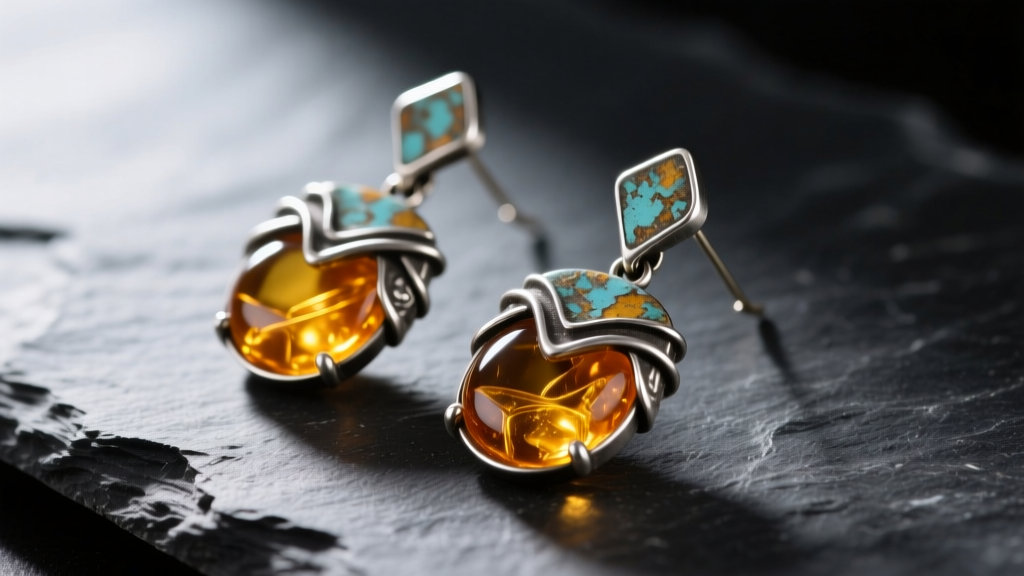
The secondary jewelry market in 2026 is a treasure trove of artisan craftsmanship, but it also presents unique challenges for collectors and enthusiasts. Among the most coveted yet perplexing finds are mystery Saja earrings. Known for their sculptural silhouettes, mixed-media compositions, and organic textures, Saja pieces often circulate in vintage shops, estate sales, and online auctions without their original documentation or packaging. Whether you have inherited a pair, thrifted an unmarked set, or purchased a damaged lot, identifying and restoring these earrings requires a deep understanding of artisan metallurgy and material science.
Unlike mass-produced commercial jewelry, artisan pieces frequently combine disparate materials—such as oxidized sterling silver, raw brass, and hand-poured epoxy resins. This mixed-media approach creates stunning visual contrast but introduces complex structural vulnerabilities. In this comprehensive troubleshooting guide, we will dissect the anatomy of mystery Saja earrings, providing actionable frameworks for authentication, structural repair, and long-term material preservation.
The Allure and Challenge of Unverified Saja Jewelry
Saja jewelry is celebrated for its architectural and organic aesthetics. The brand and its associated artisans frequently utilize intentional oxidation, hammering, and patination to give metals an antique, lived-in feel. When you encounter mystery Saja earrings, the primary challenge is distinguishing authentic artisan work from mass-produced imitations that mimic the 'rustic' aesthetic. Furthermore, because these earrings often feature heavy resin or wood elements suspended from delicate metal findings, they are highly susceptible to specific failure modes, such as post-shear and adhesive degradation. Understanding these inherent design traits is the first step in properly evaluating and restoring your pieces.
Step 1: Authenticating Your Mystery Saja Earrings
When original certificates of authenticity are missing, you must rely on physical evidence and material analysis to verify the origins of your mystery Saja earrings.
Hallmarks and Signature Design Cues
Begin your investigation with a 10x jeweler's loupe. Authentic Saja pieces typically feature subtle hallmarks, often stamped on the flat pad of the ear post, the interior curve of a huggie hoop, or the back of a decorative metal cap. Look for standard purity marks such as '925' for sterling silver or '1/20 14K GF' for gold-filled components. However, artisan marks can sometimes be worn away or intentionally omitted to preserve the clean lines of a sculptural design. Pay close attention to the craftsmanship of the solder joints; authentic artisan work will feature clean, seamless joins with minimal solder flow, whereas replicas often show messy, globular soldering around the post base.
Material Analysis: Resin, Oxidized Metals, and Wood
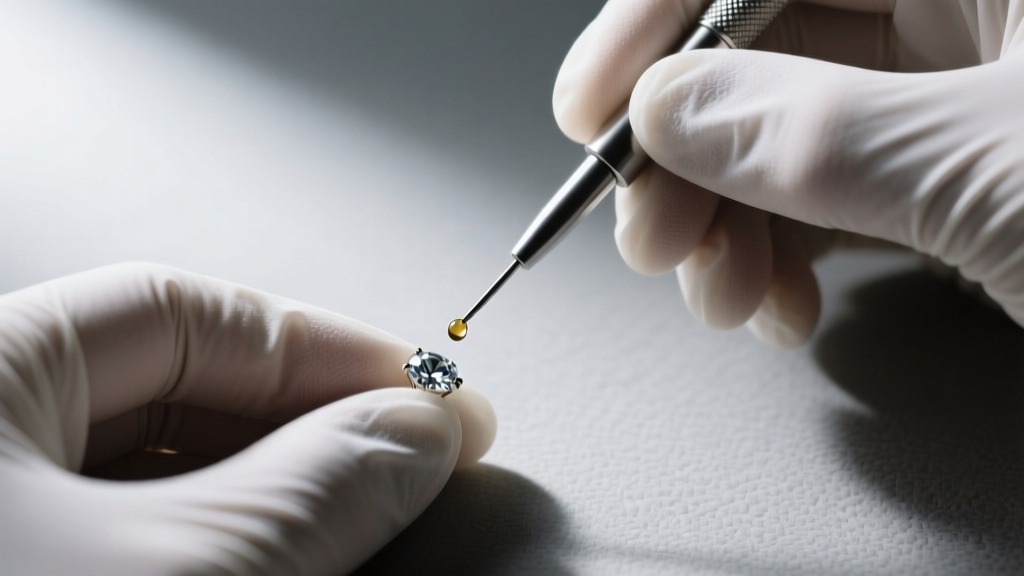
Saja designs frequently incorporate colored resins and oxidized metals. To authenticate the metal, perform a non-destructive ice test or use a precious metal testing acid on an inconspicuous area. For the resin components, authentic artisan resins are typically hand-poured, meaning you may find microscopic, intentional inclusions or slight asymmetrical pooling that indicates human craftsmanship. Mass-produced imitations will feature perfectly uniform, injection-molded plastics with seam lines running down the edges of the drops.
Step 2: Troubleshooting Common Structural Failures
Because mystery Saja earrings often feature heavy, oversized drops, the structural integrity of the findings is a common point of failure. Here is how to address the most frequent issues.
Fixing Loose or Broken Ear Wires (Gauge Specifics)
The weight of sculptural resin and wood elements places significant shear stress on ear wires. Standard commercial earrings often use 20-gauge (0.81mm) or 22-gauge (0.64mm) wire, which is entirely insufficient for heavy artisan drops. If your mystery Saja earrings feature flimsy wires that bend under the weight of the drop, you are experiencing a structural failure. To resolve this, replace the ear wires with 18-gauge (1.02mm) or 16-gauge (1.29mm) hard-temper sterling silver wire. Hard-temper wire has been work-hardened during the drawing process, providing the necessary tensile strength to support heavy mixed-media drops without warping or stretching the wearer's earlobe piercing.
Reattaching Sculptural Elements
A frequent issue with vintage or secondhand mixed-media earrings is the detachment of the sculptural drop from the metal post pad. Many amateur repair attempts use cyanoacrylate (Super Glue). This is a critical error. Cyanoacrylate off-gasses during curing, leaving a permanent, cloudy white 'frost' on porous resins and stones. Furthermore, it cures into a brittle plastic that shatters under the constant kinetic impact of walking and movement.
Instead, utilize a two-part jeweler's epoxy, such as Epoxy 330 or G-S Hypo Cement for lighter components. These adhesives provide a flexible, impact-resistant bond that can withstand the shear forces of daily wear. Always prep the metal pad by lightly scuffing it with 600-grit sandpaper and cleaning it with isopropyl alcohol to remove skin oils before applying the epoxy.
Material Care Matrix for Mixed-Media Saja Pieces
Proper maintenance of mystery Saja earrings requires a nuanced understanding of how different materials react to cleaning agents. Using the wrong chemical can strip intentional patinas or cloud artisan resins. Refer to the matrix below for safe care protocols.
| Material Component | Recommended Cleaning Method | Strictly Avoid | Common Failure Mode |
|---|---|---|---|
| Oxidized Sterling Silver | Dry microfiber polishing cloth | Silver dip, ultrasonic cleaners | Stripping of intentional dark patina |
| Artisan Epoxy Resin | Mild soap, lukewarm water, soft brush | Alcohol, acetone, ammonia | Clouding, micro-fractures, yellowing |
| Raw Brass / Bronze | Lemon juice and baking soda paste (sparingly) | Harsh commercial brass polishes | Uneven spotting, loss of antique finish |
| 18k Gold-Filled Wire | Warm water and phosphate-free dish soap | Toothpaste, abrasive polishing pads | Wearing through the gold layer to base metal |
As noted by the Gemological Institute of America (GIA), mixed-media jewelry requires compartmentalized cleaning. Never submerge an earring that combines porous wood or resin with metal, as the water can become trapped in the adhesive seam, leading to wood rot or adhesive hydrolysis over time.
When to Seek Professional Artisan Restoration
While replacing an ear wire or re-gluing a drop can be managed at home, certain repairs demand professional intervention. If the oxidized silver has been improperly polished and stripped of its dark contrast, a professional jeweler can re-apply a liver of sulfur patina and selectively polish the high-relief areas to restore the original Saja aesthetic. Additionally, if the metal post itself has sheared off flush with the decorative cap, laser welding is required to reattach a new post without melting the adjacent heat-sensitive resin or wood elements.
According to Jewelers Mutual, attempting complex metallurgical repairs on high-value artisan jewelry without proper equipment often results in irreversible thermal damage. Always consult a certified bench jeweler who has specific experience with mixed-media and contemporary artisan designs before applying heat or harsh chemicals to your mystery pieces.
Final Thoughts on Preserving Artisan Jewelry
Uncovering and restoring mystery Saja earrings is a rewarding endeavor that bridges the gap between historical preservation and personal style. By approaching these pieces with a diagnostic mindset—verifying hallmarks, upgrading structural findings to appropriate gauges, and respecting the chemical sensitivities of mixed media—you ensure that these wearable sculptures survive for decades to come. Treat every unmarked pair not just as an accessory, but as an artifact of artisan design history worthy of meticulous care and informed troubleshooting.


