How to Fix Stuck Rowan Flat Back Earrings & Sizing Troubleshooting
Struggling with stuck posts or loose ends? Learn expert troubleshooting for Rowan flat back earrings, including threadless pin fixes and post sizing.

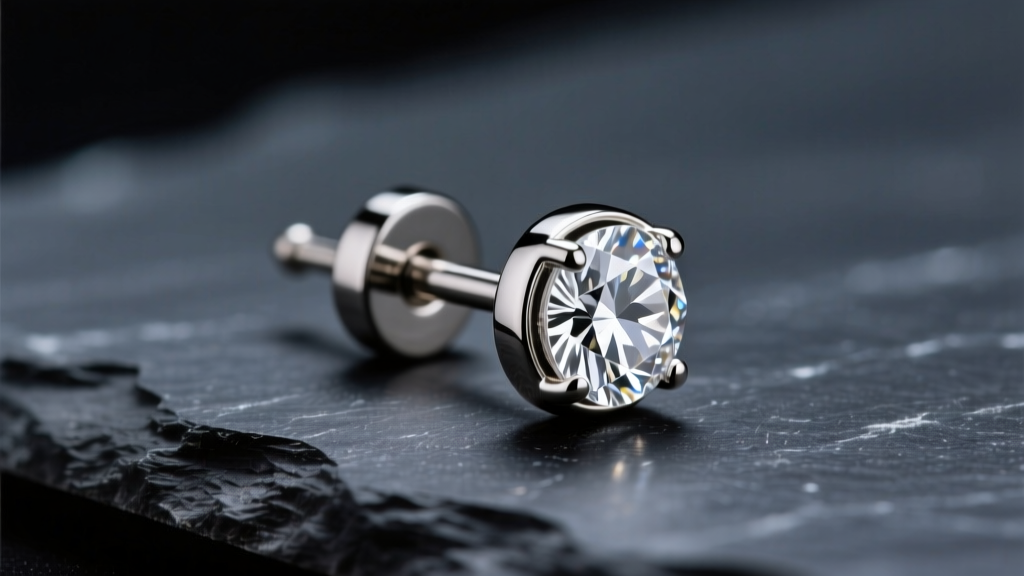
Rowan flat back earrings have earned a stellar reputation in the fine jewelry and body modification communities for their minimalist aesthetics, premium materials, and unparalleled comfort during sleep. Whether you are sporting a delicate helix stud, a tragus gem, or a conch hoop, the flat back design eliminates the dreaded "earring poke" that plagues traditional butterfly-back studs. However, even premium, implant-grade jewelry is not immune to mechanical failures, anatomical mismatches, and wear-and-tear issues.
If you are dealing with a threadless pin that refuses to stay put, an internally threaded end that is cross-threaded and stuck, or a post that is causing tissue embedding, you are not alone. This comprehensive troubleshooting guide dives deep into the mechanical and anatomical nuances of Rowan flat back earrings, providing actionable, expert-level solutions to get your jewelry functioning perfectly.
The Anatomy of Rowan Flat Back Earrings: Why They Fail
Before attempting any repairs, it is crucial to understand the engineering behind high-end flat back earrings. Rowan typically utilizes two primary closure mechanisms for their cartilage and lobe pieces: threadless (push-pin) and internally threaded. Both designs prioritize a smooth, uninterrupted post to prevent tissue irritation during insertion and removal.
Failure points generally fall into three categories:
- Tension Loss (Threadless): The male pin loses its bend angle, causing the decorative end to fall out unexpectedly.
- Cross-Threading (Internally Threaded): The male screw is forced into the female receiver at an angle, stripping the micro-threads and locking the jewelry in place.
- Post Length Mismatches: The post is either too short (causing embedding and swelling) or too long (causing snagging and delayed healing).
Troubleshooting Threadless (Push-Pin) Tension Issues
Threadless jewelry relies on the tension of a slightly bent pin wedging against the inside wall of the hollow post. If your Rowan threadless earring keeps falling out, or if it is impossibly difficult to insert, the tension calibration is off.
Fixing a Loose Pin (End Keeps Falling Out)
Metal fatigue or improper removal (pulling straight out rather than bending the pin slightly while pulling) can straighten the pin over time. To restore tension:
- Remove the decorative end from the post.
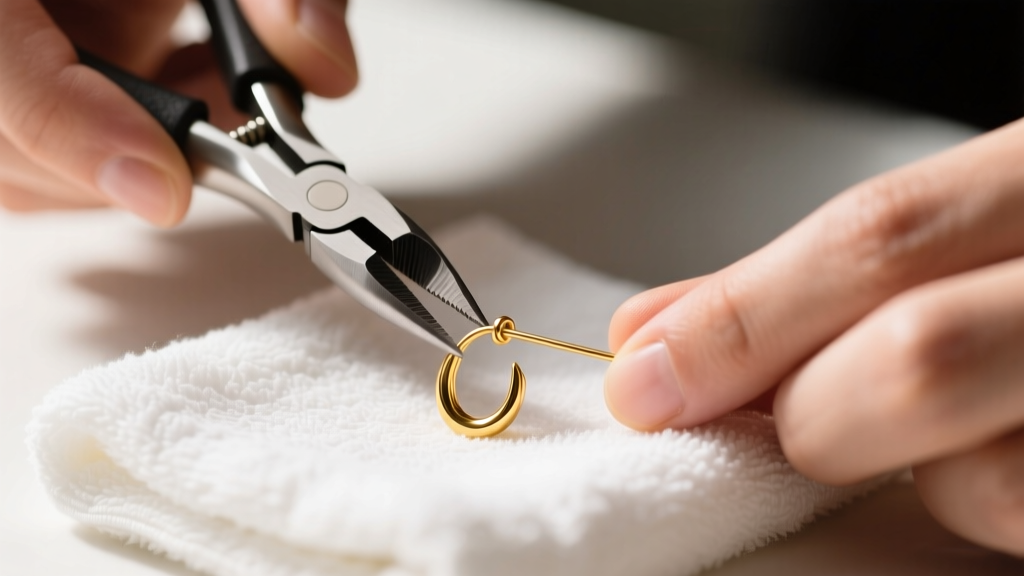
- Using nylon jaw pliers (never bare metal pliers, which will scratch 14k gold or titanium), grip the pin about one-third of the way down from the tip.
- Apply gentle pressure to bend the pin slightly. You only need a 1 to 2-degree offset. The pin should look almost straight to the naked eye but have a microscopic curve.
- Test the tension by inserting the pin into the post. It should require a firm, deliberate push to snap into place.
Fixing an Overly Tight Pin (Cannot Insert or Remove)
If the pin was bent too aggressively, it can scrape the inside of the post or become completely stuck. To fix this, use your nylon jaw pliers to gently straighten the pin. Insert it into the post; if it slides in with zero resistance, add a micro-bend. Repeat until you achieve a "snap" fit that requires moderate thumb pressure to insert and remove.
Solving Internally Threaded Cross-Threading & Stuck Ends
Internally threaded Rowan flat back earrings feature a screw on the decorative end that twists into the hollow post. This is the gold standard for fresh piercings because the smooth post glides through the fistula without a sharp thread scraping the tissue. However, the micro-threads (usually 0.9mm for 18g and 1.2mm for 16g) are highly susceptible to cross-threading if forced.
Expert Warning: Never use excessive force to tighten an internally threaded end. If it resists, you are cross-threading it, which can permanently strip the receiver and ruin the earring.
The 'Reverse-Click' Engagement Technique
If you are struggling to get the end to screw in, or if it feels stuck halfway:
- Stop turning clockwise immediately.
- Place the threaded pin into the post and begin turning counter-clockwise (lefty-loosey).
- Turn slowly until you feel a subtle "drop" or "click." This is the threads aligning perfectly.
- Once aligned, reverse direction and tighten clockwise.
Removing a Stuck, Cross-Threaded End
If your earring is already stuck and won't unscrew, skin oils and moisture act as a vacuum seal. Wash your hands, dry them completely, and put on textured nitrile gloves. The gloves provide the necessary friction to grip the tiny decorative end and the flat back pad simultaneously. Twist the front counter-clockwise while holding the back pad firmly against your skin to prevent the post from spinning inside the piercing.
Post Length Diagnostics: Embedding vs. Snagging
The most common issue with any flat back earring is selecting the wrong post length. Piercing fistulas change in thickness over time, and a post that fit perfectly on day one may become problematic by month three. According to the Association of Professional Piercers (APP), wearing the correct post length is vital for tissue health and jewelry security.
| Piercing Location | Initial Healing Post | Healed Standard Post | Embedding Risk | Snagging Risk |
|---|---|---|---|---|
| Helix / Flat | 8mm - 10mm | 5mm - 6mm | High (if swollen) | High (if >8mm healed) |
| Tragus | 6mm - 8mm | 5mm - 6mm | Moderate | Low |
| Conch | 8mm - 10mm | 6mm - 8mm | Low | High (catches on masks) |
| Earlobe (Flat Back) | 8mm - 10mm | 5mm - 6.5mm | Moderate | Moderate |
Signs Your Post is Too Short (Embedding)
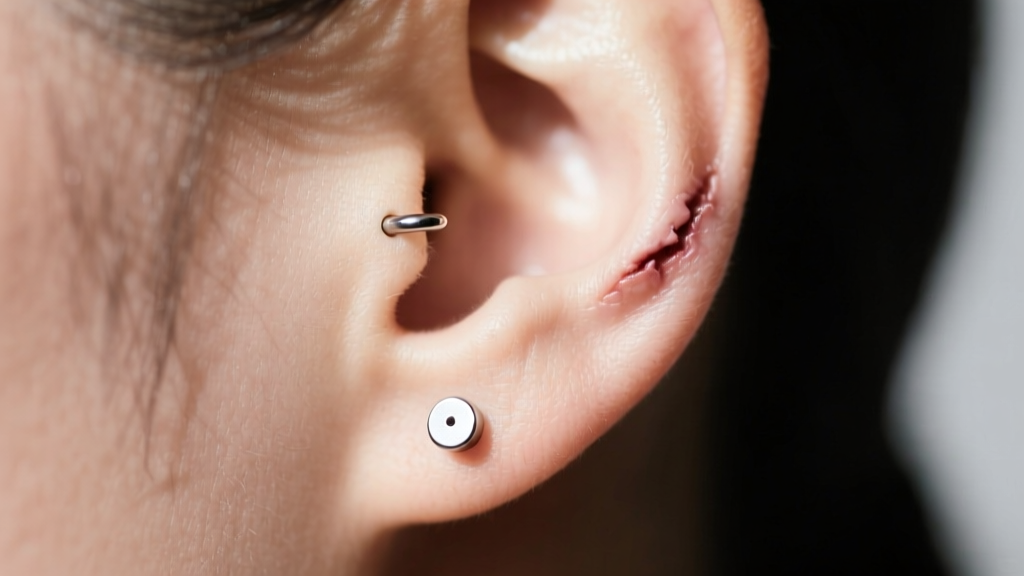
If the flat back pad is pressing deeply into your skin, leaving a permanent indent, or if the skin is swelling over the edge of the decorative end, your post is too short. This restricts blood flow and traps lymph fluid. You must immediately upsize to a longer post (e.g., moving from a 5mm to a 6mm or 8mm) to relieve the pressure.
Signs Your Post is Too Long (Snagging)
If there is a visible gap between the flat back pad and your skin, the post is too long. This creates a lever effect; when the earring is bumped, the long post acts as a fulcrum, driving the decorative end into the piercing channel at an angle. This causes chronic irritation bumps and makes the jewelry highly prone to snagging on hair, towels, and clothing.
Material Reactions: Is It the Earring or the Aftercare?
Rowan flat back earrings are crafted from premium materials, primarily ASTM F-136 implant-grade titanium and 14k or 18k solid gold. However, localized redness and itching are frequently misdiagnosed as metal allergies when they are actually contact dermatitis from harsh aftercare products.
Before assuming you have a nickel allergy to your 14k gold earring, audit your routine. The APP Jewelry Materials Guide notes that true implant-grade titanium allergies are exceptionally rare. If you are experiencing irritation:
- Stop using tea tree oil, alcohol, or hydrogen peroxide. These cause chemical burns and contact dermatitis that mimic metal allergies.
- Check for trapped moisture. Flat back earrings can trap water against the skin after showering. Use a hairdryer on the "cool" setting to dry behind your ears.
- Verify the gold alloy. While most high-end brands use nickel-free palladium alloys for white gold, some vintage or unverified 14k white gold pieces contain nickel. If you have a known, severe nickel allergy, stick exclusively to ASTM F-136 titanium or yellow/rose gold.
When to See a Professional Piercer
While most tension and sizing issues can be resolved at home with the right tools, certain scenarios require professional intervention. If your earring is deeply embedded and the skin has grown over the decorative end, do not attempt to dig it out with tweezers. This will cause severe tissue trauma and scarring.
Similarly, if an internally threaded post is cross-threaded and stuck inside a fresh, unhealed piercing, visit an APP-certified professional piercer. They possess specialized hemostats, taper tools, and the sterile environment necessary to safely remove the stuck jewelry without damaging the delicate fistula. By understanding the precise mechanics of your Rowan flat back earrings, you can ensure they remain a comfortable, secure, and beautiful fixture in your jewelry collection for years to come.


