Troubleshooting a Snapped Earrings String: Bead & Pearl Repair
Learn how to troubleshoot and repair a broken earrings string on beaded or pearl drops. Compare silk, nylon, and wire for lasting jewelry fixes.

The Anatomy of an Earrings String Failure
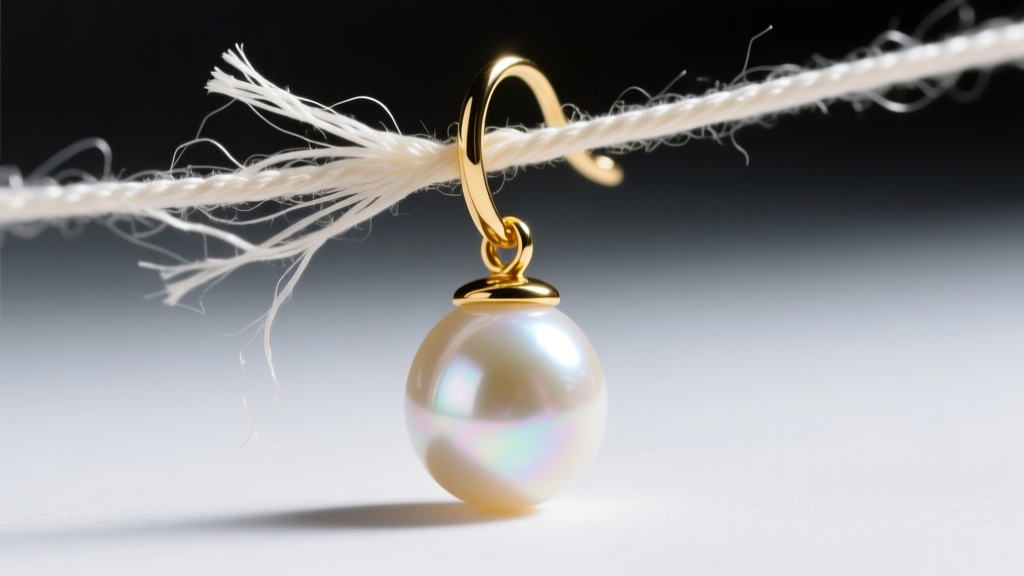
There are few things more frustrating in jewelry maintenance than reaching for your favorite beaded drop earrings, only to find the beads scattered across your vanity. The core tensile element holding these designs together—commonly referred to as the earrings string—is subjected to immense microscopic stress. Unlike rigid metal chains, the stringing material must endure shear stress, friction, environmental degradation, and the sheer weight of gravity pulling on gemstones or pearls.
As of 2026, while advancements in nano-ceramic coated beading wires have improved shear resistance by nearly 30%, the fundamental physics of jewelry tension remain unchanged. When an earrings string snaps, it is rarely a random event. It is almost always the result of a specific mechanical failure, improper material selection, or a hidden flaw in the bead holes themselves. According to master jewelers and resources like Fire Mountain Gems, over 75% of beaded earring failures occur within the first six months of wear due to unreamed bead edges or incorrect crimping techniques. In this comprehensive troubleshooting guide, we will dissect why your earrings string fails and provide professional-grade solutions to ensure your drop earrings survive daily wear.
Material Breakdown: Choosing the Right Earrings String
The term "earrings string" is a catch-all phrase that encompasses three vastly different material categories: natural silk, synthetic nylon, and multi-strand coated wire. Selecting the wrong material for your specific bead type is the root cause of most breakages. Below is a technical comparison to help you diagnose if you used the wrong string for your design.
| Material Type | Best Applications | Tensile Strength | Primary Failure Mode |
|---|---|---|---|
| 100% Natural Silk (e.g., Griffin) | Freshwater pearls, lightweight amber, porous gemstones. | Low (Requires knotting between every bead) | Rot from sweat/perfume; fraying from bead friction. |
| Braided Nylon (e.g., PowerPro, Nymo) | Seed beads, crystal bicones, lightweight glass. | Medium-High (10lb to 20lb test) | Stretching/sagging over time; UV degradation. |
| Coated Steel Wire (e.g., Soft Flex) | Heavy gemstones, metal beads, large crystal drops. | Very High (49-strand stainless core) | Kinking; internal shearing from sharp bead holes. |
If you are restringing pearls, the Gemological Institute of America (GIA) strongly recommends using natural silk (Size #2 for pearls under 4mm, Size #4 for 5-7mm pearls) because synthetic wires can actually abrade the delicate nacre lining of the pearl drill holes over time. Conversely, using silk for heavy lapis lazuli or quartz drops guarantees a snapped earrings string within weeks due to the stone's density.
Diagnosing the Break: 3 Common Failure Modes
Before you simply thread a new string and crimp it, you must examine the broken ends of your old earrings string. The location and shape of the break will tell you exactly what went wrong.
1. The Crimp Bead Guillotine
The Symptom: The string is severed cleanly right at the base of the metal crimp bead, near the jump ring.
The Cause: This happens when a crimp bead is flattened using standard flat-nose pliers instead of specialized micro-crimping pliers. Flattening a metal tube forces the sharp inner edges of the metal to fold inward, effectively creating a tiny guillotine blade that presses directly against your string. Every time the earring swings, the blade saws through the fibers.
The Fix: Use a two-step micro-crimping plier to fold the crimp into a rounded, U-shaped channel, then compress it into a neat bead shape. Alternatively, switch to Interweave-recommended knotting techniques with nylon thread, eliminating crimp beads entirely in favor of surgeon's knots secured with a microscopic drop of GS Hypo Cement.
2. The Jump Ring Shear
The Symptom: The string frays and snaps exactly where it loops through the ear wire or jump ring.
The Cause: Metal-on-string friction. The constant pivoting of the earring on the ear wire acts like a saw against the string.
The Fix: Never loop a raw string directly through a metal jump ring. You must use a wire guardian (also known as an Accu-Guard or French wire bullion). This is a tiny, coiled spring of metal that the string threads through, creating a protective metal-on-metal pivot point that completely eliminates shear stress on the string.
3. Internal Bead Shearing (The Hidden Killer)
The Symptom: The string breaks randomly in the middle of the earring, hidden inside a bead.
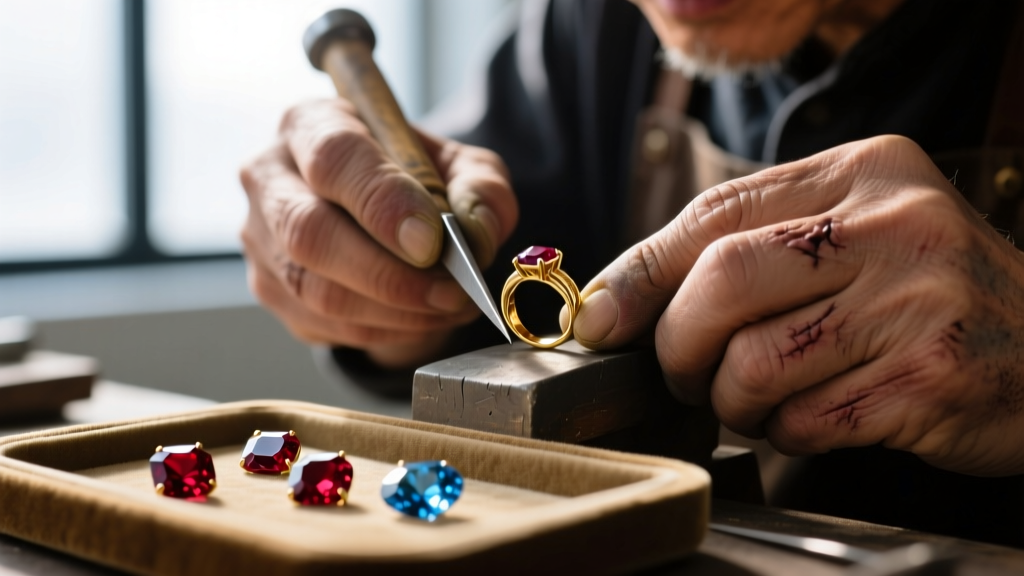
The Cause: Mass-produced glass and semi-precious gemstone beads are drilled with high-speed diamond bits, which often leaves a microscopic, razor-sharp burr of glass or stone inside the drill hole. As the bead shifts, this internal burr slices through the string.
The Fix: You must ream your beads before stringing. Use a diamond-coated bead reamer tool (available in sizes from 0.5mm to 2.0mm) to gently smooth the inside of every single drill hole under running water. This single step increases the lifespan of a coated wire string by up to 400%.
Step-by-Step Repair Guide for Drop Earrings
If you are dealing with a heavy gemstone drop earring that requires a coated wire string, follow this professional repair protocol to ensure it never breaks again.
- Select the Correct Gauge: For standard 4mm-6mm crystal or glass beads, use a 0.015-inch diameter 49-strand wire. For heavy gemstones (over 8mm), upgrade to a 0.019-inch diameter wire. Never use a wire thicker than 0.019-inch, as it becomes too rigid and will kink, compromising its structural integrity.
- Prepare the Ends: Thread a 2mm crimp bead onto the wire, followed by a sterling silver wire guardian. Loop the wire back through the crimp bead, creating a small, secure teardrop loop at the end.
- Crimp Securely: Use a micro-crimping plier to secure the crimp. Trim the excess wire tail flush against the crimp bead using flush cutters—never leave a sharp wire tail that can poke the wearer's neck.
- String and Tension: Thread your pre-reamed beads onto the wire. Critical Step: Leave exactly 2mm of slack between the last bead and the final crimp. If you crimp the wire completely tight, the earring will have no flexibility, and the wire will instantly snap under lateral pressure.
- Finish the Top: Repeat the wire guardian and crimp process at the top, attaching it to your ear wire hook.
Pro Maintenance Tips for Longevity
Even the strongest earrings string requires proper environmental care. If you are using natural silk for pearl earrings, you must understand that silk is a protein fiber. It is highly susceptible to the acidic pH of human sweat and the alcohol found in perfumes and hairsprays. Always put your pearl earrings on after applying cosmetics and fragrances. If the silk begins to look gray or feels stiff, it has suffered protein degradation and must be restrung immediately before it fails.
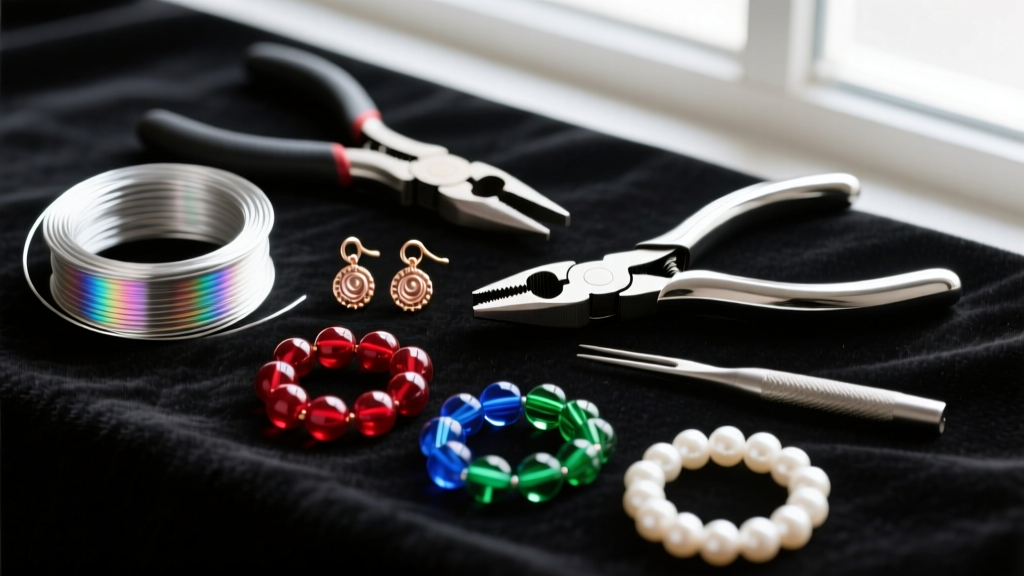
For nylon and coated wire strings, storage is the primary factor in longevity. Never toss beaded drop earrings into a communal jewelry box where they can become tangled. Tangled wires lead to micro-kinks. A kink in a 49-strand stainless steel wire permanently damages the nylon coating and weakens the steel core, creating a structural fault line that will eventually snap. Store drop earrings hanging vertically from a jewelry organizer, or lay them perfectly flat in a dedicated, velvet-lined compartment. By diagnosing the root cause of your string failures and upgrading your stringing hardware, you can transform fragile, disposable jewelry into durable, heirloom-quality pieces.


