Turkish Gold Earrings: Alloy Properties, Karats & Durability
Discover the material properties of Turkish gold earrings. Compare 22K, 18K, and 14K alloys, durability, and the traditional Ayar hallmarking system.

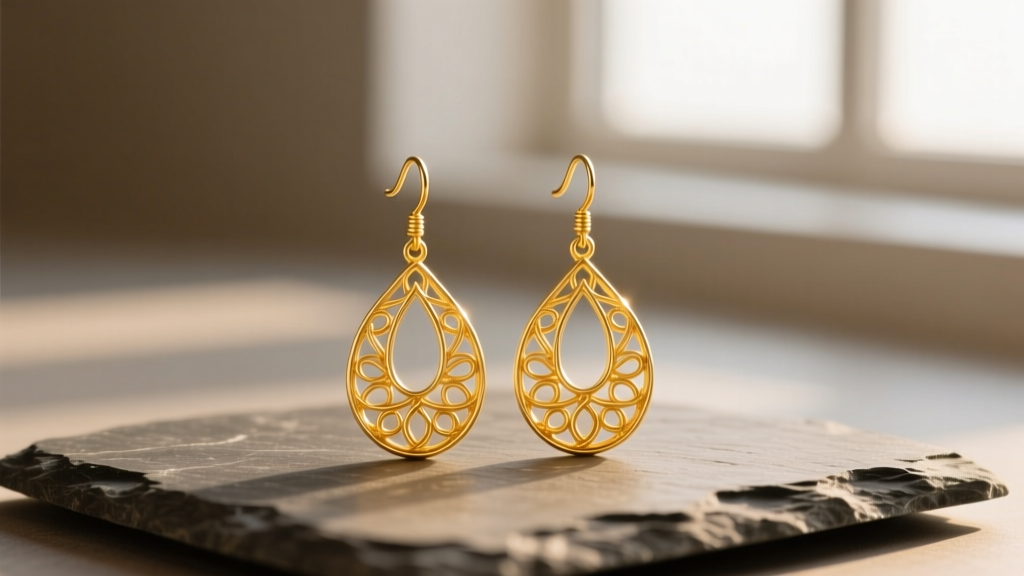
When navigating the vibrant stalls of Istanbul’s Grand Bazaar or browsing high-end Turkish jewelry online, the term ayar (karat) dictates not just the price, but the fundamental structural integrity of the piece. Turkish gold earrings are globally celebrated for their intricate telkari (filigree) and bold hammered designs, but the metallurgical reality of these pieces varies wildly depending on their gold purity. As of 2026, understanding the material properties of Turkish gold alloys is critical for buyers seeking a balance between heirloom value, skin biocompatibility, and mechanical durability.
In this guide, we deconstruct the specific alloy compositions, Vickers hardness ratings, and structural limitations of Turkish gold earrings, helping you choose the exact material grade for your specific piercing type and lifestyle.
The Ayar System: Decoding Turkish Gold Hallmarks
In Turkey, gold purity is measured in ayar, directly translating to karats. The hallmarking system is strictly regulated by the Turkish Ministry of Trade and the Istanbul Chamber of Jewelers. When inspecting Turkish gold earrings, you will typically encounter three primary stamps:
- 916 (22 Ayar): 91.6% pure gold. The traditional standard for investment jewelry and ceremonial pieces.
- 750 (18 Ayar): 75.0% pure gold. The premium standard for fine jewelry, offering a rich yellow hue with improved tensile strength.
- 585 (14 Ayar): 58.5% pure gold. The modern workhorse for everyday earrings, prioritizing durability and intricate prong settings.
According to the Gemological Institute of America (GIA), the remaining percentage in these alloys consists of metals like copper, silver, zinc, and occasionally palladium. The specific ratio of these secondary metals is what gives Turkish rose gold its distinct blush or Turkish green gold its subtle olive undertone.
22K vs. 18K vs. 14K: Metallurgical Properties & Earring Suitability
To understand why a 22K Turkish halka (hoop) earring might lose its perfect circular shape over time, we must look at the Vickers Hardness (HV) scale. Pure gold (24K) sits at a mere 25 HV, making it as soft as modeling clay. By introducing alloy metals, Turkish jewelers manipulate the crystalline lattice of the gold to increase structural rigidity.
| Material Grade | Purity | Vickers Hardness (HV) | Primary Alloy Metals | Best Earring Styles |
|---|---|---|---|---|
| 22 Ayar (22K) | 91.6% | ~90 HV | Copper, Silver | Solid cast studs, coin bezels, thick huggies |
| 18 Ayar (18K) | 75.0% | ~135 HV | Copper, Silver, Zinc | Dangles, filigree drops, medium hoops |
| 14 Ayar (14K) | 58.5% | ~160 HV | Copper, Silver, Nickel/Palladium | Ear wires, cartilage posts, prong-set gems |
Data from the World Gold Council indicates a steady global shift toward 14K and 18K for everyday wear, yet 22K remains deeply culturally significant in Turkey, often purchased as a dual-purpose adornment and financial asset.
Structural Integrity: Why Karat Dictates Earring Mechanics
The mechanical failure of an earring is almost always tied to a mismatch between the gold alloy's tensile strength and the earring's structural design. Turkish jewelers are master metallurgists and intentionally design specific styles around the limitations of the ayar.
Ear Wires, Posts, and Cartilage Piercings
If you are purchasing Turkish gold earrings for a fresh cartilage piercing (such as a helix, tragus, or conch), 14K or 18K is mandatory. Cartilage requires absolute stability to heal properly. A 22K ear post will easily bend under the pressure of sleeping, potentially causing pressure necrosis or tearing. Furthermore, the softer surface of 22K gold is more prone to micro-scratches, which can harbor bacteria and complicate the healing of dense cartilage tissue. For lobe piercings, 18K ear wires offer the perfect compromise of hypoallergenic purity and spring-back memory.

Bezel Settings and Coin Earrings
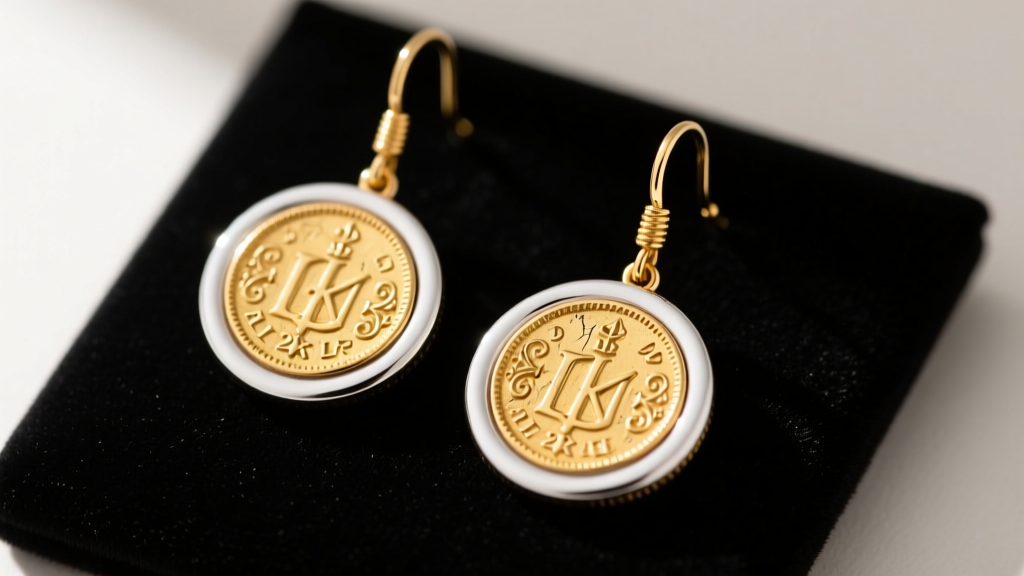
Conversely, 22K gold excels in bezel settings. Traditional Turkish Altın (gold coin) earrings rely on the malleability of 22K or even 24K gold to burnish the metal tightly over the edge of the coin, creating a secure friction fit without the need for soldering. Attempting to burnish a 14K bezel by hand would result in metal fatigue and cracking due to its higher zinc and copper content.
Alloy Composition, Tarnish, and Skin Sensitivities
The secondary metals in Turkish gold alloys dramatically affect both the color and the biocompatibility of the earrings.
The Copper Factor and Patina
Turkish 22K yellow gold typically utilizes a balanced 50/50 mix of silver and copper for the remaining 8.4% of the alloy. However, in Turkish rose gold, the copper content is pushed to nearly 20% of the total alloy mix. While this creates a stunning, warm blush tone that flatters olive and deep skin tones, copper is highly reactive. Over time, 14K and 18K rose gold earrings may develop a slight patina or cause a harmless greenish oxidation on the skin if exposed to high acidity or heavy perspiration. Regular polishing with a microfiber cloth easily restores the original luster.
Nickel Allergies and EU REACH Compliance
Historically, some lower-tier 14K white gold alloys utilized nickel to achieve a bright, silvery white color and increase hardness. However, as Turkey is a major exporter to the European Union, modern Turkish jewelers strictly adhere to the EU REACH regulations regarding nickel release (capped at 0.5 µg/cm²/week). Today, high-quality Turkish 14K and 18K white gold earrings are alloyed with palladium or manganese. If you have a known nickel allergy, always verify with the artisan or retailer that the white gold earrings are palladium-alloyed or rhodium-plated to ensure a biocompatible barrier.
The Economics of Turkish Gold: Weight vs. Iscilik (Labor)
When buying Turkish gold earrings, you are not just paying for the raw material; you are paying for iscilik (labor). The pricing formula in Turkish jewelry markets is universally understood as:
Total Price = (Weight in Grams × Daily Gold Spot Price) + Iscilik (Labor & Craftsmanship Fee)
For simple, machine-stamped 14K hoops, the iscilik is minimal, meaning you are paying mostly for the melt value of the gold. However, for traditional telkari (filigree) earrings originating from Mardin, the iscilik can exceed the value of the gold itself. Telkari master artisans twist and weave gold or silver wires as thin as 0.02mm into intricate lace-like patterns. Because this technique requires immense structural precision, it is almost exclusively executed in 22K gold or sterling silver, as the high purity allows the ultra-fine wires to be bent and fused without snapping.
Final Verdict: Choosing Your Turkish Gold Earrings
Selecting the right Turkish gold earring requires aligning the alloy's material properties with your anatomical needs. Choose 14K (14 Ayar) for secure ear wires, active lifestyles, and fresh cartilage piercings where rigidity is paramount. Opt for 18K (18 Ayar) for heirloom-quality dangles and intricate designs that require a balance of rich color and moderate durability. Finally, invest in 22K (22 Ayar) for solid cast pieces, traditional coin bezels, and investment-grade jewelry that celebrates the deep, historic warmth of pure Anatolian gold.


