White Gold Leverback Earrings: 2026 Style & Trend Analysis
Discover why white gold leverback earrings dominate 2026 trends. Explore style guides, metal grades, secure closure mechanics, and market pricing.

The Resurgence of the Leverback: Why White Gold Leads in 2026
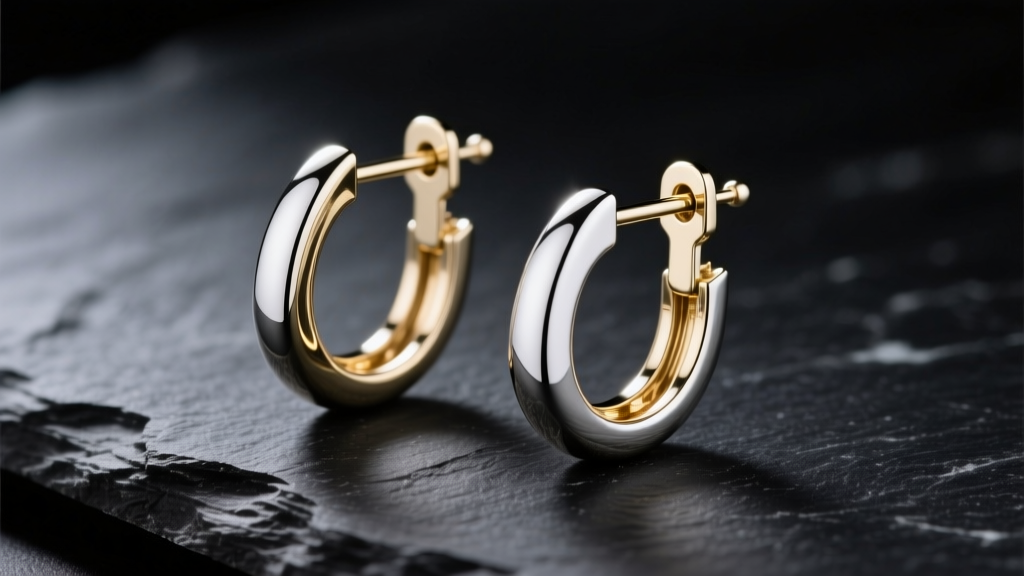
In the evolving landscape of fine jewelry, the 2026 trend cycle has shifted decisively from ostentatious branding to "mechanical elegance"—a movement where the functional architecture of a piece is celebrated just as much as its gemstones. At the absolute forefront of this shift are white gold leverback earrings. Long relegated to vintage estate jewelry or viewed merely as a practical alternative for active lifestyles, the leverback has been completely re-engineered by contemporary designers. Today, it offers unparalleled security without sacrificing the fluid, kinetic drape of modern drop and dangle silhouettes. As consumers demand versatility and heirloom-quality construction, white gold leverbacks have emerged as the definitive intersection of horological-level mechanics and high jewelry aesthetics.
Anatomy of a Secure Closure: Mechanics and Gauge Specifications
The primary failure mode of traditional fishhook or friction-back earrings is accidental loss. The leverback solves this via a hinged wire that passes completely through the ear piercing and snaps securely into a tension catch at the base of the earring. However, not all leverbacks are created equal. Understanding the exact gauge and tension mechanics is critical for both daily comfort and long-term structural integrity.
Gauge Thickness and Tension Dynamics
- 22-Gauge (0.64mm): Generally too thin for leverback mechanisms. Wire this fine is prone to bending and often fails to engage the catch properly, leading to a false sense of security.
- 20-Gauge (0.81mm): The industry standard for 2026. It fits 95% of standard lobe piercings and provides optimal tension for lightweight to medium drops (under 4 grams).
- 18-Gauge (1.02mm): The heavy-duty specification. Required for statement dangles featuring substantial gemstone clusters or solid gold volumes. Note that 18G wires may require slightly stretched or older, fully healed piercings for comfortable insertion.
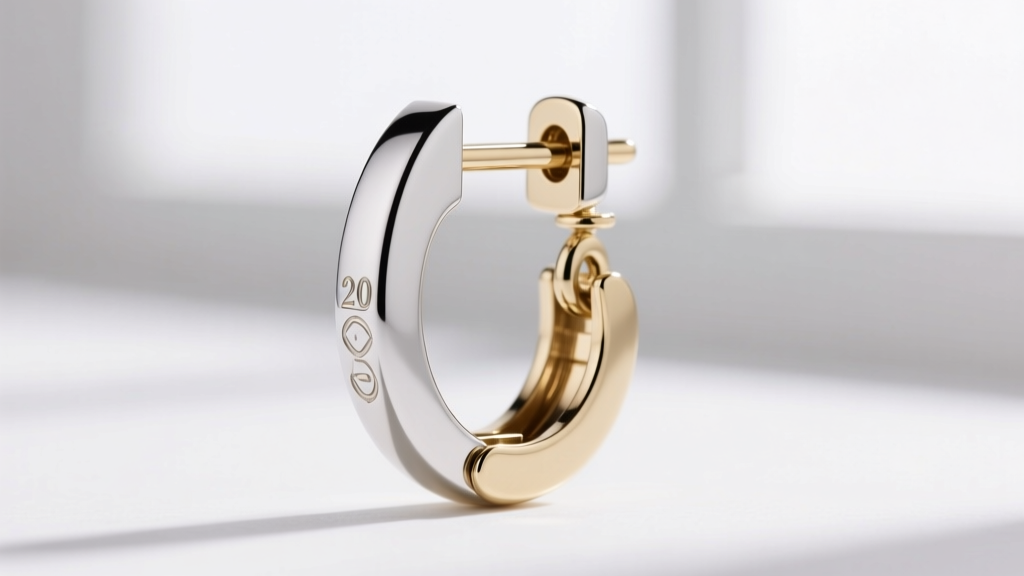
A common mechanical failure in lower-tier manufacturing is hinge fatigue. If the base pin of the hinge is not laser-welded or properly riveted, repetitive opening and closing will cause micro-fractures in the white gold alloy, eventually snapping the wire. When evaluating pieces from Jewelers of America certified retailers, always inspect the hinge under a 10x jeweler's loupe for seamless integration and ensure the catch features a small indentation to lock the wire flush.
The Kinetic Advantage: Physics of the Drape
From a design perspective, white gold leverback earrings offer a distinct kinetic advantage over post-and-clutch designs. Because the leverback wire acts as a natural pivot point at the exact base of the earlobe, the earring swings freely with the wearer's movements. This dynamic articulation allows light to hit faceted gemstones from multiple angles throughout the day. Designers in 2026 are capitalizing on this by incorporating articulated joints below the leverback closure, creating multi-segmented drops that move like liquid metal. The inherent rigidity of white gold alloys ensures that these complex, multi-hinged designs maintain their structural geometry without warping over time.
Material Breakdown: 14K vs. 18K White Gold and Rhodium Plating
Pure gold is inherently yellow. To achieve the brilliant silvery-white hue required for modern leverbacks, gold is alloyed with bleaching metals. The specific alloy recipe drastically impacts the durability, underlying color, and skin compatibility of your earrings. Furthermore, nearly all white gold is plated with rhodium—a platinum-group metal—to achieve a mirror-like finish.
| Feature | 14K White Gold (58.5% Gold) | 18K White Gold (75% Gold) |
|---|---|---|
| Alloy Composition | Typically Nickel, Silver, Zinc | Typically Palladium, Silver |
| Durability | Highly scratch-resistant; rigid | Softer; more prone to micro-scratches |
| Underlying Color | Faint yellowish-gray | Warm champagne-gray |
| Hypoallergenic | No (Nickel allergy risk) | Yes (Palladium is inert) |
| 2026 Price Range | $150 - $600 | $450 - $1,500+ |
According to metallurgical guidelines from the Gemological Institute of America (GIA), nickel-based white gold is highly durable but poses a significant contact dermatitis risk for sensitive ears. For daily-wear leverbacks, palladium-alloyed 18K white gold is the superior choice. Regarding rhodium plating, a standard flash is 0.10 microns, but premium 2026 manufacturers are applying 0.75 to 1.0 microns to ensure the brilliant white finish lasts for years before requiring a re-dip.
Styling Frameworks: Proportions and Face Shapes
The beauty of white gold leverback earrings lies in their movement. Styling them requires matching the drop length and visual weight to your specific facial geometry to create a balanced, harmonious silhouette.

The Proportion Matrix
- Round Faces: Opt for elongated, linear leverback drops (1.5 to 2.5 inches). The vertical lines draw the eye downward, creating the illusion of a more oval face shape. Avoid wide, circular chandelier styles.
- Square Faces: Choose leverbacks with curved, organic motifs or teardrop-shaped gemstones. The soft curves of a pear-cut diamond suspended from a white gold leverback will soften a strong jawline.
- Heart-Shaped Faces: Look for styles that are wider at the bottom than the top. Triangular or inverted drop designs add visual weight to the lower half of the face, balancing a narrower chin.
- Oval Faces: The universal canvas. Oval faces can pull off virtually any leverback style, from minimalist 0.5-inch huggie-leverback hybrids to dramatic 3-inch red-carpet dangles.
Market Pricing and Investment Value in 2026
The pricing of white gold leverback earrings has stratified into three distinct tiers based on craftsmanship, alloy purity, and gemstone integration. Entry-level fashion-fine pieces (14K, minimal stones) range from $150 to $350. The mid-tier luxury market ($400 to $900) features 18K palladium white gold with precision-set melee diamonds and heavy rhodium plating. The high-jewelry tier ($1,200 to $5,000+) includes bespoke, articulated leverbacks featuring GIA-certified center stones and invisible settings.
"The leverback is no longer just a utility closure; in 2026, it is a hallmark of quality. A designer who invests in the complex tooling required for a flawless leverback hinge is almost certainly investing equally in the quality of the gold and stones." — Master Jeweler & Trend Forecaster
Maintenance and Care Protocols
To maintain the mechanical integrity and visual brilliance of your white gold leverbacks, specific care protocols must be followed. Never clean leverback earrings in an ultrasonic cleaner if they feature tension-set stones or fracture-filled diamonds, as the high-frequency vibrations can loosen the settings. Instead, use a soft-bristled brush and a mild degreasing solution. Crucially, keep the catch mechanism free of lotion and sebum buildup; debris in the catch will prevent the wire from seating fully, compromising the security of the earring. Have a professional jeweler check the hinge tension and rhodium plating thickness every 18 months to ensure your pieces remain secure and brilliant.


