Turquoise Statement Earrings: 2026 Budget & Value Assessment
Discover the true value of turquoise statement earrings in 2026. Learn to grade stones, spot fakes, and assess metal hardware for smart buying.

The True Cost of Turquoise Statement Earrings
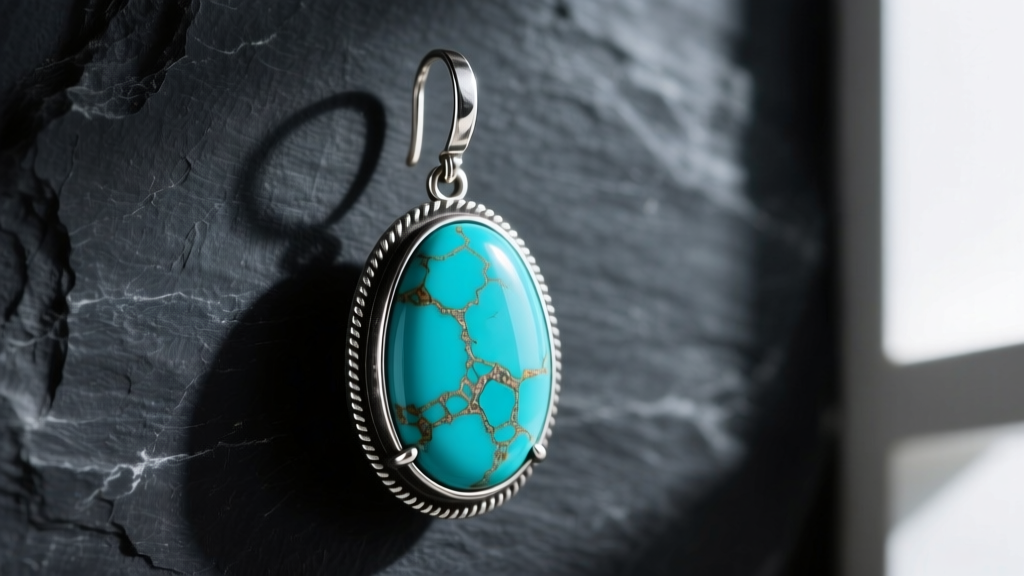
When shopping for turquoise statement earrings, the line between a $450 heirloom and a $45 costume piece is often invisible to the untrained eye. The 2026 jewelry market is currently saturated with oversized, eye-catching turquoise drops and chandelier designs, but the provenance of the stones varies wildly. Because large, statement-sized cabochons (typically 20mm to 40mm in diameter) require substantial raw material, they are prime targets for synthetic substitution, heavy stabilization, and outright forgery.
As a buyer, assessing the budget and true value of turquoise statement earrings requires looking past the vibrant blue-green hues and examining the stone's origin, treatment history, and the structural integrity of the metal hardware. This guide breaks down the exact pricing tiers, material grades, and red flags you need to know before investing in your next pair of statement drops.
Decoding Turquoise Grades & Pricing Tiers
Not all turquoise is created equal. The value of a statement earring is heavily dictated by the mine of origin and whether the stone has undergone chemical alteration. According to the Gemological Institute of America (GIA), natural, untreated turquoise with a strong, even color and no matrix (the host rock webbing) commands the highest premium. However, large stones of this caliber are exceptionally rare and expensive.
Below is a realistic 2026 pricing assessment for a pair of statement-sized (approx. 25mm x 15mm) cabochon earrings set in standard 925 sterling silver.
| Turquoise Type & Origin | Treatment Status | Visual Characteristics | Estimated Value (Pair in 925 Silver) |
|---|---|---|---|
| Sleeping Beauty (Arizona) | Natural / Untreated | Solid sky blue, zero matrix | $350 - $800+ |
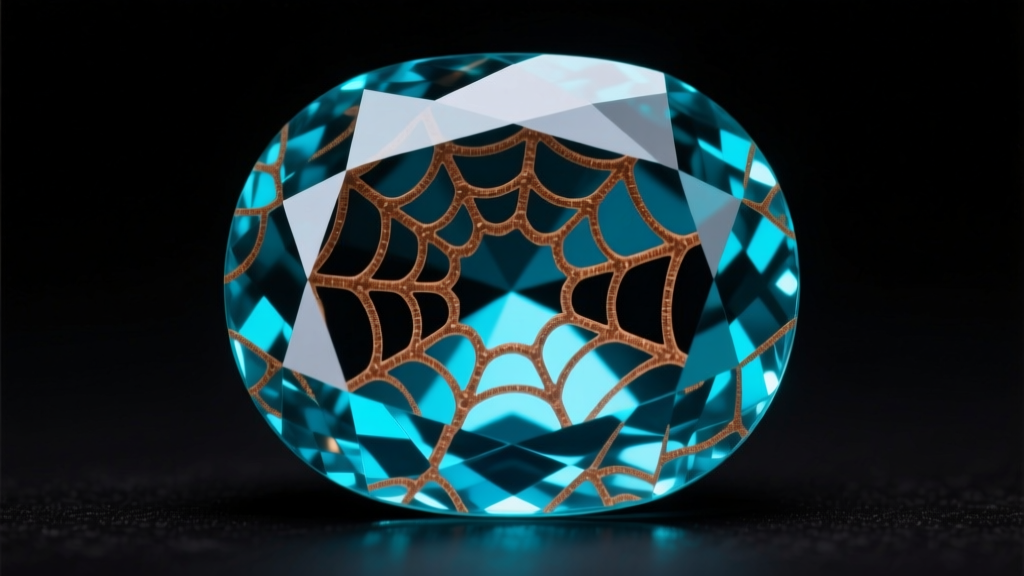
| Kingman (Arizona) | Natural / Lightly Stabilized | Blue to green, brown/black spiderweb matrix | $180 - $400 |
| Persian / Nishapur (Iran) | Natural | Intense robin's egg blue, minimal matrix | $250 - $600 |
| Hubei (China) | Heavily Stabilized / Dyed | Uniform blue, artificial-looking matrix | $40 - $90 |
| Reconstituted / Block | Turquoise dust + epoxy resin | Perfectly uniform, lacks natural depth | $15 - $35 |
Note: Prices assume high-quality bezel settings. Intricate wire-wrapping or gold vermeil overlays will increase the baseline price by 20% to 40%.
Hardware & Gauge: Where Hidden Value Lies
A common failure point in budget turquoise statement earrings is the hardware. Large turquoise stones are surprisingly heavy. A single 30mm cabochon can weigh between 8 and 14 grams. When you add the weight of a silver bezel and a drop chain, the total weight per earring can easily exceed 20 grams. This creates severe structural stress on the earlobe and the earring post.
The Post Gauge Problem
Most mass-produced fashion earrings use a 20-gauge (0.81mm) or 22-gauge (0.64mm) wire for the post. At 20 grams of total weight, a 20-gauge sterling silver post will bend within a week of daily wear, and a 22-gauge post may snap entirely. When evaluating value, inspect the post thickness. High-quality statement earrings should utilize an 18-gauge (1.02mm) or 16-gauge (1.29mm) post to support the stone's mass without warping. If a seller cannot tell you the gauge of the post, assume it is a flimsy 20-gauge or thinner.
Backings: Friction vs. Omega
Standard butterfly friction backs are inadequate for heavy statement pieces. The constant downward pull of a heavy turquoise drop will cause the earring to tilt forward, stretching the ear piercing and causing the friction back to slip off. For true value and longevity, look for statement earrings featuring omega clip-backs, leverback closures with a locking latch, or screw-backs. These distribute the weight across a wider surface area of the earlobe, providing both comfort and security.
The Stabilization Debate: Natural vs. Treated
There is a persistent myth in the jewelry community that 'stabilized' turquoise is inherently fake or worthless. This is a dangerous misconception that leads buyers to overpay for fragile stones or unnecessarily avoid beautiful, durable pieces. The GIA Turquoise Buying Guide notes that because turquoise is a relatively soft, porous mineral (ranking 5 to 6 on the Mohs scale), a significant percentage of mined material is too fragile to be cut into large, thin statement cabochons without crumbling.
Stabilization is an accepted industry practice where porous turquoise is placed in a vacuum chamber and infused with a clear epoxy or acrylic resin. This hardens the stone, deepens the color, and prevents it from absorbing oils and lotions from the skin, which can turn natural turquoise a muddy green over time.
How it affects budget: A stabilized Kingman turquoise statement earring is a highly durable, authentic, and valuable piece of jewelry, typically costing 30% to 50% less than its completely untreated counterpart. However, sellers who market stabilized stones as '100% natural and untreated' are misrepresenting the product. Always ask for disclosure of epoxy treatments. Avoid 'reconstituted' turquoise entirely, as this is merely turquoise dust mixed with glue and dyed, holding virtually zero resale value.
Red Flags: Spotting Overpriced Fakes in 2026
As genuine turquoise mines deplete and raw material costs rise, the market has seen an influx of sophisticated imitations targeting the statement earring niche. Here is how to protect your budget from common scams:
- Dyed Howlite and Magnesite: These are naturally white, porous stones that are dyed blue to mimic turquoise. Under a 10x jeweler's loupe, you will see the dye concentrating in the natural crevices and cracks of the stone, creating an unnatural, web-like stain pattern that does not match genuine host rock matrix.
- Gilson Synthetic Turquoise: Created in a lab, Gilson turquoise has a highly uniform color and a matrix that looks like it was painted on. It lacks the random, organic depth of natural stone and is worth a fraction of the price of mined turquoise.
- The 'Hot Pin' Myth: Older guides suggest touching the stone with a hot needle to see if it melts (indicating plastic or heavy epoxy). Do not do this. Not only will a reputable jeweler kick you out for attempting to damage their inventory, but modern stabilizing epoxies have incredibly high melting points and will not yield a definitive result without scorching the stone.
Final Verdict: What Should You Actually Pay?
When assessing the budget for turquoise statement earrings, you are paying for three distinct factors: the rarity of the untreated stone, the structural quality of the metal hardware, and the artisan labor required to set a large, fragile cabochon without cracking it.
If you are buying for everyday fashion and durability, a budget of $75 to $150 is the sweet spot. In this range, you should expect high-quality stabilized American turquoise (like Kingman or Lone Mountain) set in solid 925 sterling silver with 18-gauge posts and secure omega or leverback findings.
If you are an investor or collector seeking untreated, natural Sleeping Beauty or high-grade Persian turquoise in large statement sizes, expect to pay $300 to $800+. In this tier, demand a certificate of authenticity or a detailed receipt from the lapidary explicitly stating the mine of origin and confirming the absence of polymer or epoxy treatments. By understanding these material realities, you can confidently navigate the 2026 market and ensure your statement earrings are a true asset, not an overpriced liability.


