Latest Model Gold Earrings: 2026 Budget & Value Assessment Guide
Assess the true value of the latest model gold earrings in 2026. We break down karat premiums, CAD craftsmanship, and smart budget allocations.

The Economics of Modern Ear Styling
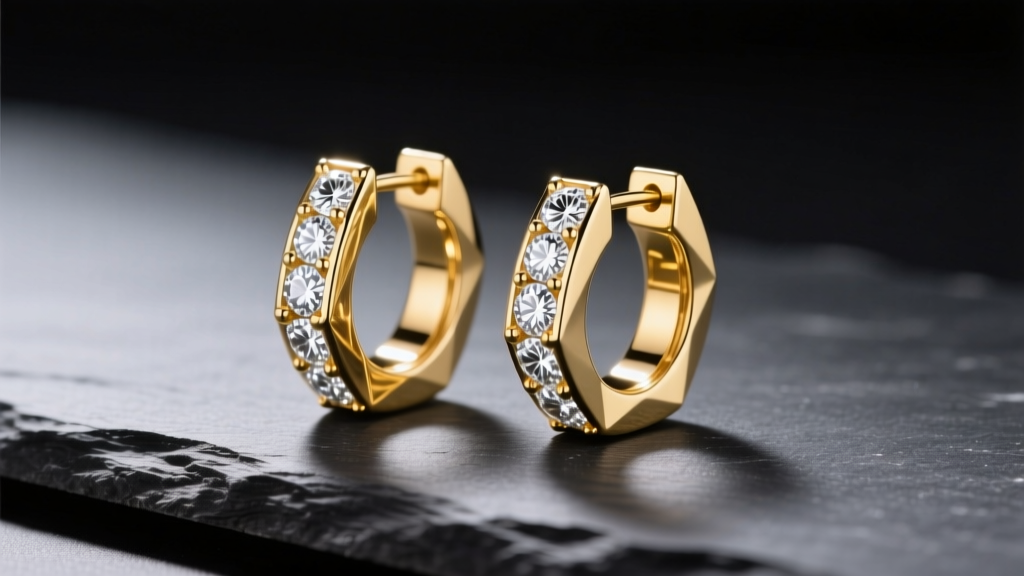
When evaluating the latest model gold earrings in 2026, consumers must look past glossy marketing campaigns and understand the fundamental economics of fine jewelry. Unlike technology or automotive industries where "latest model" implies planned obsolescence, new releases in gold jewelry represent advancements in Computer-Aided Design (CAD), 3D wax printing precision, and modern metallurgical alloys. However, these innovations come with a distinct pricing architecture that separates the raw material value from the craftsmanship premium.
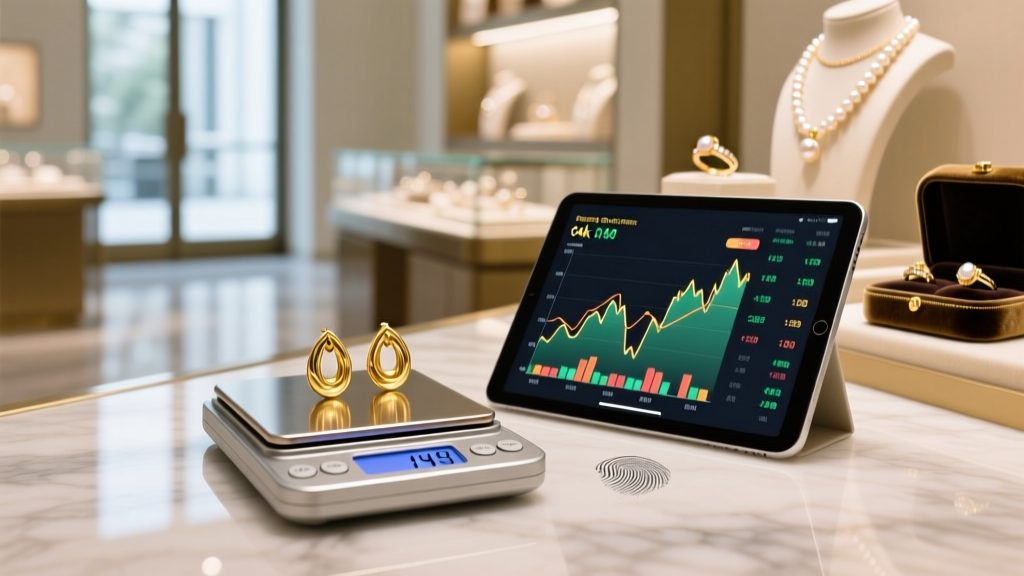
With global spot gold prices hovering around the $2,550 per troy ounce mark in early 2026, the baseline cost of raw materials has fundamentally shifted how jewelers price their newest collections. A troy ounce equals 31.1 grams, placing the pure 24k melt value at roughly $82 per gram. Understanding this baseline is the first step in determining whether a new release is a genuine value proposition or simply riding the wave of inflated precious metal markets.
Decoding the Melt Value vs. Retail Premium
To accurately assess the budget required for contemporary gold earrings, we must separate the intrinsic metal value from the design premium. The latest model gold earrings often feature intricate micro-pave settings, hollow electroformed structures, or complex geometric hinges that require extensive bench jeweler labor. Below is a breakdown of what you are actually paying for when purchasing a modern 4-gram pair of 14k gold huggie hoops.
| Cost Component | 14k Gold (58.5% Purity) | 18k Gold (75% Purity) |
|---|---|---|
| Raw Melt Value (4g) | $192.00 | $246.00 |
| CAD Design & Casting | $120.00 | $150.00 |
| Stone Setting (if applicable) | $85.00 | $110.00 |
| Retail Markup & Overhead | $253.00 | $344.00 |
| Estimated Retail Price | $650.00 | $850.00 |
As highlighted by the World Gold Council, tracking the spot price helps consumers identify when retail markups exceed reasonable craftsmanship thresholds. If a basic 4-gram 14k hoop without stones is priced above $800, you are paying an exorbitant "brand tax" rather than a fair market value for the latest model.
Karat Allocations: Where to Spend and Where to Save
Not all ear piercings require the same metallurgical investment. Strategic budget allocation means matching the karat weight to the specific anatomical placement and structural demands of the earring.
The 14k Sweet Spot for Everyday Huggies and Hoops
For high-friction, everyday wear pieces like huggies or medium-sized hoops, 14k gold remains the undisputed champion of value and durability. Composed of 58.5% pure gold and 41.5% alloy metals (like copper, silver, and zinc), 14k gold offers superior tensile strength. This is critical for the tiny hinges and snap closures found in the latest model huggie designs. A pure 18k or 22k gold hinge will warp over time due to the softness of the metal, leading to structural failure and lost earrings.
Why 18k is Non-Negotiable for Threadless Cartilage Ends
Conversely, if you are investing in threadless ends for cartilage piercings (such as the helix, conch, or tragus), 18k gold is a mandatory investment. Cartilage piercings are typically done at 16-gauge (1.2mm) or 14-gauge (1.6mm) to prevent the "cheese-cutter effect," where thin jewelry migrates through the tissue. According to the Gemological Institute of America (GIA), 18k gold alloyed with palladium (rather than nickel) provides the optimal balance of biocompatibility and rich color necessary for long-term cartilage healing and wear. Budgeting for 18k in these specific applications prevents costly allergic reactions and tissue rejection.
Evaluating the 2026 Design and Technology Premium
How much extra should you pay for a 2026 release compared to a classic 2020 design? The latest model gold earrings frequently utilize 5-axis CNC milling and advanced laser welding, allowing for impossibly thin, lightweight structures that were uncastable a decade ago. Electroforming, a process that builds up a microscopic layer of gold over a resin core, allows jewelers to create massive, voluminous statement drops that weigh less than two grams.
While this technology saves you money on the raw gold weight, the design premium for these architectural pieces is steep. Expect to pay a 40% to 60% markup on the base melt value for advanced CAD and electroformed pieces. The value proposition here is aesthetic volume without the heavy earlobe drag, but buyers must be aware that hollow electroformed gold dents easily and cannot be repaired by a standard bench jeweler if crushed.
The Smart Buyer's Inspection Checklist
Before finalizing a purchase on the latest model gold earrings, run the piece through this rigorous physical inspection checklist to ensure the manufacturing quality justifies the 2026 price tag.
- Hallmark Verification: Look for laser-stamped hallmarks (e.g., 14K, 18K, 750) located on the post or the inside of the hoop band, not just the earring back.
- Post Gauge Thickness: Ensure standard lobe posts are at least 18-gauge (1.0mm). Many mass-market brands use flimsy 20-gauge (0.8mm) or 22-gauge (0.6mm) posts to save fractions of a gram of gold, which bends under the weight of a heavy drop earring.
- White Gold Alloy Check: Ask the jeweler if their white gold is nickel-alloyed or palladium-alloyed. Palladium white gold costs roughly 15% more but eliminates the need for annual rhodium plating and prevents contact dermatitis.
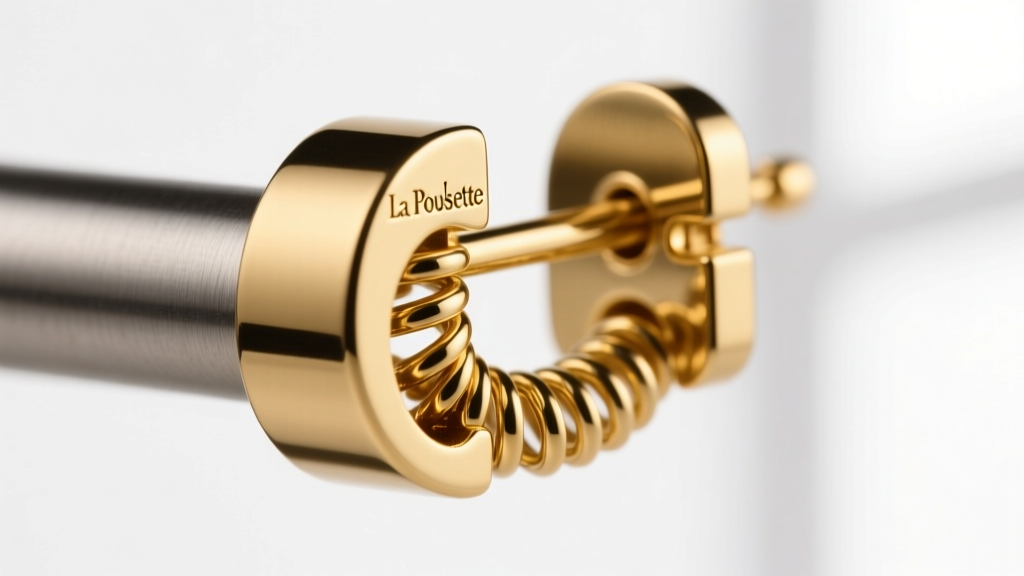
- Security Mechanism: For valuable drops, discard standard friction butterfly backs. Demand La Pousette (spring-loaded) backs or screw-backs, which utilize mechanical tension to secure the earring.
Final Verdict: Maximizing Your Gold Budget
Navigating the market for the latest model gold earrings requires a shift in perspective from purely aesthetic shopping to analytical asset acquisition. By understanding the mathematical relationship between spot gold prices, karat purity, and CAD manufacturing premiums, you can confidently identify which 2026 releases offer genuine horological-level craftsmanship and which are merely riding the coattails of inflated metal markets. Prioritize 18k palladium white gold for fresh cartilage piercings, rely on the structural integrity of 14k for hinged huggies, and always inspect the post gauge and clutch mechanics before authorizing the transaction. For further standards on precious metal hallmarking and consumer protection, refer to the guidelines published by Jewelers of America.


