The Girl With The Pearl Earring Painting: Budget Guide To Teardrop Pearls
Discover the true value behind the girl with the pearl earring painting. We break down the budget for real vs. faux teardrop pearl drop earrings today.

The Mystery of the Girl With The Pearl Earring Painting
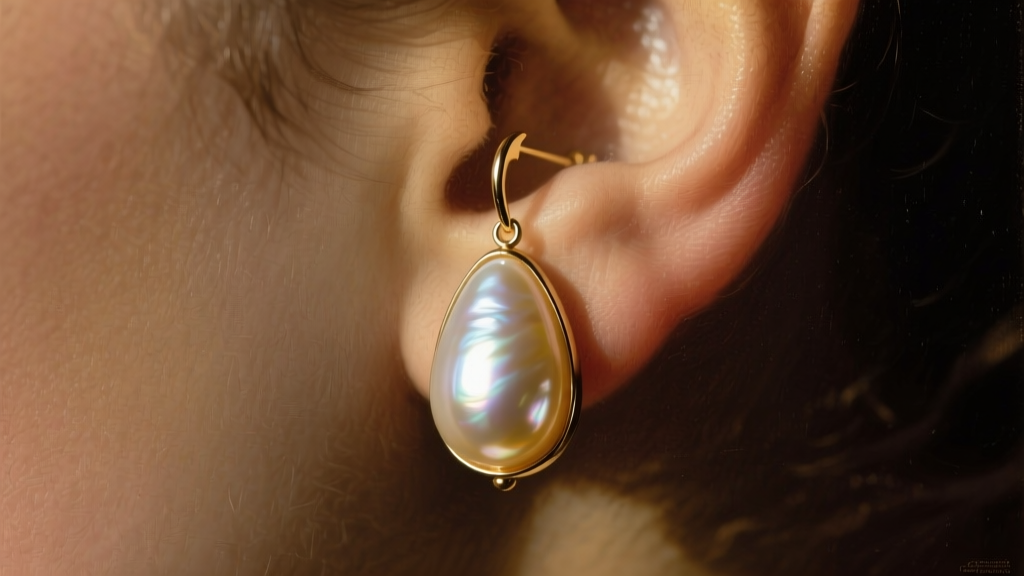
Johannes Vermeer’s masterpiece, the girl with the pearl earring painting, has captivated art lovers and jewelry enthusiasts for centuries. The focal point of the 1665 tronie is, undeniably, the massive, luminous teardrop earring catching the light against the girl's dark attire. But from a gemological and historical perspective, this iconic piece of jewelry presents a fascinating budget and value paradox. In the 17th-century Dutch Republic, a natural saltwater pearl of the size depicted in the painting would have been astronomically expensive—reserved exclusively for royalty and elite aristocrats. According to curators at the Mauritshuis museum, art historians widely believe the earring in the painting was actually a glass or tin-lead drop, artificially coated to mimic the luster of a real pearl. Today, replicating this iconic look requires navigating the modern pearl market, where sizes, materials, and luster grades dictate vastly different price points. In this 2026 value assessment, we break down exactly what it costs to achieve the Vermeer aesthetic, from historically accurate faux drops to high-end cultured investments.
Sizing the Vermeer Drop: Dimensions and Proportions
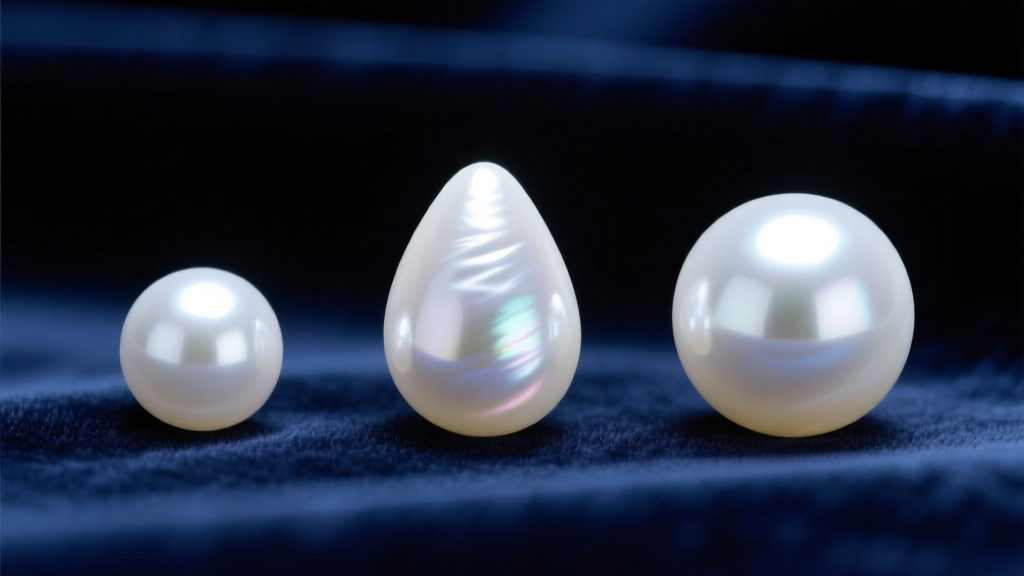
To capture the visual weight and dramatic silhouette of the earring in the girl with the pearl earring painting, you must look beyond standard pearl studs. The earring in the painting is estimated to be between 14mm and 18mm in diameter, with an elongated teardrop or oval shape rather than a perfect sphere. Standard budget pearls found in mall jewelry stores typically range from 6mm to 8mm, which will look entirely disproportionate if you are aiming for the Vermeer aesthetic. When shopping, you must specifically seek out 'drop' or 'teardrop' pearls. A 12mm drop is the absolute minimum to achieve the painting's silhouette, but a 14mm to 16mm teardrop provides the most authentic, historically inspired visual impact. The elongated shape is crucial; it catches directional light differently than a round bead, creating the signature bright highlight and deep shadow that Vermeer masterfully rendered with just a few brushstrokes.
Budget & Value Assessment: Real vs. Faux Teardrop Pearls
When assessing the budget for this specific style, consumers are generally split into three distinct tiers. The value proposition changes dramatically depending on whether you prioritize historical accuracy, organic gemstone beauty, or luxury investment. Below is a comparative breakdown of the current market for teardrop pearl earrings.
| Material Tier | Typical Size | 2026 Price Range (Per Pair) | Vermeer Accuracy | Longevity & Care |
|---|---|---|---|---|
| Tin-Lead Glass / Crystal Faux | 14mm - 18mm | $15 - $65 | High (Historically Accurate) | Coating may peel over 5-10 years |
| Cultured Freshwater (Baroque/Teardrop) | 12mm - 15mm | $80 - $350 | Medium (Organic, but rare in 1665) | Lifetime durability with proper care |
| Cultured South Sea / Tahitian | 14mm - 18mm+ | $3,000 - $15,000+ | Low (Too rare/expensive for the era) | Heirloom investment grade |
Tier 1: Faux Glass and Crystal (The Historically Accurate Choice)
If your goal is strict historical accuracy regarding the girl with the pearl earring painting, high-quality faux pearls are ironically your most authentic option. Brands like Majorica utilize advanced glass-core coating techniques that replicate the deep 'orient' (the optical play of light) of real nacre. A 16mm Majorica teardrop drop earring typically retails between $45 and $65. While purists may balk at 'fake' jewelry, the value here lies in the lightweight comfort and the exact visual replication of 17th-century costume jewelry. The main drawback is longevity; the pearlescent coating can eventually chip or peel if exposed to harsh cosmetics or friction.
Tier 2: Cultured Freshwater Pearls (The Modern Value Champion)
For those who demand an organic gemstone without the luxury markup, cultured freshwater teardrop pearls offer the best overall value. Modern nucleation techniques allow for the cultivation of large, baroque, and teardrop-shaped freshwater pearls that were virtually impossible to farm in the 1600s. You can acquire a pair of 14mm AAA-grade freshwater teardrop drops with excellent luster for $150 to $300. Because freshwater pearls are solid nacre (unlike bead-nucleated saltwater pearls), they are incredibly durable and will not peel. The slight asymmetries and natural baroque ridges in these pearls actually enhance the organic, romantic feel of the Vermeer aesthetic.
Tier 3: South Sea and Tahitian Drops (The Luxury Investment)
If budget is no object, white South Sea or silver-lipped Tahitian pearls can naturally grow to the massive 16mm+ sizes seen in the painting. However, finding a perfectly matched pair of large teardrop South Sea pearls is exceptionally rare, often pushing prices well past $10,000. From a pure value-assessment perspective, this tier is an heirloom investment rather than a stylistic replica. The nacre thickness and satiny luster of a South Sea pearl are unparalleled, but the heavy weight of these stones introduces significant physical challenges for the wearer.
The Hidden Costs of Heavy Drops: Lobe Health and Gauge Sizes
One of the most overlooked aspects of buying large, dramatic drop earrings is the physical toll they take on the earlobe. A 16mm solid glass or South Sea pearl can weigh upwards of 8 to 12 grams per earring. When suspended from a standard, flimsy 22-gauge (0.64mm) or 20-gauge (0.81mm) ear wire, this concentrated weight creates the dreaded 'cheese-cutter effect,' where the thin wire slowly slices through the delicate tissue of the earlobe, causing irreversible stretching and sagging over time.
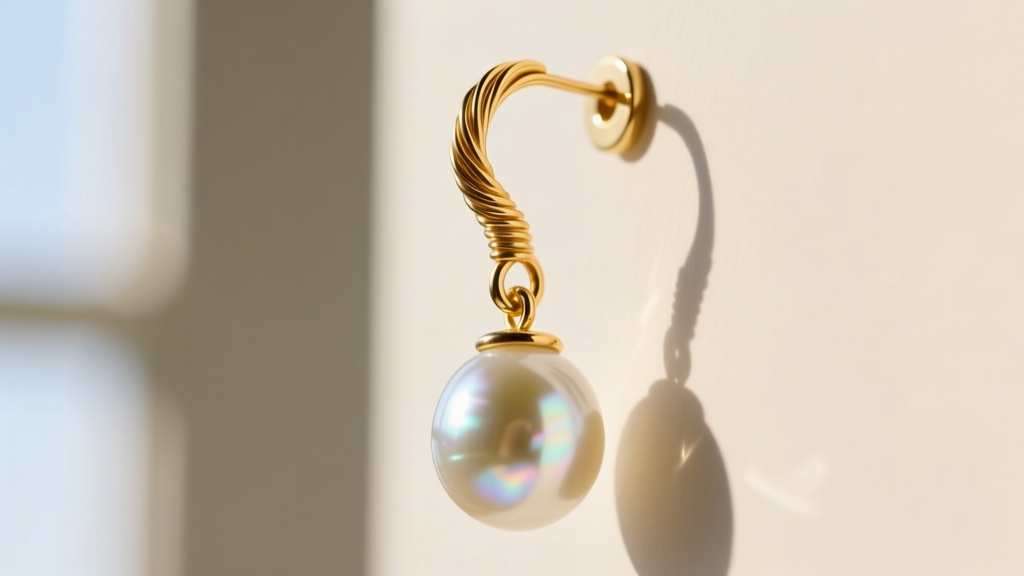
To protect your earlobes while wearing heavy Vermeer-style drops, you must assess the hardware. Look for ear wires that are at least 18-gauge (1.02mm) or 16-gauge (1.29mm) in thickness. The thicker wire distributes the weight across a wider surface area of the piercing. Additionally, factor in the cost of earring support patches (such as Lobe Wonder) or silicone droop-stoppers, which adhere to the back of the earlobe to provide structural support and keep the heavy teardrop facing perfectly forward, exactly as it does in the painting. Budgeting an extra $15 for high-quality support patches is a non-negotiable requirement for preserving your lobe health when wearing statement drops.
Grading Luster: Chasing the 'Orient'
The magic of the girl with the pearl earring painting lies entirely in the light reflection—the bright, stark white highlight against the deep shadow. According to the Gemological Institute of America (GIA), the most critical value factor in any pearl is its luster, not its surface perfection. When shopping for budget-friendly freshwater or faux teardrops, do not reject a pearl simply because it has minor surface blemishes, ridges, or an asymmetrical baroque shape. Instead, prioritize the sharpness of the light reflection. A 14mm freshwater pearl with sharp, mirror-like luster and minor surface imperfections is vastly superior in value and visual impact to a perfectly smooth, round pearl with a dull, chalky surface. The 'orient'—the iridescent play of color just beneath the surface—is what gives the earring its life and depth.
Final Verdict: Where Should You Invest?
Replicating the iconic look of the girl with the pearl earring painting does not require a royal treasury. For the most historically authentic and budget-friendly approach, a high-quality 16mm glass or crystal teardrop set on an 18-gauge wire ($30-$65) is your best choice, perfectly mirroring the likely reality of Vermeer's subject. For those seeking a genuine, lifelong gemstone that captures the romantic essence of the artwork, a pair of 14mm baroque freshwater teardrop pearls ($150-$300) offers unmatched value, durability, and organic beauty. Ultimately, the true value of this iconic jewelry style lies in its ability to catch the light and frame the face, proving that dramatic impact is a matter of proportion and luster, not just price.


