Silver Ball Hoop Earrings: 2026 Budget & Value Guide
Discover the true value of silver ball hoop earrings in 2026. Compare 925 sterling, Argentium, and plated options, pricing tiers, and clasp durability.

The Anatomy of Silver Ball Hoops: Where Does the Money Go?
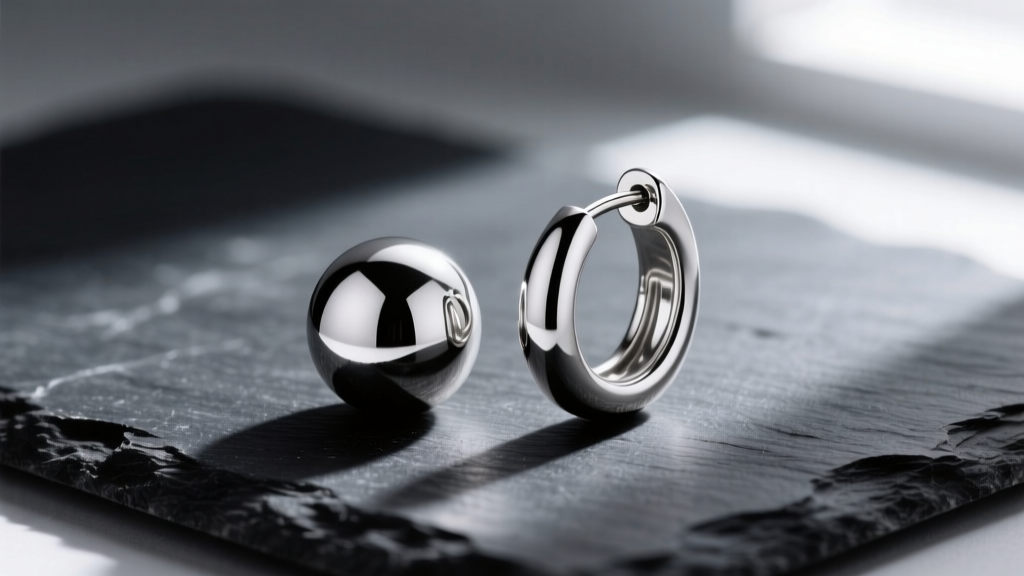
When evaluating silver ball hoop earrings, the difference between a $20 bargain and a $120 investment piece is rarely just about brand prestige. The ball hoop—a hybrid design combining the continuous, face-framing line of a traditional hoop with the geometric weight of a spherical bead—has become a foundational staple in 2026 curated ear stacks. However, because this style relies on a single point of structural tension (where the ball meets the hoop or clasp), poor manufacturing leads to rapid failure. To truly assess value, we must look past the polish and examine material grades, gauge thickness, and clasp engineering.
According to The Silver Institute, the global standard for sterling silver requires a minimum of 92.5% pure silver. Yet, how the remaining 7.5% is alloyed, and how the jewelry is finished, dictates whether your earrings will last a season or a lifetime. This guide breaks down the exact specifications you should demand when shopping for silver ball hoops, ensuring your budget translates into genuine, long-term value.
Material Grades: 925 Sterling vs. Argentium vs. Plated
The core of any silver earring's value proposition lies in its metallurgical composition. Not all "silver" is created equal, and the alloying metals directly impact tarnish rates, skin reactions, and structural integrity.
925 Sterling Silver (The Industry Standard)
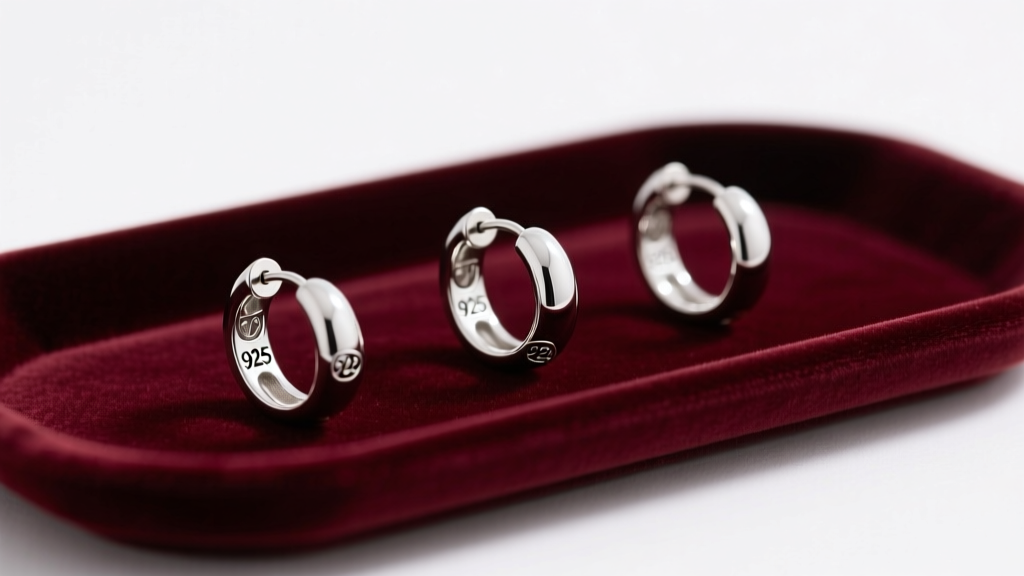
Traditional sterling silver is alloyed with 7.5% copper to provide the tensile strength that pure 999 silver lacks. While durable, copper is highly reactive to sulfur and moisture in the air, leading to silver sulfide (tarnish). A solid pair of 925 silver ball hoops is an excellent mid-tier investment, provided you are willing to perform routine maintenance. Look for the "925" stamp, usually laser-engraved on the inside of the hoop or the clasp segment.
Argentium 935 / 960 (The Premium Upgrade)
Argentium silver replaces a portion of the copper alloy with germanium. This seemingly minor tweak results in a metal that is virtually tarnish-resistant, highly hypoallergenic, and capable of fusion welding. Fusion welding means the ball can be seamlessly attached to the hoop without traditional solder seams, which are notorious weak points that snap under pressure. If you have sensitive skin or live in a humid climate, Argentium offers superior cost-per-wear value despite a 20-30% higher upfront cost.
Silver-Plated Brass (The Budget Trap)
Earrings priced under $15 are almost universally brass or copper cores with a "flash plating" of silver (often less than 0.5 microns thick). According to dermatological research on contact dermatitis, once this micro-thin layer wears away from friction, the exposed base metals react with skin acidity. This causes the dreaded "green ear" effect and can trigger severe nickel or copper allergies. From a value perspective, plated silver ball hoops are disposable; they are a sunk cost, not an investment.
Gauge Thickness and the "Cheese Cutter" Effect
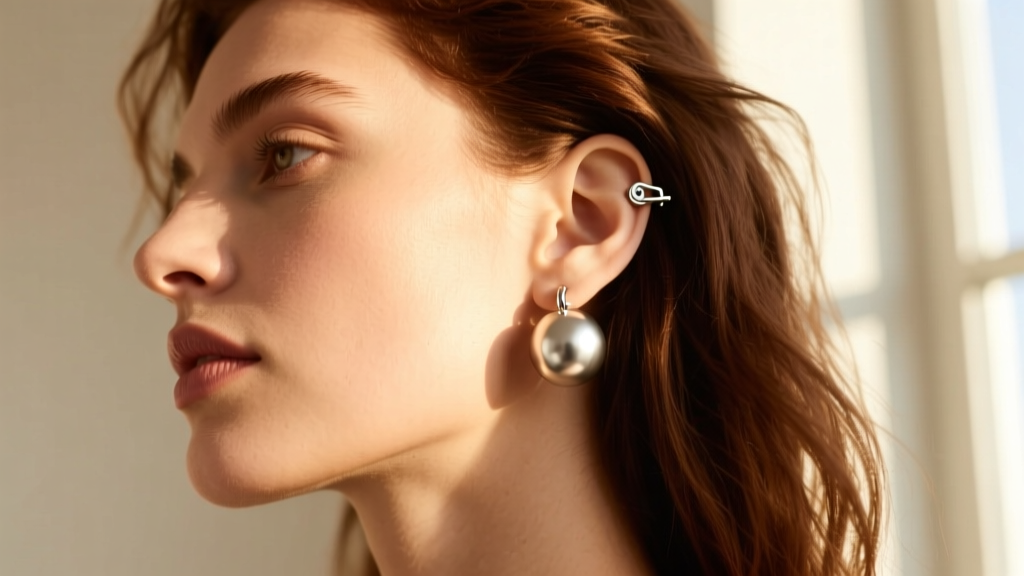
A critical, often overlooked factor in assessing the value of silver ball hoops is the wire gauge. The addition of a solid silver ball adds localized weight to the hoop. If the wire is too thin, gravity and the natural movement of your jaw and neck will cause the wire to migrate through your piercing fistula—a painful phenomenon known in the body modification community as the "cheese cutter effect."
- 20-Gauge (0.81mm): Acceptable only for standard, well-healed earlobe piercings where the ball size is proportionally small (e.g., a 3mm ball on a 15mm hoop).
- 18-Gauge (1.02mm): The ideal standard for most lobe and lower cartilage (helix) placements. It provides enough structural rigidity to support a 4mm to 6mm solid ball without bending.
- 16-Gauge (1.29mm): Mandatory if you are wearing heavier, oversized ball hoops in upper cartilage or conch piercings. Cartilage is dense and unforgiving; thin wires will cause micro-tears and migration.
When shopping, always verify the gauge. Many fast-fashion brands use 22-gauge or 24-gauge wire to save on silver weight costs, masking the cheapness with a heavy, oversized ball that will ultimately ruin your piercing.
Clasp Mechanisms: The Hidden Failure Point
The clasp is where 90% of silver ball hoop earrings fail. The mechanical stress of opening and closing the earring daily will quickly expose poor manufacturing tolerances.
Friction Posts and Threaded Balls
Many budget hoops use a straight friction post with a "butterfly" back, or a threaded ball that screws onto the end of the wire. Friction posts harbor bacteria in the push-back crevices and bend easily when pulled through hair. Threaded balls, while more secure, suffer from thread stripping over time. Worse, when the ball unscrews unexpectedly, it drops into carpets and sink drains, rendering the earring useless.
The Hinged Clicker (The Gold Standard)
The highest value silver ball hoops utilize a hinged "clicker" mechanism. The hoop itself is split, with a hidden hinge on one side and a precision-machined snap closure on the other. The ball is either permanently soldered to the bottom of the hoop or serves as the decorative front of the clasp itself. When closing a high-quality clicker, you should hear and feel a distinct, mechanical "click." This ensures the earring is fully locked and will not open when pulling a sweater over your head.
2026 Pricing Tiers: What Should You Actually Pay?
To help you navigate the market, we have categorized the current pricing landscape for solid silver ball hoop earrings based on material integrity, manufacturing methods, and expected lifespan.
| Value Tier | Material & Build | 2026 Price Range | Expected Lifespan | Cost Per Year |
|---|---|---|---|---|
| Fast Fashion | Brass core, flash-plated, friction post, 22G wire. | $12 - $28 | 3 - 6 Months | $24 - $56 |
| Mid-Market | Solid 925 Sterling, rhodium-plated, hinged clicker, 20G/18G. | $45 - $85 | 3 - 5 Years | $9 - $28 |
| Artisan / Premium | Argentium 935/960, fusion-welded ball, precision clicker, 18G/16G. | $95 - $160 | 10+ Years (Lifetime) | < $16 |
As the table illustrates, the "budget" option is actually the most expensive over time due to rapid degradation and replacement cycles. The mid-market tier offers the best immediate value for casual wearers, while the premium tier is the undisputed winner for those building a permanent, high-end jewelry wardrobe.
Verdict: Maximizing Your Investment
When purchasing silver ball hoop earrings, prioritize structural engineering over fleeting aesthetic trends. Demand solid 925 or Argentium silver, insist on an 18-gauge thickness for any cartilage placement, and refuse to settle for anything less than a secure hinged clicker clasp. By focusing on these tangible metrics of quality, you ensure that your jewelry not only elevates your daily style but also stands the test of time, proving that true value is found in the details you cannot immediately see.


