What Earring Side Is Gay? Myth vs Modern Budget Ear Curation
We debunk the outdated what earring side is gay myth and provide a 2026 budget assessment for buying high-value, single or paired men's earrings.


The Cultural Time Capsule: Decoding the 'Gay Ear' Myth
If you have ever found yourself typing what earring side is gay into a search engine, you are stumbling into a fascinating cultural time capsule. In the 1970s and 1980s, a covert signaling system emerged within the LGBTQ+ community, eventually bleeding into mainstream pop culture. The prevailing schoolyard rhyme was 'left is right, right is wrong,' suggesting that a single earring in the right ear indicated homosexuality, while the left ear was strictly heterosexual. By the late 1990s and early 2000s, this 'hanky code' crossover had entirely collapsed. Hip-hop icons, punk rockers, and mainstream athletes began wearing multiple earrings in both ears, rendering the old binary completely obsolete.
Today, in 2026, ear placement is dictated entirely by anatomy, personal style, and ear curation aesthetics—not sexual orientation. However, the legacy of the 'single earring' look remains a powerful stylistic choice for men and masculine-presenting individuals. This brings us to a crucial modern dilemma: how do you budget for high-quality, single-piece ear curation without falling into the trap of overpriced fashion brands or cheap, skin-irritating metals?
The Single Earring Economy: Pairs vs. Singles
When assessing the budget and value of men's earrings, the first hurdle is the retail pricing model. Traditional mall jewelers and fast-fashion brands almost exclusively sell earrings in pairs. If you only want a single, high-quality stud for one ear, buying a pair means paying for inventory you will never use.
Conversely, the professional body jewelry industry operates on a single-piece economy. High-end, reputable brands like BVLA, Anatometal, and Maria Tash sell their pieces individually. While the upfront cost of a single solid gold or gem-set stud from a professional brand might range from $60 to $250, the cost-per-wear and longevity vastly outperform a $30 pair of gold-plated brass earrings from a fashion retailer that will tarnish within three months.
Value Rule #1: Never pay for a pair if you only need a single. Reallocate the budget you would have spent on a matched set toward one premium, implant-grade piece that will last a lifetime.
Material Value Matrix: Where to Allocate Your Budget
The cornerstone of any jewelry budget assessment is understanding material grades. Wearing cheap metals in a piercing—even a fully healed one—can lead to contact dermatitis, localized infections, and the eventual rejection of the piercing. The Association of Professional Piercers (APP) strictly regulates which materials are safe for long-term wear. Below is a value assessment of common earring materials to help you spend your money wisely.
| Material Grade | Avg. Price (Single) | Nickel Content | Longevity | Value Verdict |
|---|---|---|---|---|
| Implant-Grade Titanium (ASTM F136) | $15 - $45 | 0% (Nickel-Free) | Lifetime | Best Overall Value. Hypoallergenic, lightweight, and affordable. |
| 316L Surgical Steel | $8 - $20 | Trace Amounts | 5-10 Years | Budget Pick. Fine for fully healed lobes, but avoid if you have nickel sensitivities. |
| 14k / 18k Solid Gold | $80 - $300+ | 0% (if alloyed correctly) | Lifetime / Heirloom | Investment Piece. High upfront cost, but retains intrinsic metal value. |
| Gold Vermeil / Plated Brass | $15 - $40 (Pair) | High (in base metal) | 3-6 Months | Poor Value. Plating wears off, exposing reactive brass. Causes green skin and irritation. |
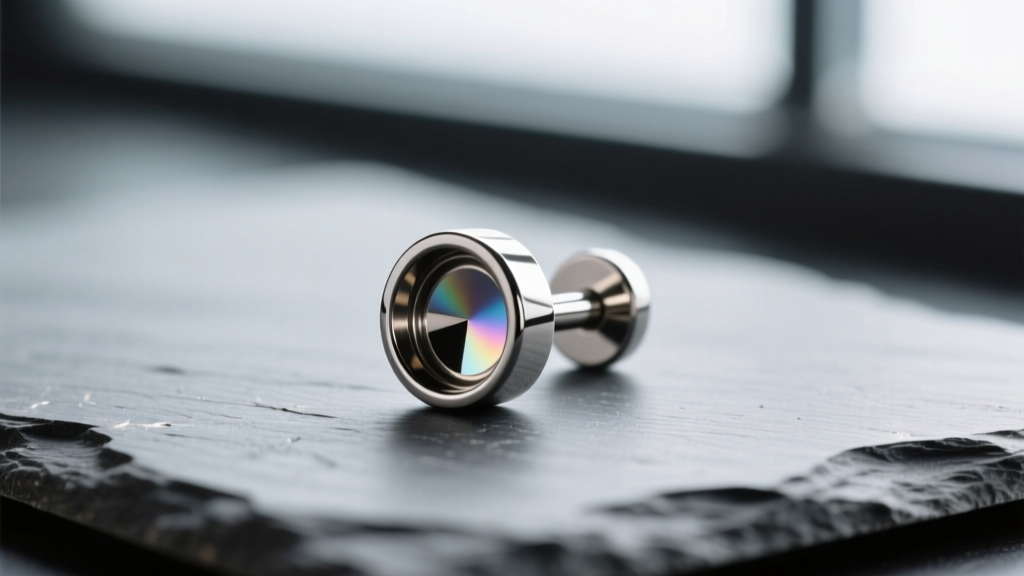
Hardware & Threading: The Hidden Cost of Cheap Jewelry
When budgeting for earrings, most consumers look only at the decorative front—the onyx gem, the gold hoop, or the diamond solitaire. However, the true value of an earring lies in its hardware, specifically the threading mechanism. Understanding this will save you from the hidden costs of piercing damage and medical treatments.
Externally Threaded (Avoid at All Costs)
Cheap, mass-market earrings feature external threading, meaning the screw pattern is on the post that passes through your ear. Every time you insert or remove the earring, those sharp metal threads act like a cheese grater on your delicate fistula (the piercing channel). This causes micro-tears, scar tissue buildup, and irritation bumps. The 'savings' on a $5 earring will quickly be erased by the cost of treating an infection or buying saline solutions and aftercare products.
Internally Threaded & Threadless (The Gold Standard)
Premium body jewelry utilizes internally threaded posts (where the screw is on the decorative end, leaving the post perfectly smooth) or threadless (push-pin) mechanisms. According to style and grooming experts at GQ, upgrading to threadless titanium or solid gold hardware is the single best grooming investment a man can make for his ear curation. The tension-fit of a threadless pin ensures the earring will never accidentally fall out and get lost in your bedsheets—a common and expensive failure mode for cheap friction-back 'butterfly' clasps.
The 2026 Budget Framework for Ear Curation
Whether you are rocking a single lobe piercing, a double-lobe setup, or venturing into cartilage (helix or tragus), applying a structured budget framework ensures you get the highest aesthetic return on your investment. We recommend the 80/20 Anchor Rule for masculine and unisex ear curation.
- The 80% Anchor Piece: Allocate the vast majority of your budget to your primary, most visible piercing (usually the standard lower lobe). This is where you invest in a 14k solid gold bezel-set diamond, a high-quality black onyx solitaire, or a seamless 14k gold clicker hoop. This piece will be worn 24/7 and should be treated as a permanent fixture of your personal brand.
- The 20% Accent Pieces: For secondary piercings, or if you are experimenting with cartilage placements, utilize ASTM F136 implant-grade titanium. Titanium offers a sleek, modern, industrial aesthetic that pairs beautifully with gold or silver accessories, and it keeps your secondary costs under $30 per piece.

Sizing and Gauge: Don't Guess, Measure
A major budget drain occurs when consumers buy earrings that simply do not fit their anatomy. Standard fashion earrings are usually 20-gauge (0.8mm) or 18-gauge (1.0mm). However, professional piercing studios typically pierce lobes at 16-gauge (1.2mm) or 14-gauge (1.6mm) to ensure stability and reduce the 'cheese-cutter effect' (where a thin wire slowly slices through the earlobe over time). Always verify your gauge size with a professional piercer using a caliper before purchasing high-end singles online. Buying a $150 gold stud that is too thin for your piercing channel is a poor allocation of funds.
Final Verdict: Invest in Quality, Ignore the Codes
The question of what earring side is gay is entirely irrelevant in today's fashion landscape. The modern approach to men's and unisex earrings is rooted in anatomical precision, material safety, and intentional styling. By abandoning the outdated single-ear binary and embracing the single-piece economy of professional body jewelry, you can build a curated, high-value ear aesthetic that respects both your skin and your wallet. Prioritize implant-grade titanium and solid gold, demand threadless or internally threaded hardware, and wear your jewelry on whichever side best complements your face shape and personal style.


