Types of Earrings Backs: 2026 Comfort & Style Trends
Discover the top types of earrings backs in 2026. We analyze friction, screw, flat, and magnetic clasps for ultimate comfort, security, and style.

The Evolution of Earring Backs: Why 2026 is the Year of Ergonomic Luxury
For decades, the jewelry industry prioritized the aesthetic brilliance of the earring's front, treating the earring back as a mere functional afterthought. However, as we move through 2026, a massive paradigm shift has occurred. Driven by consumer demand for hypoallergenic materials, sleep-friendly designs, and high-security mechanisms for fine jewelry, the engineering of earring closures has become a focal point of style and trend analysis. Understanding the different types of earrings backs is no longer just about keeping your jewelry from falling out; it is about optimizing comfort, protecting your piercings from contact dermatitis, and matching the closure to the specific anatomical placement of the piercing.
Whether you are navigating the delicate cartilage of a tragus piercing or securing a heavy diamond stud on a standard lobe, the mechanics of the backing dictate the longevity and wearability of the piece. In this comprehensive guide, we deconstruct the metallurgy, mechanics, and emerging trends of modern earring backs, providing actionable insights for both collectors and everyday wearers.
Deconstructing the Most Popular Types of Earrings Backs
To make informed decisions about your jewelry, we must first analyze the mechanical failures and successes of the most common backing systems available on the market today.
1. Friction (Butterfly) Backs: The Classic Under Scrutiny
The friction back, commonly known as the butterfly clutch, relies on a metal scroll with two loops that grip a notched post. The security of this mechanism depends entirely on the tension of the metal and the depth of the groove on the post. While ubiquitous in commercial jewelry, friction backs are notorious for metal fatigue. Over time, the loops stretch, reducing the coefficient of friction and leading to lost earrings. Furthermore, the sharp prongs of the butterfly back frequently dig into the skin behind the earlobe during sleep, causing localized pressure necrosis and discomfort.
2. Screw Backs: The Security Standard for Fine Jewelry
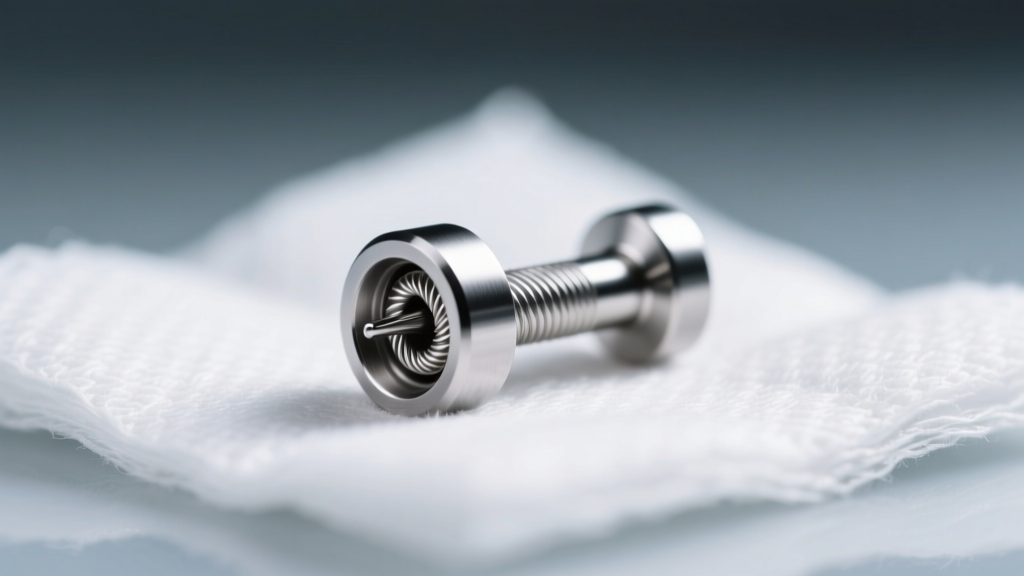
For high-value items like diamond solitaires, screw backs remain the gold standard. These feature a post with precision-machined external threads that mate with an internally threaded nut. According to the Gemological Institute of America (GIA), screw backs drastically reduce the risk of losing expensive stones due to accidental snags. However, they require manual dexterity to apply and are prone to cross-threading if forced, which can permanently strip the delicate 0.8mm or 1.0mm pitch threads.
3. Flat Backs (Labret Posts): The Cartilage & Helix Revolution
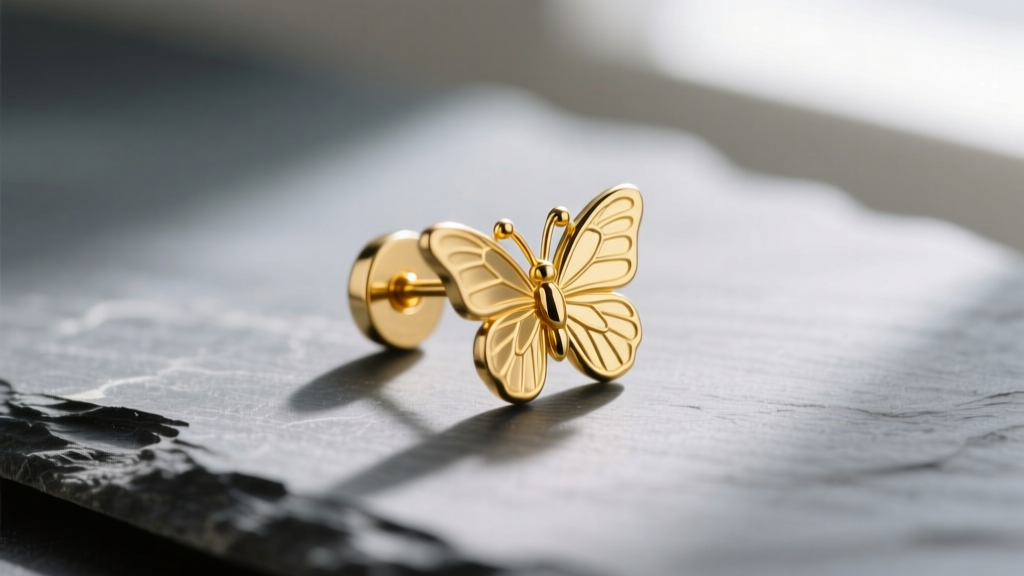
The most significant trend in cartilage jewelry over the last five years is the dominance of the flat back, or labret post. Unlike butterfly backs that protrude and catch on hair, a flat back features a smooth, low-profile disc that sits flush against the back of the ear. This is the anatomically correct choice for helix, tragus, and conch piercings. Modern flat backs utilize internal threading—where the post is hollow and threaded, and the decorative front screws into it—eliminating the sharp external threads that can tear delicate fistula tissue during insertion.
Material Science: Hypoallergenic Grades & Failure Modes
The material of the earring back is just as critical as its shape. Contact dermatitis from nickel exposure is one of the most common reasons consumers abandon certain jewelry pieces. The American Academy of Dermatology notes that even trace amounts of nickel in white gold or sterling silver alloys can trigger severe allergic reactions when trapped against the skin by a tight earring back.
'When evaluating types of earrings backs for fresh or sensitive piercings, the focus must shift entirely to implant-grade materials. Commercial 'surgical steel' is largely a marketing term; true biocompatibility requires ASTM F136 titanium or niobium.' — Association of Professional Piercers (APP)
In 2026, we are seeing a massive surge in the use of medical-grade silicone for friction O-rings and backing sleeves. Silicone offers a high-friction grip without the need for metal tension, and its inert nature makes it completely hypoallergenic. However, silicone degrades when exposed to sebum, heavy cosmetics, and alcohol-based cleaners, requiring replacement every 6 to 12 months to maintain security.
Comparative Analysis: Security, Comfort, and Application
The following table breaks down the performance metrics of the primary earring back types to help you match the closure to your specific lifestyle and piercing placement.
| Back Type | Mechanism | Security Level (1-5) | Sleep Comfort | Best Application | Avg. Cost Premium |
|---|---|---|---|---|---|
| Butterfly Friction | Metal scroll tension on notched post | 2 | Poor | Standard lobe, fashion jewelry | Base Price |
| Screw Back | External post thread / internal nut | 5 | Fair | High-value diamond studs | +$40 - $85 |
| Flat Back (Labret) | Internal thread / flush disc | 4 | Excellent | Cartilage, tragus, conch, helix | +$20 - $50 |
| Silicone O-Ring | Elastomeric friction grip | 3 | Excellent | Sensitive lobes, athletic wear | +$5 - $15 |
| La Pousette (Locking) | Spring-loaded dual pin mechanism | 5 | Good | Heavy drops, luxury fine jewelry | +$100+ |
Emerging 2026 Trends: Magnetic & Invisible Locking Mechanisms
As jewelry design merges with wearable technology and advanced ergonomics, two distinct trends have dominated the 2026 market for types of earrings backs:
- Neodymium Magnetic Clasps: Designed for accessibility and ease of use, these backs utilize high-grade, rare-earth neodymium magnets encased in smooth, medical-grade silicone shells. They snap together effortlessly behind the lobe, making them a game-changer for individuals with arthritis or limited fine motor skills. The silicone casing prevents the magnets from pinching the skin or triggering metal allergies.
- Invisible Friction Sleeves: Moving away from the bulky metal butterfly, luxury brands are introducing ultra-slim, grooved posts paired with precision-molded elastomer sleeves. These sleeves slide over the post and lock into the micro-grooves via an internal silicone core, rendering the backing virtually invisible from profile views and eliminating the 'clicking' sound associated with metal-on-metal friction backs.
Expert Troubleshooting: Solving Common Back Failures
Even the most expensive earring backs can fail if not maintained properly. Here is an expert troubleshooting framework for the most common closure issues:
- Stripped Screw Backs: If your screw back feels loose or won't tighten, do not force it. The threads are likely cross-threaded or clogged with dead skin cells and lotion. Soak the post and nut in warm distilled water with a drop of mild soap, then use a soft-bristled brush to clean the threads. Always start threading backward until you feel the 'click' of the threads aligning before tightening forward.
- Loose Butterfly Clutches: If a metal scroll back slides off too easily, the tension loops have expanded. You can temporarily restore tension by using two pairs of smooth-jawed pliers to gently squeeze the loops closer together. However, metal fatigue is cumulative; replacing the clutch is the only permanent solution.
- Silicone O-Ring Degradation: If your silicone backs feel sticky or are tearing, they have broken down due to chemical exposure. Never clean silicone backs with rubbing alcohol or hydrogen peroxide, as these dry out the elastomer. Wash them with mild antibacterial soap and replace them bi-annually.
- Flat Back Post Length Issues: A flat back that causes irritation bumps in the cartilage is often the result of an incorrect post length. If the post is too long, it moves and traumatizes the fistula; if it is too short, it restricts blood flow. Consult a professional piercer to measure your tissue depth and switch to a post length that leaves exactly 1mm to 2mm of clearance.
Final Verdict: Matching the Back to the Piercing & Lifestyle
The landscape of earring closures has evolved far beyond the rudimentary butterfly clutch. In 2026, selecting the right types of earrings backs is a deliberate choice that balances security, material biocompatibility, and anatomical comfort. For everyday lobe wearers seeking sleep-friendly options, transitioning to silicone O-rings or flat-backed labrets will drastically reduce ear fatigue. For those investing in fine jewelry, upgrading to screw backs or La Pousette locking mechanisms is a non-negotiable step to protect your assets. By understanding the mechanics and materials of these closures, you ensure that your jewelry remains as secure and comfortable as it is beautiful.


