UV Resin Earrings: The Beginner's Guide to Styling & Care
Discover everything about UV resin earrings. Learn how to style, clean, and choose hypoallergenic hardware for sensitive ears in this guide.

What Are UV Resin Earrings? The Science of the Cure
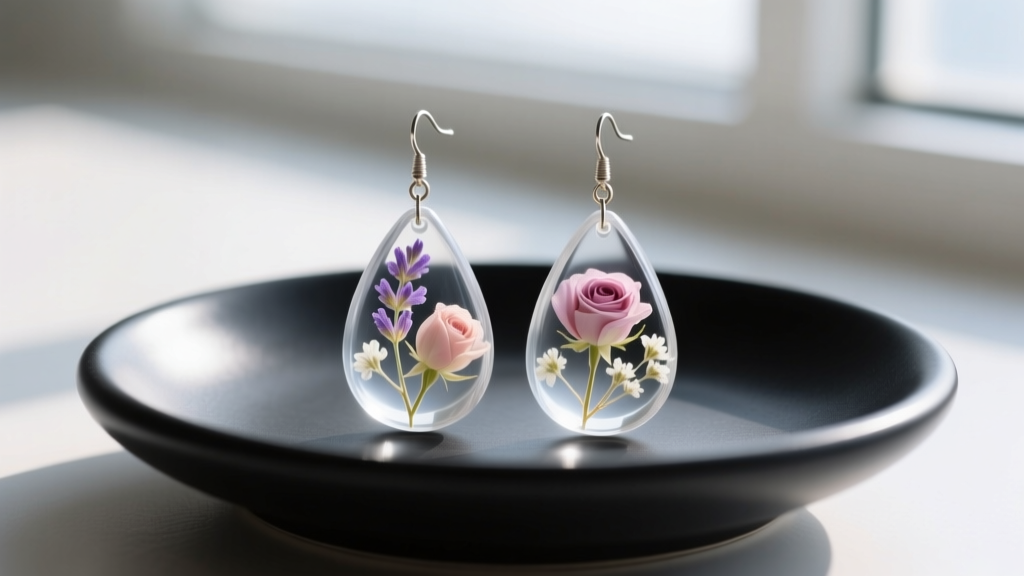
If you have been browsing independent jewelry markets or handmade boutiques, you have likely encountered UV resin earrings. Unlike traditional two-part epoxy resins that require a chemical catalyst and 24 to 72 hours to harden, UV resin relies on photoinitiators. When exposed to ultraviolet light—specifically in the 365nm to 405nm wavelength range—these molecules trigger a rapid polymerization process, curing the liquid plastic into a solid, durable state in mere minutes.
For the wearer, this manufacturing method means artisans can create incredibly intricate, encapsulated designs, from suspended gold leaf to real botanical elements, without the risk of dust settling into the piece during a multi-day drying process. However, from a dermatological perspective, the curing process is critical. If a jeweler under-cures the resin, residual uncured monomers can remain on the surface. When these monomers come into prolonged contact with the skin, they can cause allergic contact dermatitis. Always purchase from reputable makers who use high-quality UV lamps and perform secondary post-curing cycles to ensure the material is completely inert and skin-safe.
The Weight Advantage: Resin vs. Traditional Materials
One of the most significant benefits of UV resin earrings is their exceptional strength-to-weight ratio. Because resin is essentially a lightweight, hardened polymer, it allows jewelry designers to craft oversized, dramatic statement pieces that will not stretch your earlobes or cause tension headaches. This makes resin an ideal medium for those with delicate lobes or for wearing in secondary cartilage piercings where heavy metals would cause migration or rejection.
| Material | Density (g/cm³) | Average Statement Earring Weight | Lobe Strain Level |
|---|---|---|---|
| UV Resin | 1.10 - 1.20 | 2g - 5g | Minimal |
| Glass / Lampwork | 2.40 - 2.80 | 8g - 15g | Moderate |
| Solid Brass / Bronze | 8.40 - 8.80 | 12g - 25g | High |
| Stainless Steel | 7.70 - 8.00 | 10g - 20g | High |
The Hardware Trap: Navigating Hypoallergenic Posts
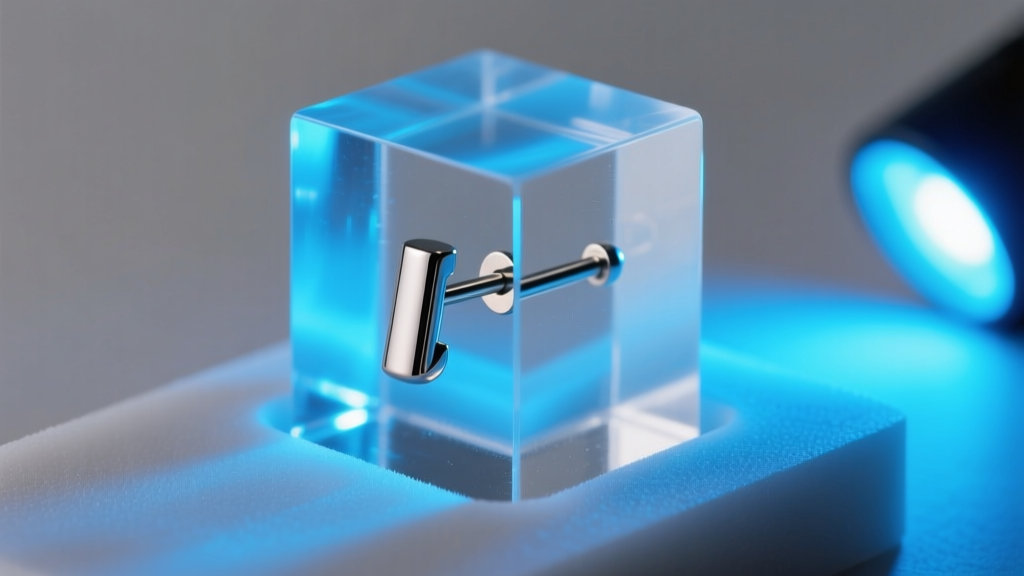
While fully cured UV resin is inherently hypoallergenic and biocompatible, the metal hardware used to secure the earring to your body is a frequent point of failure in handmade jewelry. Many beginner resin artists mistakenly pair their beautiful, skin-safe resin creations with cheap, mystery-metal alloy posts purchased in bulk, which are often heavily plated with nickel.
According to the American Academy of Dermatology, nickel allergy is one of the most common causes of allergic contact dermatitis, affecting up to 36% of women. When sweat breaks down the thin plating on cheap earring posts, nickel ions leach directly into the piercing fistula, causing itching, swelling, and weeping.
What to Look For in Resin Earring Hardware
When buying UV resin earrings, always check the product description for the specific metal grade of the post. Acceptable, hypoallergenic standards include:
- ASTM F136 Implant-Grade Titanium: The gold standard for sensitive ears and fresh piercings. It contains zero nickel and is highly resistant to corrosion.
- Niobium: A highly reactive elemental metal that is naturally hypoallergenic and can be anodized to create vibrant colors without using dyes or plating.
- 14k or 18k Solid Gold: Ensure it is solid, not gold-plated or gold-filled, as the friction of inserting the post can wear away plating over time.
Pro Tip on Gauge Sizes: Standard lobe piercings are usually 20-gauge (0.81mm) or 18-gauge (1.02mm). If you have sensitive, easily irritated piercings, look for resin earrings that utilize 18-gauge titanium posts, as the slightly thicker metal provides a smoother surface that is less likely to harbor bacteria in microscopic scratches compared to thinner 22-gauge wires.
Styling UV Resin Earrings for Your Face Shape
Because UV resin can be poured into virtually any silicone mold, the variety of shapes available is staggering. Choosing the right silhouette can beautifully complement your natural facial structure.
Elongating Round Faces
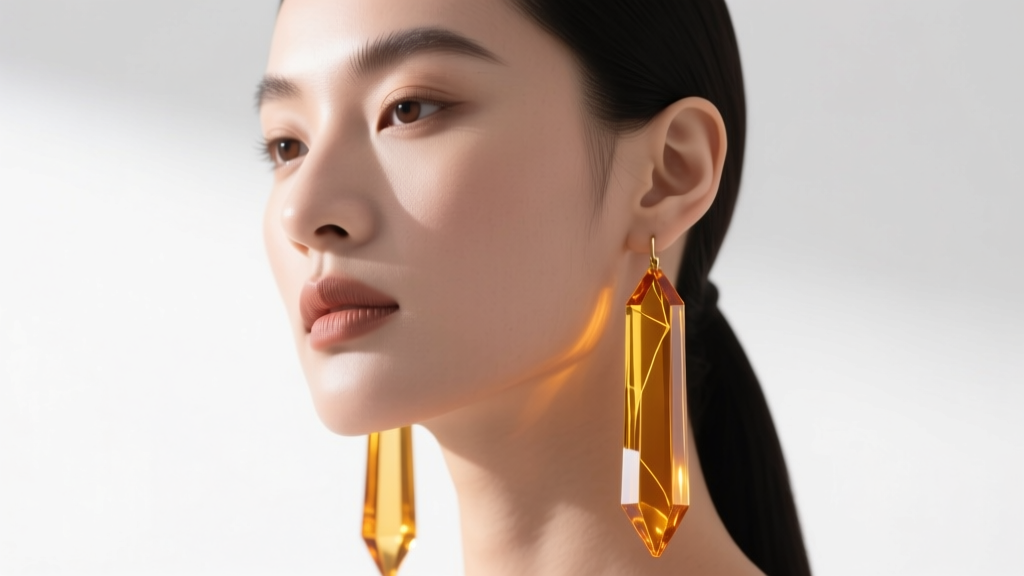
If you have a round face shape with softer angles and similar width-to-length proportions, you want to create the illusion of length. Opt for long, geometric UV resin drop earrings. Sharp rectangles, narrow teardrops, or linear bar designs encasing metallic flakes will draw the eye vertically, balancing the width of your cheeks.
Softening Square Jawlines
For square faces characterized by a strong, angular jaw and a broad forehead, avoid harsh, boxy geometric shapes that mimic your jawline. Instead, choose UV resin earrings with organic, flowing curves. Translucent resin hoops, asymmetrical wave designs, or botanical-inspired floral casts will soften your natural angles and add a touch of fluidity to your profile.
Longevity and Care: Preventing the Yellowing Effect
The most common complaint regarding resin jewelry is its tendency to yellow over time. This happens because the very UV light that cures the resin can also degrade it post-cure if the formula lacks UV stabilizers. High-end jewelry makers use resins fortified with HALS (Hindered Amine Light Stabilizers) and UV absorbers, which act like sunscreen for the plastic, significantly delaying the ambering process.
Expert Care Rule: Never clean your UV resin earrings with rubbing alcohol, acetone, or harsh chemical jewelry dips. These solvents can cause micro-crazing (tiny surface fractures) and strip the glossy finish, leaving the resin looking cloudy and permanently scratched.
The Proper Cleaning Protocol
To maintain the glass-like clarity of your resin earrings, follow this simple cleaning routine:
- Wash: Use a drop of mild, fragrance-free dish soap and lukewarm water.
- Wipe: Gently rub the surface with your fingertips or a dedicated, ultra-soft microfiber cloth. Never use paper towels, as wood pulp fibers will scratch the resin.
- Dry: Pat dry immediately with a clean microfiber cloth to prevent hard water spots.
- Store: Keep your earrings in a dark, cool jewelry box away from direct sunlight when not in wear to maximize the lifespan of the UV stabilizers.
By understanding the material science, demanding high-quality hypoallergenic hardware, and practicing proper maintenance, your UV resin earrings will remain vibrant, comfortable, and stylish for years to come.


