Authentic Mexican Silver Earrings: A Beginner's Guide
Discover how to identify, buy, and care for authentic Mexican silver earrings. Learn about Taxco hallmarks, .925 vs .950 purity, and styling tips.

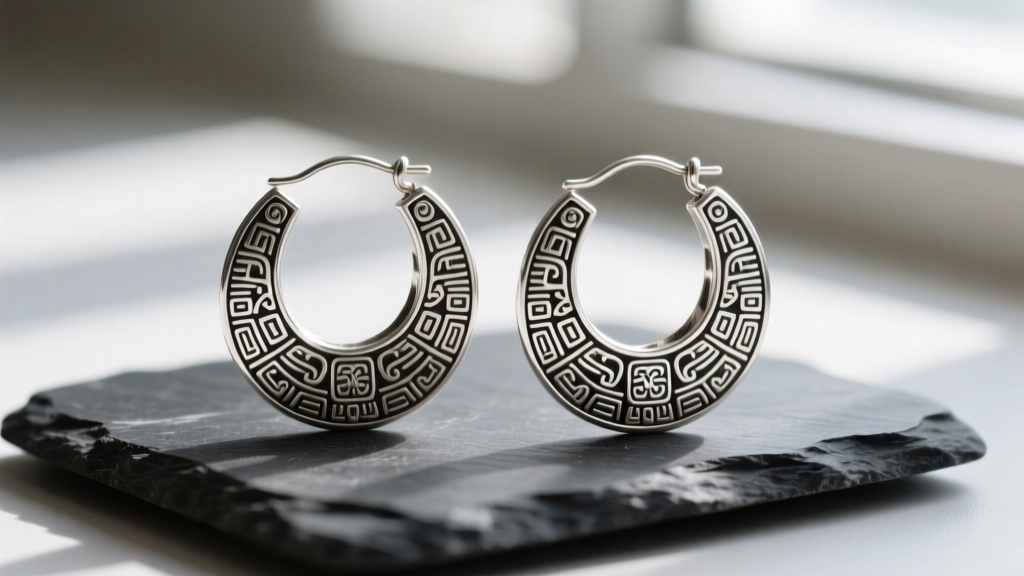
Mexican silver earrings are far more than simple accessories; they are wearable pieces of history, blending indigenous artistry with mid-century modernism. For beginners stepping into the world of artisanal jewelry, navigating the market can feel overwhelming. Between varying purity stamps, confusing hallmark codes, and the prevalence of counterfeit alloys, knowing what to look for is essential. As we explore the jewelry landscape in 2026, the demand for vintage and handcrafted pieces continues to surge, making this guide your ultimate resource for identifying, wearing, and caring for authentic Mexican silver earrings.
The Legacy of Taxco Silver
When collectors and jewelers speak of Mexican silver, they are almost exclusively referring to silver originating from Taxco de Alarcón, a colonial town in the state of Guerrero. In the 1930s, an American architect named William Spratling moved to Taxco and established a silver workshop that would forever change the region's economy and artistic output. Spratling trained local artisans, blending pre-Columbian motifs—like Aztec calendars and Mayan glyphs—with sleek, modernist designs. Today, Taxco remains the undisputed silver capital of Mexico, and earrings crafted in this region are highly sought after for their heavy weight, intricate repoussé work, and exceptional craftsmanship.
Decoding Purity: .925 Sterling vs. .950 Mexican Silver
One of the most common points of confusion for beginners is the purity of the metal. According to the Gemological Institute of America (GIA), sterling silver is traditionally defined as an alloy containing 92.5% pure silver and 7.5% other metals, usually copper. However, Mexican artisans frequently work with a higher purity alloy known as .950 silver.
| Attribute | .925 Sterling Silver | .950 Mexican Silver |
|---|---|---|
| Pure Silver Content | 92.5% | 95.0% |
| Alloy Content (Copper) | 7.5% | 5.0% |
| Luster and Color | Bright, slightly warm | Whiter, brighter, richer glow |
| Durability | Harder, more resistant to bending | Softer, easier to bend or scratch |
| Tarnish Resistance | Moderate | Highly resistant (less copper to oxidize) |
While .950 silver offers a breathtaking, moon-like luster and resists tarnishing better due to its lower copper content, it is physically softer. This means that delicate .950 ear wires can bend more easily when taking them on and off, requiring a gentler touch than standard commercial sterling.
How to Spot Authentic Mexican Silver Hallmarks
Authenticity is verified through hallmarks, which are tiny stamps usually found on the earring post, the back of the stud, or the inside curve of a hoop. Here is a breakdown of what to look for, as outlined by The Silver Institute and historical archives:
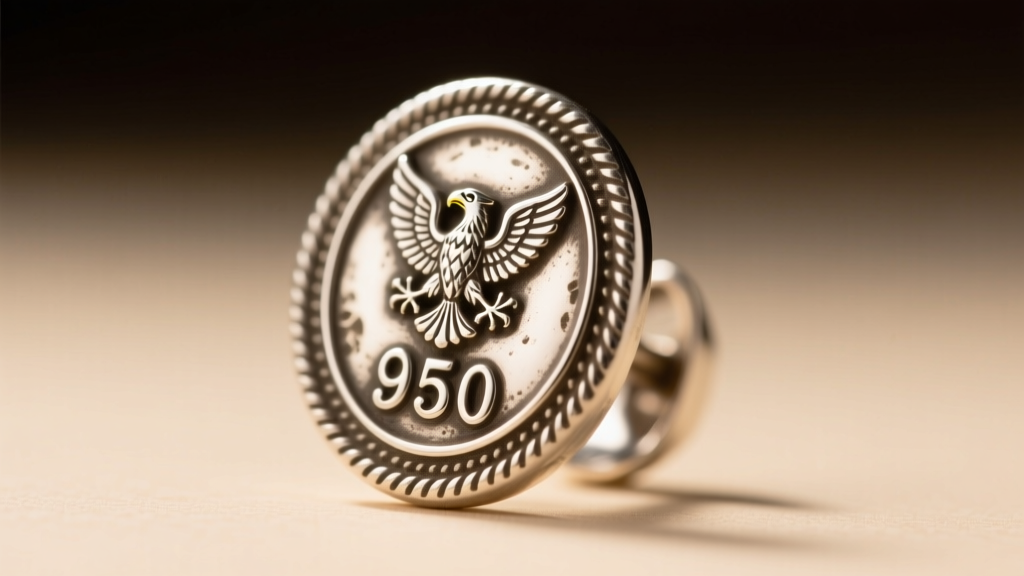
- The Eagle Mark: Introduced by the Mexican government in 1948 and phased out in 1979, this stamp features an eagle. If your vintage earrings have this mark, they are likely mid-century Taxco pieces.
- Number Stamps: Look for 925 or 950. This indicates the purity of the silver.
- Location Stamps: The word Taxco or Mexico is frequently stamped alongside the purity mark.
- Modern Registry Marks: Post-1979, Mexico implemented a letter-and-number system (e.g., TC-123) to identify specific workshops and artisans in Taxco.
Beginner Warning: Beware of jewelry labeled as Alpaca Silver or Tibetan Silver. Alpaca is a common Mexican alloy made of copper, zinc, and nickel. It contains absolutely zero silver and is a primary culprit for severe nickel allergies and contact dermatitis in sensitive earlobes.
Sizing, Gauges, and Piercing Considerations
When buying handcrafted Mexican silver earrings, paying attention to the ear wire gauge is critical for your comfort. Standard commercial earrings use 20-gauge (0.81mm) or 18-gauge (1.02mm) wires, which slide effortlessly into fully healed lobe piercings. However, many traditional Mexican artisans hand-forge their own ear hooks from thick silver wire.
Navigating Thick Artisan Wires
It is not uncommon to find handmade Taxco dangle earrings featuring 16-gauge (1.29mm) or even 14-gauge (1.63mm) ear wires. If you attempt to force a 16-gauge wire into a standard 20-gauge piercing, you will experience pain, micro-tearing, and potential stretching of the earlobe. If you fall in love with a pair of heavy artisan dangles with thick hooks, consider taking them to a local jeweler to have the wires swapped for standard 18-gauge French wires or leverbacks. For cartilage piercings, which are notoriously sensitive to pressure, always stick to 18-gauge or 20-gauge options to avoid cartilage bumps and irritation.
Caring for Your Silver: Patina vs. Tarnish
Because Mexican silver earrings often feature deep, intricate repoussé patterns or oxidized backgrounds to highlight Aztec and Mayan motifs, cleaning them requires a strategic approach. You must learn the difference between tarnish and patina.
Tarnish is a yellowish or black layer of silver sulfide that forms when silver reacts with sulfur in the air. Patina, however, is the intentional or naturally occurring darkening in the crevices of the metal that gives vintage pieces their depth and contrast. Using harsh chemical silver dips will strip away the patina, leaving your vintage Taxco earrings looking flat, overly bright, and significantly devalued.
Safe Cleaning Methods for Inlaid Earrings
Many Mexican silver earrings feature stunning inlays of turquoise, abalone shell, or obsidian. Turquoise and abalone are highly porous. Never use the popular baking soda and aluminum foil boiling method on inlaid pieces, as the hot water and chemical reaction will cause the porous stones to absorb moisture, leading to cracking or discoloration. Instead, use a dry, untreated microfiber cloth to gently buff the high points of the silver, leaving the dark oxidized crevices intact.

Pricing Guide: What Should You Expect to Pay?
The price of Mexican silver earrings varies wildly based on age, weight, and the presence of gemstones. Here is a realistic pricing framework for the current market:
- Modern Artisan Studs (Simple .925): $25 to $60. These are typically lightweight, cast pieces with basic motifs.
- Hand-Forged Hoops (Heavy .950): $80 to $180. Expect thick, substantial metal with hand-hammered textures.
- Vintage Mid-Century Spratling Era Dangles: $250 to $600+. Authentic vintage pieces with verified Eagle marks and semi-precious stone inlays command premium collector prices.
- Contemporary Masterpiece Cuffs & Ear Climbers: $150 to $300. Modern Taxco masters pushing the boundaries of structural, architectural ear designs.
By understanding the metallurgy, history, and physical dimensions of these beautiful pieces, you can confidently build a collection of Mexican silver earrings that will last a lifetime. Always prioritize verified hallmarks, respect the gauge of the ear wire, and clean your pieces with care to preserve their rich, historical patina.


