Best Way to Disinfect Earrings: A Material Value Guide
Discover the best way to disinfect earrings without ruining plating or gemstones. Compare budget DIY methods vs professional cleaning ROI.

The True Cost of Improper Earring Sanitization
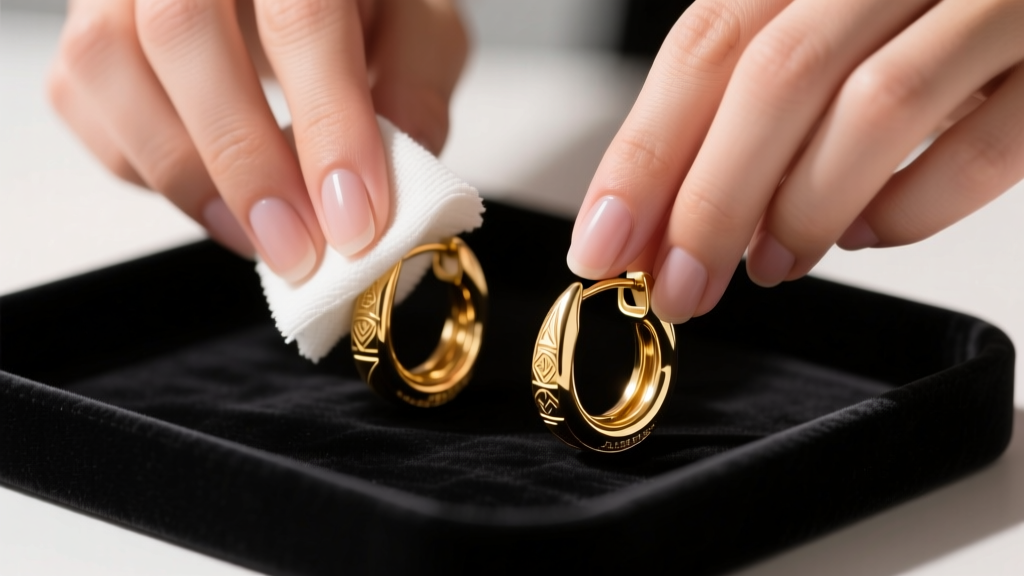
When evaluating the lifecycle value of your jewelry collection, maintenance is just as critical as the initial purchase price. Finding the best way to disinfect earrings is not merely a matter of hygiene; it is a vital strategy for asset preservation. A $150 pair of 14k gold vermeil hoops can be permanently degraded into a $20 brass paperweight if subjected to the wrong chemical solvents. Conversely, neglecting proper sanitization of cartilage jewelry can lead to localized infections, forcing you to abandon expensive piercings altogether.
From a budget and value assessment perspective, the goal is twofold: eliminate pathogens effectively while preserving the structural and aesthetic integrity of the metal and gemstones. According to the Association of Professional Piercers (APP), improper aftercare and cleaning routines are the leading causes of piercing rejection and jewelry degradation. This guide breaks down the exact chemical interactions, material tolerances, and cost-to-benefit ratios of various disinfection methods to help you protect your investment.
The Best Way to Disinfect Earrings by Material Grade
There is no universal solvent for jewelry. The best method depends entirely on the metallurgical composition and the presence of organic or synthetic gemstones.
Solid Gold (14k/18k) and Platinum
Solid gold and platinum are highly inert, non-porous metals. For these materials, 70% isopropyl alcohol is the undisputed champion of budget-friendly disinfection. While many consumers mistakenly reach for 91% or 99% alcohol, the 70% concentration is scientifically superior for sanitization. The higher water content slows evaporation, allowing the alcohol sufficient contact time to penetrate and rupture the lipid membranes of bacteria and viruses. A standard 16oz bottle costs under $4.00 and will safely disinfect solid gold and platinum earrings for years without causing micro-abrasions or chemical stripping.
Gold Vermeil and Plated Brass
The Federal Trade Commission (FTC) mandates that gold vermeil must consist of a sterling silver base plated with a minimum of 2.5 microns of gold. Budget fashion jewelry often uses a brass base with a mere 0.5-micron flash plating. Never use alcohol, hydrogen peroxide, or ultrasonic cleaners on plated jewelry. Alcohol acts as a mild solvent that accelerates the wear of the microscopic gold layer. Once the plating breaches, the underlying silver or brass is exposed to sulfur and moisture, resulting in irreversible black tarnish. The best way to disinfect these pieces is using warm water, a drop of pH-neutral dish soap (like Dawn Ultra), and a lint-free cloth. The cost of replacing stripped vermeil earrings far outweighs the minimal sanitization power of harsh chemicals.
Implant-Grade Titanium (ASTM F136)
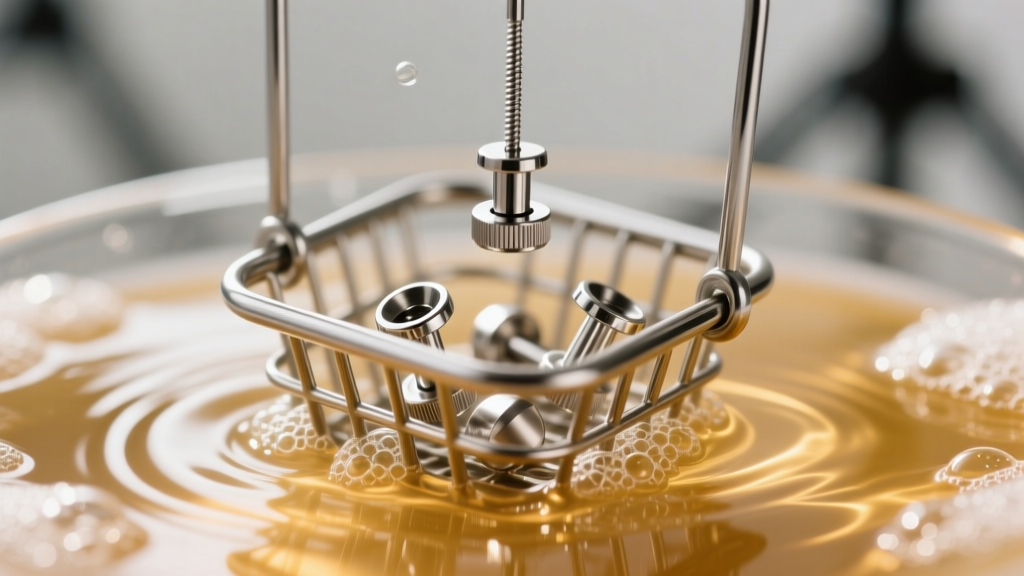
For fresh piercings and high-end body jewelry, Implant-Grade Titanium (ASTM F136) is the gold standard. This medical-grade alloy is entirely biocompatible and highly resistant to corrosion. You can safely disinfect titanium earrings using 70% isopropyl alcohol, boiling water, or even a pressurized steam autoclave if you own one. However, if your titanium jewelry features anodized colors (achieved through voltage manipulation rather than dyes), avoid ultrasonic cleaners, as the high-frequency vibrations can cause the anodized oxide layer to flake or fade over time.
Budget vs. Professional: Cleaning Method ROI
Is it worth investing in professional jewelry cleaning, or can a DIY approach yield the same hygienic results? The table below compares the cost, efficacy, and material safety of common disinfection methods.
| Disinfection Method | Est. Cost | Best Material Match | Failure Mode / Danger Zone |
|---|---|---|---|
| 70% Isopropyl Alcohol | $3.50 / 16oz | Titanium, Steel, Solid Gold | Strips vermeil plating; dries out porous gems |
| Mild Dish Soap & Water | $0.10 / use | Vermeil, Plated, Pearls, Opals | Does not kill all viruses; requires manual friction |
| Budget Ultrasonic (42kHz) | $35.00 (One-time) | Diamond, Sapphire, Solid Metals | Shatters included gems; loosens epoxy glue |
| Professional Jeweler Steam | $15 - $30 / visit | High-value diamond/gold pieces | Thermal shock can fracture emeralds and tanzanite |
For everyday wearers, the mild dish soap and water method offers the highest return on investment for delicate pieces, while a $3.50 bottle of isopropyl alcohol is the most cost-effective sanitizer for durable metals. Professional steam cleaning should be reserved for high-value heirloom pieces or annual deep-cleaning of intricate diamond settings where sebum and dead skin cells become impacted.
Step-by-Step Budget Disinfection Protocol
To maximize the lifespan of your jewelry while ensuring clinical-level hygiene, follow this standardized protocol adapted from CDC surface disinfection guidelines, scaled for personal jewelry care.
- Pre-Clean (The Degreasing Phase): Disinfectants cannot penetrate layers of sebum, lotion, or dead skin. First, wash the earrings in warm water with a drop of mild dish soap using a soft-bristled baby toothbrush. Rinse thoroughly.
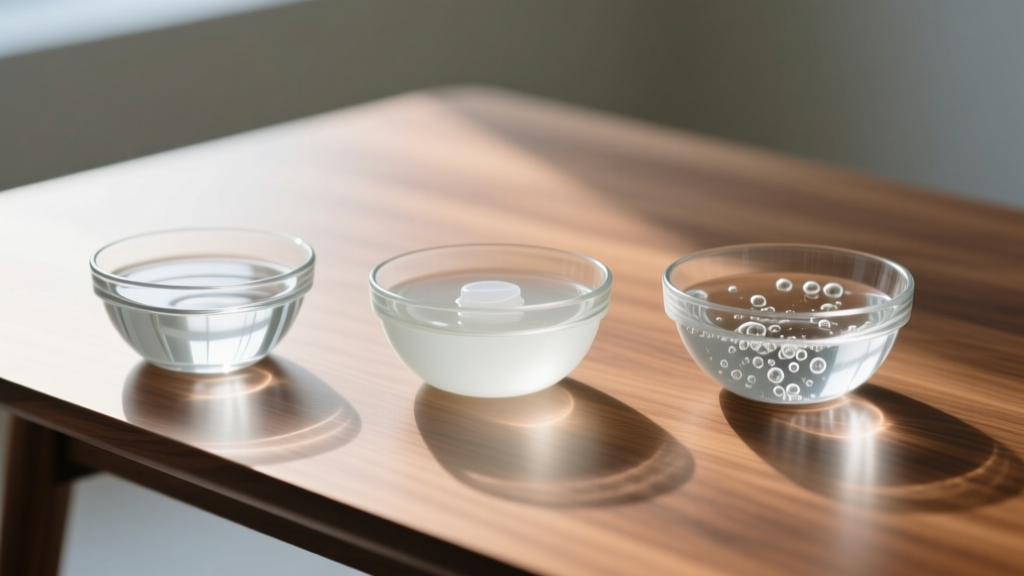
- Prepare the Solvent: Pour 70% isopropyl alcohol into a small glass or ceramic bowl. Avoid plastic bowls, as alcohol can degrade certain plastics over time, leaving a cloudy residue on your jewelry.
- The Soak: Submerge only the metal posts, hooks, and durable gemstones (diamonds, sapphires, rubies) in the alcohol for exactly 5 to 10 minutes. Do not exceed this time, as prolonged exposure can dry out the natural oils in organic stones like pearls or amber.
- Agitation and Drying: Remove the earrings with clean tweezers. Gently agitate them to shake off excess liquid. Allow them to air dry on a clean, lint-free microfiber towel. Do not use tissue paper, as the wood fibers will snag on prongs and clasps.
Value Preservation Tip: Never store damp earrings in airtight plastic baggies. Trapped moisture combined with residual sulfur in the air creates a micro-climate that accelerates the tarnishing of sterling silver and copper alloys. Always ensure 100% dryness before storage.
Common Disinfection Mistakes That Destroy Value
Many well-intentioned cleaning hacks found online actively destroy the monetary and aesthetic value of your earrings. Avoid these costly errors:
- The Toothpaste Myth: Toothpaste contains silica and calcium carbonate abrasives. The Relative Dentin Abrasivity (RDA) of standard toothpaste is between 70 and 100. Rubbing this on gold or silver creates micro-scratches, permanently dulling the mirror polish and reducing the metal's light reflectivity.
- Boiling Water on Glued Stones: While boiling is an excellent, zero-cost way to sterilize solid metal hoops, it is catastrophic for jewelry utilizing epoxy resin adhesives. Standard jewelry epoxy begins to soften and fail at approximately 176°F (80°C). Boiling water (212°F) will melt the glue, causing gemstones to fall out and be lost down the drain.
- Hydrogen Peroxide on Silver: Hydrogen peroxide is an oxidizing agent. When applied to sterling silver (925), it forces rapid oxidation, instantly turning the bright silver black. While this can be reversed with a silver polish, it costs you time, money, and unnecessary wear on the metal's surface.
- Bleach (Sodium Hypochlorite): Bleach reacts violently with the copper alloys present in 14k and 18k gold, causing severe pitting, stress corrosion cracking, and permanent structural weakness. A single soak in bleach can cause a gold earring post to snap under normal pressure.
When to Invest in Professional Ultrasonic Cleaning
Budget ultrasonic cleaners (typically priced between $30 and $50) operate at frequencies around 42kHz, creating cavitation bubbles that blast dirt out of microscopic crevices. While they are fantastic for solid diamond studs and intricate platinum filigree, they are a poor investment if your collection consists primarily of soft stones or plated jewelry. The Gemological Institute of America (GIA) explicitly warns against using ultrasonic cleaners on emeralds, opals, tanzanite, and malachite, as the high-frequency vibrations can exacerbate internal inclusions, causing the stones to shatter from the inside out.
Ultimately, the best way to disinfect earrings is to match the chemical and mechanical properties of your cleaning method to the specific material grade of your jewelry. By spending a few dollars on the correct, gentle solvents and avoiding abrasive internet hacks, you can extend the wearable life of your earrings by decades, ensuring your jewelry budget yields maximum long-term value.


