Why Are My Earrings Turning Black? Causes and Fixes
Discover why are my earrings turning black, from sterling silver tarnish to cheap alloy oxidation. Learn expert cleaning and prevention tips.

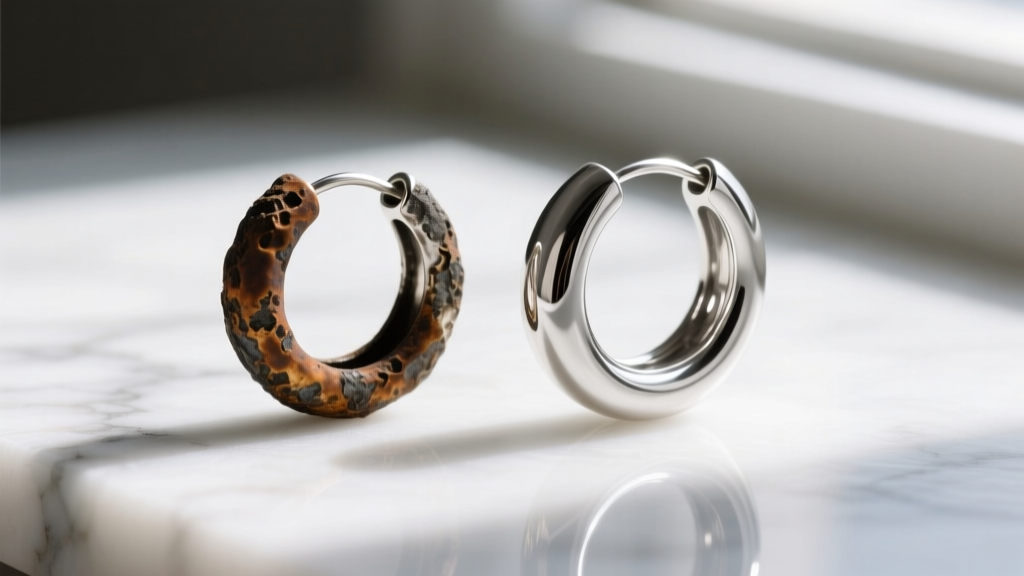
If you have ever reached into your jewelry box only to find your favorite studs or hoops looking dull, gray, or completely black, you are not alone. The question "why are my earrings turning black" is one of the most common troubleshooting queries we receive at Jewel Style Radar. The short answer? It is rarely a defect in the manufacturing, but rather a predictable chemical reaction between your jewelry's metal alloys, your body chemistry, and the environment.
Understanding the exact cause of this discoloration is the first step toward restoring your earrings and preventing future damage. In this comprehensive troubleshooting guide, we will break down the metallurgy of tarnish, identify the environmental and biological triggers, and provide laboratory-grade cleaning methods to bring your jewelry back to life.
The Chemistry of Tarnish: Why Are My Earrings Turning Black?
When metal turns black, it is usually undergoing one of two chemical processes: oxidation or sulfidation. Pure precious metals like 24-karat gold and pure platinum are highly unreactive and will not turn black. However, pure silver (99.9%) is too soft for everyday earring wear, especially for posts and hooks that require structural rigidity to support the weight of the lobe.
To solve this, jewelers create alloys. The most common is 925 Sterling Silver, which consists of 92.5% pure silver and 7.5% copper. It is this 7.5% copper that is the primary culprit behind blackened earrings. When copper is exposed to sulfur compounds in the air, or to sulfur in your sweat, it forms copper sulfide or silver sulfide ($Ag_2S$), a black, crusty layer on the surface of the metal.
Expert Insight: If your "silver" earrings are turning your earlobes black or leaving dark marks on your skin, the copper alloy is reacting with the natural acids and salts in your perspiration. According to the American Academy of Dermatology, this reaction can also trigger contact dermatitis in sensitive individuals, leading to itchy, flaky earlobes.
Material Breakdown: Which Earring Metals Oxidize?
Not all earrings are created equal. The likelihood of your earrings turning black depends entirely on the base metal and the plating thickness. Below is a troubleshooting matrix to help you identify what your earrings are made of based on how they degrade.
| Metal / Alloy Grade | Tarnish Risk | Primary Culprit for Blackening | Safe for Fresh Piercings? |
|---|---|---|---|
| 925 Sterling Silver | High | Copper alloy reacting to sulfur | No (risk of irritation) |
| Gold Vermeil (over 925) | Medium | Silver base tarnishing under thin gold | No |
| Gold Plated (over Brass) | High | Brass (copper/zinc) oxidizing rapidly | No |
| Rhodium-Plated Silver | Low | Tarnish only occurs if plating chips | Depends on base metal |
| ASTM F136 Titanium | None | Does not tarnish (only accumulates grime) | Yes (Implant Grade) |
| Solid 14k / 18k Gold | Very Low | Surface dirt/sebum (not true tarnish) | Yes |
Environmental and Biological Triggers
If you are wondering why are my earrings turning black faster than they used to, you must examine your daily habits and environment. Tarnish accelerators are everywhere in your daily routine.
The Role of Sebum, Sweat, and Earwax
The skin behind the ear and inside the ear canal produces sebum (oil) and cerumen (earwax). Sebum contains fatty acids and sulfur compounds. When you sleep in your earrings, the metal sits in a warm, dark, and highly acidic micro-environment. The sulfur in your sebum binds to the copper in sterling silver, accelerating the creation of black silver sulfide in a matter of days.
Chemical Exposure: Lotions, Perfumes, and Hair Products
Hairsprays, dry shampoos, and certain perfumes contain volatile sulfur compounds and alcohols that strip protective rhodium platings and directly attack base metals. Furthermore, swimming in chlorinated pools or hot tubs introduces chlorides to the metal. While chlorides typically cause a white or greenish tarnish on silver, prolonged exposure degrades the structural integrity of the alloy, leading to dark, pitted corrosion.
The Rhodium Plating Illusion
Many commercial sterling silver earrings are plated with rhodium, a platinum-group metal that provides a bright, white, and tarnish-resistant finish. However, rhodium plating on earrings is typically only 0.1 to 0.5 microns thick. Over months of friction from hair, clothing, and cleaning, this microscopic layer wears away. Once the rhodium is compromised, the underlying 925 silver is suddenly exposed to the air and your skin's sulfur compounds, leading to rapid, localized blackening. If you notice your earrings turning black in high-friction areas (like the back of the post or the clutch mechanism), you are witnessing rhodium failure, not a defect in the silver itself.
Step-by-Step Troubleshooting: How to Restore Blackened Earrings
Once you have identified why your earrings are turning black, it is time to reverse the chemical reaction. Never use toothpaste to clean your jewelry. Toothpaste contains silica and calcium carbonate with a high Relative Dentin Abrasivity (RDA) value, which will permanently micro-scratch your silver and gold, making them dull and more prone to future tarnishing.
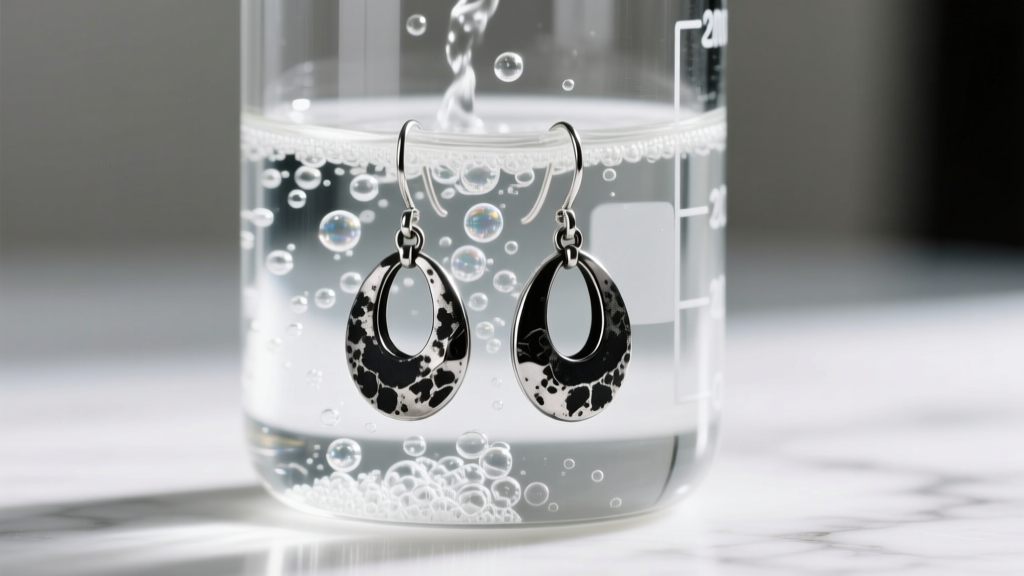
Method 1: The Electrochemical Reduction Bath (For Sterling Silver)
This method uses a mild galvanic cell to reverse the sulfidation process without removing any underlying silver.
- Line a glass or ceramic bowl with aluminum foil, shiny side up.
- Place your blackened sterling silver earrings on the foil, ensuring they touch the metal.
- Boil one cup of distilled water and pour it over the earrings.
- Immediately add 1 tablespoon of baking soda (sodium bicarbonate) and 1 teaspoon of non-iodized salt.
- Allow the solution to bubble and work for 3 to 5 minutes. You will smell a faint sulfur (rotten egg) odor as the sulfur transfers from the silver to the aluminum.
- Remove with wooden tongs, rinse with distilled water, and buff dry with a microfiber cloth.
Note: Do NOT use this method on oxidized silver (intentionally blackened crevices), pearls, opals, or turquoise, as the alkaline bath will destroy the porous gemstones and strip the intentional patina.
Method 2: Surfactant and Ultrasonic Cleaning (For Gold & Platinum)
If your solid gold or platinum earrings look black, they are not tarnished; they are caked with microscopic layers of dead skin, soap scum, and sebum. The Gemological Institute of America (GIA) recommends gentle surfactants for precious metals to avoid damaging the alloy matrix.
- Mix warm distilled water with three drops of mild, phosphate-free dish soap.
- Soak the earrings for 15 minutes to loosen the lipid bonds of the sebum.
- Gently agitate with a brand-new, ultra-soft baby toothbrush, focusing on the back of the posts and the clutch mechanisms where grime hides.
- Rinse and pat dry with a lint-free cloth.

Preventative Maintenance and Upgrading Your Metals
The ultimate solution to the "why are my earrings turning black" dilemma is to eliminate the reactive metals from your collection entirely, or to alter how you store them.
Storage Protocols: Store your sterling silver earrings in airtight ziplock bags with a packet of silica gel and a piece of 3M Anti-Tarnish strip (which absorbs ambient sulfur). Never store jewelry in the bathroom, where humidity and sulfur from personal care products are heavily concentrated in the air.
Metal Upgrades: If you have sensitive skin or live in a high-humidity coastal environment, upgrade your everyday studs and sleepers to ASTM F136 Implant-Grade Titanium or Niobium. These metals are completely inert, meaning they will never oxidize, turn black, or cause allergic reactions, regardless of your body chemistry or the environment.
When to Throw Them Away: Recognizing Irreversible Damage
Sometimes, blackening is a sign that the earring has reached the end of its lifecycle. If you are wearing gold-plated brass earrings and they have turned black, the plating has likely worn away entirely, exposing the porous brass beneath. Once brass deeply oxidizes and turns black, it is incredibly difficult to clean and will quickly turn your earlobes green or black upon contact with your skin's moisture.
Similarly, if a cheap alloy earring shows signs of pitting, flaking, or a powdery black residue that won't wipe away, the structural integrity of the metal is compromised. Continuing to wear degraded base metals in a healed or unhealed piercing invites bacterial infections and severe contact dermatitis. In these cases, the most expert advice is to discard the compromised piece and invest in solid, hypoallergenic alternatives that respect both your style and your biology.


