Understanding Earring Gauges: A Beginner's Guide to Sizes and Fit
Confused by earring gauges? Learn how gauge sizes convert to millimeters, which thickness fits your lobe or cartilage, and avoid damage.

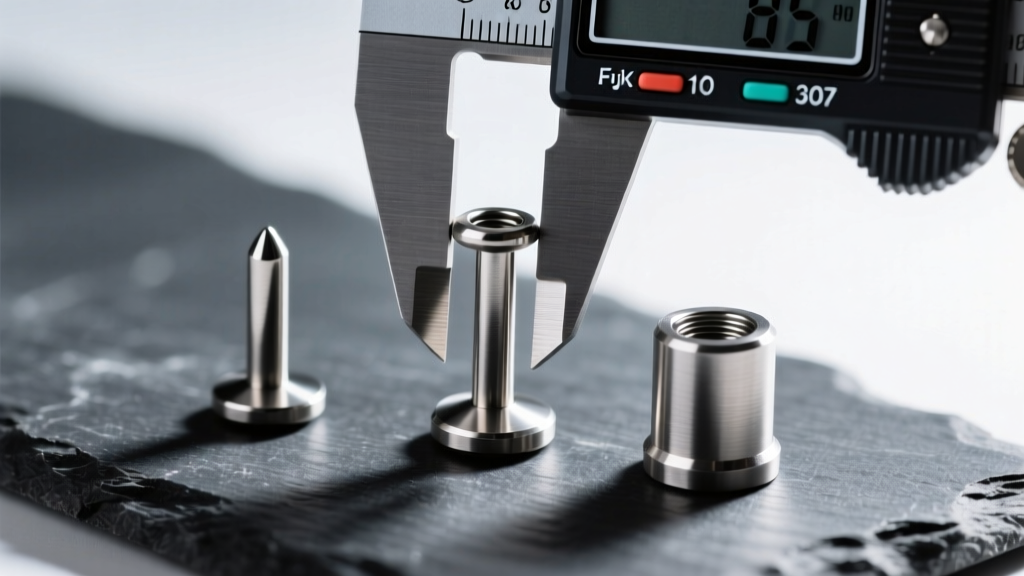
If you have ever shopped for body jewelry or booked a piercing appointment, you have likely encountered the confusing world of earring gauges. Unlike standard jewelry sizing, where a larger number means a larger piece, the gauge system works in reverse. A 20-gauge earring is significantly thinner than a 14-gauge earring, leaving many beginners bewildered when trying to select the right jewelry for their lobes or cartilage. As of 2026, the body modification and fine jewelry industries have largely standardized around specific millimeter conversions, but understanding the nuances of wire thickness is critical for both comfort and long-term piercing health.
Choosing the wrong earring gauge is not just a matter of a poor fit; it can lead to severe complications like tissue tearing, migration, and the dreaded 'cheese-cutter effect.' In this beginner-friendly explainer, we will decode the gauge system, provide exact millimeter conversions, and outline exactly which sizes you need for every part of your ear.
The Basics: What Exactly Are Earring Gauges?
The term 'gauge' refers exclusively to the thickness or diameter of the jewelry post or wire that passes through your piercing. It does not refer to the length of the post, nor does it describe the size of the decorative gem or hoop. The gauge system originated in the wire-manufacturing industry, specifically relating to the number of times a metal rod was pulled through a drawing plate. The more times the wire was drawn, the thinner it became, which is why a higher gauge number equates to a thinner piece of metal.
While the United States still heavily relies on the gauge system for body jewelry, most of the world—and an increasing number of professional piercers globally—use the metric system (millimeters) for precision. Understanding both is essential. For instance, if you are purchasing high-end, threadless titanium jewelry from a premium brand, you will often see it listed as '1.2mm' rather than '16g'. Knowing how these two systems overlap will save you from costly purchasing mistakes and ensure your jewelry slides in seamlessly without causing micro-tears in your fistula (the piercing channel).
The Ultimate Earring Gauge Conversion Chart
To eliminate the guesswork, we have compiled a comprehensive conversion chart detailing the most common earring gauges used in modern piercing. Keep this table handy when shopping for new pieces or discussing options with your piercer.
| Gauge Size | Millimeters (mm) | Inches | Common Piercing Applications |
|---|---|---|---|
| 20g | 0.81mm | 0.032" | Standard mall kiosk earlobe piercings, delicate nose studs |
| 18g | 1.02mm | 0.040" | Professional needle lobe piercings, standard nostril hoops |
| 16g | 1.29mm | 0.051" | Helix, tragus, conch, and flat cartilage piercings |
| 14g | 1.63mm | 0.064" | Industrial, daith, rook, and stretched earlobes |
| 12g | 2.05mm | 0.081" | Healed stretched lobes, heavy cartilage hoops |
Standard Lobe vs. Cartilage: Which Gauge Do You Need?
The location of your piercing dictates the minimum safe gauge required to support the jewelry and the surrounding tissue. Cartilage and earlobe tissue behave very differently under stress, requiring distinct approaches to jewelry thickness.
Standard Earlobe Piercings (20g and 18g)
If your earlobes were pierced using a spring-loaded piercing gun at a retail kiosk, you are almost certainly wearing 20-gauge (0.81mm) or 18-gauge (1.02mm) jewelry. While these thin wires are common, they are not ideal for long-term wear, especially if you prefer heavy statement earrings. Professional piercers typically recommend a minimum of 18g, and increasingly 16g (1.29mm), for initial lobe piercings. A thicker post provides a wider surface area, distributing the weight of the earring more evenly and reducing the risk of the jewelry migrating or tearing through the bottom of the lobe.
Cartilage and Helix Piercings (16g and 14g)
Cartilage is dense, avascular tissue that requires absolute stability to heal properly. Any movement or flexing of the jewelry can cause irritation bumps and delay healing. For this reason, the industry standard for cartilage piercings—including the helix, tragus, conch, and forward helix—is 16-gauge (1.29mm). Thicker 14-gauge (1.63mm) jewelry is often utilized for structural piercings like the industrial (which spans the entire ear) or the daith, where the jewelry must withstand significant pressure and movement.
The Dangers of Wearing the Wrong Gauge
Inserting jewelry that is the wrong gauge for your piercing channel is a primary cause of long-term tissue damage. If you attempt to force a 14g earring into a healed 18g piercing without proper stretching protocols, you will cause acute trauma, leading to swelling, blowouts, and potential scarring.
Conversely, wearing jewelry that is too thin for the application is equally dangerous. The most common issue is the 'cheese-cutter effect.' This occurs when a heavy hoop or dangle earring is suspended on a very thin wire, such as a 20-gauge post. The concentrated weight acts like a wire cheese slicer, slowly migrating downward and eventually slicing completely through the bottom of the earlobe. This catastrophic failure often requires surgical repair. To prevent this, always match the weight of your earring to a proportionally thick gauge; heavy vintage clips or large hoops should be retrofitted with 14g or 12g wires.
According to the Association of Professional Piercers (APP), initial jewelry should always be internally threaded or threadless to prevent tissue tearing, and the gauge must be thick enough to support the weight of the jewelry without causing migration or the cheese-cutter effect.
How to Accurately Measure Your Current Jewelry
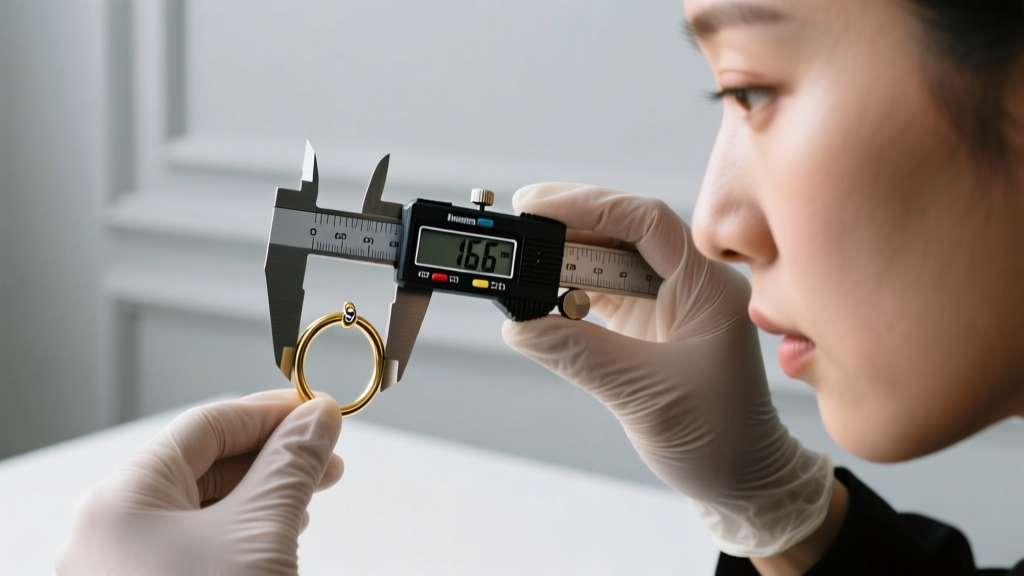
If you have lost track of what size you are currently wearing, do not attempt to guess by comparing it to a standard sewing needle or a piece of thread. The human eye cannot reliably differentiate between 1.02mm (18g) and 1.29mm (16g). The only accurate way to measure earring gauges at home is by using a digital vernier caliper. These inexpensive tools can be found at any hardware store and will give you an exact millimeter readout of your jewelry's post thickness.
When measuring, ensure you are measuring the thickest part of the post that actually passes through the skin. For seamless hoops, measure the wire itself, not the diameter of the circle. If you are purchasing from high-end body jewelry brands like NeoMetal or Industrial Strength, you can trust their manufacturing tolerances to be exact, but measuring your existing, older jewelry from mall stores is always a safe bet before ordering new threadless ends.
Expert Tips for Upsizing and Downsizing
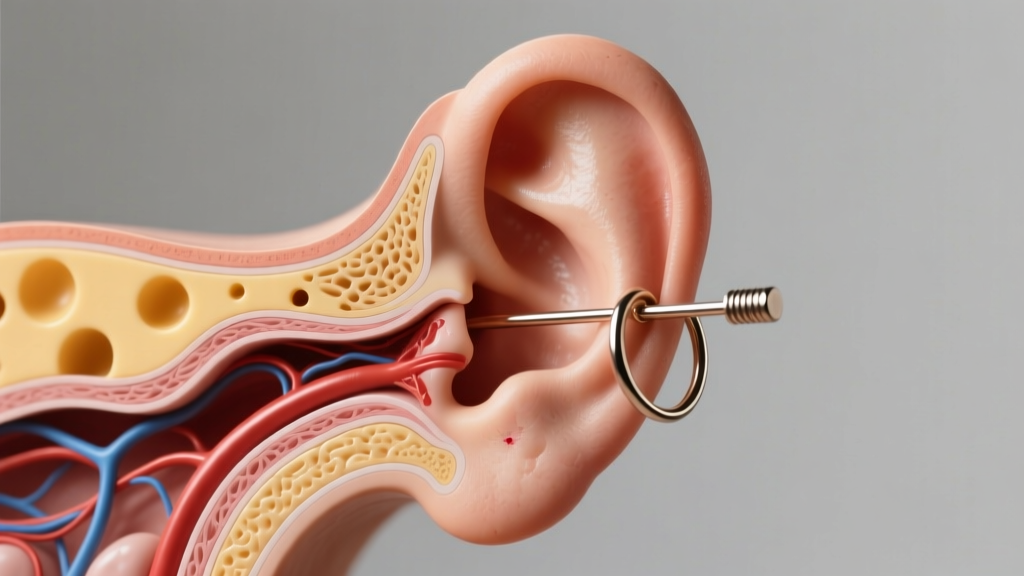
There are many reasons you might want to change your earring gauge. You may want to upsize from an 18g lobe piercing to a 16g to accommodate high-quality threadless titanium jewelry, or you may want to downsize a stretched 14g cartilage piercing back to a standard 16g for a delicate diamond stud.
- Upsizing (Stretching): Never jump more than one or two millimeters at a time. Use a sterilized, water-based lubricant and a professional acrylic or steel taper. If you feel sharp pain or see white pressure spots on the skin, stop immediately. Forcing a stretch will result in a blowout, where the tissue is pushed out the back of the piercing.
- Downsizing: Downsizing is generally much easier and less painful. If your piercing has been fully healed at a larger gauge for several years, the fistula may have 'set.' In this case, wearing a smaller gauge might cause the jewelry to move around excessively, leading to irritation. Consult a professional piercer who can assess the elasticity of your tissue and recommend the best approach.
- Material Matters: When changing gauges, always use implant-grade titanium (ASTM F136). This material is highly biocompatible, non-porous, and significantly reduces the risk of allergic contact dermatitis, which is especially prevalent when the skin is under the stress of a size change.
Frequently Asked Questions
Can I wear an 18g earring in a 16g piercing?
Yes, you can physically insert a thinner 18g post into a healed 16g hole. However, doing so long-term can cause the fistula to shrink around the thinner wire. If you later try to reinsert your 16g jewelry, it may not fit without stretching the tissue again. It is best to wear the exact gauge your piercing was created to hold.
Why do piercing guns use 20g or 18g?
Piercing guns rely on blunt force to push a sharp, but relatively thin, stud through the ear. Thinner studs require less force to push through the tissue. However, professional piercers strongly advise against guns, as the blunt trauma causes severe tissue damage, and the thin 20g wires are highly prone to migration and the cheese-cutter effect.
Is 14g considered a 'stretched' ear?
In the context of standard body modification, 14g (1.63mm) is still considered a standard piercing size, particularly for industrial barbells and daith piercings. True 'stretching' or 'gauging' typically refers to sizes larger than 10g (2.5mm) and beyond, where the earlobe is intentionally expanded to accommodate large plugs and tunnels.


