Earring Migraine Relief: Daith Piercing Care and Cleaning Guide
Discover essential care, cleaning, and maintenance tips for daith piercings and magnetic clips used for earring migraine relief.

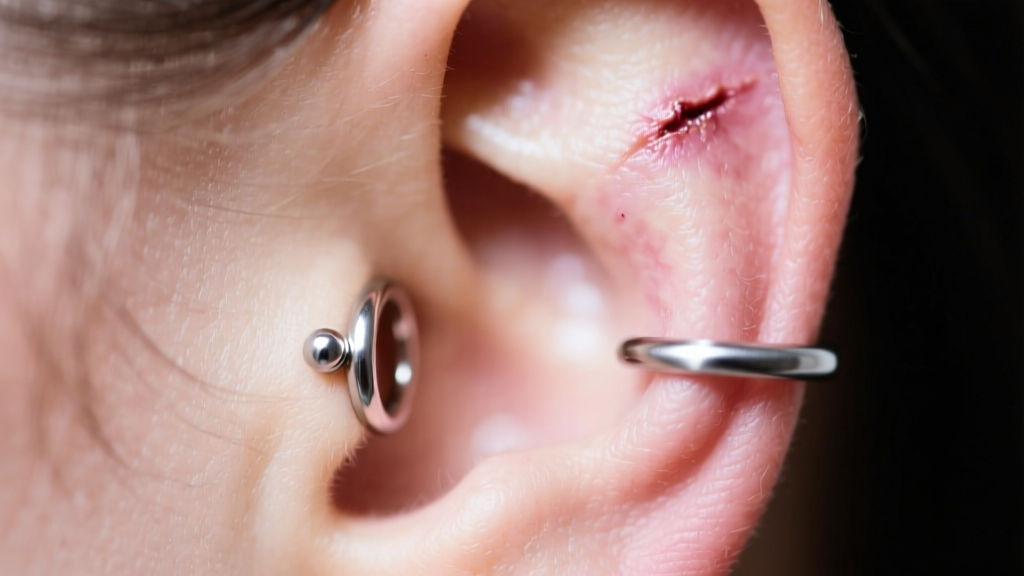
The Neurological Connection: Why Aftercare Impacts Migraine Relief
The pursuit of earring migraine relief has driven a massive surge in both daith piercings and non-pierced auriculotherapy clips. Rooted in traditional acupuncture principles, the daith piercing passes through the innermost cartilage fold of the ear, a location that corresponds to the vagus nerve. Stimulating this nerve is believed to modulate pain pathways and reduce the frequency of chronic migraines. However, the therapeutic benefits of this jewelry are entirely dependent on meticulous maintenance. An irritated, infected, or poorly maintained piercing induces localized pain and systemic physical stress. This stress elevates cortisol levels, which is a well-documented trigger for migraine attacks. Therefore, mastering the care and cleaning of your migraine relief jewelry is not just about hygiene; it is a critical component of your neurological pain management protocol.
As of 2026, professional piercers and neurologists alike emphasize that the success of earring migraine relief relies heavily on the Association of Professional Piercers (APP) aftercare guidelines. Ignoring these protocols can lead to prolonged healing times, cartilage bumps, and ultimately, the failure of the piercing to provide any therapeutic benefit.
The LITHA Method and the 0.9% Saline Rule
The cornerstone of daith piercing aftercare is the LITHA method: Leave It The Hell Alone. Cartilage is avascular, meaning it lacks a direct blood supply and heals significantly slower than lobe tissue. A standard daith piercing takes anywhere from 9 to 12 months to fully mature. During this window, your cleaning regimen must be precise, gentle, and chemically neutral.
The Daily Cleaning Protocol
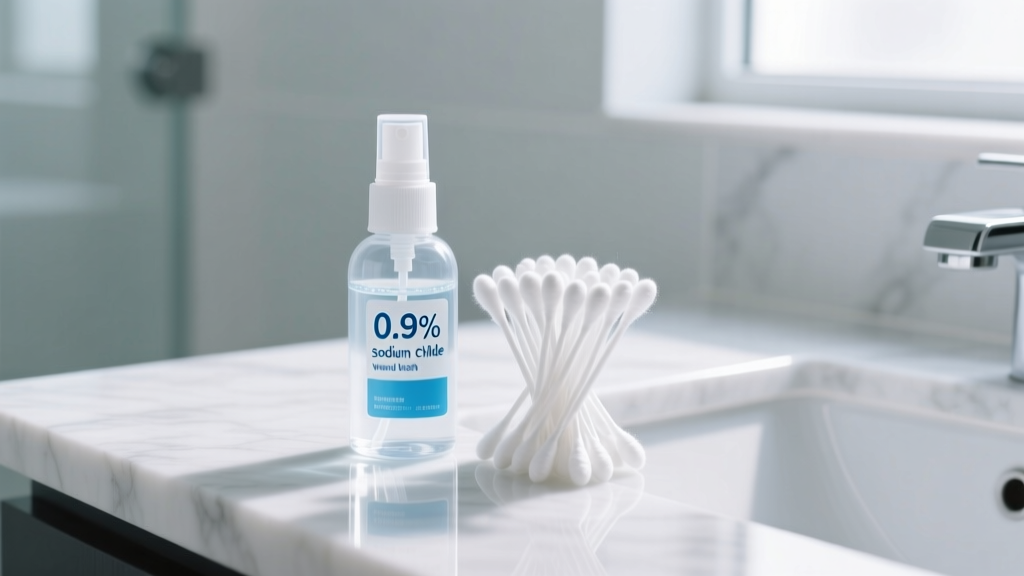
- Sterile Saline Only: You must use a sterile 0.9% sodium chloride wound wash with no additives. Avoid contact lens solutions, which contain preservatives and buffering agents that cause severe contact dermatitis in fresh cartilage wounds.
- Application Technique: Spray the saline directly onto the entry and exit points of the daith. Do not soak the ear in a bowl of water, as this introduces environmental bacteria to an open wound.
- Drying: Moisture trapped behind the ear or in the cartilage fold breeds bacteria. After spraying, gently dry the area using a hairdryer on the "cool" setting for 30 seconds, or carefully pat it with a non-woven sterile gauze. Avoid cotton swabs, which can leave microscopic fibers tangled around the jewelry post.
- Frequency: Clean exactly twice a day. Over-cleaning strips the ear of its natural sebum and destroys newly formed epithelial cells, delaying the healing process.
Material Science: Why Titanium is Non-Negotiable
When seeking earring migraine relief, the metallurgical composition of your jewelry is just as important as the placement of the piercing. Many commercial jewelry brands market "surgical steel" as hypoallergenic, but this is a dangerous misnomer for migraine sufferers who often have heightened sensory and immune sensitivities. 316L surgical steel contains between 8% and 10% nickel. As the steel is exposed to the saline environment of a healing fistula, nickel ions leach into the tissue, causing localized allergic contact dermatitis. This inflammation creates physical stress that can immediately trigger a migraine episode.
For both initial piercings and long-term wear, you must demand Implant-Grade Titanium (ASTM F-136). This specific alloy contains zero nickel and forms a passive layer of titanium dioxide on its surface, rendering it completely biocompatible. Below is a comparative breakdown of common daith jewelry materials and their suitability for migraine relief protocols.
| Material | Industry Standard | Nickel Content | Biocompatibility | Migraine Trigger Risk |
|---|---|---|---|---|
| Implant-Grade Titanium | ASTM F-136 | 0% | Exceptional (MRI Safe) | Lowest |
| Niobium | Unalloyed Elemental | 0% | Excellent | Very Low |
| Surgical Steel | 316L / 316LVM | 8% - 10% | Poor for fresh wounds | High |
| White Gold (14k/18k) | Varies by alloy | Often alloyed with Nickel/Palladium | Moderate | Moderate to High |
| Sterling Silver | 925 Silver | 0% (Contains Copper) | Poor (Tarnishes/Oxidizes) | High |
Maintaining Non-Pierced Auriculotherapy Clips
For those who cannot commit to a permanent cartilage piercing, magnetic auriculotherapy clips and ear seeds offer a temporary alternative for earring migraine relief. These devices use small neodymium magnets or metallic pellets to apply continuous pressure to the daith or Shen Men acupoints. While they bypass the healing process of a needle piercing, they require strict maintenance to prevent skin breakdown and necrosis.
- Magnet Hygiene: Wipe the neodymium magnets with a lint-free cloth dampened with 70% isopropyl alcohol after every single use. Skin oils, dead cells, and cosmetic residues will accumulate on the magnetic poles, reducing their efficacy and harboring staphylococcus bacteria.
- Skin Rest Periods: Never wear magnetic clips for more than 8 to 12 hours continuously. The constant compressive force restricts capillary blood flow to the cartilage. Remove the clips before sleeping to allow the tissue to reperfuse.
- Moisture Avoidance: Never wear magnetic clips in the shower or while exercising. Trapped moisture between the magnet and the epidermis will cause maceration, leading to painful skin tearing when the jewelry is removed.
Troubleshooting: Infection vs. Irritation Bumps
A common point of failure in the earring migraine relief journey is the mismanagement of cartilage bumps. Panic often leads to aggressive, harmful treatments. It is vital to distinguish between a true infection and a hypertrophic irritation bump.
True cartilage infections are rare but serious, characterized by radiating heat, severe throbbing pain, dark red/purple discoloration, and thick, foul-smelling yellow or green pus. This requires immediate medical intervention and oral antibiotics prescribed by a physician. Do not remove the jewelry, as the hole will close and trap the abscess inside the cartilage.
Conversely, an irritation bump (hypertrophic scarring) is a localized, flesh-colored or pink nodule situated strictly at the entry or exit point. This is the body's immune response to mechanical friction, improper jewelry angles, or sleeping on the healing ear. To resolve an irritation bump without abandoning your migraine relief jewelry:
- Apply a sterile warm saline compress for 4 to 5 minutes, twice daily, to increase localized blood flow and encourage lymphatic drainage.
- Consult your piercer about downsizing the jewelry. Daith piercings are typically performed with a 5/16" (8mm) or 3/8" (10mm) ring to accommodate swelling. Once the swelling subsides (usually around 8 weeks), failing to downsize to a 1/4" (6mm) ring causes the excess metal to snag and move, perpetuating the irritation bump.
- Avoid tea tree oil, aspirin pastes, and harsh chemical astringents. These burn the delicate fistula tissue and exacerbate the scarring response.
Long-Term Maintenance and Neurological Consistency
According to data reviewed by the American Migraine Foundation, the efficacy of auricular stimulation relies on consistency. Once your daith piercing is fully healed (past the 12-month mark), your maintenance routine shifts from wound care to jewelry preservation. You should remove your titanium clicker or captive bead ring once a month to clean the jewelry itself with a mild, fragrance-free liquid soap and a soft-bristled toothbrush. This removes hardened sebum and environmental pollutants that can degrade the metal's polished finish over time.
Furthermore, be mindful of the jewelry's mechanical components. If you wear a hinged segment ring or a clicker in your daith, the hinge mechanism can accumulate debris, causing it to stick or fail. A monthly ultrasonic cleaning bath (using only distilled water and a drop of mild soap) will keep the hinge functioning smoothly, ensuring you never have to forcefully yank the jewelry, which could traumatize the mature fistula and disrupt your migraine relief regimen. By treating your daith jewelry with the same precision and respect as a medical device, you safeguard both the structural integrity of your ear and the therapeutic benefits you seek.


