Girl With A Pearl Earring Movie: Real Pearl Material Guide
Explore the material properties of the iconic earring from the Girl With a Pearl Earring movie, comparing natural, cultured, and imitation pearls.

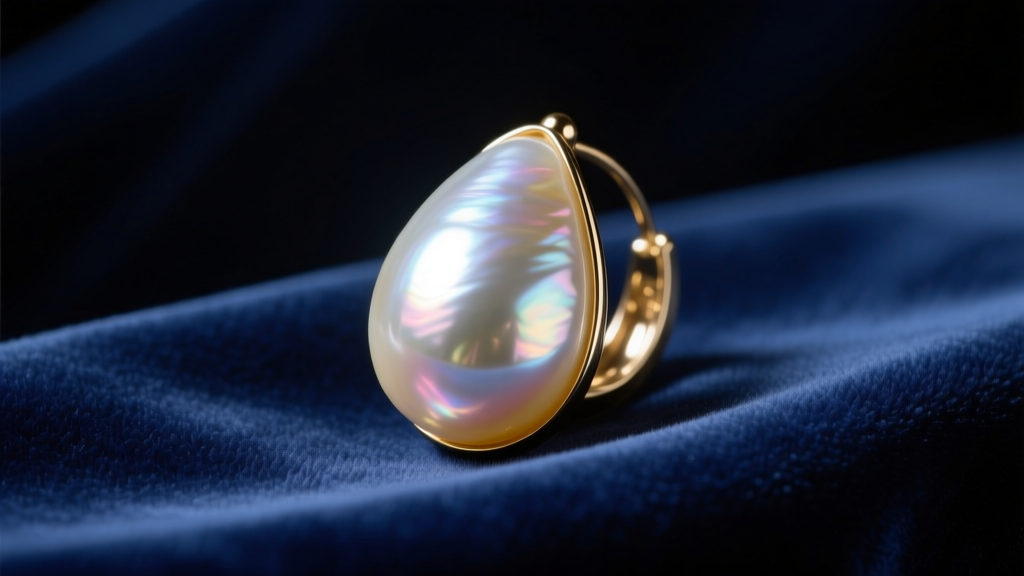
The 2003 film Girl with a Pearl Earring captivated global audiences, not just through its narrative, but through the mesmerizing visual presence of its titular jewel. When analyzing the girl with a pearl earring movie from a gemological and material science perspective, a fascinating discrepancy emerges between the cinematic prop, the original 1665 Johannes Vermeer painting, and the physical realities of 17th-century pearls. Today, as we navigate the modern pearl market in 2026, understanding the material properties of these iconic gems is crucial for collectors and enthusiasts seeking to replicate that legendary, luminous drop.
The Gemological Mystery of Vermeer’s Masterpiece
In the movie, the earring is depicted as a massive, flawless, teardrop-shaped pearl, roughly measuring between 18mm and 20mm in diameter. From a historical and material standpoint, a natural saltwater pearl of this magnitude—likely originating from the Persian Gulf’s Pinctada radiata oyster—would have been astronomically rare and valued at a king's ransom. It is highly improbable that a painter's maid, or even the painter himself, would possess such a specimen.
Gemologists and art historians widely theorize that the "pearl" in Vermeer's original work, and subsequently the movie prop, was actually an imitation. During the Dutch Golden Age, glassblowers created incredibly convincing pearl replicas using lead glass coated with essence d'orient—a substance derived from guanine crystals found in fish scales. This material combination provided the high specific gravity and iridescent luster necessary to mimic a natural pearl under the soft, directional light of a Delft window.
Material Properties: Natural vs. Cultured vs. Imitation
To understand how to source or identify a pearl with the visual weight and optical properties of the movie's iconic earring, we must compare the physical metrics of modern pearl materials. The Gemological Institute of America (GIA) outlines distinct physical properties that separate organic gems from their synthetic or imitation counterparts.
| Material Type | Core Composition | Nacre Thickness | Specific Gravity | Refractive Index | Est. Price (15mm Drop) |
|---|---|---|---|---|---|
| Natural Saltwater | Solid Aragonite/Conchiolin | 100% (Solid) | 2.60 - 2.85 | 1.53 - 1.68 | $50,000 - $250,000+ |
| Cultured South Sea | Shell Bead + Nacre | 2.0mm - 6.0mm | 2.65 - 2.75 | 1.53 - 1.68 | $3,000 - $15,000 |
| Cultured Akoya | Shell Bead + Nacre | 0.3mm - 0.8mm | 2.68 - 2.74 | 1.53 - 1.68 | N/A (Rarely exceed 10mm) |
| Majorica (Imitation) | Lead Glass + Guanine | 0.0mm (Coating only) | 3.00 - 3.50 | 1.50 - 1.70 (Glass) | $100 - $300 |
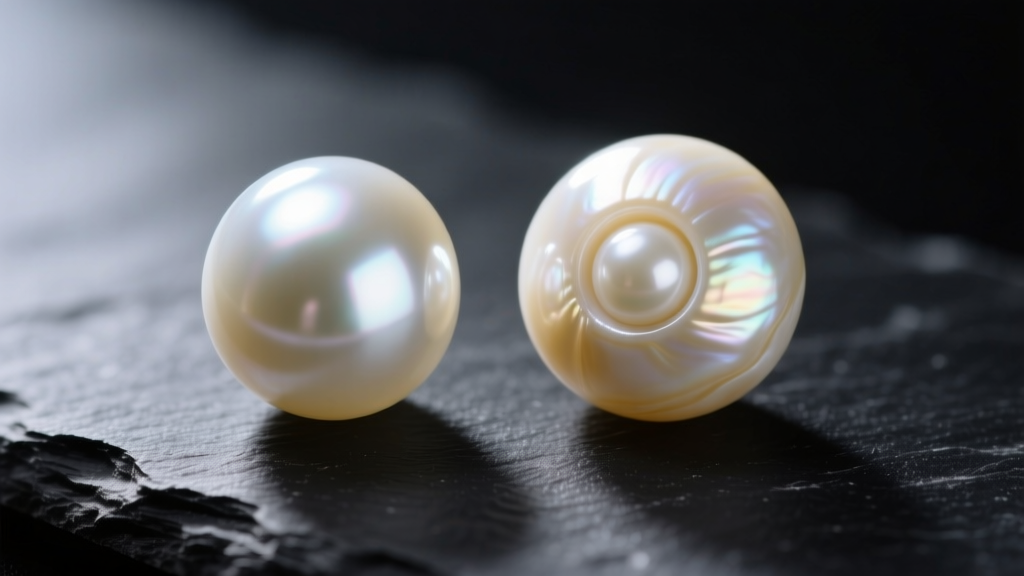
As the table illustrates, if you are seeking the sheer size depicted in the film, the Cultured White South Sea pearl is your only viable organic option. Produced by the Pinctada maxima oyster off the coasts of Australia and Indonesia, these pearls naturally grow to 15mm-20mm and possess the deep, satiny luster that cinematographers strive to capture on film.
Decoding Nacre: The Secret to the "Movie Luster"
The captivating glow seen in the movie is a result of light interacting with nacre. Nacre is a composite material consisting of microscopic hexagonal platelets of aragonite (calcium carbonate) glued together by conchiolin (an organic polymer).
- Aragonite Platelets: These are typically 0.5 microns thick. When light enters the pearl, it refracts and diffracts through thousands of these layers, creating the "orient"—the iridescent play of color.
- Conchiolin: This protein acts as the mortar. A lower conchiolin content results in a more translucent, highly reflective nacre, which is highly prized in gem-grade South Sea pearls.
- Surface Crystallization: According to the Cultured Pearl Association of America, the slower growth rate of South Sea pearls in cooler, deeper waters allows for tighter, more uniform aragonite crystallization, resulting in the soft, mirror-like luster synonymous with the Vermeer aesthetic.
"The optical phenomenon of a high-quality South Sea pearl is not merely surface reflection; it is a deep, internal luminescence caused by light penetrating up to 2 millimeters of nacre before reflecting back to the observer's eye."
Testing and Verification: Real vs. Prop
If you are evaluating a vintage or antique "Vermeer-style" drop earring at an estate sale, you must verify the material. Imitation pearls from the mid-20th century often used heavy lead glass to mimic the heft of natural pearls.
The Tooth Test and Magnification
Gently rub the pearl against the biting edge of your front teeth. A cultured or natural pearl will feel distinctly gritty or sandy due to the overlapping aragonite platelets. An imitation pearl, coated in guanine or modern synthetic resins, will feel perfectly smooth. Under a 10x jeweler's loupe, a real pearl will show overlapping crystalline layers, while an imitation will reveal a glassy sub-surface and potential chipping around the drill hole.
Specific Gravity and X-Ray
Because the movie prop was likely glass, it would feel unnaturally heavy. A 15mm natural or cultured pearl weighs approximately 4 to 5 grams. A lead-glass imitation of the same size can weigh upwards of 8 to 10 grams. For definitive proof, gemological laboratories use real-time X-ray microradiography to measure the exact nacre thickness and confirm the presence of a shell bead core.
Sourcing Your Own "Vermeer" Drop Earring in 2026
Recreating the iconic look requires more than just buying a large pearl; it requires precise attention to earring hardware and structural integrity. A 15mm South Sea pearl drop is a substantial investment, and the mounting must be engineered to support its weight without damaging the nacre or the earlobe.
The Hardware Framework for Heavy Pearls
Standard earring posts are typically 20-gauge (0.81mm) or 18-gauge (1.02mm). However, a heavy 15mm pearl will cause a 20-gauge wire to bend, droop, and eventually snap under dynamic movement. When commissioning or purchasing a large pearl drop, demand the following specifications:
- Post Thickness: Minimum 14-gauge (1.63mm) or 12-gauge (2.05mm) for structural rigidity.
- Post Length: 14mm to 16mm to accommodate thicker earlobes and the depth of the pearl's drill hole.
- Cup Backings: Standard butterfly friction backs are insufficient. You must use a wide, flat cup backing (minimum 6mm to 8mm diameter) to distribute the weight across the back of the earlobe and prevent the pearl from tilting forward.
- Drill Hole Protection: Ensure the jeweler uses a 14k or 18k gold "peg" setting with a rounded cup that matches the pearl's curvature, glued with a two-part jeweler's epoxy, rather than relying solely on tension.
Selecting the Right Luster Grade
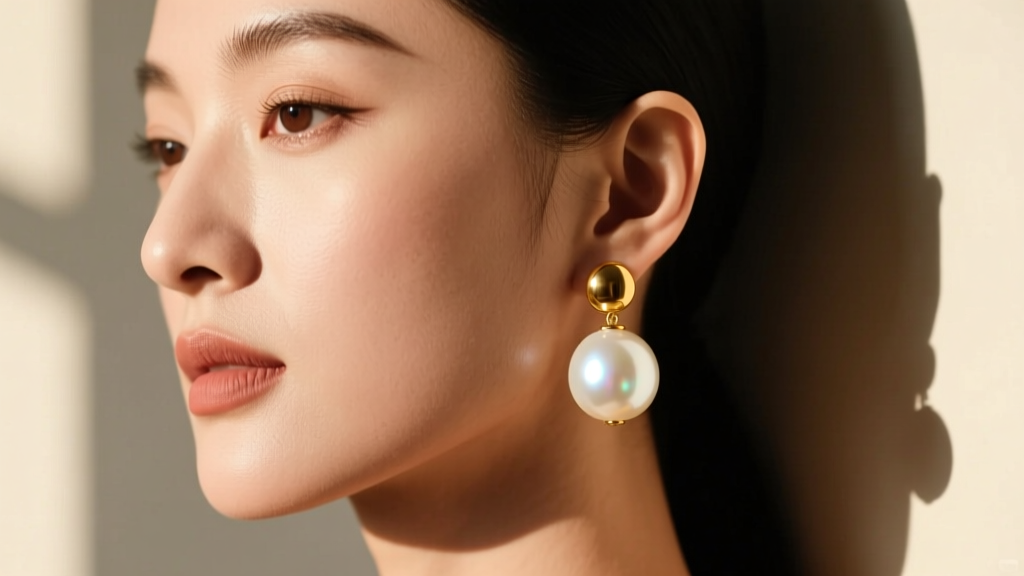
To achieve the moody, directional-lighting glow seen in the film, avoid pearls with "high shine" or "glass-like" luster (often seen in top-tier Akoyas). Instead, look for South Sea pearls graded as having "satiny" or "deep" luster. These pearls have thicker nacre that scatters light softly, perfectly mimicking the oil-painting aesthetic of 17th-century Dutch art.
Whether you are analyzing the historical inaccuracies of a beloved cinematic prop or investing in a museum-quality South Sea drop, understanding the material science of pearls transforms how you wear and appreciate them. The magic of the Girl with a Pearl Earring lies not just in the story, but in the eternal, optical mastery of nacre.


