How to Value Antique Mexican Silver Earrings: Hallmarks & Pricing
Discover how to appraise antique Mexican silver earrings. Learn to read Taxco hallmarks, assess .925 vs .950 grades, and determine fair market value.

The Allure and Investment Potential of Taxco Silver
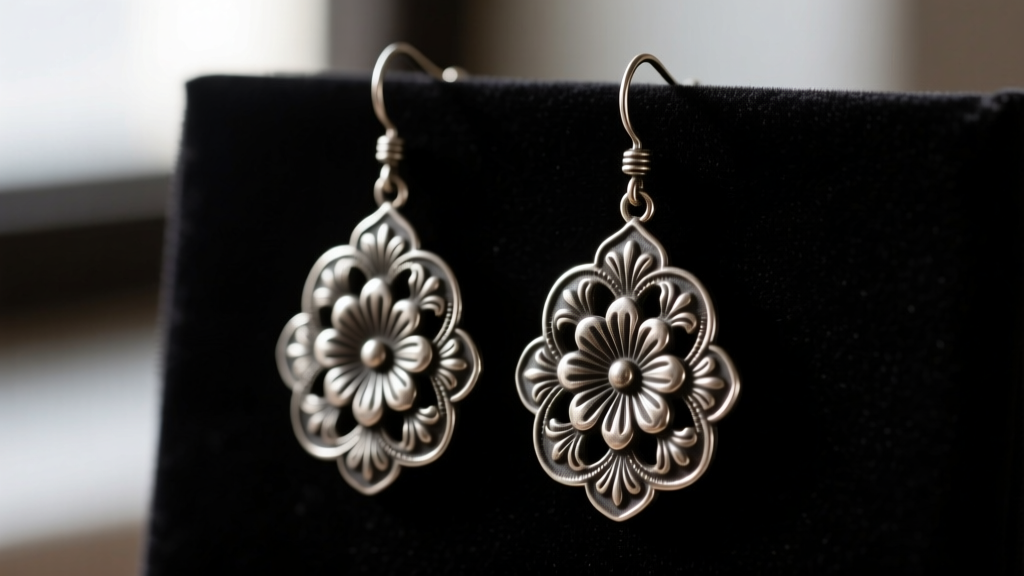
For collectors and vintage jewelry enthusiasts, antique Mexican silver earrings represent a unique intersection of wearable art, rich cultural history, and tangible asset value. Unlike mass-produced contemporary jewelry, mid-century pieces from Taxco, Mexico, were largely hand-forged, featuring intricate repoussé work, aztec-inspired geometries, and innovative married-metal techniques. However, navigating the secondary market requires a rigorous approach to authentication and valuation. Whether you are hunting at estate sales or browsing specialized online auctions, understanding the nuanced grading, hallmarking, and structural integrity of these pieces is critical to making a sound investment.
Decoding Hallmarks: The Key to Authentication
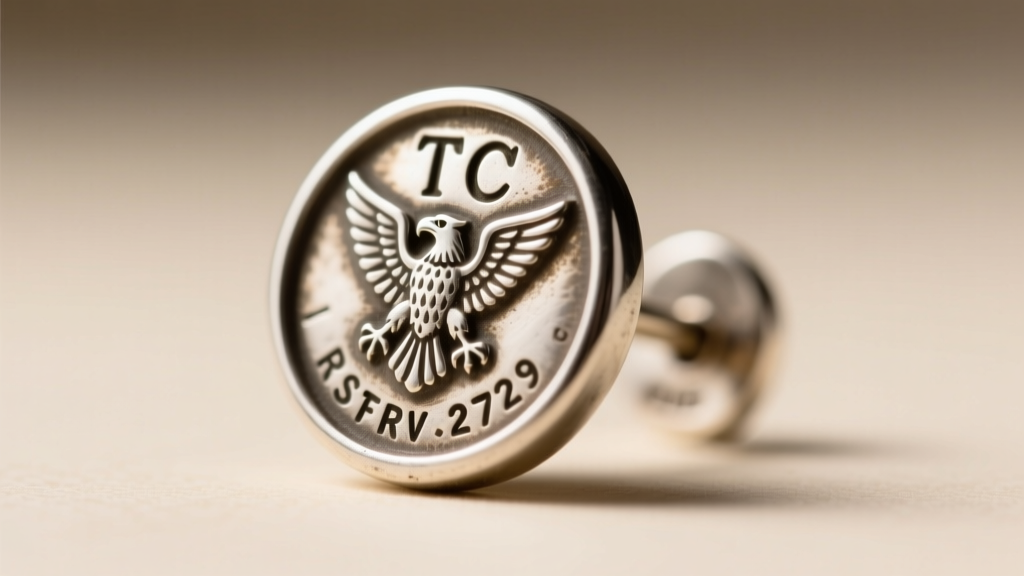
The most reliable method for authenticating and dating vintage Mexican silver is through its hallmarks. The Mexican government implemented strict assay standards to protect the booming export market. According to the Silver Marks Encyclopedia, the hallmarking system evolved in two primary phases:
- The Eagle Assay Mark (1948–1979): Introduced to guarantee a minimum of .925 sterling purity, this stamp features an eagle. The number inside or adjacent to the eagle identifies the specific maker or the region of origin. For example, an eagle with the number '1' typically indicates Mexico City, while other numbers were assigned to Taxco artisans.
- The Alphanumeric System (1979–Present): The eagle was replaced by a letter-number code. The first letter indicates the state (e.g., 'T' for Taxco, 'M' for Mexico City), the second letter indicates the chronological order of registration, and the numbers represent the specific artisan. A stamp reading 'TC-12' means it was made in Taxco by the 12th registered silversmith in that specific registry cycle.
Notable Makers and Their Premium Tiers
While thousands of artisans worked in Taxco, a few master silversmiths command significant premiums on the collector's market. Pieces bearing these stamps often appreciate in value:
- William Spratling: Known as the 'father of Mexican silver,' his architectural, pre-Columbian-inspired designs are the most highly sought after.
- Los Castillo: Founded by Spratling's apprentices, they are famous for their 'married metals' (combining silver with brass or copper) and intricate stone inlays.
- Margot de Taxco: Renowned for her vibrant champlevé enamel work, which pairs striking glass colors with heavy silver bezels.
- Hector Aguilar: Celebrated for bold, sculptural, and heavily textured designs that mimic ancient Aztec and Mayan artifacts.
Silver Purity Grades: .925 vs .950 vs .980
Unlike European or American silver, which strictly adhered to the .925 sterling standard, Mexican silversmiths frequently utilized higher purity alloys. Understanding these grades is vital for assessing both value and durability.
.925 Sterling: The international standard, containing 92.5% silver and 7.5% copper. This provides the ideal balance of tarnish resistance, structural rigidity, and durability for earring posts and clasps.
.950 Silver: Highly prevalent in mid-century Taxco pieces. The higher silver content (95%) and lower copper content (5%) allowed artisans to perform deeper, more complex repoussé and chasing without the metal cracking. However, .950 silver is noticeably softer. While it yields a richer, darker patina, it is structurally inferior for high-stress components like ear wires.
.980 Silver: Rarely used for entire earrings, this ultra-soft alloy was sometimes used for decorative bezels or delicate wire-wrapping. Any earring claiming to be entirely .980 should be viewed with suspicion, as it would easily deform under the weight of normal wear.
Budgeting and Market Pricing Tiers
When assessing the budget required for antique Mexican silver earrings, pricing is heavily dictated by the maker's mark, the complexity of the craftsmanship, and the presence of original, undamaged patina. Below is a current market valuation matrix for standard drop and hoop styles:
| Valuation Tier | Maker / Hallmark Profile | Estimated Price Range (USD) | Investment Outlook |
|---|---|---|---|
| Tier 1: Generic | Unsigned or generic .925 Eagle stamps | $35 – $90 | Low (Wearable art, minimal appreciation) |
| Tier 2: Mid-Century Artisan | Signed by lesser-known Taxco masters (e.g., Matilde Poulat, Ricardo Salas) | $120 – $350 | Moderate (Steady demand among niche collectors) |
| Tier 3: Master Enamel/Inlay | Margot de Taxco, Los Castillo (complex inlay/enamel) | $350 – $850 | High (Strong auction performance, global demand) |
| Tier 4: Blue Chip | William Spratling, Hector Aguilar (First-phase pieces) | $900 – $3,500+ | Very High (Museum-quality, appreciates annually) |
Structural Assessment: Ear Wires and Clip-Backs
A common failure mode in vintage Mexican earrings is the degradation or inappropriate sizing of the ear wire. Because many Taxco artisans prioritized the visual impact of the earring face over the mechanics of the finding, structural compromises are frequent.
Gauge Thickness: Ideal vintage ear wires should be 20-gauge or 18-gauge. Many authentic mid-century pieces feature heavy, oversized repoussé drops but were fitted with thin 22-gauge or 24-gauge wires to save material. These thin wires will droop, stretch the earlobe piercing, and eventually snap. When purchasing, factor in the cost of having a jeweler re-wire the earrings with modern, hypoallergenic 20-gauge niobium or 18k gold-filled wire.
Clip-Ons and Screw-Backs: During the 1940s and 1950s, clip-on and screw-back earrings were immensely popular. If you are buying vintage Mexican screw-backs, test the tension. The threads often strip over time, and the paddles lose their grip. While they can be retrofitted with modern omega-clip pads or converted to post-and-clutch findings, this requires soldering, which risks damaging the original heat-sensitive patina or enamel work.
The Alpaca Trap: Avoiding Counterfeits
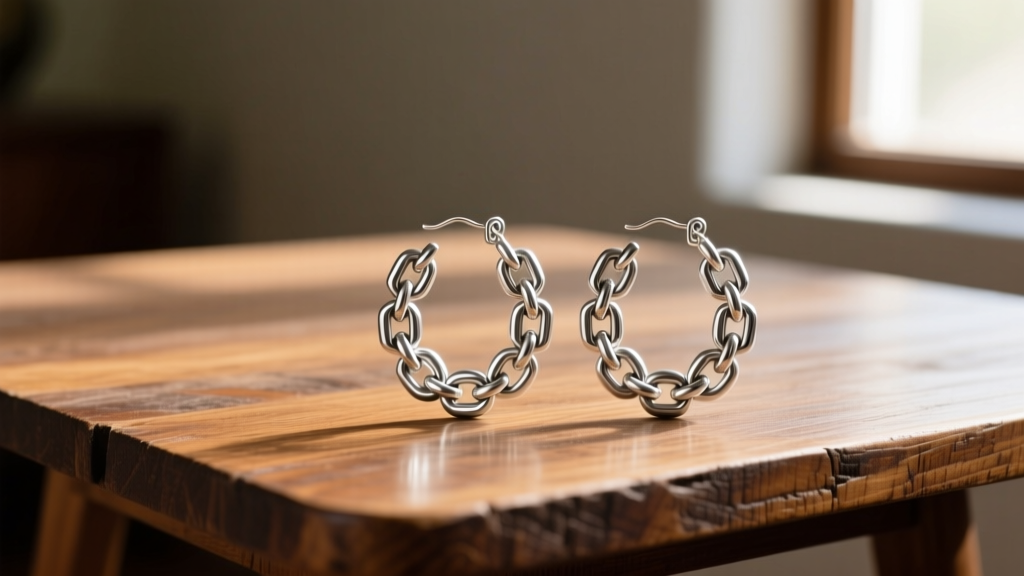
One of the most critical pitfalls in the secondary market is the misrepresentation of 'Alpaca' or 'German Silver' as antique Mexican silver. Alpaca is an alloy consisting primarily of copper, nickel, and zinc. It contains absolutely zero elemental silver. While it polishes to a bright, silvery sheen that mimics sterling, it is notorious for causing severe contact dermatitis and turning the skin green due to the copper and nickel content.
Authentic Mexican silver artisans almost never used Alpaca for fine jewelry, though it was sometimes used for cheap tourist souvenirs. To perform a quick field test without damaging the piece, use a rare-earth magnet. Genuine silver is diamagnetic and will not stick to a magnet. Alpaca, due to its nickel and trace iron content, will often exhibit a slight magnetic pull. Furthermore, inspect the edges for 'bleeding'—if you see a reddish or brassy hue wearing through the silver surface, you are likely looking at a silver-plated base metal, not solid Taxco silver.
Where to Source and Verify Authenticity
Sourcing authentic pieces requires moving beyond generic online marketplaces where misattributed items are rampant. As noted by the vintage jewelry experts at Lang Antiques University, provenance and dealer expertise are paramount when investing in high-tier pieces. Reputable dealers will provide high-resolution macro photography of the hallmarks and guarantee the silver content.
Expert Preservation Tip: Never use commercial liquid silver dips or ultrasonic cleaners on antique Mexican silver earrings. These harsh chemicals will strip the decades-old oxidation that sits in the recesses of repoussé and chased designs, instantly destroying the piece's depth, contrast, and a significant portion of its collector value. Clean only with a soft, untreated microfiber cloth and a mild, phosphate-free soap if absolutely necessary.
By mastering the nuances of Taxco hallmarks, understanding the metallurgical realities of .950 silver, and critically assessing the structural integrity of the findings, you can confidently build a collection of antique Mexican silver earrings that are as structurally sound as they are historically significant.


