The Lady with the Pearl Earring: A Gemologist's Technical Guide
Discover gemological secrets behind The Lady with the Pearl Earring. Learn nacre thickness, luster grading, and how to source museum-quality pearl drops.

The Gemological Enigma of Vermeer’s Masterpiece
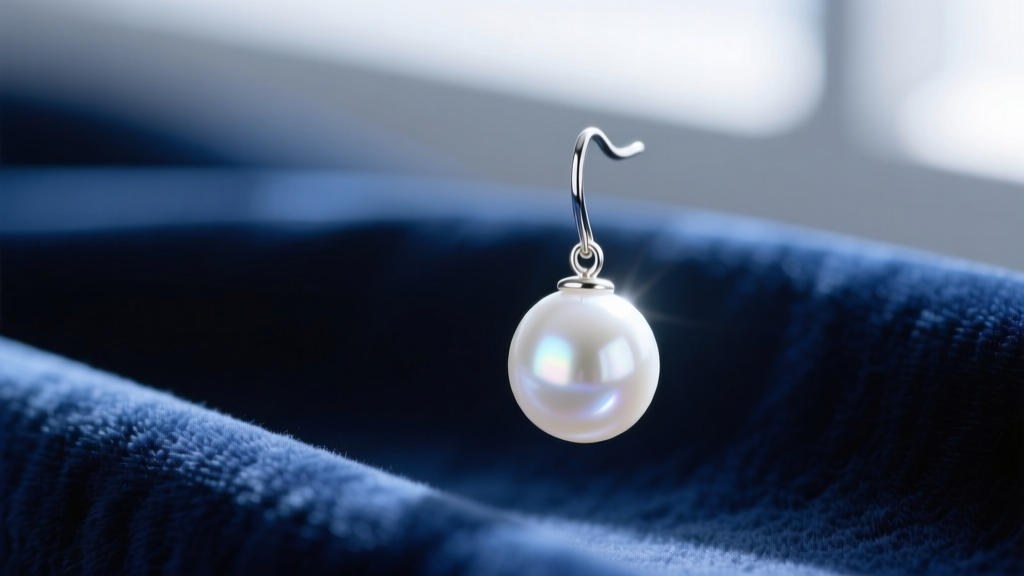
Johannes Vermeer’s 1665 painting, famously known as the lady with the pearl earring, presents one of the most iconic pieces of jewelry in art history. The massive, teardrop-shaped jewel catches the light with a striking specular reflection, drawing the viewer's eye immediately. But from a modern gemological perspective, what exactly is this object? Art historians and gemologists have long debated whether the earring depicts a genuine natural pearl or a 17th-century glass imitation.
During the Dutch Golden Age, natural saltwater pearls of the magnitude depicted—estimated to be between 13mm and 15mm in diameter—were astronomically rare and exclusively reserved for royalty. Given the subject's modest attire, many experts at the Mauritshuis Museum suggest the earring is actually a leaded glass drop, known as "strass," which was commonly used to simulate the luster of pearls. However, for the modern jewelry collector and gemologist, the painting serves as the ultimate benchmark for evaluating light performance, luster, and the physics of the "catchlight" in high-carat pearl drop earrings.
Technical Specifications for a "Vermeer" Pearl Drop
Replicating the optical phenomena captured by Vermeer requires a deep understanding of pearl morphology. The painting highlights two distinct light interactions: a sharp, bright primary catchlight (specular reflection) and a softer, diffused secondary reflection. To achieve this in a modern pearl, specific gemological criteria must be met.
Nacre Thickness and Aragonite Alignment
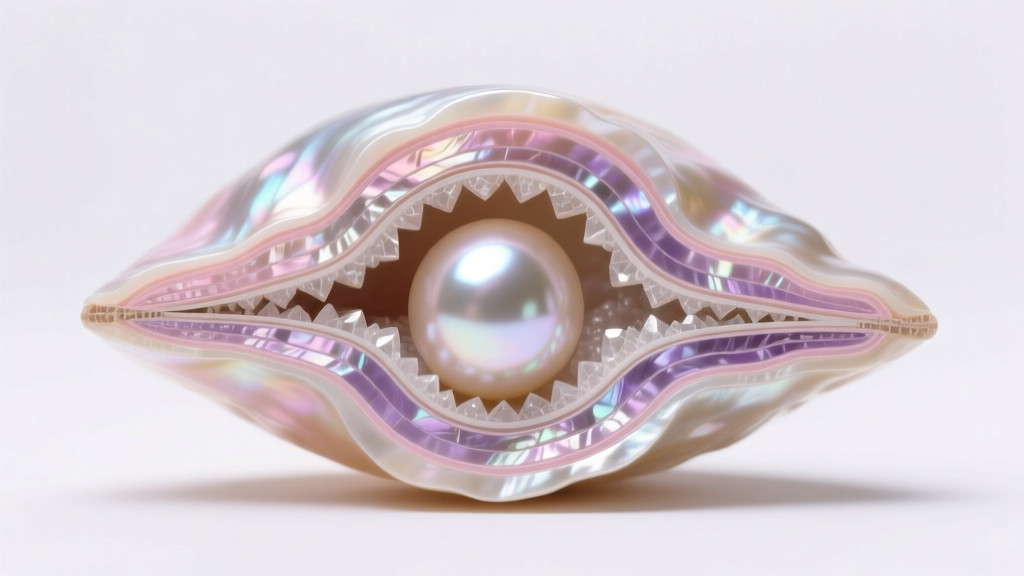
The luster of a pearl is dictated by the thickness and translucency of its nacre, which is composed of microscopic aragonite platelets bound together by conchiolin. For a drop earring to exhibit the deep, mirror-like luster seen in the painting, the nacre thickness must exceed 1.5mm. According to the Gemological Institute of America (GIA), nacre thickness directly impacts the durability and the depth of light refraction. Thin-nacre pearls (under 0.8mm) will appear chalky and lack the secondary subsurface glow that gives a pearl its "orient."
The Physics of the Catchlight
Vermeer’s primary catchlight is positioned near the bottom curve of the pearl, indicating a highly polished, near-flawless surface. In gemological grading, this corresponds to an "Excellent" or "AAA" luster grade. The surface must be free of calcified bumps or mottling, which would scatter incoming light and destroy the sharp specular reflection. When sourcing a modern equivalent, buyers must inspect the pearl under a single, direct light source to ensure the reflection is crisp, not blurry.
Sourcing the Modern Equivalent: A Buyer's Matrix
If you are looking to acquire or design a statement drop earring that mirrors the scale and optical performance of the painting, you must navigate the modern pearl market. Below is a technical comparison of the three primary materials used to create 13mm+ drop earrings today.
| Material Type | Typical Size Range | Nacre Thickness | Luster Grade | Est. Price Range (2026) |
|---|---|---|---|---|
| White South Sea (Saltwater) | 13mm - 18mm | 2.0mm - 4.0mm+ | AAA to Gem (Excellent) | $2,500 - $15,000+ |
| Edison Freshwater (Nucleated) | 11mm - 15mm | 1.5mm - 3.0mm | AA to AAA (Very High) | $400 - $1,800 |
| Leaded Glass (Historical Replica) | 12mm - 20mm | N/A (Solid Glass) | Mirror (Artificial) | $50 - $150 |
For the ultimate collector, a White South Sea pearl is the only natural material that reliably reaches the 14mm+ threshold while maintaining the thick nacre required for deep light refraction. Cultured primarily in the waters of Australia and the Philippines, these pearls grow over a 2 to 4-year period, allowing for substantial nacre deposition. Edison freshwater pearls, while more affordable and possessing excellent luster, often exhibit slight ovaling or "ringed" textures at the 14mm mark, which alters the teardrop silhouette Vermeer painted.
Earring Mechanics: Supporting Heavy Statement Drops
A 14mm White South Sea pearl weighs approximately 4.5 to 6.0 grams. When suspended from the earlobe, this weight creates significant downward torque. Standard earring hardware will fail under this load, causing the pearl to droop forward and ruining the visual profile of the drop.
Wire Gauge and Post Engineering
Standard friction posts are typically 20-gauge (0.81mm) or 22-gauge (0.64mm). At these thicknesses, the precious metal (even 14k or 18k gold) will bend under the 5-gram weight of a South Sea pearl. For a Vermeer-scale drop, the earring post must be engineered to 18-gauge (1.02mm) or 17-gauge (1.14mm). This thicker wire provides the structural rigidity needed to keep the pearl hanging perfectly plumb.
Clutch and Closure Systems
Standard butterfly friction backs are insufficient for heavy drops; the weight of the pearl will pull the post through the earlobe, causing the backing to slip. Expert jewelers recommend the following closure mechanisms for heavy pearl drops:
- La Pousette Backs: These feature a mechanical locking system with dual springs that grip the post securely, preventing accidental loss.
- Omega Backs: Often used on heavy drops, the omega clip distributes the weight across a wider surface area of the earlobe, reducing pressure and preventing the "droop" effect.
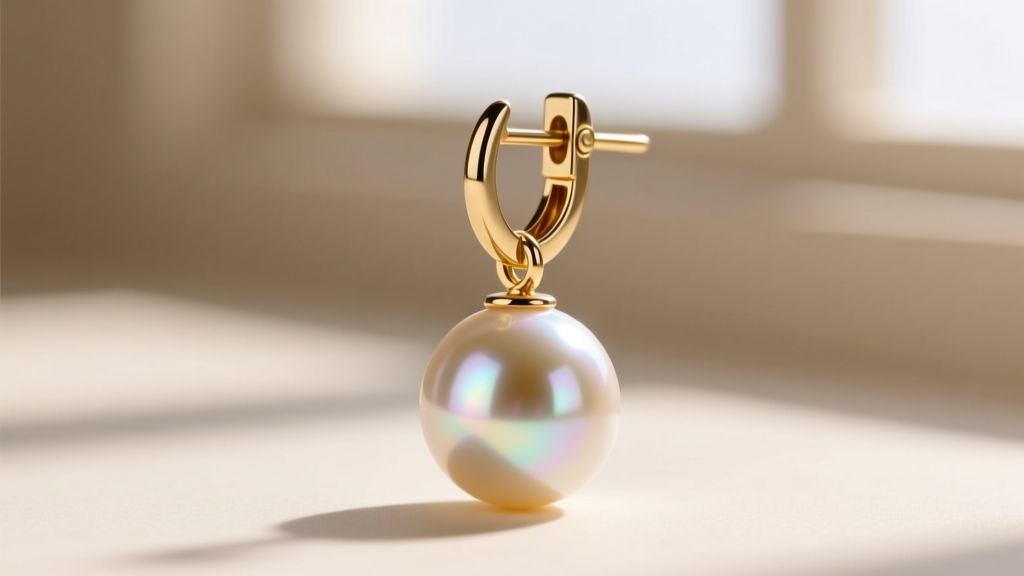
- Leverback Wires: If the pearl is suspended via a delicate cap and jump ring, an 18-gauge leverback ensures the earring remains securely closed while allowing the pearl to pivot and catch the light dynamically.
Styling the 13mm+ Drop for Modern Face Shapes
While the lady with the pearl earring wore her jewel as a solitary statement piece, modern styling requires an understanding of facial geometry and proportion. A 14mm teardrop pearl is a dominant focal point and should be balanced accordingly.
"The elongated silhouette of a teardrop pearl creates a vertical line that naturally draws the eye downward, making it an invaluable tool for balancing wider facial structures."
- Round and Square Face Shapes: The vertical drop of a 13mm+ pearl is highly flattering. It creates an optical illusion of length, softening strong jawlines and widening cheekbones. Avoid pairing with wide, geometric stud earrings; let the drop stand alone.
- Oval Face Shapes: Oval faces can carry almost any proportion, but a massive South Sea drop can sometimes overwhelm delicate features. If the pearl exceeds 15mm, ensure the earring cap is minimal (e.g., a simple diamond solitaire cap) to maintain a clean visual line.
- Heart Face Shapes: To balance a narrower chin, wear the pearl drops with hair swept up or tucked behind the ears. This exposes the jawline and allows the pearl to act as a visual anchor near the collarbone.
Conclusion: Capturing the Light
Whether Vermeer’s subject wore a rare natural wonder or a clever piece of 17th-century glass, the earring remains a masterclass in light performance. For the modern jewelry enthusiast, sourcing a piece that captures this magic requires strict adherence to gemological standards: demanding thick nacre, excellent surface quality, and precision-engineered 18-gauge hardware. By understanding the technical anatomy of the pearl drop, you can acquire a timeless statement piece that commands the room with the same quiet brilliance as a Dutch masterpiece.


