Vintage 14K Gold Pearl Earrings: A Modern Style Analysis
Discover how to authenticate, style, and invest in vintage 14k gold pearl earrings. Expert insights on hallmarks, pearl luster, and modern pairings.

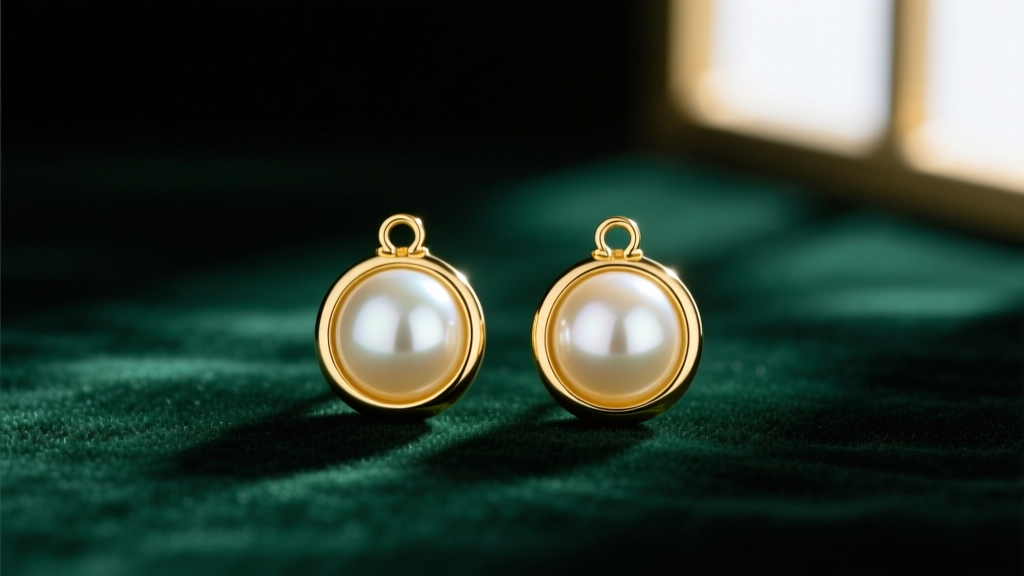
The Resurgence of Heritage: Why Vintage 14K Gold Pearl Earrings Dominate
The secondary jewelry market has experienced a seismic shift over the last decade, with collectors and everyday consumers alike pivoting toward heritage pieces. Among the most highly sought-after categories are vintage 14k gold pearl earrings. Unlike their modern, mass-produced counterparts, mid-century and Art Deco pieces offer a masterclass in metallurgical balance and organic gemstone selection. In 2026, the appeal of these earrings extends beyond mere nostalgia; it is rooted in the superior material integrity of pre-1980s manufacturing and the undeniable versatility of pearls in contemporary ear styling.
When we analyze current trend data, vintage pearl earrings are no longer confined to conservative, formal wear. Stylists and collectors are actively integrating these heirloom silhouettes into asymmetrical cartilage stacks and minimalist everyday rotations. However, navigating the vintage market requires a rigorous understanding of gold alloys, pearl varietals, and historical clasp mechanisms to ensure you are acquiring a genuine artifact rather than a retro-style reproduction.
Decoding the Anatomy: Gold Purity and Pearl Varietals
14K Gold: The Sweet Spot for Vintage Durability
While 18K and 22K gold often fetch higher premiums in the antique market, 14K gold (58.5% pure gold) remains the undisputed champion for vintage earrings. The primary reason is structural integrity. Earrings endure constant friction, tension, and exposure to cosmetic chemicals. A vintage 14k gold pearl earring crafted in the 1950s utilizes a specific copper-to-silver alloy ratio that yields a warmer, slightly rosier hue than modern 14K gold, which is often alloyed with higher zinc content for a paler, more uniform yellow. This historical alloy not only provides a distinct visual warmth but also offers superior tensile strength, ensuring that delicate filigree work and pearl prongs remain intact over decades of wear.
Pearl Types: Akoya vs. Early Cultured Freshwater
The pearls set in vintage 14K gold mountings are predominantly Japanese Akoya or early Biwa freshwater cultured pearls. According to the Gemological Institute of America (GIA), vintage Akoya pearls (harvested between 1930 and 1970) typically boast a significantly thicker nacre layer—often exceeding 0.8mm—compared to modern commercial Akoya pearls, which are frequently harvested early with nacre as thin as 0.2mm. This thick nacre results in a deep, mirror-like luster and a creamy, organic overtone that modern bleaching and polishing techniques struggle to replicate. Conversely, vintage pieces from the 1960s and 70s may feature early Biwa freshwater pearls, characterized by their unique 'rice krispie' textures and irregular baroque shapes, offering a more bohemian, avant-garde aesthetic.
Authentication Framework: Spotting Genuine Vintage Pieces
Acquiring authentic vintage 14k gold pearl earrings requires a systematic approach to verification. Reproductions often mimic the visual aesthetic but fail under metallurgical and gemological scrutiny. Use the following diagnostic checklist when evaluating potential acquisitions:
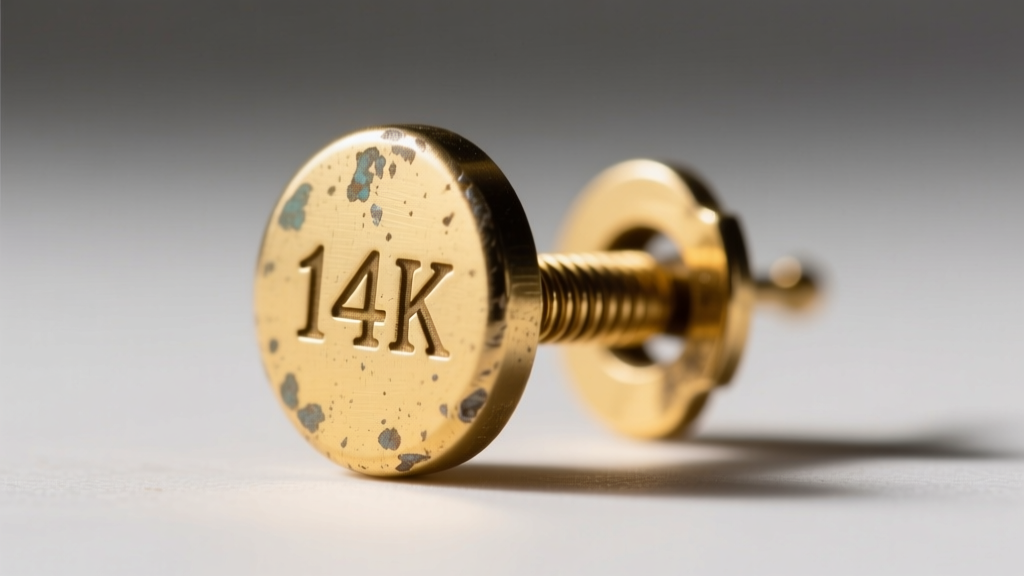
- Hallmark and Maker's Mark Analysis: Genuine mid-century American pieces will typically feature a stamped '14K' or '585' mark, often accompanied by a registered maker's mark. As noted by Lang Antiques' Antique Jewelry University, the placement and font of these stamps can date a piece to a specific decade. Hand-engraved stamps with slight asymmetry indicate pre-1960s origins, while laser-sharp, perfectly uniform stamps suggest modern casting.
- Clasp Mechanism Evolution: The hardware is a dead giveaway for age. Screw-back earrings were the standard prior to the 1950s, designed for non-pierced ears or early piercing practices. The 1940s through 1960s saw the rise of the omega clip and hinged leverback, while the modern friction post and butterfly clutch did not become ubiquitous until the late 1970s. Finding a modern friction clutch on a supposedly Art Deco piece is an immediate red flag.
- Nacre Wear and Drill Holes: Examine the pearl's drill hole under 10x magnification. Vintage pearls will show clean, sharp drill holes with a distinct boundary between the nacre and the conchiolin (the organic core). If you see peeling, flaking, or a chalky white interior, the nacre has been compromised by decades of acidic sweat exposure or the piece is a modern plastic bead coated in synthetic pearlescence.
Market Valuation and Pricing Tiers
The pricing for vintage 14k gold pearl earrings is highly stratified, dictated by provenance, pearl quality, and structural complexity. Below is a current market valuation framework for authenticated pieces in excellent condition.
| Era / Style | Pearl Type & Size | Gold Weight / Detail | Estimated Market Value (USD) |
|---|---|---|---|
| 1950s Mid-Century Studs | 6mm - 7mm Akoya (Cream/Rose) | 2.5g - 4g, Simple Bezel or Prong | $180 - $350 |
| 1940s Retro Drops | 8mm - 9mm Akoya or Mabe | 6g - 10g, Scalloped Omega Back | $450 - $850 |
| 1920s Art Deco Dangles | Seed Pearls & Onyx Accents | 3g - 5g, Intricate Filigree | $900 - $2,200 |
| Signed Designer (e.g., Tiffany) | 7mm+ High-Luster Akoya | Varies, Documented Provenance | $1,500 - $4,000+ |
Modern Styling Protocols for Heirloom Silhouettes
The true genius of vintage 14k gold pearl earrings lies in their adaptability. While they carry historical weight, they do not have to look dated. By applying contemporary styling frameworks, you can integrate these pieces into a modern jewelry wardrobe seamlessly.
The Asymmetrical Cartilage Stack
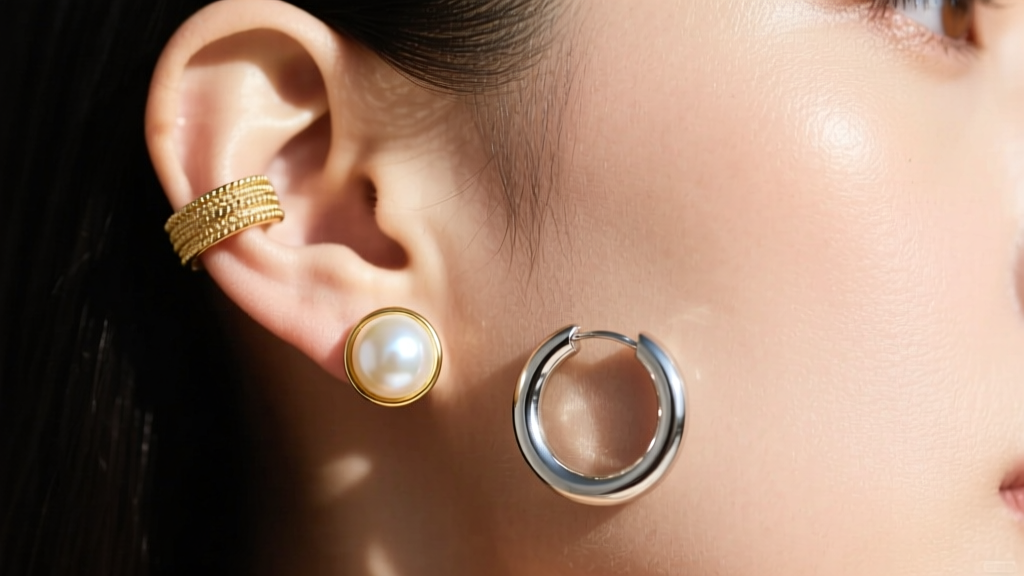
Move the vintage pearl away from the traditional lobe placement. If you possess a pair of vintage 14K gold pearl screw-backs, have a professional jeweler carefully convert the posts to flat-back labret studs (typically 16-gauge or 18-gauge). This allows you to wear the vintage pearls in your helix or flat cartilage piercings. Pair them with ultra-modern, minimalist 14K gold huggie hoops in the lobe. The juxtaposition of the ornate, creamy vintage pearl against sleek, contemporary gold geometry creates a highly curated, editorial aesthetic.
Office-to-Evening Transitional Drops
For mid-century leverback drops, lean into the 'quiet luxury' trend. Avoid pairing them with heavy, competing necklaces. Instead, let the earrings serve as the focal point against a structured blazer or a silk midi dress. The warm, rosy hue of vintage 14K gold complements a wide array of skin undertones, while the organic luster of the pearl reflects light softly, making it an ideal choice for evening wear without the harsh sparkle of diamonds.
Maintenance and Restoration Realities
Owning vintage jewelry requires a proactive approach to conservation. The most common failure mode for vintage 14k gold pearl earrings is post-bending and clutch-wear. Because 14K gold is an alloy, repeated bending of the post will cause work-hardening, eventually leading to a clean snap. Always insert and remove vintage earrings with a steady hand, and replace worn modern clutches with high-quality silicone or specialized gold ear nuts that grip the post securely without requiring excessive force.
Furthermore, pearls are highly susceptible to chemical degradation. The GIA's historical archives on pearl care emphasize that organic gems must be the last thing you put on and the first thing you take off. Hairspray, perfume, and acidic skin pH can dissolve the calcium carbonate structure of the pearl over time. Store your vintage pieces in a soft, breathable linen pouch—never in an airtight plastic bag, which can dehydrate the pearl and cause the nacre to craze or crack.
"The magic of a vintage pearl earring isn't just in its age; it's in the fact that the oyster was allowed to mature its nacre naturally, creating a depth of luster that modern, rushed cultivation simply cannot engineer." — Master Gemologist Appraiser, Jewel Style Radar Archives.
By understanding the metallurgical nuances, historical contexts, and modern styling applications of vintage 14k gold pearl earrings, collectors can build a jewelry box that is not only financially sound but deeply rich in sartorial heritage.


