Vintage Lapis Earrings: The Ultimate 2026 Gift Guide
Discover the ultimate 2026 gift guide for vintage lapis earrings. Learn grading, era matching, pricing, and care tips for this royal blue gemstone.

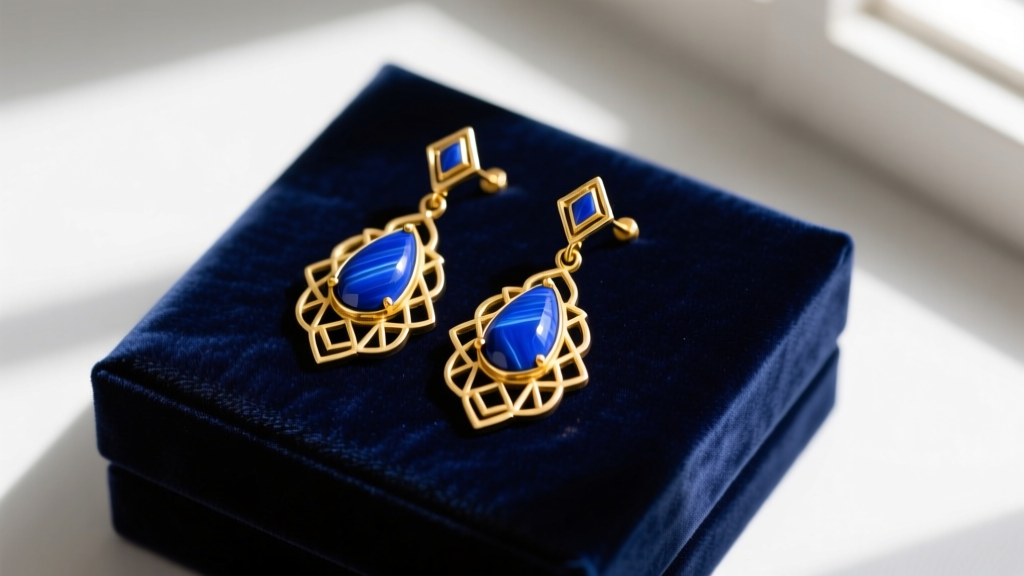
Why Vintage Lapis Lazuli Makes an Unforgettable Gift
Gifting jewelry is an exercise in storytelling, and few gemstones carry as much historical weight and visual command as lapis lazuli. Prized by Egyptian pharaohs and Renaissance painters alike, this deep blue metamorphic rock is a symbol of truth, wisdom, and intellectual depth. In 2026, as consumers increasingly pivot away from mass-produced fast jewelry toward sustainable, historically rich alternatives, vintage lapis earrings have surged to the top of curated gift lists. Whether you are shopping for a 9th wedding anniversary (the traditional lapis milestone), a university graduation, or a major career promotion, vintage lapis offers a striking, gender-neutral elegance that modern diamond studs simply cannot replicate.
However, buying vintage requires a discerning eye. Unlike modern mall-jewelry, antique and vintage pieces come with unique structural quirks, varied gemological grades, and specific care requirements. This guide will equip you with the exact technical knowledge needed to select, evaluate, and gift authentic vintage lapis earrings with absolute confidence.
Decoding Lapis Lazuli: A Grading Guide for Gift Buyers
To gift a truly spectacular piece, you must understand how to evaluate the stone. According to the Gemological Institute of America (GIA), lapis lazuli is not a single mineral but a complex rock composed primarily of lazurite (which provides the blue color), calcite (white streaks), and pyrite (golden flecks). The finest vintage pieces typically feature Afghan lapis sourced from the legendary Sar-e-Sang mines in Badakhshan, which have been active for over 6,000 years.
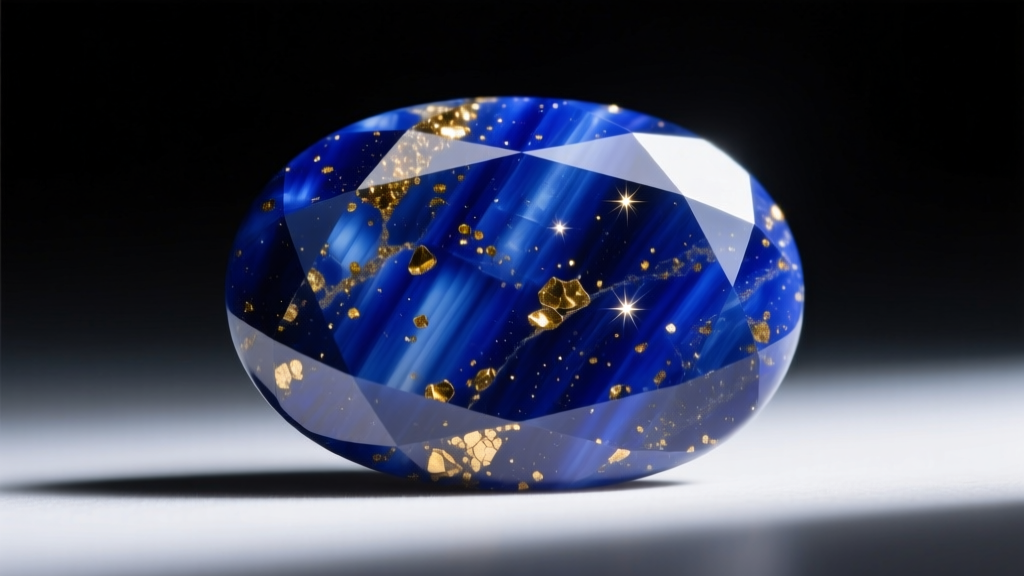
The Three Tiers of Vintage Lapis
- AAA Grade (Museum/Investment Quality): An intense, medium-dark, slightly violetish royal blue. There is zero visible white calcite, and pyrite inclusions are either completely absent or distributed in perfectly even, starry constellations. Expect to pay a heavy premium for AAA stones set in vintage 18k gold.
- AA Grade (Fine Jewelry Standard): A rich, saturated blue with minor, evenly distributed pyrite flecks. Trace amounts of calcite may be visible upon close inspection but do not muddy the overall color. This is the sweet spot for most high-end vintage gifts.
- A Grade (Commercial/Decorative): A paler, greenish-blue or grayish-blue with prominent white calcite webbing and clumpy pyrite. While still beautiful in an earthy way, A-grade lapis is less valuable and generally found in lower-priced, mid-century costume or silver jewelry.
Matching the Era to the Occasion
The design language of the earring dictates its vibe and the type of recipient who will cherish it most. As noted by the antique jewelry experts at Lang Antiques, different eras utilized lapis in vastly different ways.
Art Deco (1920s–1930s): For the Bold & Geometric Lover
Art Deco jewelers loved the high-contrast drama of opaque lapis against bright diamonds, rock crystal, or black onyx. Vintage lapis earrings from this era often feature elongated geometric drops, step-cut baguettes, and intricate platinum or white gold filigree. Best for: Black-tie events, milestone anniversaries, or the recipient with a sharp, modernist fashion sense.
Retro & Mid-Century (1940s–1960s): For the Elegant Minimalist
During the Retro and Mid-Century periods, yellow gold became the dominant metal due to platinum shortages during WWII. Jewelers favored smooth, high-dome lapis cabochons set in textured, twisted-rope gold or accented with small, sparkling single-cut diamonds. Best for: Professional milestones, everyday luxury wear, and lovers of warm-toned, classic elegance.
Occasion & Style Matrix: What to Buy and When
Use this quick-reference matrix to align your budget, the occasion, and the appropriate vintage style.
| Occasion | Ideal Era & Style | Metal & Grade | Estimated 2026 Price Range |
|---|---|---|---|
| 9th Wedding Anniversary | Art Deco Drop Earrings | 18k Gold / Platinum, AAA Grade | $1,200 – $3,500+ |
| Graduation / Career Milestone | Mid-Century Cabochon Studs | 14k Yellow Gold, AA Grade | $450 – $900 |
| September / December Birthday | Victorian Revival Dangles | Sterling Silver, A to AA Grade | $150 – $350 |
| "Just Because" / Self-Gift | 1970s Bohemian Hoops/Huggies | 10k or 14k Gold, Mixed Grade | $300 – $600 |
The Technicalities of Gifting Vintage: Findings, Gauges, and Conversions
The most common point of failure when gifting vintage earrings is ignoring the earring backs. True vintage pieces (pre-1960s) were rarely made with modern friction posts and butterfly backs. Instead, you will encounter two main types of findings:
1. The Screw-Back Dilemma
Invented in the late 1890s, screw-backs were the standard for non-pierced and pierced ears alike for decades. The problem? The threaded wire is notoriously thick—often 16-gauge or 18-gauge—and the screw mechanism can pinch the earlobe, causing discomfort for modern wearers accustomed to smooth 20-gauge or 22-gauge wires. If you are gifting screw-backs to someone with sensitive ears, plan for a jeweler to snip the threads or convert them.
2. Clip-On Conversions and the Laser Welding Rule
Many stunning 1950s lapis earrings are clip-ons. While they can be converted to modern posts, this is where amateur jewelers ruin valuable stones. Crucial E-E-A-T Warning: Lapis lazuli is highly sensitive to heat. It contains trace amounts of water and sulfur (from the pyrite). If a jeweler uses a traditional butane/oxygen torch to solder a new 20-gauge gold post onto the vintage setting, the heat transfer can cause the lapis to fracture, pop, or release a sulfurous gas that permanently dulls the polish.
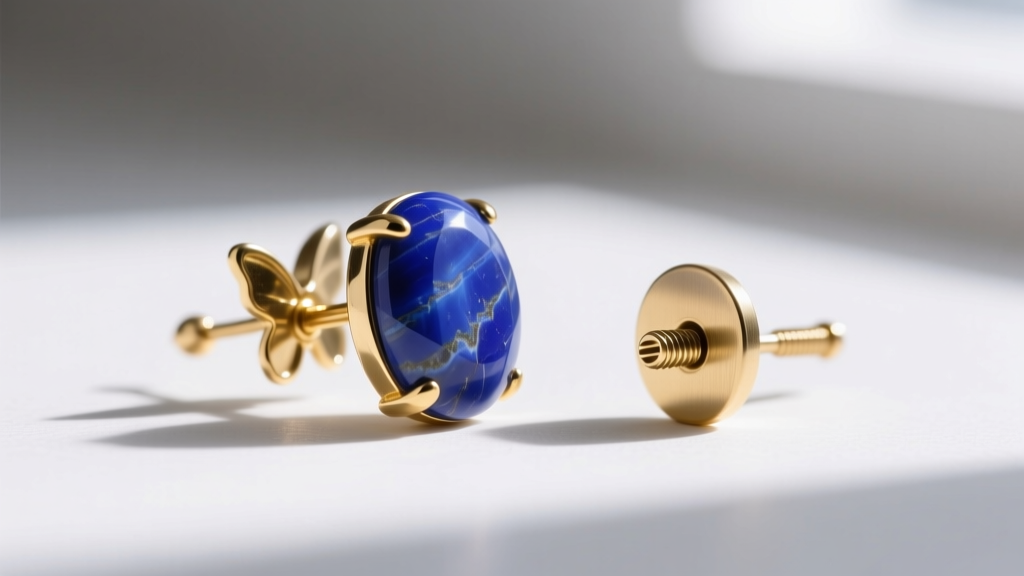
Always instruct your jeweler to use a laser welder for the conversion. Laser welding isolates the heat to a microscopic point on the metal, leaving the gemstone completely unaffected. If a laser welder is unavailable, the jeweler must physically remove the lapis cabochon from the bezel before soldering, then reset it—a riskier and more expensive proposition.
Crucial Care Instructions to Include with Your Gift
A thoughtful gift-giver doesn't just hand over a box; they provide the knowledge to preserve the piece. Lapis lazuli ranks between 5 and 6 on the Mohs hardness scale, making it softer than quartz and highly susceptible to scratching and chemical damage. Include a beautifully printed care card with your gift detailing these absolute rules:
The Golden Rules of Lapis Care:
- NO Ultrasonic Cleaners: The high-frequency vibrations can shatter the stone, especially if it has microscopic internal fissures or calcite veins.
- NO Steam Cleaning: Sudden temperature changes and moisture can degrade the polish and alter the stone's color.
- Avoid Chemicals: Hairspray, perfume, and lotions can seep into the porous surface of the lapis, leaving a permanent cloudy film. Always put lapis earrings on after applying cosmetics.
- Clean Gently: Wipe only with a soft, dry, untreated microfiber cloth after wearing.
Where to Source Authentic Vintage Lapis Earrings
In 2026, the market is flooded with "vintage-style" modern reproductions featuring dyed howlite or synthetic spinel masquerading as lapis. To ensure you are gifting a genuine artifact, source from reputable platforms that enforce strict vetting processes. ADA-compliant antique jewelry portals like 1stDibs, Ruby Lane, or specialized Instagram-based antique dealers with verifiable physical storefronts are your safest bets.
When inquiring about a piece, always ask the seller for three things: the origin of the lapis (Afghan is most desirable), the exact karat weight of the gold (look for hallmarks like "585" for 14k or "750" for 18k), and whether the earrings have undergone any modern conversions or restorations. Armed with this gemological and historical framework, your gift of vintage lapis earrings will not just be a beautiful accessory, but a deeply considered, museum-worthy treasure that will be worn and cherished for generations to come.


