Vintage Pearl Clip On Earrings: 2026 Value & Pricing Guide
Discover the true value of vintage pearl clip on earrings in 2026. Learn pricing tiers, clasp identification, and how to spot authentic retro gems.

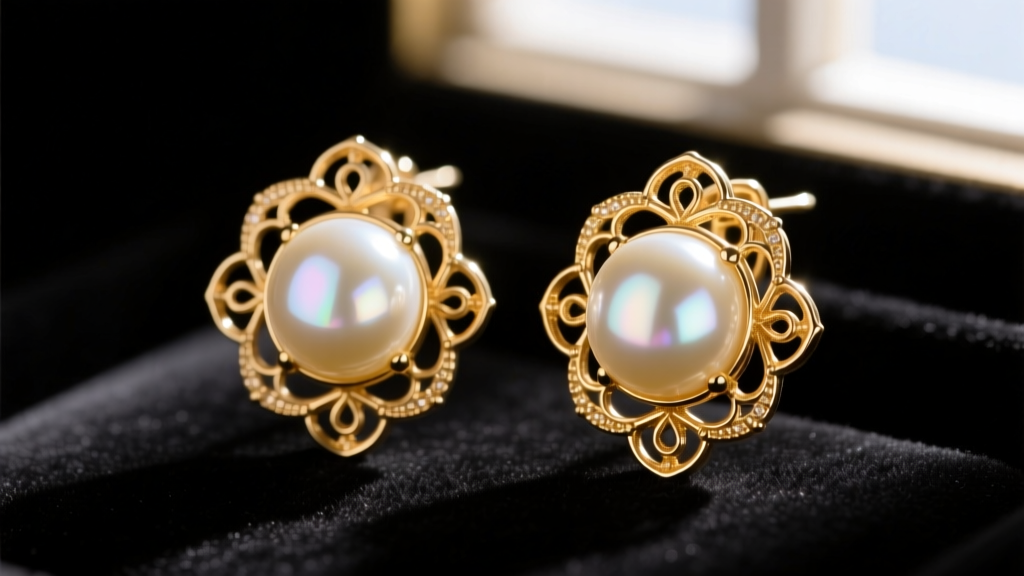
The Resurgence of Non-Pierced Elegance
In 2026, the secondary jewelry market has seen a massive resurgence in non-pierced accessories, driven by a desire for pain-free luxury and the preservation of mid-century aesthetics. Vintage pearl clip on earrings sit at the intersection of historical craftsmanship and modern styling versatility. However, valuing these pieces requires a nuanced understanding of mid-century hardware, pearl grading, and brand provenance. Unlike modern post earrings, vintage clip-ons demand a dual assessment: the gemological value of the pearl and the mechanical integrity of the clasp. Whether you are an estate sale hunter or a curated vintage dealer, understanding the exact metrics of value is critical to avoid overpaying for costume reproductions or undervaluing genuine mid-century cultured pearl artifacts.
Decoding the Hardware: Clasp Types & Eras
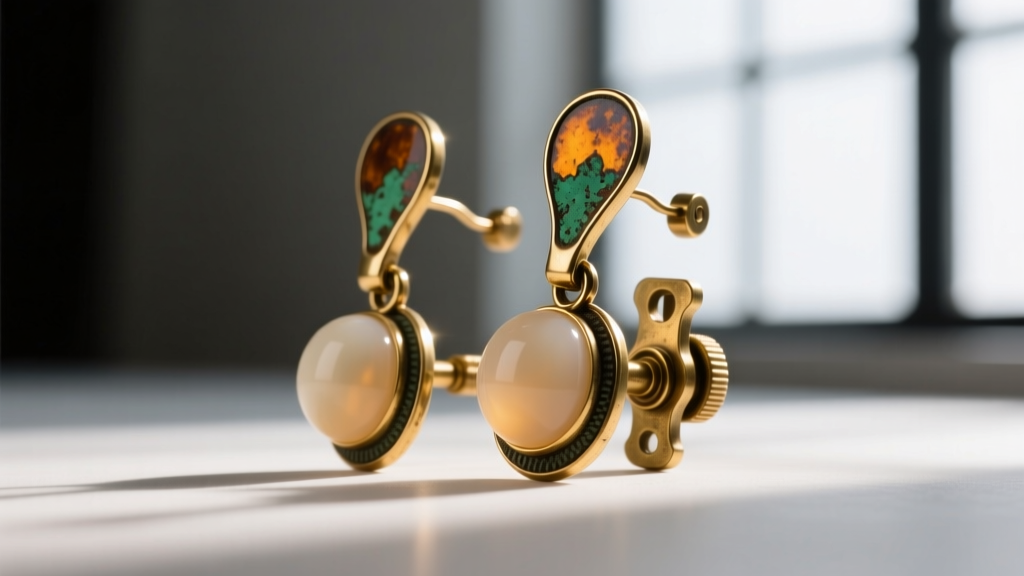
The primary indicator of age—and consequently, historical value—in vintage non-pierced earrings is the clasp mechanism. The evolution of these clips directly correlates with specific decades, allowing experts to date pieces even when maker's marks are worn away.
- Screw-Backs (1900s–1930s): The earliest mechanism, featuring a threaded post and a paddle that screws tightly against the earlobe. While secure, they are notorious for causing discomfort. Pieces from this era are rare and highly collectible, especially if crafted in platinum or early white gold.
- Paddle Clips (1930s–1940s): A hinged, flat metal paddle that snaps against the ear. Often found on early Art Deco and Retro period pieces. The tension is fixed, meaning they either fit perfectly or pinch terribly. Look for original unpolished brass or early rhodium plating.
- Omega Clips (1950s–Present): The gold standard for vintage comfort. The Omega back features a hinged, curved wire that loops over the earlobe, combined with a screw mechanism for adjustable tension. High-end 1950s and 60s pieces from houses like Mikimoto or Tiffany & Co. frequently utilized 14k or 18k gold Omega backs.
- Monet / Trifari Patented Clips (1960s–1980s): Costume jewelry giants developed proprietary spring-loaded clips with silicone comfort pads. While less valuable intrinsically, pristine examples with original, unyellowed pads command a premium among costume jewelry collectors.
Pearl Grading: Cultured vs. Faux in Vintage Pieces
The most common pitfall in assessing vintage pearl clip on earrings is misidentifying the pearl type. Mid-century costume jewelers like Trifari, Coro, and Miriam Haskell frequently used high-quality faux pearls that mimic the luster of genuine gems to the untrained eye.
Identifying Majorica and Glass Pearls
Majorica pearls, manufactured in Spain since the late 19th century, are glass beads coated with multiple layers of a guanine-based solution derived from fish scales. Under 10x magnification, Majorica pearls reveal a perfectly smooth surface with a slightly granular, glittery luster. In contrast, genuine cultured pearls exhibit overlapping nacre plates that look like a topographical map. According to the Gemological Institute of America (GIA), the "tooth test" remains a reliable field assessment: gently rubbing a genuine pearl against the biting edge of your front teeth will feel distinctly gritty or sandy, whereas a glass or plastic faux pearl will feel perfectly smooth.
Valuing Vintage Cultured Akoya
When vintage clip-ons feature genuine cultured pearls, they are predominantly Japanese Akoya. Value is dictated by nacre thickness, luster, and surface cleanliness. Vintage Akoya pearls (1950s-1980s) often possess thicker nacre (0.6mm to 0.8mm) compared to many modern commercial-grade Akoyas, giving them a deep, mirror-like luster. However, vintage pearls are prone to dehydration and crazing if stored in plastic or safety deposit boxes without humidity. A pair of vintage Akoya clip-ons with cracked or peeling nacre loses up to 70% of its gemological value, relegating it to a purely historical or hardware-reclamation price point.
2026 Market Valuation Matrix
Pricing for vintage pearl clip on earrings varies wildly based on the intersection of brand, pearl authenticity, and hardware material. The following matrix reflects average retail and estate sale pricing data observed across major vintage platforms in early 2026.
| Category / Era | Pearl Type | Hardware Material | Estimated Value Range (USD) |
|---|---|---|---|
| 1940s Costume (e.g., Coro, Trifari) | Faux Glass / Shell | Base Metal / Gold-Plate | $45 – $120 |
| 1950s-60s Designer (e.g., Dior, Chanel) | Faux Gripoix / Glass | Gold-Tone Alloy | $250 – $650 |
| 1960s-70s Fine Jewelry | Cultured Akoya (6-7mm) | 14k Yellow / White Gold | $350 – $850 |
| 1980s Power Dressing (e.g., Mikimoto) | Cultured Akoya (7-8mm) | 18k Gold Omega Clip | $1,200 – $3,500+ |
| Art Deco / Retro (1920s-30s) | Seed Pearl / Blister | Platinum / 18k White Gold | $900 – $2,800 |
Sourcing and Authenticating in the Modern Market
Finding genuine vintage pearl clip on earrings requires navigating a market flooded with modern reproductions artificially aged via chemical patinas. Platforms like Ruby Lane and 1stDibs offer vetted pieces, but premiums are high. For budget-conscious buyers, local estate auctions and specialized Facebook vintage jewelry groups yield better ROI, provided you know what to ask.
Always request macro photographs of the earring post and the interior of the clip. Authentic vintage gold hardware will often bear tiny stamps such as "14K", "585", or patent numbers like "PAT. PEND." or specific maker's marks like the crown-and-trumpet symbol of early Trifari. Be highly skeptical of pieces claiming to be "1950s Mikimoto" if the hardware lacks the distinct M-in-a-clamshell hallmark or if the pearls are drilled completely through (vintage clip-on pearls were typically half-drilled and glued to a cup-and-post setting to maximize weight distribution and comfort).
Restoration, Maintenance, and Hidden Costs
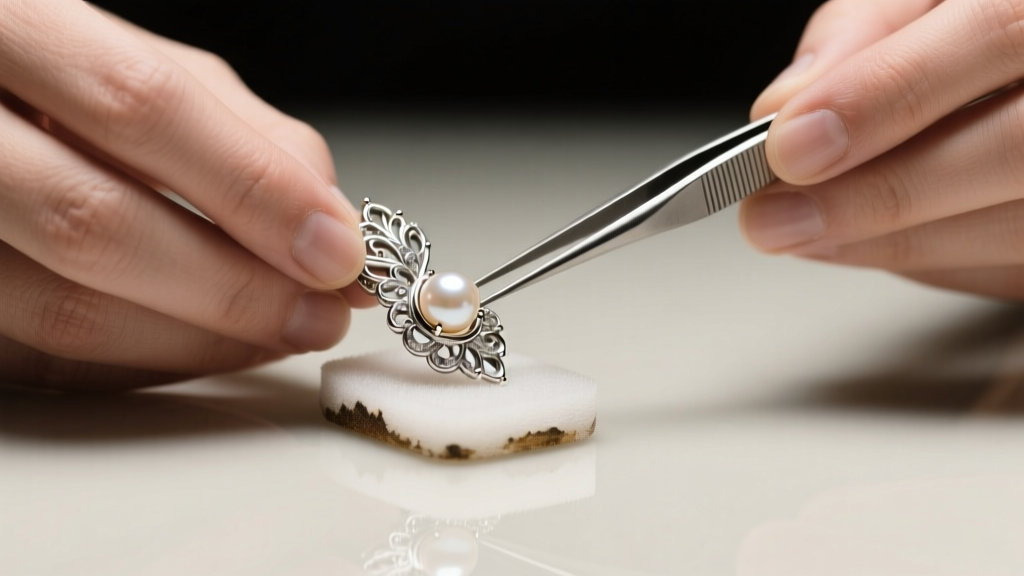
When budgeting for vintage clip-ons, factor in inevitable restoration costs. The mechanical nature of clip-ons means they suffer from metal fatigue and pad degradation.
- Pad Replacement ($15–$30 per pair): Original foam or silicone comfort pads dry rot and crumble. Replacing them with modern, hypoallergenic silicone pads is essential for wearability but should be disclosed if selling to purist collectors.
- Tension Calibration ($25–$50): Omega backs frequently lose their grip over decades of use. A skilled bench jeweler can use nylon-jaw pliers to gently bend the omega wire, restoring the exact clamping pressure needed to hold a 10-gram pearl earring securely without causing lobe ischemia (pinching).
- Re-Tipping and Re-Gluing ($40–$80): Half-drilled pearls on vintage settings are secured with jeweler's epoxy. If a pearl spins or feels loose, it must be carefully removed, the post cleaned of old adhesive, and re-seated with fresh two-part jeweler's epoxy. Never attempt this with superglue, which will permanently cloud the pearl's nacre.
Expert Preservation Tip: Never use ultrasonic cleaners or harsh silver dips on vintage pearl earrings. The high-frequency vibrations can shatter the delicate glue bond holding half-drilled pearls to their cups, and the chemicals will instantly strip the orient and luster from both natural nacre and vintage Majorica coatings. Clean only with a damp, lint-free microfiber cloth.
Ultimately, the value of vintage pearl clip on earrings in 2026 lies in their wearable history. By mastering the identification of mid-century clasps, understanding the gemological differences between nacre and guanine, and budgeting for proper mechanical restoration, collectors can confidently acquire stunning, pain-free heirlooms that continue to appreciate in both style and monetary worth.


