Beginner Guide to Buying and Identifying Vintage Weiss Earrings
Discover how to identify, price, and style vintage Weiss earrings. Our beginner guide covers hallmarks, rhinestone quality, and condition checks.

The Legacy of Albert Weiss: A Mid-Century Powerhouse
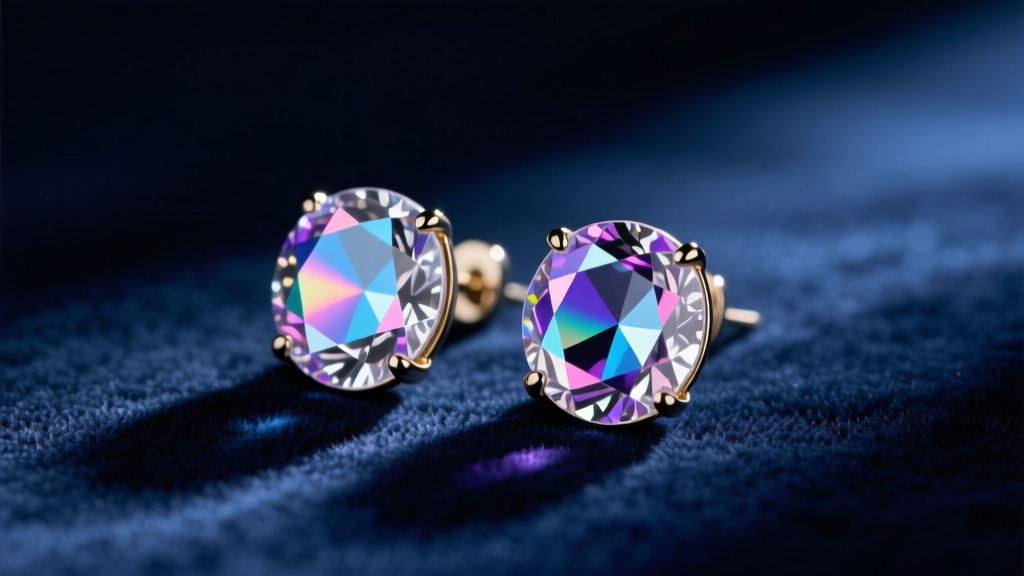
When diving into the world of vintage costume jewelry, few names command as much respect among collectors as Albert Weiss. Founded in New York City in 1942, the Weiss company quickly established itself as a premier manufacturer of high-quality rhinestone jewelry. While brands like Coro and Trifari often dominate mainstream vintage conversations, Weiss earrings remain a hidden gem for those who appreciate exceptional stone clarity and meticulous prong settings. For beginners, navigating the secondary market for Weiss earrings can feel overwhelming. This guide will break down exactly what to look for, how to authenticate pieces, and how to avoid common pitfalls when building your collection.
How to Authenticate Vintage Weiss Earrings
Identifying genuine Weiss earrings requires a keen eye for hallmarks and an understanding of mid-century manufacturing techniques. According to the Costume Jewelry Collectors International (CJCI), Weiss used several distinct signatures throughout its operational history, which spanned until the early 1970s.
The Hallmarks
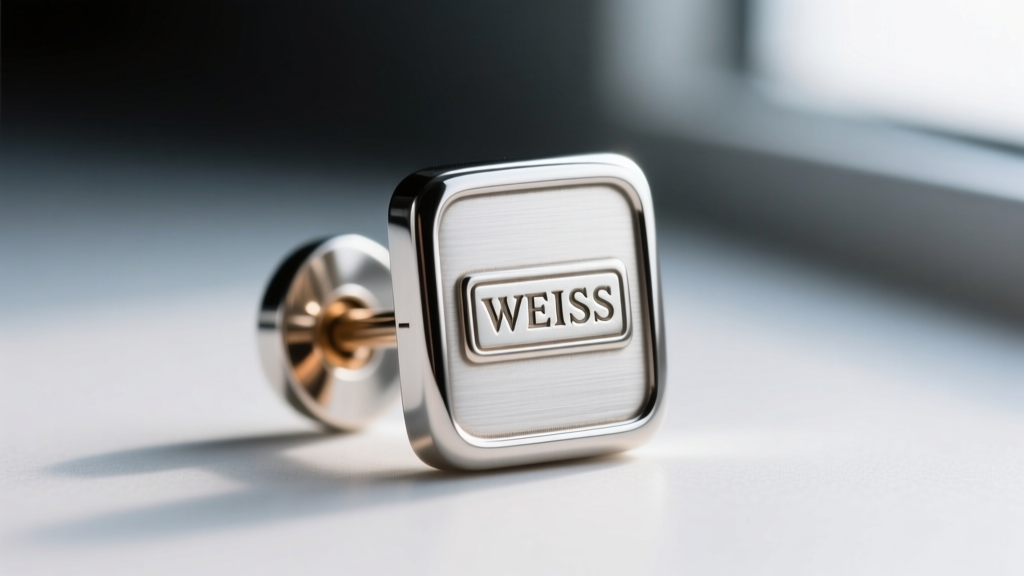
- WEISS (Block Letters): The most common mark, often stamped inside a small rectangular or oval cartouche on the earring back or clip mechanism.
- Weiss (Script): Used primarily in the 1950s, this elegant cursive signature is often found on the back of flat clip-on pads.
- Weiss Co.: An earlier variation, sometimes seen on pieces from the late 1940s.
- Unmarked Pieces: It is well-documented by The Spruce Crafts that some early or experimental Weiss lines were left unmarked. In these cases, authentication relies heavily on the quality of the stones and the specific prong-setting techniques unique to the brand.
Materials and Construction
Weiss did not cut corners on materials. The base metal was typically a high-grade pot metal or brass, heavily plated in rhodium or gold-tone finishes. Rhodium plating was favored for its bright, tarnish-resistant silver appearance. The stones were predominantly high-leaded glass rhinestones sourced from Austria and West Germany, rivaling the brilliance of Swarovski. Unlike cheaper competitors that glued stones into place, Weiss almost exclusively used hand-set metal prongs, ensuring the stones remained secure for decades.
Anatomy of a Weiss Earring: Findings and Backings
Understanding the hardware, or "findings," is crucial for dating and evaluating Weiss earrings. Because the vast majority of mid-century women did not have pierced ears, Weiss focused heavily on non-pierced options.
| Finding Type | Era | Characteristics & Comfort |
|---|---|---|
| Screw-Backs | 1940s - Early 1950s | Features a threaded post with a paddle that screws against the earlobe. Often uncomfortable by modern standards but highly secure. |
| Standard Clip-Ons | 1950s - 1970s | A hinged metal clip with a spring mechanism. Weiss often padded the inner clip with silicone or velvet for improved comfort. |
| Pierced Posts | Late 1960s+ | Rare to find. As ear piercing became mainstream in the late 60s, Weiss introduced post-and-clutch backs, but these are less common on the vintage market. |
Condition Checklist: What to Look For (and Avoid)
Condition is the single biggest factor in the valuation of vintage Weiss earrings. Because these pieces rely on the optical illusion of foil-backed glass, moisture and time are their biggest enemies. Use this checklist when inspecting a potential purchase:
1. The "Dead Stone" Test
Hold the earring under a bright, direct LED light. Tilt it slowly. If a stone looks grey, black, or completely opaque while the surrounding stones sparkle brilliantly, the silver foil backing has oxidized due to moisture intrusion. These are known as "dead stones." While a single dead stone in a complex floral cluster might be forgivable, it significantly drops the value.
2. Prong Fatigue and Missing Chatons
Weiss used specific chaton sizes (typically SS10, SS12, and SS16 for standard round stones). Run your finger gently over the surface. If you feel a snag, a prong may be lifted. Replacing missing vintage Austrian chatons requires specialized lapidary skills and exact color-matching, making heavily damaged pieces a poor investment for beginners.
3. Plating Wear (Brassing)
Check the high-contact areas, especially the edges of the clip mechanism and the tops of raised metal beads. If the bright rhodium has worn away to reveal a dull, yellowish-brown brass underneath, the piece has heavy wear. Light patina is acceptable, but active flaking is a dealbreaker.
2026 Pricing Guide for Weiss Earrings
The vintage jewelry market has stabilized, but pristine Weiss pieces continue to appreciate. Based on current market data from platforms like Ruby Lane's Weiss Jewelry Archive, here is what you should expect to pay for authentic pieces in excellent condition:
- Basic Clear Rhinestone Clips ($35 - $65): Simple geometric or floral designs with standard clear glass stones. Great entry-level pieces.
- Aurora Borealis (AB) Styles ($75 - $130): Introduced in 1955, the AB coating gives stones an iridescent, rainbow-like flash. Weiss AB earrings are highly sought after and command a premium.
- Rare Color Combinations ($150 - $250+): Weiss produced limited runs using sapphire blue, emerald green, and ruby red glass. Earrings featuring these colors, especially in chandelier or dangle formats, are top-tier collector items.
- Complete Parures ($200 - $400+): Finding the original earrings paired with their matching necklace and bracelet dramatically increases the value and desirability.

Styling and Caring for Your Vintage Weiss
Styling vintage Weiss earrings for modern wear is all about contrast. Because the designs are inherently ornate and rooted in mid-century glamour, pair them with minimalist, contemporary clothing. A sharp black turtleneck, a tailored blazer, or a simple silk slip dress provides the perfect neutral canvas, allowing the aurora borealis flashes and intricate metalwork to take center stage without looking costumey.
Critical Care Instructions
Never, under any circumstances, use an ultrasonic cleaner, jewelry dip, or ammonia-based glass cleaner on Weiss earrings. The chemicals will instantly strip the delicate foil backing and the aurora borealis vacuum coating. To clean your pieces, use a soft, dry microfiber cloth to gently buff the metal. For dirt trapped in the prongs, use a wooden toothpick or a completely dry, soft-bristled makeup brush. If you must use moisture, slightly dampen a cotton swab with distilled water, carefully clean the metal, and immediately dry it with a hairdryer on a cool setting to prevent moisture from seeping behind the stones.
Final Thoughts for New Collectors
Collecting vintage Weiss earrings is a rewarding journey into mid-century American design. By focusing on pristine foil backings, secure prong settings, and authentic hallmarks, you can build a collection that not only elevates your personal style but also holds its historical and financial value. Start with a classic pair of clear rhinestone clips to train your eye, and soon you will be confidently hunting down rare sapphire chandeliers and AB masterpieces.


