W Germany Vintage Earrings: 2026 Style & Market Trend Guide
Discover the 2026 resurgence of W Germany vintage earrings. Explore hallmark authentication, 1950s-1980s styling trends, and collector pricing guides.

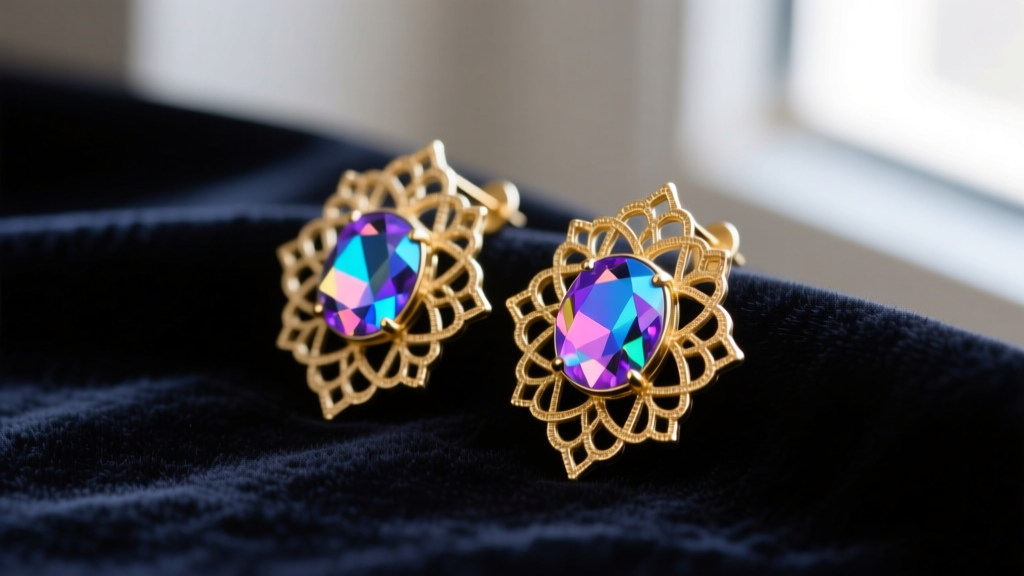
The vintage jewelry market in 2026 has experienced a seismic shift. As the fashion world moves away from the mass-produced, lightweight aesthetics of the Y2K revival, collectors and stylists are gravitating toward pieces with historical weight, substantial craftsmanship, and geopolitical provenance. At the forefront of this movement are W Germany vintage earrings—artifacts of the Federal Republic of Germany’s post-war economic miracle that bridge the gap between mid-century elegance and 1980s power dressing.
Whether you are a seasoned collector hunting for pristine aurora borealis clip-ons or a stylist sourcing statement pieces for modern editorial shoots, understanding the nuances of West German jewelry is essential. This comprehensive guide decodes the hallmarks, material science, styling trends, and market valuations of these highly coveted ear ornaments.
Decoding the Hallmark: The W. Germany Era (1949–1990)
The hallmark 'W. GERMANY' or 'WEST GERMANY' is more than a geographic indicator; it is a temporal timestamp. Following the division of Germany after World War II, the Federal Republic of Germany (West Germany) began stamping exported goods to distinguish them from Eastern Bloc manufacturing. This practice continued until the reunification of Germany in 1990, after which the 'W' was dropped.
According to the Lang Antiques University, the specific phrasing of the hallmark can help narrow down the decade of manufacture:
- 'MADE IN W. GERMANY' (1950s–Early 1960s): Often found on pieces with intricate filigree, screw-back fittings, and early Swarovski aurora borealis (AB) stones.
- 'W. GERMANY' (1960s–1970s): A streamlined mark commonly stamped on the reverse of heavy tombac brass clip-ons and faux pearl drops.
- 'WEST GERMANY' (1970s–1980s): Frequently seen on larger, bolder geometric pieces, enamel work, and post-back earrings designed for the newly popularized pierced ear.
Material Anatomy: Tombac, Idar-Oberstein Glass, and Foil Failures
To truly appreciate W Germany vintage earrings, one must understand the materials that define them. Unlike the sterling silver dominance of American makers like Tiffany or the pot-metal bases of some mid-century costume jewelry, West German manufacturers favored Tombac brass. This copper-zinc alloy, containing little to no nickel, provided a dense, heavy foundation that accepted gold and rhodium electroplating beautifully.
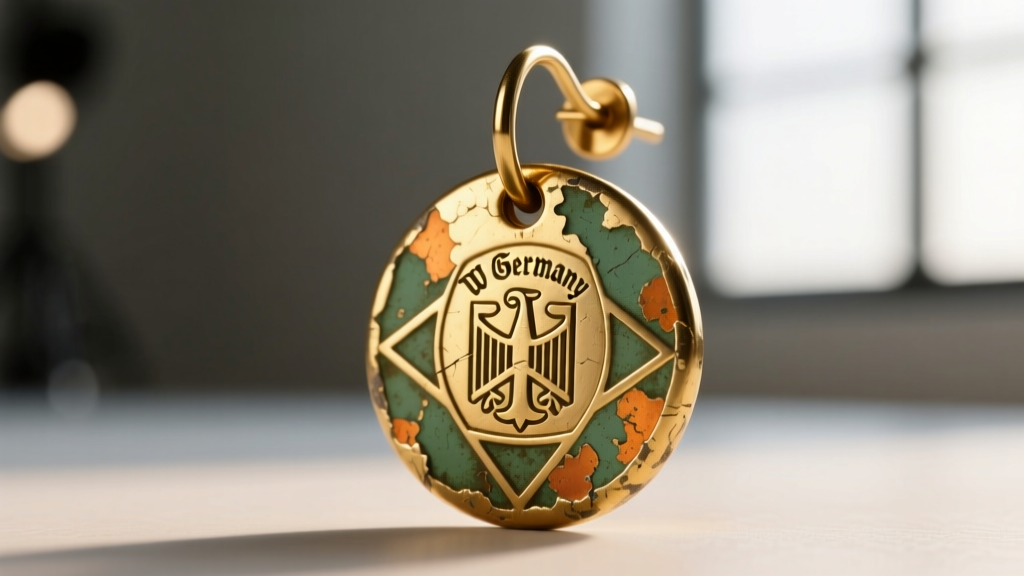
The gemstones used in these pieces are equally significant. The Idar-Oberstein region in Germany has been a global hub for gem cutting and glass stone production for centuries. Many vintage West German earrings feature high-leaded glass stones cut with mathematical precision. The introduction of the Aurora Borealis (AB) finish in 1956—a micro-thin metallic vapor coating that creates a rainbow iridescence—became a staple in 1960s West German exports.
The Collector's Warning: Foil-Back Degradation
When authenticating and pricing these earrings, you must inspect the stone settings. Many W. Germany vintage earrings utilized foil-backed stones to enhance brilliance. Over decades, moisture can seep past the prongs, causing the silver or gold foil to oxidize, turn black, or flake away entirely. A piece with 'dead' or blackened stones suffers a 40% to 60% drop in market value compared to one with pristine, sparkling foil-backs.
2026 Trend Analysis: Styling West German Silhouettes
In 2026, the styling of vintage earrings is defined by deliberate contrast and the revival of the 'Power Shoulder.' Here is how top stylists are integrating W Germany vintage earrings into contemporary wardrobes:
1. The Neo-Power Suit Contrast
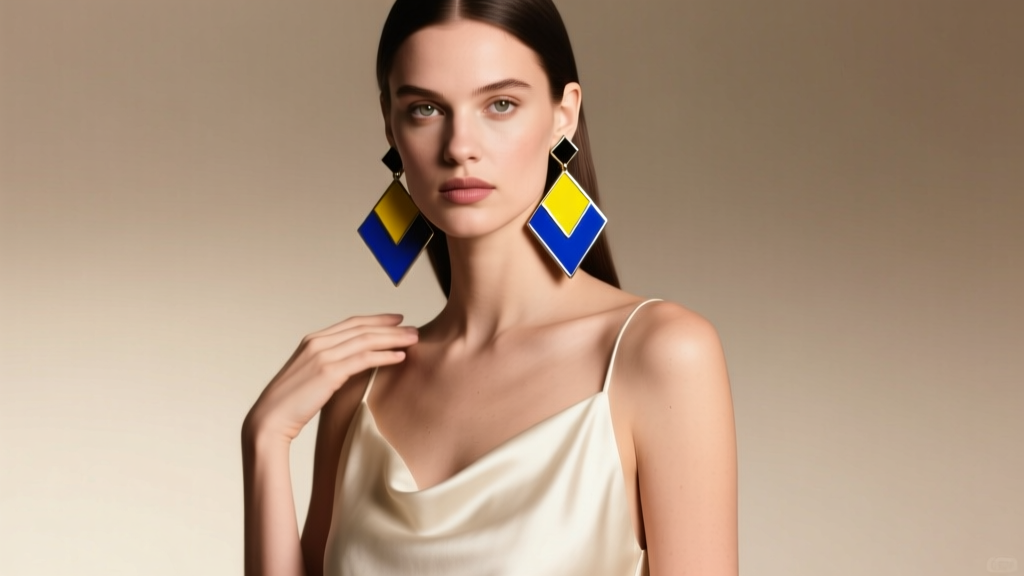
The oversized, structured blazers dominating 2026 runways demand earrings with equal visual weight. Stylists are pairing wide-shouldered wool suits with 1980s West Germany geometric enamel drop earrings. The rigid, architectural lines of the enamel and gold-tone metal complement the sharp tailoring of the garment, creating a silhouette that commands authority in modern boardrooms and creative spaces alike.
2. Ethereal Juxtaposition
For evening wear, the trend leans into extreme juxtaposition. Delicate, bias-cut silk slip dresses are being anchored by heavy, ornate 1950s aurora borealis chandelier clip-ons. The visual tension between the fluid, minimalist silk and the rigid, sparkling complexity of the vintage Tombac brass creates a highly editorial, avant-garde aesthetic.
The Collector’s Matrix: Pricing and Authentication
The market for W Germany vintage earrings has matured significantly. While unmarked vintage costume jewelry can be difficult to appraise, the clear geographic and temporal boundaries of the West German hallmark provide a stable framework for valuation. Below is the 2026 market matrix for the most sought-after categories.
| Era & Style | Typical Backing | Market Value (2026) | Collector Demand |
|---|---|---|---|
| 1950s Aurora Borealis Studs | Screw-back (18g/20g) | $45 - $120 | High (Intact foil required) |
| 1960s Faux Pearl Drops | Clip-on (Omega) | $60 - $180 | Medium (Pearl coating condition) |
| 1970s Modernist Silver-Tone | Post & Clutch | $80 - $220 | Medium-High |
| 1980s Geometric Enamel Dangles | Post / Heavy Clip | $150 - $450+ | Very High (Current Trend) |
Note: Pieces attributed to specific high-end exporters or those featuring verified Swarovski signage command a 30-50% premium over the ranges listed above.
Preservation and Sourcing Tactics
Sourcing authentic W Germany vintage earrings requires a keen eye and a network of trusted dealers. Platforms like Ruby Lane remain indispensable for serious collectors, as their vetted dealers provide high-resolution macro photography essential for checking hallmark clarity and foil-back integrity.
Cleaning and Maintenance Protocols
Never use ultrasonic cleaners or harsh chemical dips on West German vintage jewelry. The electroplating over Tombac brass is often remarkably thin, and aggressive cleaning will strip the gold or rhodium finish, exposing the brassy underlay. Furthermore, ultrasonic vibrations will shatter the adhesive holding foil-backed stones in their bezels.
Expert Protocol: Clean your vintage earrings using a dry, ultra-soft microfiber cloth. For stubborn grime in the filigree, use a soft-bristled makeup brush lightly dampened with distilled water, avoiding the stone settings entirely. Always store them in acid-free tissue paper to prevent the sulfur in the air from tarnishing the metal alloys.
As we navigate the fashion landscape of 2026, W Germany vintage earrings stand out as more than mere accessories. They are wearable history, offering a masterclass in mid-century metallurgy and late-century bold design. By understanding their origins, materials, and proper care, collectors can preserve these striking artifacts for decades to come.


